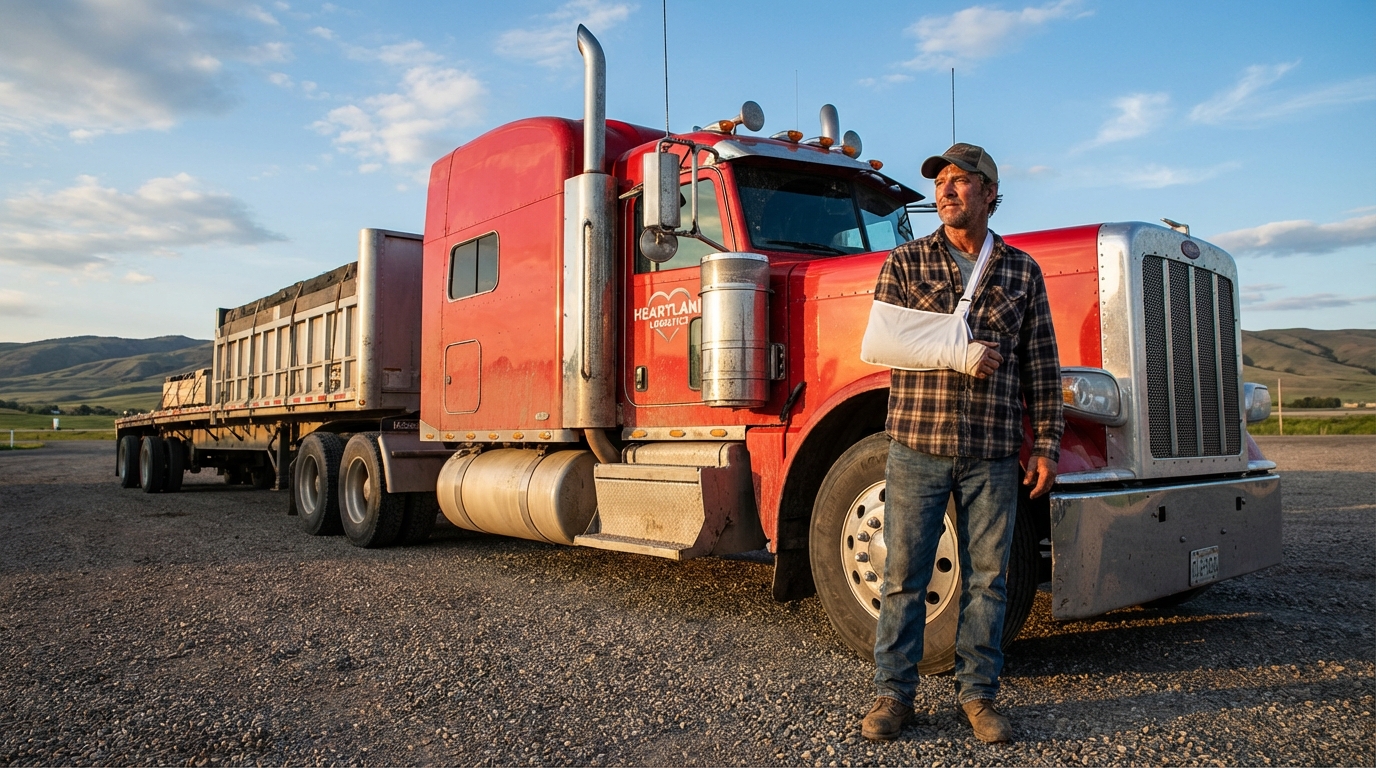
Truck drivers face some of the most perilous roads in the country, with risks like high-speed highway crashes, repetitive strain from long hours behind the wheel, and injuries during loading or unloading cargo. Extreme weather and isolation on remote routes amplify these dangers. Workers’ compensation insurance provides a tailored safety net, covering medical bills, lost wages, and rehabilitation for job-specific injuries. Without it, a single accident could devastate a driver’s finances and livelihood. This coverage lets truckers focus on the road instead of recovery costs.
Employers benefit too, as workers’ comp shields them from lawsuits and supports injured employees’ return to work. Coverage includes doctor visits, surgeries, physical therapy, prescription drugs, and partial wage replacement based on pre-injury earnings, often two-thirds of average weekly pay. Permanent disabilities bring ongoing compensation or lump sums for scarring and disfigurement. Death benefits support dependents in fatal cases. In states like Pennsylvania, benefits reflect a driver’s earning history for fairness and necessity.
Eligibility depends on employment status. Company drivers qualify as employees, while independent contractors often pursue personal injury claims. Clear contracts and awareness help trucking professionals. Robust workers’ comp encourages preventive measures and quick recoveries, fostering a safer industry. Drivers and fleets thrive when protected from the open road’s toll.
Key Takeaways
- Workers’ compensation is essential for truck drivers, covering medical bills, about two-thirds of average weekly wages, rehabilitation, permanent disabilities, and death benefits for employees injured in highway crashes, loading/unloading strains, or weather hazards.
- Independent contractors are ineligible for workers’ comp and must file personal injury lawsuits, proving fault for potentially higher but delayed payouts.
- Employers benefit from workers’ comp by avoiding lawsuits, encouraging safety, and facilitating injured employees’ return to work.
- Promptly report injuries within 24-48 hours, seek approved medical care, and consult attorneys for settlements to maximize Pennsylvania-specific benefits tied to pre-injury earnings.
Truck Driver Injury Risks Covered by Comp
Highway accidents pose the most common and severe risk for truck drivers, often from high-speed collisions or rollovers causing fractures, spinal injuries, or traumatic brain damage. Workers’ compensation covers these on-the-job incidents with full medical treatment, including surgeries, hospital stays, and physical therapy. Drivers receive about two-thirds of their average weekly wage during recovery. In states like Pennsylvania, benefits scale with pre-injury earnings. This applies mainly to employees, not independent contractors.
Loading and unloading cargo leads to strains like herniated discs or muscle tears from heavy lifting in awkward positions. Falls from truck cabs, trailers, or loading docks cause broken bones or concussions. Comp claims reimburse prescriptions, doctor visits, and rehabilitation for safe returns to work. Permanent scarring or disabilities trigger lump-sum payments. Quick reporting ensures smoother processing for eligible employees.
Extreme weather turns long hauls hazardous, with risks of hypothermia in blizzards, heat exhaustion in sweltering cabs, or slips on icy ramps. Workers’ comp covers these hazards with emergency care and wage replacement. Families receive death benefits for weather-related fatalities on duty. Trucking firms prioritize robust policies for this protection. These claims safeguard drivers from road perils.
Employee vs Contractor Eligibility for Trucker Comp
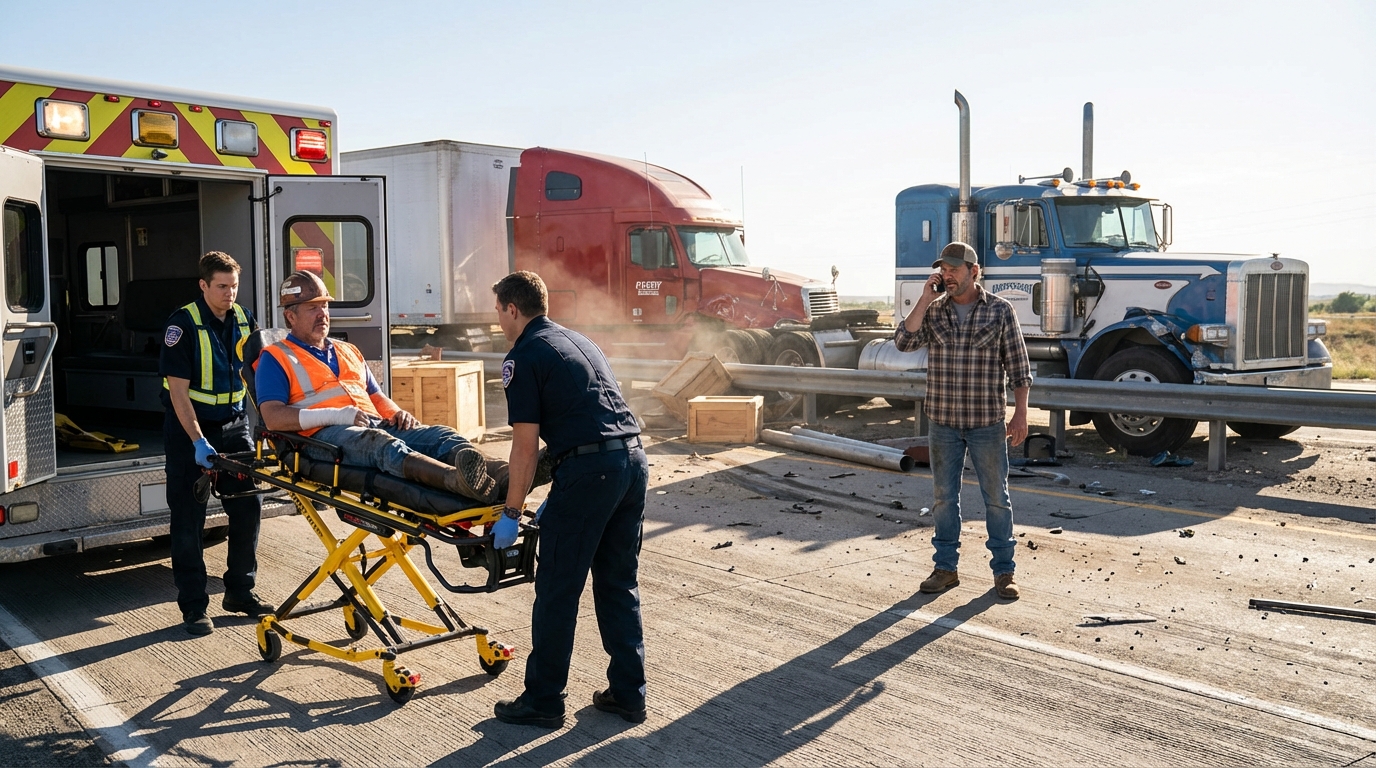
Classifying truck drivers as employees or independent contractors determines workers’ compensation eligibility. Employees qualify under their employer’s policy for medical bills and lost wages from on-the-job injuries. Independent contractors must secure their own insurance or forgo benefits. Courts and agencies like the DOL consider control over work, payment methods, and tool provision. Misclassification leads to denied claims and legal battles.
Independent contractors pursue personal injury lawsuits when injured, seeking damages from negligent parties like other drivers or shippers. Without workers’ comp, they lack no-fault benefits, so proving fault is essential. This can yield higher payouts for pain and suffering but takes longer with attorney fees. A contractor hurt in a loading accident might sue the warehouse owner.
Employers must verify driver status and maintain coverage for employees per state mandates. Non-compliance risks fines, back payments, and lawsuits from reclassified workers. In Pennsylvania, benefits tie to average weekly wages, requiring accurate payroll records. Trucking firms consult experts to avoid pitfalls and protect operations.
Filing Truck Driver Comp Claims and Benefits
Filing a workers’ compensation claim starts with notifying your employer or supervisor promptly, ideally within 24 to 48 hours per state rules. Seek medical attention from an approved provider to document the injury with doctor notes, diagnostic tests, and treatment plans. Your employer reports to their insurer, who sends claim forms for accident and wage details. Submit promptly to avoid delays. Keep personal copies of all paperwork.
Benefits cover medical expenses fully, from ER visits to therapy, plus partial wage replacement at two-thirds of pre-injury average weekly wage. In Pennsylvania, the maximum weekly benefit caps at $1,325, varying by state and earnings. Permanent disabilities or scarring qualify for lump sums, and dependents receive death benefits. Independent contractors pursue personal injury suits. These supports bridge financial gaps during recovery.
Settlement options emerge once your condition stabilizes, with lump-sum payouts or structured payments. Consult a workers’ comp attorney to evaluate offers against future needs and lost earnings. Many drivers choose settlements for certainty. State laws set minimums, so review Pennsylvania’s guidelines. Approving a settlement ends further claims, so decide carefully.
Workers Comp FAQ for Truck Drivers

Truck drivers often ask about wage replacement under workers’ compensation, which covers two-thirds of average weekly wage before injury during recovery. This helps with bills and groceries. In Pennsylvania, calculations use prior year’s earnings, including overtime and mileage unlike office jobs. Check your state’s formula, as variations exist.
Permanent disability payouts cover lasting injuries like back problems from loading or limb loss in accidents. These range from scheduled awards for body parts to impairment ratings. Death benefits provide lump sums or 66% of deceased driver’s wage for dependents. In trucking’s high-risk world of trailer falls or crashes, these prevent financial ruin. Coverage mandates this for employees, but contractors seek personal injury suits.
Workers’ comp protections shield truck drivers from medical bills, lost income, and road hardships. File claims promptly to secure benefits, and employers must report injuries. State laws govern details, so review or consult a specialist. Staying informed helps drivers advocate after incidents.
Workers’ Comp: Truckers’ Ultimate Safety Net
Workers’ compensation insurance serves as a vital safety net for truck drivers, shielding employees and employers from on-the-job injury costs. From highway collisions to loading slips and weather exposure, truckers face unique hazards that demand this coverage. It covers medical bills without out-of-pocket costs and provides partial wage replacement for recovery focus. This turns potential financial disasters into manageable recoveries.
Key benefits include medical care like surgeries, therapies, and prescriptions, plus compensation for permanent disabilities or death benefits for families. Amounts hinge on a percentage of pre-injury average weekly wage, varying by state; Pennsylvania offers two-thirds replacement in many cases. Employers gain limited liability and safer workplaces. These make workers’ comp a trucking cornerstone.
Eligibility depends on status: company drivers qualify, while independent contractors seek personal injury claims. Trucking firms should verify coverage and promote safety. Prioritizing workers’ comp safeguards livelihoods and keeps commerce moving. Drivers and owners benefit from staying informed and proactive.
Frequently Asked Questions
1. What is workers’ compensation for truck drivers?
Workers’ comp for truck drivers covers medical bills, lost wages, and rehabilitation for injuries like highway crashes and repetitive strains. It lets you focus on the road without fearing recovery costs. Employers avoid lawsuits and support your return to work.
2. What common injuries does workers’ comp cover for truck drivers?
Workers’ comp covers highway accidents, repetitive strain from long hours, injuries during loading or unloading cargo, and hazards from extreme weather or remote routes. It provides support for these daily risks.
3. What benefits can you expect from workers’ comp if you’re a truck driver injured on the job?
You receive coverage for doctor visits, surgeries, physical therapy, prescription drugs, and partial wage replacement, typically two-thirds of average weekly pay. Permanent disabilities bring ongoing compensation or lump sums for scarring. Death benefits support dependents.
4. Are independent truck contractors eligible for workers’ comp?
Company drivers qualify as employees for workers’ comp, but independent contractors pursue personal injury claims. Review contracts and status to avoid gaps. Awareness protects you after incidents.
5. How are workers’ comp benefits calculated for truck drivers?
Benefits base on pre-injury earning history, providing two-thirds of average weekly pay for lost wages. States like Pennsylvania calculate for fairness. Permanent issues get ongoing or lump-sum payments.
6. What are the benefits of workers’ comp for trucking employers?
Workers’ comp shields from employee lawsuits and structures support for injured drivers’ return to work. It encourages fleet safety measures. Everyone benefits from road protection.
7. Why is workers’ comp essential for truck drivers?
You face dangers like high-speed crashes and cargo injuries, where one accident could ruin finances without coverage. Workers’ comp handles medical and wage needs for recovery. It builds a safer industry.
8. What coverage exists for permanent disabilities or death in truck drivers’ workers’ comp?
Permanent disabilities qualify for ongoing payments or lump sums covering scarring and disfigurement. Death benefits support dependents. This ensures security in trucking’s realities.
{
“@context”: “https://schema.org”,
“@type”: “Article”,
“headline”: “Workers’ Comp for Truck Drivers: Coverage, Eligibility, and Claims Guide”,
“description”: “Truck drivers face deadly road risks—get workers’ comp coverage, eligibility, & claims guide. Cover medical bills, lost wages, rehab for crashes & strains!”,
“url”: “https://workerscompanswers.com/workers-comp-for-truck-drivers-coverage-eligibility-and-claims-guide/”,
“mainEntityOfPage”: {
“@type”: “WebPage”,
“@id”: “https://workerscompanswers.com/workers-comp-for-truck-drivers-coverage-eligibility-and-claims-guide/”
},
“image”: [
“https://workerscompanswers.com/wp-content/uploads/2025/11/featured-1764504716126.jpg”
],
“datePublished”: “2025-11-30T12:12:00.538035+00:00”,
“dateModified”: “2025-11-30T12:12:01.289164+00:00”
}
{
“@context”: “https://schema.org”,
“@type”: “Article”,
“headline”: “Workers’ Comp for Truck Drivers: Coverage, Eligibility, and Claims Guide”,
“description”: “Truck drivers face deadly road risks—get workers’ comp coverage, eligibility, & claims guide. Cover medical bills, lost wages, rehab for crashes & strains!”,
“url”: “https://workerscompanswers.com/workers-comp-for-truck-drivers-coverage-eligibility-and-claims-guide/”,
“mainEntityOfPage”: {
“@type”: “WebPage”,
“@id”: “https://workerscompanswers.com/workers-comp-for-truck-drivers-coverage-eligibility-and-claims-guide/”
},
“image”: [
“https://workerscompanswers.com/wp-content/uploads/2025/11/featured-1764504716126.jpg”
],
“datePublished”: “2025-11-30T12:12:00.538035+00:00”,
“dateModified”: “2025-11-30T12:12:01.289164+00:00”
}