
A head injury at work can disrupt your life instantly, leaving you to manage debilitating symptoms and mounting medical bills. Securing a concussion workers comp settlement is often the necessary path to financial stability during recovery. While mild cases typically range from $17,000 to $80,000, understanding the true value of your claim is essential to ensure you are not left paying for long-term care out of pocket.
The total value of your claim depends heavily on the severity of your symptoms and how they impact your ability to return to work. For those suffering from post-concussion syndrome or more severe traumatic brain injuries, settlements frequently exceed $100,000 to cover extensive therapy and lost indemnity. Knowing these industry averages helps you negotiate effectively and protects your future health.
Key Takeaways
- Concussion settlement values are primarily determined by injury severity, with mild cases averaging $33,700 while severe traumatic brain injuries or post-concussion syndrome frequently exceed $100,000.
- Total compensation is split between medical expenses and indemnity for lost wages, with severe cases requiring significantly higher payouts to cover long-term neurological care and permanent workplace accommodations.
- Objective medical documentation, including immediate emergency room records and specialist neurological evaluations, is the most critical factor in overcoming insurance skepticism and validating ‘invisible’ cognitive symptoms.
- The onset of post-concussion syndrome fundamentally increases a claim’s value because it represents long-term medical liability for persistent symptoms like chronic migraines, cognitive fog, and sensory disturbances.
Calculating Average Concussion Workers Comp Settlement Values
Determining the financial value of a concussion claim requires a close look at both immediate medical expenses and long-term disability. According to data from the National Safety Council, the average settlement for a mild concussion or contusion sits at approximately $33,700. This figure typically accounts for roughly $17,810 in medical costs and $15,887 in indemnity or lost wages. While these cases often involve a quicker recovery, they still represent a significant financial recovery for workers who need time to heal from head trauma. These settlements ensure that an employee can cover emergency room visits and short-term therapy without facing personal debt.
The situation changes dramatically when a head injury is categorized as severe or results in lasting complications. For more intense head injuries, the average settlement value climbs to roughly $94,300, which includes $60,700 for medical care and $33,600 in lost wages. Cases involving post-concussion syndrome or traumatic brain injuries often exceed the $100,000 mark because symptoms can persist for months or years. These higher values reflect the complexity of brain health, acknowledging that a worker may require specialized neurological care or permanent workplace accommodations. Understanding these benchmarks helps injured professionals gauge whether an initial settlement offer truly reflects the long-term impact of their injury.
Several factors influence where a specific claim falls within these national averages. The jurisdiction where the injury occurred, the clarity of the medical evidence, and the extent of permanent impairment all play a role in the final negotiation. A mild concussion that resolves in two weeks will naturally result in a lower payout than one that prevents a worker from returning to their previous role. By comparing your situation to the NSC data, you can better advocate for a settlement that covers your specific medical needs and financial losses. High-value claims require a clear understanding of how injury severity directly correlates to the total compensation awarded.
Impact of Post-Concussion Syndrome on Settlement Totals

While a standard concussion may resolve within a few weeks, the onset of post-concussion syndrome (PCS) fundamentally shifts the trajectory of a workers compensation claim. This condition occurs when symptoms like chronic migraines, dizziness, and cognitive fog persist for months or years after the initial impact. Because these symptoms often require long-term neurological care and specialized therapy, they elevate the claim from a routine injury to a high-value case. Insurance companies recognize that PCS involves significant future medical liability, which often pushes settlement offers into the $20,000 to $100,000 range. These totals account for the prolonged nature of the recovery process and the intensive resources required to manage persistent brain dysfunction.
The financial impact of a lingering head injury is most visible when looking at the indemnity and medical costs associated with permanent impairment. When a worker suffers from cognitive deficits or memory loss, their ability to return to their previous job duties is often compromised, leading to substantial lost wage claims. National safety data suggests that head injuries involving long-term complications can reach average costs of over $94,000 when accounting for both medical bills and disability payments. This is a sharp contrast to mild cases that resolve quickly without lasting neurological damage. By documenting the severity of persistent symptoms, an injured worker can move their settlement toward the higher end of the spectrum to ensure their future needs are fully covered.
Settlement totals are also heavily influenced by the psychological and sensory toll that post-concussion syndrome takes on a daily basis. Many claimants deal with extreme light sensitivity, irritability, and sleep disturbances that require ongoing psychiatric support or prescription management. These invisible injuries are just as debilitating as a physical fracture, yet they often require more sophisticated legal evidence to prove. When a claim includes documented evidence of these life-altering symptoms, it forces the insurer to acknowledge the high cost of ongoing care. The transition from a simple concussion to a chronic syndrome is the primary factor that transforms a modest payout into a comprehensive, high-value settlement.
Medical Evidence Required for Brain Injury Claims
Securing a fair concussion workers comp settlement requires more than just a description of symptoms. It demands a robust foundation of objective medical documentation. While back or knee injuries often show up clearly on standard imaging, brain injuries are frequently referred to as invisible wounds because they require specialized diagnostic tools. Insurance adjusters prioritize emergency room records created immediately after the accident, as these documents establish a direct link between the workplace incident and the head trauma. Without these initial reports, insurers may argue that cognitive issues stem from pre-existing conditions or non-work events. Neurological evaluations and CT scans serve as the primary evidence to validate the physiological impact of the injury on daily functioning.
The financial value of a claim often hinges on the depth of the diagnostic testing performed by specialists. For mild cases, standard imaging might appear normal, making the testimony and detailed notes of a neurologist essential for proving the existence of a traumatic brain injury. If symptoms persist, leading to a diagnosis of post-concussion syndrome, the medical evidence must reflect the ongoing nature of cognitive impairments. Comprehensive testing helps bridge the gap between a standard settlement and the higher compensation tiers that account for long-term disability. Detailed records of speech therapy, vestibular rehabilitation, and neuropsychological exams provide the concrete proof needed to justify a settlement that covers both extensive medical costs and significant lost wages.
Adjusters are naturally skeptical of head injury claims because the recovery timeline is often unpredictable and the symptoms are subjective. To counter this skepticism, you must present a consistent trail of medical evidence that tracks your progress. This documentation is particularly critical in high-value cases where the settlement could exceed $100,000 due to permanent neurological deficits. By presenting a clear timeline of ER visits, follow-up specialist appointments, and diagnostic results, you create a narrative that is difficult for the insurance company to dismiss. The strength of the medical file determines whether compensation reflects the true severity of the brain injury and its impact on future earning capacity.
Factors Influencing Payouts for Traumatic Brain Injuries
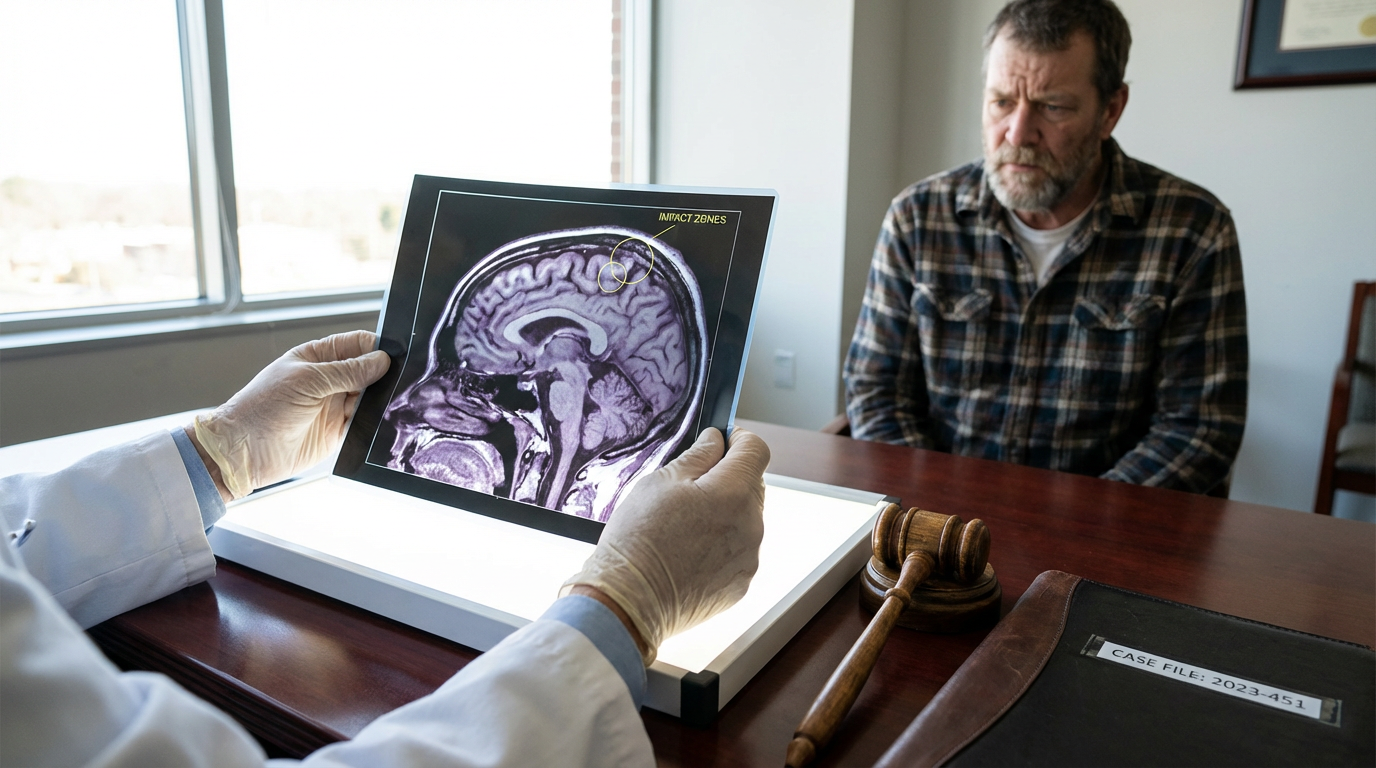
Calculating the value of a concussion workers comp settlement depends heavily on the severity of the neurological damage and the resulting financial impact. While a mild concussion may result in an average payout of approximately 33,700 dollars, more complex cases involving post-concussion syndrome often exceed 100,000 dollars. These figures are driven primarily by two main components, including immediate medical expenses and indemnity for lost wages. Insurance companies closely scrutinize diagnostic imaging and specialist reports to determine if the injury is a temporary setback or a life-altering event. Because head injuries are often invisible, documenting every cognitive symptom is essential for securing a fair settlement.
Long-term cognitive rehabilitation and permanent disability ratings play a pivotal role in high-value traumatic brain injury claims. When a worker suffers from chronic headaches, memory loss, or sensory issues, the cost of ongoing therapy can quickly escalate beyond initial estimates. National data suggests that head injury settlements often reach an average of 94,300 dollars when medical costs and indemnity are combined. If a physician assigns a permanent partial disability rating, the settlement must account for the diminished earning capacity over the remainder of the worker’s career. These catastrophic claims require a thorough analysis of future care needs to ensure the injured party is not left with unpaid medical bills.
The jurisdiction and the specific circumstances of the workplace accident also influence the final compensation amount. Every state has different formulas for calculating permanent disability, which can lead to significant variations in payouts for similar brain injuries. Beyond the physical symptoms, the psychological toll of a brain injury can impact a worker’s ability to return to their previous role, further increasing the indemnity portion of the claim. Effective settlements must address the nuances of cognitive recovery, including the need for speech therapy or vocational retraining. By focusing on these comprehensive factors, injured workers can better manage the complexities of the workers compensation system for head-related injuries.
Maximizing Your Concussion Workers’ Comp Settlement
Securing a fair concussion workers comp settlement requires a proactive approach to documenting every neurological symptom. Because head injuries are often invisible compared to broken bones, insurance companies may underestimate the long-term impact of a mild concussion or post-concussion syndrome. You must ensure your claim accounts for both immediate medical bills and the potential for future loss of earning capacity if cognitive symptoms persist. While average settlements for contusions often range from $17,000 to $80,000, more severe traumatic brain injuries can easily exceed $100,000 when accounting for extensive medical care and indemnity.
Your path to recovery should not be compromised by an undervalued settlement offer that ignores the complexities of brain health. Head injuries are high-value claims because they can affect vision, balance, and the ability to process information in a professional environment. It is essential to track how these symptoms interfere with daily job duties to justify a payout that reflects the true severity of the situation. To ensure you are receiving the maximum benefits allowed by law, explore our settlement chart to learn more about protecting your financial future. You may also wonder is your settlement taxable under current IRS rules, which is a common concern for those receiving large payouts.
Frequently Asked Questions
1. What is the average settlement value for a mild concussion?
A mild concussion typically results in a settlement between $17,000 and $80,000. On average, these claims settle for around $33,700, which covers both immediate medical expenses and lost wages during the recovery period.
2. How much can I expect for a severe head injury or post-concussion syndrome?
Severe head injuries or cases involving post-concussion syndrome often see settlements exceeding $100,000. Data shows the average for these intense injuries is roughly $94,300, specifically allocating funds for long-term therapy and extensive indemnity.
3. What specific costs are covered in a concussion workers comp settlement?
Your settlement is designed to cover two main categories: medical costs and indemnity. This includes emergency room visits, ongoing therapy, and compensation for the wages you lose while you are unable to work due to head trauma.
4. Why is the indemnity portion of my claim so important?
Indemnity payments protect your financial stability by replacing the income you lose during recovery. For severe injuries, this portion can average over $33,000, ensuring you can focus on healing without the pressure of mounting personal debt. If the insurer disputes your level of impairment, you may be required to attend a medical examination to verify your symptoms.
5. How does the severity of symptoms impact my final settlement amount?
The total value of your claim depends heavily on how symptoms affect your ability to return to work. More debilitating symptoms require higher medical spend and longer periods of lost wages, which naturally increases the final settlement offer.
6. What should I do to ensure I receive a fair settlement for my head injury?
You must understand the industry averages for your specific type of injury to negotiate effectively. Knowing that medical care for severe injuries can cost over $60,000 helps you avoid accepting an offer that leaves you paying for long-term care out of pocket.