
When you are injured on the job, workers’ compensation provides a vital safety net, but it rarely covers the full scope of your losses. While your employer’s insurance handles basic medical bills and partial wages, it often leaves you struggling with unpaid bills and the weight of physical pain. This is where third party work claims become essential for securing your financial future. If a negligent driver, a faulty equipment manufacturer, or a careless subcontractor contributed to your accident, you have the right to seek additional compensation beyond standard benefits.
Unlike the no-fault nature of workers’ comp, these claims allow you to hold the responsible party accountable for their specific negligence. By filing a third-party lawsuit, you can pursue damages that are otherwise unavailable, such as full wage replacement, emotional distress, and pain and suffering. This legal avenue bridges the gap between basic survival and true recovery. Understanding the distinction between these two systems ensures you do not overlook significant compensation during your recovery process.
Key Takeaways
- Third-party claims provide a vital financial bridge by allowing injured workers to recover damages unavailable through workers’ compensation, such as pain and suffering, emotional distress, and full wage replacement.
- Unlike the no-fault workers’ compensation system, third-party lawsuits require proving negligence against outside entities like equipment manufacturers, subcontractors, or negligent drivers.
- Pursuing both a workers’ compensation claim and a third-party lawsuit simultaneously maximizes total recovery and ensures every responsible party is held liable for the accident.
- Successful third-party settlements are subject to subrogation liens, requiring careful legal negotiation to reimburse the workers’ compensation carrier while retaining the maximum amount for the injured worker.
Distinguishing Third Party Liability From Workers Compensation
While workers compensation is a no-fault system that provides guaranteed medical care and partial wage replacement, it often restricts your ability to sue your employer directly. Third party liability claims bridge this gap by allowing you to pursue a separate personal injury lawsuit against outside entities whose negligence contributed to your accident. Unlike the standard workers comp process, these claims require you to prove negligence against the other party. This distinction is vital because it opens the door to compensation that your employer’s insurance simply does not cover. You can hold manufacturers, contractors, or outside drivers accountable for their specific negligence in your workplace injury.
The primary advantage of a third party claim lies in the broader range of damages you can recover compared to a standard insurance claim. Workers compensation is generally limited to economic losses like hospital bills and a percentage of your lost income. A successful third party lawsuit allows you to seek payment for non-economic damages, including physical pain and suffering, emotional distress, and loss of enjoyment of life. In some cases involving extreme negligence, you may even be eligible for punitive damages meant to punish the wrongdoer. This legal avenue ensures that you are not left financially burdened by the limitations of the administrative insurance system.
Identifying a potential third party claim requires looking beyond your immediate supervisor and coworkers to see who else shared the workspace or provided your equipment. Common examples include a negligent driver hitting a delivery worker or a manufacturer selling a defective power tool that malfunctions on a construction site. Because these cases involve proving fault, they are more complex than filing a simple workers compensation claim and typically involve a detailed investigation. By pursuing both avenues simultaneously, you can maximize your total recovery and ensure every responsible party is held liable for their actions. This dual approach provides a more comprehensive financial safety net during your recovery process.
Identifying Negligent Parties Beyond Your Employer
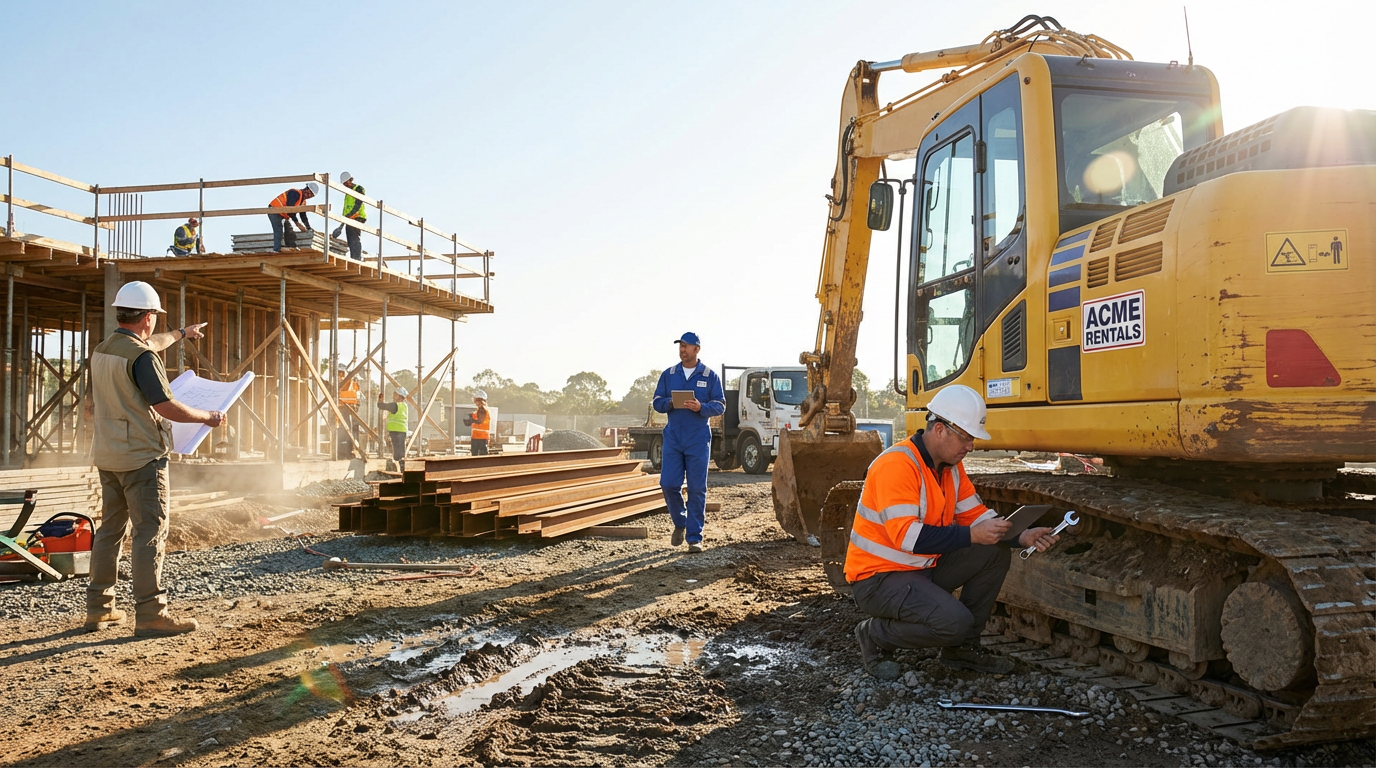
While workers’ comp explained provides a vital safety net, it often fails to cover the full scope of your financial and emotional losses. A third party claim allows you to seek additional damages, such as pain and suffering or full wage replacement, by holding a negligent outside entity accountable. These claims do not replace your standard benefits but rather supplement them when someone other than your employer is at fault. Identifying these opportunities requires looking closely at the specific circumstances surrounding your accident. If a person or company outside of your direct employment contributed to your injury, you may have a pathway to much higher compensation.
Common scenarios for these claims often involve subcontractors or independent vendors working on the same job site. For example, if a separate electrical contractor leaves live wires exposed or a scaffolding company fails to secure a platform, they can be held liable for resulting injuries. Similarly, if you are required to drive for work and are hit by a distracted or intoxicated motorist, that driver is a third party subject to a personal injury lawsuit. These situations shift the focus from a no-fault system to a fault-based one where the negligent party must pay for their mistakes. Proving this negligence can significantly increase the total recovery available to an injured worker.
Defective equipment and machinery represent another frequent source of third party liability in the workplace. When a tool malfunctions or a safety guard fails due to a design flaw, the manufacturer or distributor may be responsible for the harm caused. Maintenance companies that fail to properly service industrial equipment can also be named in a lawsuit if their oversight leads to a catastrophic failure. By pursuing these entities, you can access damages that workers compensation specifically excludes, such as compensation for emotional distress or punitive damages. Understanding these distinctions ensures you are not leaving money on the table during your recovery process.
Recovering Damages For Pain And Suffering
While workers compensation provides a vital safety net for medical bills and basic disability, it excludes compensation for the human cost of an accident. Pursuing a third party claim allows you to bridge this financial gap by seeking damages for physical pain and emotional distress. These non economic damages account for the loss of enjoyment of life, chronic discomfort, and the mental trauma that often follows a serious workplace injury. By holding a negligent manufacturer or outside contractor accountable, you can secure the funds necessary to address the psychological impact of your ordeal.
Unlike the rigid formulas used in no fault workers compensation systems, third party claims allow for a much broader scope of recovery. You are not limited to a percentage of your lost wages, but can instead pursue the full value of your past and future earnings. In cases involving extreme negligence, such as a driver under the influence or a company that knowingly sold a defective product, you may even be eligible for punitive damages. These specific awards are intended to punish the wrongdoer and prevent similar conduct from harming other workers in the future.
The ability to recover for pain and suffering transforms a standard injury case into a comprehensive path toward true restoration. These claims require proof of negligence, meaning you must demonstrate that the third party failed in their duty to keep you safe. Because these lawsuits are handled in civil court rather than through administrative boards, the potential for a higher settlement or jury award is significantly increased. This additional compensation ensures that every aspect of your suffering, from sleepless nights to the inability to participate in hobbies, is validated and compensated.
Navigating Subrogation Liens And Settlement Requirements

When you pursue a third-party claim against a negligent driver or a faulty equipment manufacturer, you open the door to compensation that workers compensation simply does not provide. While your employer’s insurance covers medical bills and a portion of your wages, a third-party lawsuit allows you to seek damages for pain, suffering, and full loss of earning capacity. This dual approach ensures you are not limited by the caps of the no-fault system when someone else is truly responsible for your injuries. It bridges the financial gap that often remains after a serious workplace accident by holding the negligent party accountable for the full scope of your losses.
Successfully winning a settlement from a third party triggers a legal process known as subrogation, where the workers compensation carrier seeks reimbursement for benefits they have already paid. Because you cannot collect twice for the same medical expenses or lost wages, the insurance company typically places subrogation liens on your settlement proceeds. Navigating these liens requires careful negotiation to ensure that you retain the maximum amount of your recovery for your future needs. An experienced legal team can often reduce these lien amounts, ensuring that the reimbursement process does not overshadow the financial relief you worked hard to secure.
The intersection of insurance liens and personal injury settlements can be complex, but understanding the lawyer fees and requirements is essential for a lawful recovery. You must satisfy the statutory obligations of the workers compensation carrier before the remaining settlement funds are distributed to you. This process involves a detailed accounting of all benefits paid out since the date of your injury, including surgical costs and ongoing rehabilitation. By addressing these subrogation interests early in the litigation process, you can avoid unexpected delays and move forward with the full financial support needed for your long-term recovery.
Maximizing Recovery Through Third Party Claims
While workers compensation provides a vital safety net, it rarely covers the full scope of your financial and emotional losses following a serious jobsite accident. Pursuing a third party work claim allows you to bridge this gap by holding negligent manufacturers, contractors, or outside drivers accountable for their actions. Unlike standard benefits, these claims can secure compensation for non economic damages such as pain and suffering and emotional distress. By exploring every available avenue for recovery, you ensure that your family is protected from the long term financial strain that often follows a catastrophic injury.
Timing is a critical factor in the success of any legal action involving an outside party. Evidence can disappear and witness memories often fade, making it essential to investigate the circumstances of your injury as soon as possible. Because these lawsuits are fault based, you must be prepared to prove that a third party breached their duty of care to you. Taking swift action not only preserves your right to sue but also provides the leverage needed to negotiate a more comprehensive recovery. A proactive approach is the best way to secure the additional resources necessary for your long term well being.
Navigating the complexities of multiple legal claims can feel overwhelming, especially when you are focused on your physical recovery. Understanding how these various components interact is the first step toward maximizing your total compensation package. To ensure you are receiving everything you deserve, check if your settlement offer fair to compare your options. Taking the time to evaluate your settlement offer alongside a potential third party claim can significantly transform your financial outlook for the future.
Frequently Asked Questions
1. What is a third party work claim?
A third party work claim is a personal injury lawsuit filed against an outside individual or entity, other than your employer, whose negligence caused your workplace injury. While workers’ compensation covers basic needs regardless of fault, these claims allow you to hold specific parties like manufacturers or subcontractors accountable for their actions.
2. How does a third party claim differ from workers’ compensation?
Workers’ compensation is a no-fault system that provides guaranteed medical care and partial wages but limits your ability to sue your employer. In contrast, a third party claim requires you to prove negligence but allows you to pursue much higher compensation for damages not covered by standard insurance.
3. What types of damages can I recover in a third party lawsuit?
Through a third party claim, you can pursue compensation for full wage replacement, emotional distress, and pain and suffering. These categories of damages are typically unavailable through workers’ compensation, which only handles basic medical bills and a portion of your lost income.
4. Who can be held liable in a third party work claim?
Liability can extend to any outside party involved in your accident, such as a negligent driver, the manufacturer of a faulty piece of equipment, or a careless subcontractor working on the same site. Identifying these entities is essential for securing the full financial recovery you deserve.
5. Can I file a third party claim and a workers’ compensation claim at the same time?
Yes, you can pursue both a workers’ compensation claim and a third party lawsuit simultaneously. This dual approach ensures you receive immediate benefits for medical bills while also seeking the full scope of your losses from the party actually responsible for the incident.
6. Why is it important to distinguish between these two legal avenues?
Understanding the distinction ensures you do not leave thousands of dollars on the table during your recovery. By recognizing when an outside party is at fault, you can bridge the gap between basic survival and a true financial recovery that covers all your long-term needs.