
Understanding hearing aid coverage rules can feel like solving a puzzle with missing pieces. While these devices are essential for maintaining cognitive health and social connection, many adults find that traditional insurance often treats them as elective rather than necessary. Recent legislative shifts and federal updates have started to bridge this gap, but understanding exactly what a plan covers remains a critical first step in managing hearing health.
Whether enrolled in a federal program or carrying private insurance, location and age play a decisive role in out-of-pocket costs. Standard Medicare policies often exclude hearing aids entirely, yet certain supplemental plans and diagnostic exceptions offer options for those seeking financial assistance. By identifying the specific requirements of a policy, individuals can move past confusion and secure the technology needed to stay engaged with the world.
Key Takeaways
- Occupational hearing loss claims through workers compensation typically require employers to cover the full cost of hearing aids, maintenance, and batteries with no out-of-pocket expense to the employee.
- Securing employer-funded hearing technology depends on establishing a clear medical link between the auditory damage and specific workplace noise levels through consistent audiometric testing and early reporting.
- Standard Medicare and private insurance policies often classify hearing aids as elective or supplemental, making workers compensation or state industrial insurance a more robust path for those in high-noise industries like aviation and construction.
- Federal regulations under OSHA and the Longshore Act mandate that employers provide hearing conservation programs and corrective medical devices for workers who suffer a standard threshold shift in hearing due to professional duties.
Workers Compensation And Occupational Hearing Loss Rules
When hearing loss occurs as a direct consequence of a noisy work environment, workers compensation laws generally require employers to shoulder the financial burden of medical treatment. This coverage typically extends beyond the initial diagnostic testing to include the total cost of hearing aids, replacement batteries, and necessary maintenance. For professionals in high impact industries like aviation, construction, or manufacturing, these benefits are essential for maintaining both job performance and quality of life. Unlike standard private insurance which often has high deductibles, workers compensation is designed to restore the employee to their pre injury functional status without out of pocket expenses.
The claims process requires clear documentation that links auditory damage to specific workplace conditions or a singular traumatic event. Employers and their insurance carriers are often mandated to pay for comprehensive evaluations performed by licensed audiologists to determine the extent of the impairment. Once a claim is approved, the coverage rules usually ensure that the worker receives high quality devices suited for their specific level of loss. Reporting symptoms early is vital, as delayed filing can sometimes complicate the process of proving that the hearing damage was truly occupational rather than age related.
The legal framework surrounding these benefits ensures that those who have sacrificed their hearing for their careers are not left to manage expensive medical bills alone. Most jurisdictions follow strict guidelines that compel the employer to provide the devices and the professional fitting services required for the technology to work effectively. Periodic hearing assessments are also frequently covered to monitor the progression of the condition and adjust the hearing aids as needed. By understanding these specific occupational rules, workers can pursue the medical support they deserve to stay safe and productive on the job.
Federal OSHA Regulations For Employer Responsibility

Under the Occupational Safety and Health Administration (OSHA) standards, employers in high noise industries like construction and aviation are required to implement hearing conservation programs. When noise levels reach an 8 hour time weighted average of 85 decibels, the company must provide baseline and annual audiometric testing to monitor for hearing loss. If these tests reveal a standard threshold shift, the employer is generally responsible for providing appropriate hearing protection and specialized equipment at no cost to the worker. This federal mandate ensures that employees are not financially burdened by the safety requirements necessary to perform their jobs in hazardous environments.
While OSHA regulations primarily focus on prevention through earplugs and muffs, the responsibility for medical equipment becomes more complex when occupational hearing loss is documented. If an injury is determined to be work related, federal guidelines and associated workers compensation frameworks often require the employer to cover the costs of corrective medical devices. This is particularly relevant for older workers who have spent decades in industrial roles and are now facing significant auditory impairment. These rules require the employer to maintain a safe environment and mitigate any damage caused by excessive on the job noise exposure.
The specific obligation for a company to pay for hearing aids often hinges on whether the device is considered protective equipment or a medical necessity resulting from workplace negligence. OSHA requires that all necessary personal protective equipment be provided by the employer, which includes specialized communication headsets for noisy flight lines or construction sites. For workers who have already suffered permanent damage, these federal standards serve as a foundation for securing employer funded medical support. Understanding these mandates helps employees advocate for their rights to a healthy work environment and ensures that the financial weight of occupational injuries falls on the business rather than the individual.
Private Insurance Versus State Industrial Insurance Mandates
Private health insurance plans through an employer often treat hearing aids as an elective or supplemental benefit rather than a core medical necessity. While some states have passed mandates requiring private insurers to cover a portion of the cost, many policies still include high deductibles or limited benefit caps that only reset every three to five years. For workers in high noise environments, these traditional plans may not fully account for the progressive nature of occupational hearing loss. Consequently, employees often find themselves responsible for significant out of pocket expenses for the high quality devices needed to remain functional on a loud job site.
State industrial insurance funds and workers compensation systems operate under a different set of rules designed specifically for workplace injuries. In sectors like construction and aviation, where noise exposure is a constant hazard, these funds often provide more robust coverage if the hearing loss is proven to be work related. Unlike private insurance that may only offer a fixed dollar amount, industrial insurance is often structured to cover the full cost of medical equipment necessary to return an employee to work. This can include specialized hearing aids with noise cancellation features that are essential for safety in hangars or on active construction zones.
Determining which entity is responsible for medical equipment depends largely on the origin of the condition and specific state laws. If hearing loss is a direct result of long term exposure to heavy machinery or jet engines, the industrial insurance claim process may offer more comprehensive financial support than a standard private health plan. It is vital to document noise levels and undergo regular audiometric testing to establish a clear link between the occupation and hearing health. Navigating these differing sets of rules ensures that workers receive the maximum benefits available to preserve their livelihood and communication abilities.
Filing Claims Under Maritime And Federal Employee Rules
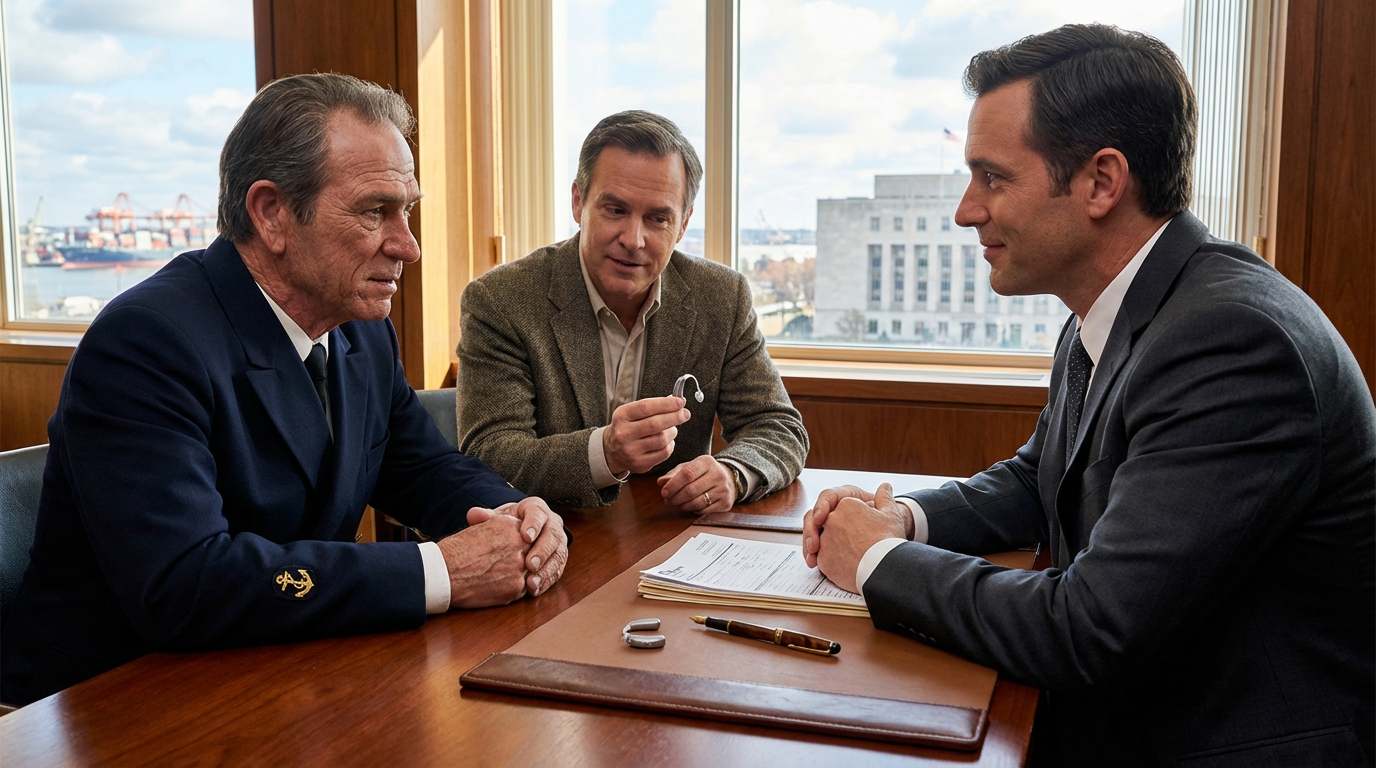
For workers covered under the Longshore Act, securing hearing aid coverage requires demonstrating that hearing loss occurred during the course of maritime employment. These rules provide a specific framework for dock workers, shipbuilders, and harbor laborers to seek compensation for medical equipment necessitated by high-decibel work environments. Because maritime environments often involve heavy machinery and constant engine noise, the claims process focuses heavily on occupational exposure and professional audiometric testing. Documenting the duration of noise exposure is essential when filing for benefits to ensure the employer or insurance carrier covers the full cost of the devices.
Federal employees and aviation staff operate under distinct jurisdictional guidelines that often provide more robust hearing health benefits than standard private insurance. The Federal Employees’ Compensation Act and specific aviation industry regulations allow workers to file claims for hearing aids if the impairment is linked to professional duties. These claims typically require a formal diagnosis from an approved specialist to verify that the hearing loss is a direct result of the workplace environment. Navigating these federal rules ensures that those in high-risk sectors, such as air traffic control or federal construction, do not have to pay out of pocket for necessary medical technology.
The success of a claim under these specialized rules often hinges on the timing of the filing and the accuracy of the initial medical evaluation. Workers should be aware that there are often strict statutes of limitations regarding when a claim for occupational hearing loss must be submitted. It is vital to maintain thorough records of employment history and any previous hearing tests to establish a clear baseline of auditory health. By following the specific requirements of federal or maritime law, eligible employees can effectively secure the financial support needed for high-quality hearing aids and ongoing audiological care.
Navigating Employer-Funded Hearing Aid Coverage
Securing employer-funded hearing aids requires a proactive approach to verifying eligibility and understanding specific company obligations. For those in high-noise environments like construction or aviation, the first step should be a thorough review of the employment contract and the company’s workers compensation policies. It is necessary to determine if the hearing loss meets the clinical threshold for an occupational injury claim under state guidelines. Many workers find that while standard insurance is limited, employer liability for industrial deafness often mandates full coverage for medical devices. Speaking with a benefits coordinator can clarify whether equipment costs will be covered directly or through a structured settlement.
Maintaining a detailed record of workplace noise levels and safety violations is a critical factor in proving a claim for hearing aid coverage. Document the specific machinery used, the duration of daily exposure, and whether the company provided adequate hearing protection. Consistent audiometric testing results are essential for establishing a clear link between the professional environment and auditory decline. Without this evidence, employers may attempt to attribute hearing loss to natural aging rather than occupational hazards. These records serve as strong leverage when negotiating for the high-quality medical equipment needed to continue working safely.
The complexities of a claim can be overwhelming when balancing recovery with professional responsibilities. Understanding legal rights is the first step toward ensuring the receipt of maximum benefits allowed for occupational hearing loss. If there is concern that an employer or insurer is underestimating the impact of an injury, action should be taken to protect the future. To learn more about evaluating a specific situation, read our comprehensive guide on Is Your Workers Compensation Settlement Offer Fair? (2025 Guide) to discover how professional assistance can help secure the coverage you deserve.
Frequently Asked Questions
1. Does traditional Medicare pay for my hearing aids?
Standard Medicare policies generally exclude coverage for hearing aids and the exams required for fitting them. Medicare Advantage or supplemental plans may offer specific benefits that provide financial assistance for these devices.
2. How does workers compensation handle hearing loss claims?
If hearing loss is a direct result of the work environment, workers compensation laws typically require the employer to cover the full cost of hearing aids. This coverage often includes additional expenses like replacement batteries and ongoing maintenance to restore functional status.
3. What documentation is required for an occupational hearing loss claim?
Clear medical documentation must be provided that links auditory damage to specific workplace conditions or a traumatic event. Establishing this direct connection is the critical first step in ensuring the employer or insurance carrier approves the claim.
4. Why does my private insurance treat hearing aids as elective?
Many private insurance companies categorize hearing aids as elective because they do not view them as a basic medical necessity. Specific out of pocket costs depend on age, geographic location, and the legislative requirements of the state.
5. Are diagnostic hearing tests covered by insurance?
Most insurance plans, including Medicare, cover diagnostic hearing exams if they are ordered by a physician to treat a medical condition. While the test itself is often covered, the actual purchase of a hearing aid usually requires a separate benefit or supplemental policy.
6. Can I get help with the maintenance costs of my hearing aids?
Maintenance and battery replacements are typically covered under workers compensation if the injury occurred on the job. For those with private insurance, review policy details as these recurring costs are rarely included in standard plans.