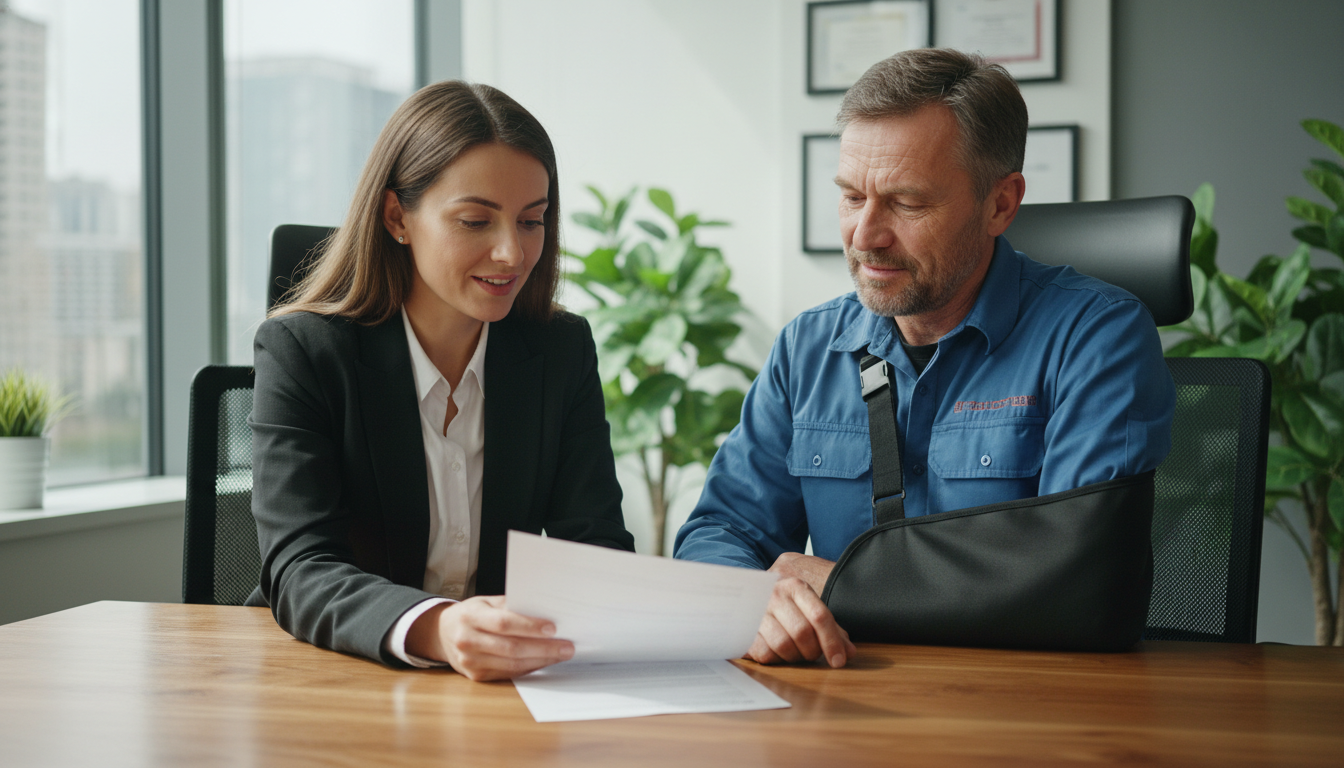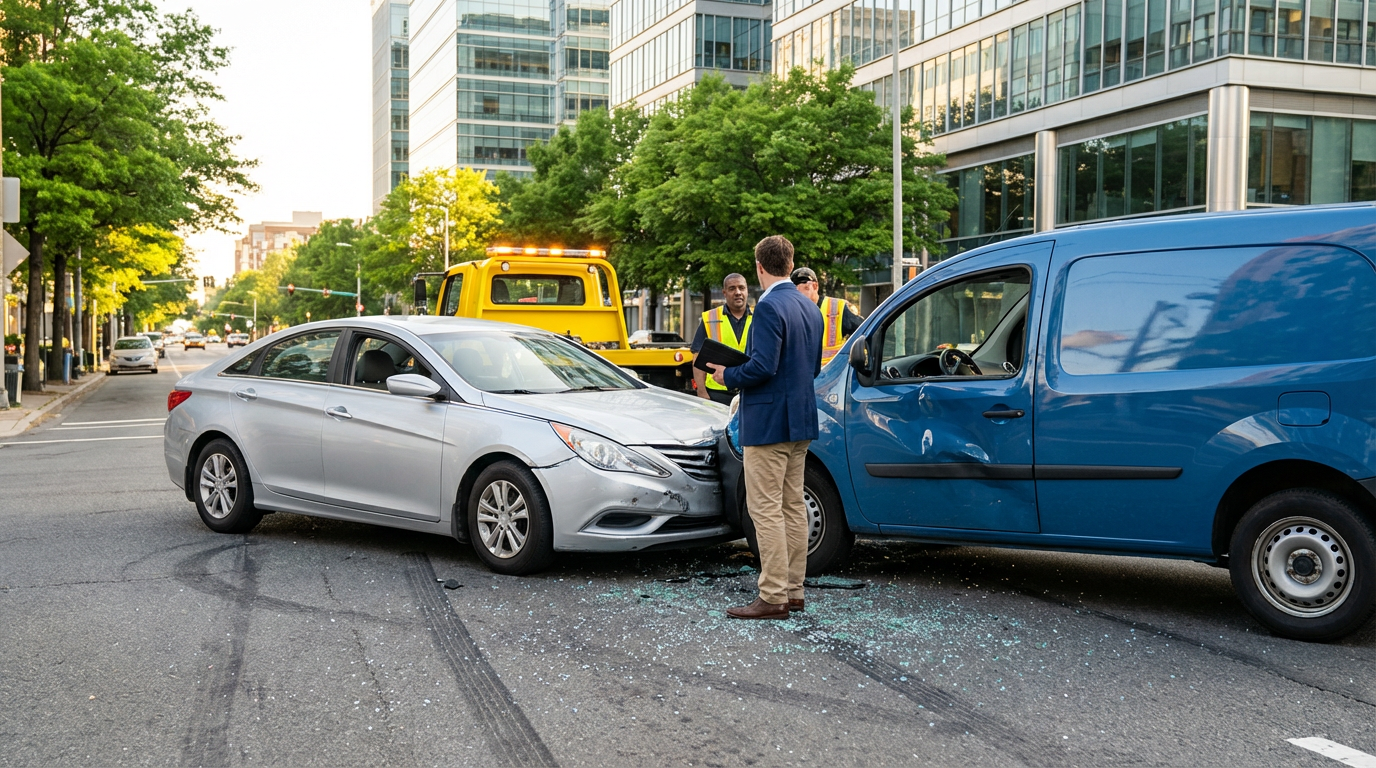
In an instant, a single mistake can lead to a devastating financial burden that threatens personal savings or business stability. Whether it is a momentary distraction behind the wheel or a neglected spill on a shop floor, individuals are legally responsible for the harm caused to others. Understanding real-world third party liability examples is the first step in recognizing how bodily injury and property damage claims arise from everyday activities.
With over 6 million police-reported traffic crashes occurring annually in the U.S. alone, the risk of facing a lawsuit is a statistical reality. Third-party liability insurance acts as a critical safety net, covering medical expenses and repair costs when actions result in a loss for someone else. Managing these risks requires a clear grasp of where personal responsibility ends and where protection begins.
Key Takeaways
- Third-party liability claims provide a critical path to maximizing compensation because they allow injured parties to seek damages for pain, suffering, and long-term financial loss that standard workers’ compensation does not cover.
- Pursuing a multi-front legal strategy involving negligent subcontractors, maintenance providers, or property owners often grants access to higher insurance policy limits than those available through a single employer.
- Product liability claims against manufacturers and distributors are essential for recovery when industrial machinery or commercial vehicle components fail due to design flaws or inadequate safety warnings.
- Identifying every external entity involved in an accident—from cargo loading crews to security firms—is the most effective way to ensure all responsible parties contribute to a comprehensive financial settlement.
Construction Site Accidents Involving Negligent Subcontractors
While workers’ compensation provides a safety net for medical bills and lost wages, it often fails to cover the full extent of pain, suffering, and long-term financial loss. Identifying third-party liability is a critical strategy for injured workers who want to maximize their settlement value by looking beyond their direct employer. On a busy construction site, multiple entities coexist, including independent negligent subcontractors and specialized vendors who owe a duty of care to everyone on the premises. If an outside contractor fails to secure a scaffolding unit or neglects to mark a hazardous area, they can be held legally responsible for the resulting injuries. This multi-front approach allows for a personal injury lawsuit against the negligent party while still receiving standard employment benefits.
Mechanical failures and defective equipment represent another significant avenue for increasing the total value of a legal claim. When a crane collapses or a power tool malfunctions due to a design flaw, the manufacturer or the third-party maintenance company may be liable for the damages. These entities operate outside the immunity typically granted to employers under workers’ compensation laws, meaning they are subject to full liability for their negligence. By investigating the maintenance logs and manufacturing history of the equipment involved, legal professionals can pinpoint specific safety violations that led to the accident. Holding these outside manufacturers accountable ensures that the financial burden of recovery is placed on the entities truly responsible for the equipment’s failure.
Strategic litigation in construction accidents often involves a thorough analysis of every vendor and subcontractor present at the time of the incident. For example, if a separate electrical contractor leaves live wires exposed or a delivery company operates a vehicle recklessly on-site, they become primary targets for a third-party claim. These cases are particularly valuable because they often involve higher insurance policy limits than what is available through a standard workplace policy. By broadening the scope of a claim to include these negligent outside parties, claimants can seek comprehensive compensation that accounts for future earning capacity and emotional distress. This strategy ensures that every detail is examined to secure the financial resources necessary for a full recovery.
Commercial Vehicle Collisions and Fleet Maintenance Liability
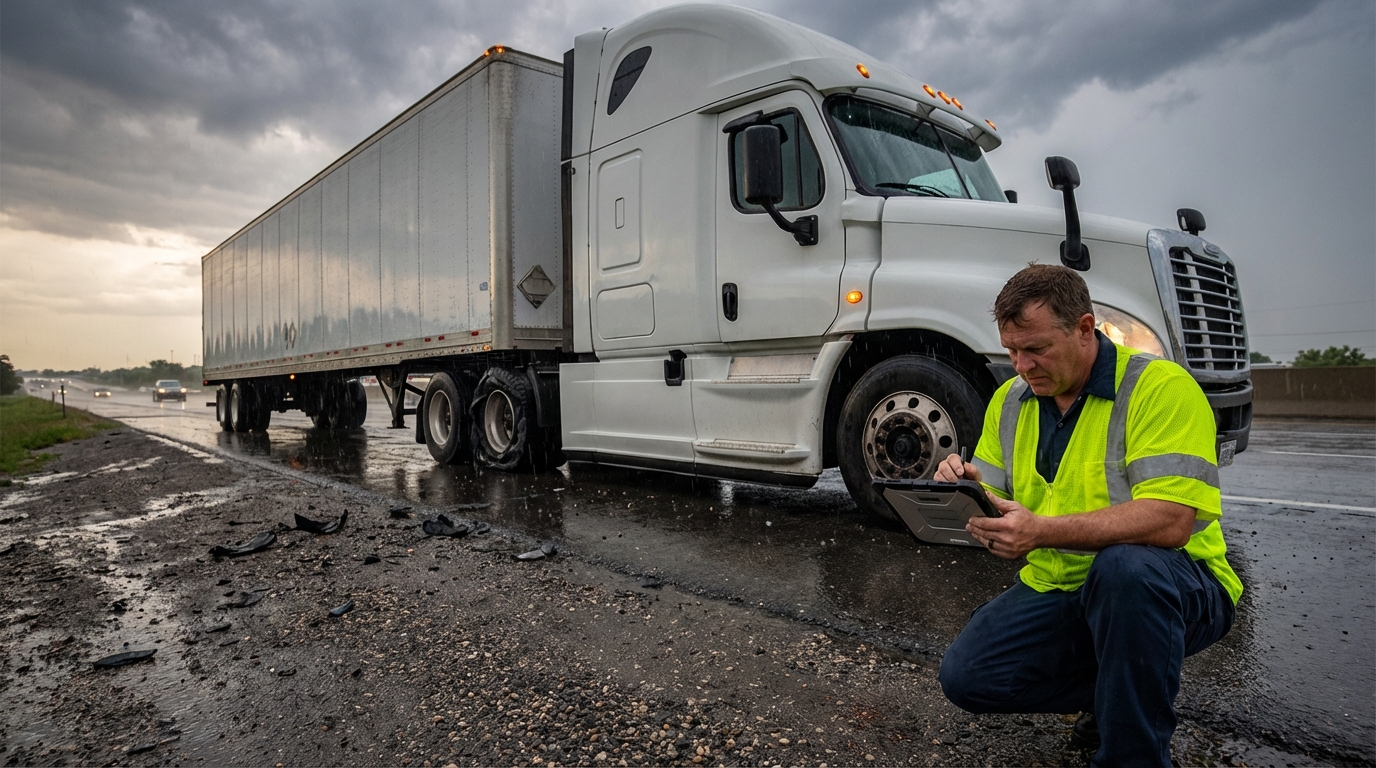
When a commercial vehicle collision occurs, many victims mistakenly believe their only recourse is a claim against the driver or the driver’s employer. However, identifying third-party liability can significantly increase the total settlement value by opening up additional avenues for compensation. For instance, if a crash was caused by a mechanical failure like a tire blowout or brake malfunction, a third-party maintenance provider may be held responsible. These outside contractors are often tasked with ensuring fleet safety, and their failure to perform adequate inspections provides a strategic opportunity for a multi-front legal claim.
Improperly secured cargo is another frequent catalyst for devastating highway accidents that involves external entities. Shipping companies or independent loading crews are often responsible for balancing and securing freight before a truck begins its journey. If a load shifts and causes a rollover or falls onto the roadway, these third parties can be sued for their negligence in following safety protocols. By targeting the entities that actually handled the cargo, claimants can often access higher insurance policy limits that are separate from the trucking company’s primary coverage.
Pursuing these secondary parties is a vital strategy for anyone looking to maximize recovery after a serious accident. Beyond maintenance shops and loaders, vehicle manufacturers can also be held liable if a defective component contributed to the severity of the crash. Investigating the entire supply chain of the commercial vehicle allows for a more comprehensive legal strategy that addresses every contributing factor. This approach ensures that all negligent parties contribute to the final settlement, providing the financial resources necessary for long-term medical care and lost wages.
Dangerous Property Conditions and Premises Liability Examples
When an injury occurs on a job site or at a commercial property, many victims assume their only recourse is a workers compensation claim or a direct suit against their employer. However, identifying a third party who shares responsibility can significantly increase the total value of a settlement. Premises liability often applies when a property owner or management company fails to maintain safe conditions for visitors and contractors. If a worker falls due to a rotted staircase or a crumbling walkway owned by a separate entity, that owner can be held liable for damages that exceed standard workplace benefits. This multi-front strategy allows claimants to pursue maximizing your slip and fall settlement for pain, suffering, and long term disability.
Negligent security is another critical area where third party liability can provide a path to a higher settlement. If a visitor or employee is assaulted or harmed in a parking garage or office complex with inadequate lighting or broken locks, the security firm or property manager may be legally responsible. These entities have a duty to implement reasonable safety measures to protect individuals from foreseeable criminal acts. By proving that the property was dangerously under-secured, victims can move beyond the limitations of insurance caps tied to a single employer. This approach ensures that every negligent party contributes to the financial recovery of the injured person.
Structural hazards like faulty wiring, poorly maintained elevators, or toxic leaks frequently point toward third party negligence rather than simple workplace accidents. When a building owner ignores building codes or skips necessary inspections, they create a high risk environment for anyone entering the premises. Injuries resulting from these hidden dangers often lead to complex litigation involving multiple defendants, such as maintenance contractors or independent inspectors. Pursuing these additional avenues is essential for maximizing the recovery amount to cover extensive medical bills and lost earning capacity. Identifying these external contributors is the most effective way to build a comprehensive and high value legal claim.
Product Liability Claims for Defective Industrial Machinery
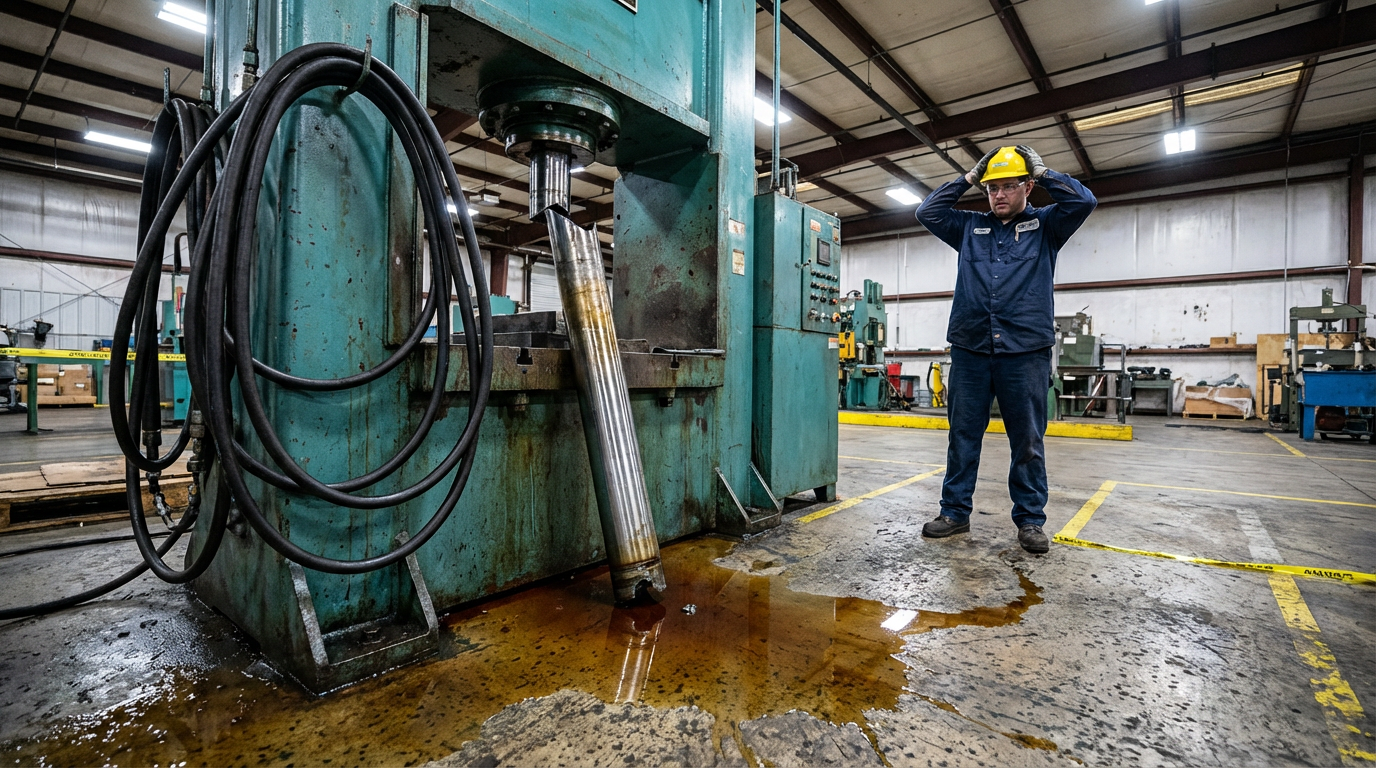
When a worker is injured by heavy machinery, they often assume that workers compensation is their only avenue for financial recovery. However, industrial accidents frequently involve third-party liability if the equipment itself was inherently dangerous or poorly designed. If a machine lacks essential safety guards or fails to include visible warning labels, the manufacturer or distributor may be held legally responsible for the resulting injuries. By identifying these external entities, claimants can often pursue a multi-front legal strategy that exceeds the limited benefits provided by standard employer insurance. This approach allows victims to seek full compensation for pain, suffering, and long term disability that workers compensation typically does not cover.
The complexity of modern industrial equipment means that several different companies may be liable for a single mechanical failure. For instance, the designer of a hydraulic press might be sued for a structural flaw, while a separate distributor could be liable for failing to provide updated safety manuals. Product liability claims are particularly effective when a piece of machinery is found to have a marketing defect, such as inadequate instructions regarding its safe operation. Investigating the entire supply chain helps claimants pinpoint exactly where the safety protocol broke down. This thorough vetting process is essential for maximizing the total settlement value of a workplace injury case.
Pursuing a product liability claim against a third party requires a detailed analysis of the equipment’s history and safety standards. Legal teams often look for evidence that a manufacturer prioritized cost savings over necessary safety features, such as emergency shut-off switches or protective barriers. When these defects are proven, the injured party can hold the negligent company accountable for the specific harm caused by their faulty product. This strategy not only provides a larger financial safety net for the victim but also holds negligent manufacturers to higher safety standards for the future. Understanding these third-party options is a critical step for any worker looking to secure their financial future after a catastrophic equipment failure.
Maximizing Compensation Through Third-Party Liability Claims
Identifying third party liability examples is a critical step for any claimant who wants to move beyond the limitations of a standard workers compensation claim. While workers comp provides essential benefits, it often fails to cover the full extent of pain, suffering, and long term financial loss. By pinpointing negligent manufacturers, reckless drivers, or irresponsible property owners, you can open the door to a personal injury lawsuit that runs parallel to your existing claim. This multi-front legal strategy ensures that every entity responsible for your injury is held accountable. Expanding focus to include these additional parties is the most effective way to maximize the total value of your recovery.
A comprehensive approach to your case requires looking at the big picture of how different legal paths intersect and affect your final payout. Relying solely on one source of recovery can leave significant money on the table, especially when dealing with complex workplace accidents or automotive collisions. Understanding these liability examples helps you determine if you have the best options available for a high value settlement. Every additional avenue of compensation brings you closer to being made whole and securing your family’s financial future. This strategic perspective turns a routine claim into a robust legal pursuit that accounts for every dollar you are owed.
As you evaluate the potential for a third party claim, it is equally important to ensure that your primary benefits are being handled correctly. Determining the true worth of your case is the foundation of a successful legal strategy, as it sets the benchmark for all negotiations. To ensure you are not being undervalued by insurance companies, you should learn more about lawyer fees and how to evaluate your current situation. Discover how professional legal resources can help you assess your case by reviewing our Workers’ Comp for Truck Drivers guide, Is Your Workers Compensation Settlement Offer Fair? (2025 Guide). Taking this step will give you the clarity needed to pursue a multi-front strategy with total confidence.
Frequently Asked Questions
1. What exactly is third party liability?
Third party liability is your legal responsibility for injury or property damage caused to another person who is not part of your immediate contract or employment. It acts as a financial safety net that covers medical expenses and repair costs when your actions result in a loss for someone else.
2. Can I sue a third party if I am already receiving workers’ compensation?
Yes, you can pursue a personal injury lawsuit against a negligent third party while still receiving your standard employment benefits. While workers’ compensation covers medical bills and lost wages, a third party claim allows you to seek additional compensation for pain, suffering, and long-term financial loss.
3. What are common examples of third party liability on construction sites?
Common examples include independent subcontractors who fail to secure scaffolding or specialized vendors who neglect to mark hazardous areas. If an outside party’s negligence leads to your injury, they can be held legally responsible for the resulting damages.
4. How do equipment failures factor into third party claims?
When a crane collapses or a power tool malfunctions due to a manufacturing flaw, the equipment manufacturer may be held liable for your injuries. These product liability claims are a significant avenue for increasing the total value of your legal settlement beyond basic insurance coverage.
5. Why is third party liability insurance necessary for drivers?
With over 6 million traffic crashes occurring annually in the U.S., the risk of a lawsuit is a statistical reality. This insurance protects your personal savings and business stability by paying for the harm you cause to others during a momentary distraction or accident.
6. Who is considered a ‘third party’ in a legal claim?
A third party is any individual or entity other than you or your employer, such as a negligent driver, a property owner, or a product manufacturer. Identifying these parties is a critical strategy for maximizing your settlement value after an accident.