
When you visit a doctor, you place your life in the hands of a professional you trust to be meticulous and accurate. However, recent federal reports reveal a sobering reality: medical errors have surged to become the third leading cause of death in the United States. Understanding the most common medical provider mistakes is a vital step in protecting yourself from preventable harm in an increasingly complex healthcare system.
The scale of this crisis is staggering, with some estimates citing over 200,000 preventable deaths annually. Recent data highlights that diagnostic failures, particularly regarding vascular events and infections, account for the vast majority of serious patient injuries. By identifying where the system most frequently fails, patients and their families can better advocate for the precise care and accountability they deserve.
Key Takeaways
- Medical errors are the third leading cause of death in the United States, with diagnostic failures involving vascular events, infections, and cancers accounting for nearly 800,000 cases of permanent disability or death annually.
- Systemic breakdowns in medication safety, such as failing to screen for drug interactions or neglecting the ‘five rights’ of administration, frequently lead to toxic overdoses and life-threatening complications.
- Surgical ‘never events’ and retained foreign objects remain significant risks that occur when providers bypass established safety protocols and pre-operative verification steps.
- Communication gaps during patient handoffs and the failure to act on critical lab results create fragmented care that can turn treatable conditions into fatal events.
The Big Three Life Threatening Diagnostic Failures
Diagnostic errors are significant issues, as recent federal data indicates that nearly 800,000 cases of permanent disability or death occur annually due to provider negligence. The most frequent failures involve vascular events, where clinicians often dismiss the warning signs of a stroke or heart attack as minor ailments. When a doctor fails to recognize the neurological deficits of a stroke or the atypical presentation of a myocardial infarction, the window for life saving intervention closes permanently. These mistakes often stem from a rush to judgment or a failure to order the necessary diagnostic imaging that would have revealed a life threatening blockage.
Infections and cancers represent the remaining pillars of these catastrophic diagnostic failures, often leading to avoidable sepsis or terminal disease progression. Sepsis is frequently missed in its early stages because providers overlook subtle changes in vital signs or fail to follow standardized screening protocols. Similarly, a physician might ignore a patient’s persistent complaints about a growing mass or unusual symptoms, delaying a cancer diagnosis until the disease has reached an untreatable stage. These oversights are significant breaches in the standard of care that leave patients facing lifelong consequences.
If you are currently questioning the accuracy of your medical reports or feel your provider has ignored your worsening symptoms, you are likely witnessing a systemic failure in your treatment plan. Many patients find that their concerns are minimized by clinicians who rely on outdated assumptions rather than comprehensive testing. Missing a critical diagnosis in these categories is a profound error that often warrants a thorough review of medical records by an outside expert. Recognizing these patterns of neglect is the first step toward holding a provider accountable for the permanent harm caused through a lack of diligence.
Dangerous Medication Errors From Prescription To Administration

Medication errors represent a severe breakdown in the standard of care, often occurring long before a patient receives a dose. These systemic failures frequently begin with prescribing mistakes, such as a doctor failing to screen for dangerous drug interactions or ignoring a patient’s documented allergy history. When a provider overlooks how a new medication might react with a patient’s existing regimen, the results can be catastrophic. Furthermore, dosing errors involving incorrect decimal points or units of measurement can lead to toxic overdoses that cause permanent organ damage. If you have suffered an unexpected reaction, it may be a sign of clinical negligence rather than a standard side effect.
The danger continues during the administration phase, where nursing staff or clinicians may fail to follow the five rights of medication safety. This includes verifying the right patient, drug, dose, route, and time, a process that is often rushed in understaffed medical environments. Improper administration techniques, such as injecting a medication into a vein instead of a muscle, can lead to immediate systemic shock or localized tissue death. Many patients find that their worsening symptoms were caused by these preventable mishaps rather than their original illness. Such errors are often hidden within complex medical charts, requiring a close look at the timeline of your treatment to uncover the truth.
In many cases, these errors are the result of a provider’s failure to communicate or cross-reference electronic health records accurately. When a physician ignores automated alerts regarding high-risk medications, they are bypassing critical safeguards designed to protect the patient. These oversights are particularly common with high-alert medications like anticoagulants, insulin, and opioids, which require precise monitoring to avoid life-threatening complications. If your condition deteriorated shortly after a change in your prescription or an inpatient treatment, it is essential to question whether a provider’s lack of diligence played a role. Recognizing these patterns of negligence is the first step in holding accountable those who prioritize speed over patient safety.
Surgical Complications And Preventable Procedural Errors
Surgical interventions require a high degree of precision, yet technical mishaps remain a leading cause of preventable patient harm. When surgeons fail to follow established safety protocols, the results can be catastrophic for the patient and their family. These errors often include wrong-site surgeries, where a procedure is performed on the incorrect limb or organ, or even performing the wrong procedure entirely. Such mistakes are frequently classified as never events because they are preventable through standard pre-operative verification. If you have experienced a decline in health following a procedure, these procedural failures may be the underlying cause of your complications.
Retained foreign objects represent another severe category of surgical negligence that can lead to long-term disability or life-threatening infections. Items such as surgical sponges, needles, or fragments of medical instruments are sometimes left inside a patient’s body cavity after the incision is closed. These objects can cause internal damage, chronic pain, and sepsis, often requiring additional emergency surgeries to correct the initial provider mistake. Patients who suffer from these errors often find that their original symptoms are overshadowed by new, debilitating complications. Documenting these incidents is crucial for those seeking to challenge a medical report or hold a negligent facility accountable for substandard care.
Communication Breakdowns During Patient Handoffs And Follow Up
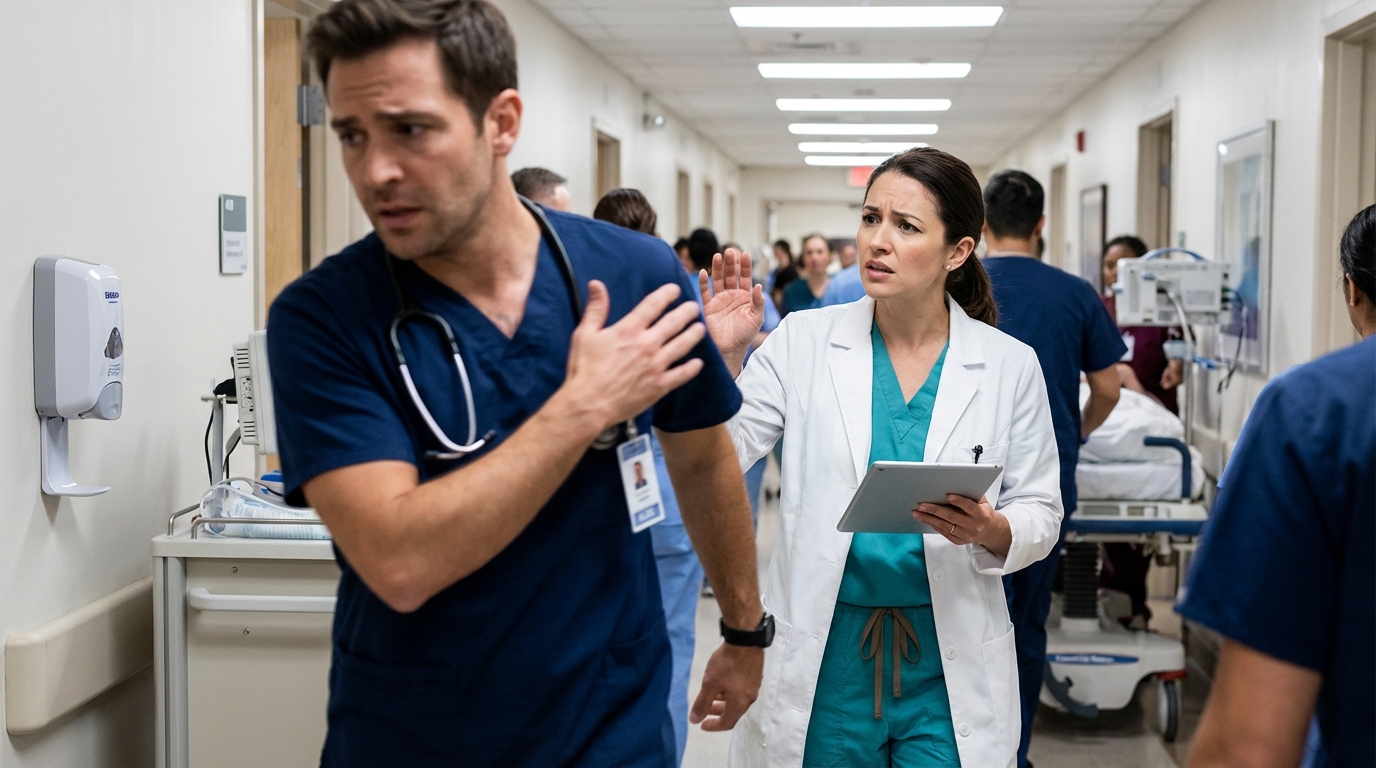
Patient handoffs represent one of the most dangerous intervals in the healthcare process, as critical information often vanishes when a patient moves between departments or specialists. When a primary care physician fails to provide a comprehensive summary to a specialist, or a surgeon neglects to document specific post-operative risks, the patient suffers the consequences. These gaps in documentation frequently lead to fragmented care where no single provider has a complete picture of the patient’s deteriorating condition. Recent data suggests that these systemic failures contribute significantly to the high rate of preventable medical errors in the United States. If you feel your concerns were ignored during a transition of care, it may be a sign of professional negligence.
The failure to act on critical test results is another devastating consequence of inadequate follow up procedures within modern medical practices. Far too often, life-altering diagnoses like sepsis or internal hemorrhaging are missed because a lab report sat unread or was never properly uploaded to an electronic health record. When specialists and general practitioners do not communicate effectively, urgent warnings can be dismissed as someone else’s responsibility, leaving the patient in a state of medical limbo. This lack of accountability can turn a treatable condition into a permanent disability or a fatal event. You deserve a healthcare team that prioritizes clear communication and navigating your rights when timely action is required over administrative convenience.
Negligent communication often manifests as a refusal to listen to patient reports of worsening symptoms following a procedure or new medication. When doctors fail to establish a clear protocol for follow up care, they effectively abandon the patient during their most vulnerable period of recovery. This silence can result in missed windows for treating vascular events or aggressive infections that require immediate intervention. If your provider failed to respond to your inquiries or ignored abnormal results that led to further injury, it is essential to recognize your legal rights to a second medical opinion as a breach of the standard of care. Understanding these common mistakes is the first step in seeking accountability for the harm you have endured.
Devastating Consequences of Diagnostic Failures
The persistence of medical negligence remains a staggering reality in the United States, with diagnostic errors alone causing hundreds of thousands of preventable deaths and permanent disabilities each year. When a provider fails to identify a vascular event or ignores the early signs of sepsis, the resulting harm is often life-altering for the patient and their family. If you find yourself questioning a doctor’s report or feeling that your symptoms have been dangerously dismissed, these concerns are frequently rooted in systemic failures rather than simple accidents. Recognizing that medical errors are a leading cause of death is the first step in reclaiming your agency and seeking the proper oversight you deserve.
Protecting your health and your financial future requires a proactive approach when medical oversight fails to meet the standard of care. Transitioning to a new physician or disputing a flawed medical report can be a complex process, particularly when your recovery and benefits are on the line. Ensuring your medical records accurately reflect your condition is essential to prevent being rushed back to work prematurely. Professional guidance, such as your guide to the workers comp independent medical examination, can help you identify where a provider may have deviated from accepted protocols, allowing you to secure the treatment and compensation necessary for your long-term well-being.
Taking control of your recovery means understanding every aspect of your case, from the quality of your medical treatment to the specifics of your legal rights. If you are concerned that your current medical evaluations are inaccurate or that your provider is prioritizing a quick closure over your health, it is time to evaluate your next steps. To ensure you are making the most informed decisions for your future, explore our comprehensive guide on QME vs AME Differences: Choosing the Right Path for Your Workers Compensation Claim. This resource is designed to help you understand how to select the right medical evaluator and protect yourself against the common medical provider mistakes that can jeopardize your claim.
Frequently Asked Questions
1. How common are fatal medical errors in the United States?
Medical errors have surged to become the third leading cause of death in the country, resulting in over 200,000 preventable deaths annually. This statistic highlights a crisis where nearly 800,000 Americans suffer permanent disability or death year due to provider negligence.
2. What are the most frequent types of diagnostic failures?
The vast majority of serious patient injuries stem from failures in diagnosing vascular events, infections, and various types of cancers. These three categories represent the most significant threats to patient safety because they often lead to rapid decline or terminal disease progression when missed.
3. Why are strokes and heart attacks frequently misdiagnosed?
Clinicians often dismiss the warning signs of a stroke or heart attack as minor ailments, especially when patients present with atypical symptoms. These errors usually occur because providers rush to judgment or fail to order the critical diagnostic imaging required to identify life threatening blockages.
4. How do providers fail to catch sepsis in time?
Sepsis is frequently missed in its early stages because medical staff overlook subtle changes in vital signs or fail to follow standardized screening protocols. When these early indicators are ignored, patients are at a much higher risk of developing avoidable, life threatening complications.
5. What should I do if I suspect a medical error has occurred?
You must act as your own advocate by demanding precise care and holding providers accountable for their diagnostic decisions. If you believe a provider has ignored vital signs or dismissed serious symptoms, you should seek a second opinion and request a thorough review of your diagnostic imaging.
6. How can I protect myself from preventable medical harm?
Improving your health literacy and understanding the common failures of the healthcare system are vital steps in your protection. By recognizing the warning signs of the major diagnostic failures, you can better advocate for the necessary tests and interventions before a window for treatment closes.