Your desk chair might be the most underestimated hazard in your professional life. While back pain was once the primary complaint of office life, recent data reveals that sedentary work offers risks that penetrate much deeper into your long-term health. New research indicates a dangerous threshold at 10.6 hours of daily sitting, where the likelihood of heart failure and cardiovascular complications begins to climb sharply.
This modern occupational crisis spans far beyond physical fatigue, linking prolonged inactivity to a wide range of chronic conditions. From metabolic shifts that trigger diabetes to the unexpected strain on mental well-being, the cost of a stationary workday is becoming impossible to ignore. Understanding these escalating risks is the first step toward reclaiming your health.
Key Takeaways
- Sitting for more than 10.6 hours a day represents a dangerous health threshold that sharply increases the risk of heart failure, metabolic dysfunction, and chronic cardiovascular disease.
- Transitioning from manual labor to a sedentary desk job can aggravate existing musculoskeletal injuries and delay recovery through postural fatigue and sustained spinal pressure.
- Employers often use light-duty desk job offers as a strategic legal maneuver to reduce or terminate workers’ compensation indemnity benefits.
- Injured workers must have sedentary job descriptions reviewed by a physician and legal counsel to ensure the role is a ‘bona fide’ offer that aligns with specific medical restrictions.
Physical Toll Of Prolonged Sitting On Injured Workers
Transitioning from a physically demanding manual labor role to a sedentary desk job can feel like a safe alternative, but this shift often creates new health complications for an injured worker. While the body may be resting from heavy lifting, prolonged sitting places sustained pressure on the spine and can aggravate existing musculoskeletal injuries. This static posture often leads to a phenomenon known as postural fatigue, where the muscles supporting the back and neck weaken over time. For someone already recovering from a workplace accident, these new physical stresses can delay the healing process or even lead to secondary chronic pain conditions. The lack of movement often results in stiffness that makes it harder to return to a full range of motion, complicating the overall recovery timeline.
Beyond the immediate impact on an injury, accepting a sedentary work offer introduces significant cardiovascular and metabolic risks that are often overlooked. Recent data indicates that sitting for more than 10.6 hours a day sharply increases the likelihood of heart failure and cardiovascular death, even for those who were previously active. This sudden drop in energy expenditure can lead to rapid metabolic shifts, including higher risks for hypertension, diabetes, and kidney disease. For a laborer used to constant movement, the transition to a desk can trigger a systemic shock to the body that extends far beyond simple back pain. These long-term health implications must be carefully weighed against the immediate need to return to the workforce in a light duty capacity.
Understanding the implications of a sedentary job offer is crucial when navigating the complexities of workers compensation benefits. When an employer presents a desk job as a bona fide offer of employment, it is often a strategic legal maneuver to reduce or terminate ongoing disability payments. Accepting such an offer without a full understanding of the physical toll can jeopardize your health and your legal standing. If you are concerned that a desk job will exacerbate your condition or that the offer is not truly compatible with your medical restrictions, seeking a legal consultation is a vital next step. Protecting your long-term well-being requires ensuring that any light duty assignment actually supports your recovery rather than introducing new, permanent health risks.
Legal Consequences Of Bona Fide Job Offers
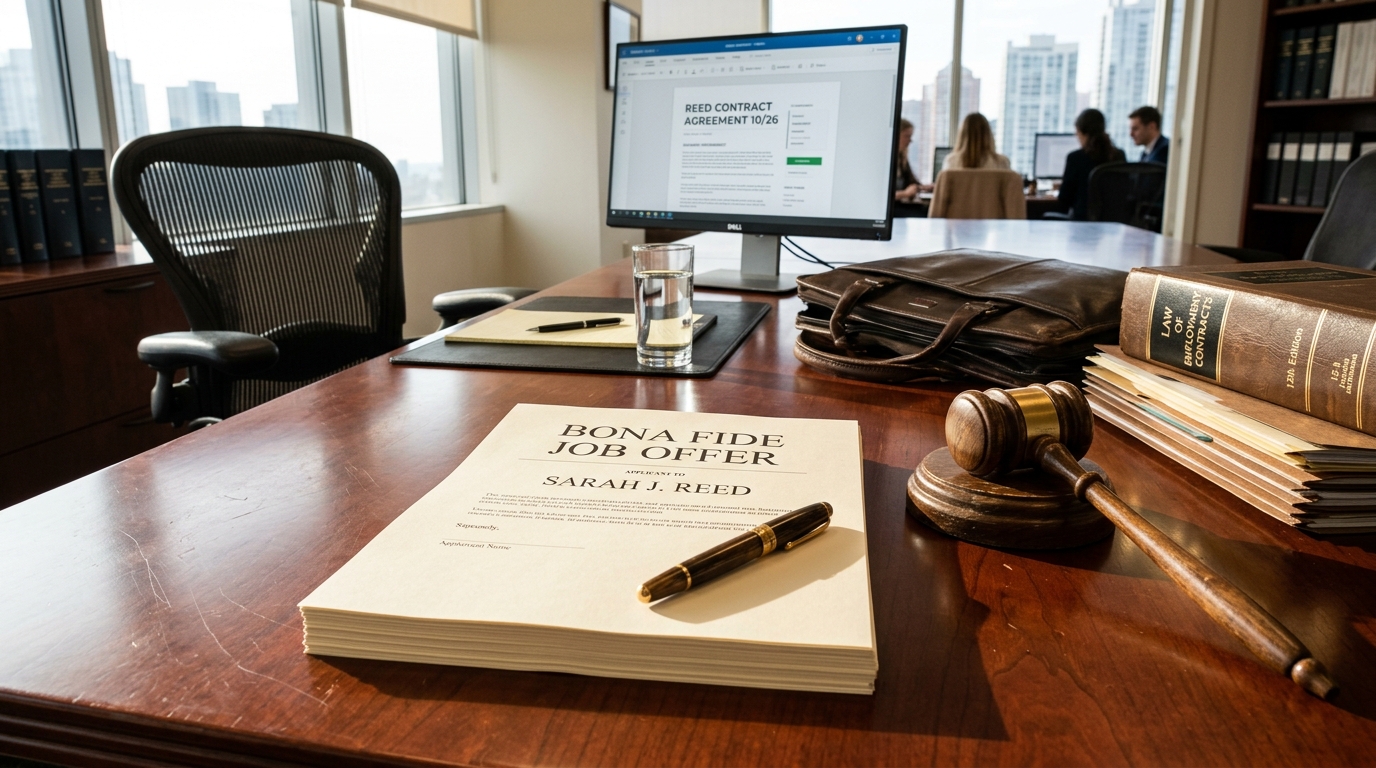
Receiving a bona fide job offer for sedentary work can be a pivotal moment in a workers compensation claim, especially when transitioning from a physically demanding manual labor role. When an employer offers a light duty desk job, they are often attempting to fulfill their legal obligation to provide suitable employment within medical restrictions. Accepting this offer allows you to continue earning a wage while your body heals, but it also signals to the insurance carrier that you are capable of returning to the workforce. However, these offers are strictly regulated to ensure the work is actually within your physical capabilities. If the sedentary role does not align with a doctor’s specific orders, the offer may not be considered bona fide under the law.
The decision to reject a sedentary work offer carries significant legal risks that could lead to the immediate termination of indemnity benefits. If an insurance company determines that a valid offer of suitable employment was refused, they may petition the state board to stop weekly disability payments. This puts injured workers in a difficult position where they must choose between a job that may aggravate their condition and losing their financial lifeline. It is essential to have any job description reviewed by a treating physician before making a final decision. Professional legal services can help navigate this process to ensure that the job offer is legitimate and that rights to future benefits remain protected.
While a desk job may seem safer than manual labor, the transition to sedentary work introduces new health risks that can complicate the recovery process. Recent data suggests that prolonged sitting for more than ten hours a day can lead to cardiovascular strain and metabolic issues that a body used to high activity may struggle to handle. If the new sedentary role causes further health complications or fails to accommodate the primary injury, it could impact the overall valuation of a settlement. Understanding the long term implications of shifting from active labor to a sedentary environment is crucial for physical and financial well-being. Before signing any agreements regarding a new job description, consult with a professional to understand the sedentary job settlement value and how this change affects your standing in the workers compensation system.
Navigating The Risks Of Light Duty Desk Assignments
When an employer offers a sedentary light duty assignment to a manual laborer recovering from an injury, it can sometimes feel like a tactic designed to terminate workers compensation benefits. While a desk job might seem safer than the warehouse floor, these roles often carry hidden physical demands that can aggravate existing injuries or create new metabolic health problems. You must carefully evaluate whether the proposed tasks truly align with sedentary work restrictions regarding sitting duration, typing, and reaching. Accepting a position that forces you to exceed physical limits can jeopardize long-term recovery and provide the insurance company with a reason to claim you are fully fit for duty.
Evaluating a sedentary job offer requires a strategic look at the legal requirements of a bona fide offer of employment. A valid offer must be clear, specific, and consistent with the medical evidence provided by a treating physician. If the desk assignment requires ten hours of stationary sitting, recent health data suggests this could lead to increased cardiovascular strain and metabolic dysfunction that complicates overall wellness. You should not feel pressured to sign an acceptance letter on the spot without first decoding your functional capacity evaluation results to confirm that the job description matches your current functional capacity.
Consulting with a legal professional before responding to a light duty offer is an effective way to protect your rights and your health. Legal advocates can help determine if the offer is a legitimate attempt to accommodate an injury or a tactical move to reduce indemnity payments. They ensure that the transition to sedentary work does not inadvertently waive the right to future medical treatments or permanent disability ratings. By vetting these offers through a legal lens, you can avoid situations where return to work efforts actually hinder physical rehabilitation and financial security.
The Risks of Transitioning to Sedentary Work
Accepting a sedentary work offer as an injured manual laborer is a decision that carries significant long-term implications for both physical recovery and legal rights. While a desk job may seem like a safe alternative to the rigors of a previous role, the transition introduces new health hazards such as cardiovascular strain and metabolic shifts that can complicate overall rehabilitation. Employers often use these light duty offers to reduce their financial liability, potentially leading to a premature termination of temporary disability benefits. Without a professional legal review, you may inadvertently agree to a position that does not meet the criteria of a bona fide job offer, leaving you vulnerable to further injury or financial instability. Utilizing rebuttal strategies can be essential if the insurance company uses flawed vocational data to push you into an unsuitable role.
Before signing any light duty agreement, it is vital to understand how this change in status affects the valuation of the overall case. Legal experts can help determine if the proposed sedentary role truly accommodates medical restrictions or if it is a strategic move to lower compensation. Protecting your future means ensuring that any vocational transition is supported by medical evidence and fair legal terms. To ensure you are making the best choice for your recovery and your finances, explore our guide on Is Your Workers Compensation Settlement Offer Fair? (2025 Guide) to discover how professional guidance can help you maximize your settlement and navigate these complex negotiations.
Frequently Asked Questions
1. What is the most dangerous threshold for daily sitting time?
Research identifies 10.6 hours of daily sitting as a critical tipping point for health. Once you cross this threshold, the risk of heart failure and cardiovascular complications increases sharply. Monitoring total stationary hours is essential to avoiding these severe long-term consequences.
2. How does a sedentary job impact recovery from a previous workplace injury?
Transitioning to a desk job can aggravate existing musculoskeletal injuries by placing sustained, static pressure on the spine. This lack of movement leads to postural fatigue and muscle weakness, which often delays the healing process and creates new chronic pain conditions.
3. Can sitting for long periods lead to metabolic diseases like diabetes?
Yes, prolonged inactivity causes significant metabolic shifts that increase the risk of developing type 2 diabetes. When you remain stationary for most of the day, the body’s ability to regulate blood sugar and process fats effectively is compromised. These changes happen even if you feel like you are resting.
4. What are the hidden cardiovascular risks of a stationary workday?
A sedentary lifestyle is directly linked to an increased likelihood of heart disease and stroke. Even without heavy labor, the lack of circulation and physical exertion puts a dangerous strain on the heart. This makes a stationary job a significant factor in long-term cardiovascular decline.
5. Why does my neck and back hurt even though I am not doing physical labor?
You are likely experiencing postural fatigue, where the muscles supporting the upper body weaken from holding a static position. This constant tension creates stiffness and reduces range of motion over time. Without regular movement, muscles lose the ability to support the frame properly.
6. Does sedentary work affect mental well-being?
Prolonged inactivity is linked to an unexpected strain on mental health and overall cognitive function. The physical stagnation of a desk job can lead to increased feelings of fatigue and a higher risk of psychological distress. Reclaiming health requires addressing both the physical and mental costs of a stationary environment.