When chronic pain halts your career and traditional medical treatments fail to provide relief, finding a path forward can feel impossible. Many individuals turn to functional restoration program reviews to determine if an intensive, multidisciplinary approach is the missing link in their recovery journey. These programs shift the focus from merely masking symptoms to rebuilding the physical and psychological strength necessary to reclaim your life.
By utilizing a biopsychosocial model, these intensive programs address the complex relationship between injury and daily function over several weeks of dedicated rehabilitation. Participants engage in rigorous physical conditioning and work-simulated tasks designed to bridge the gap between injury and employment. This holistic strategy ensures that you are not just managing pain, but actively restoring the capacity to work and thrive.
Key Takeaways
- Functional restoration programs utilize a biopsychosocial model to bridge the gap between injury and employment by combining intensive physical work hardening with psychological resilience training.
- Long-term recovery success depends on a program’s ability to provide sustainable tools for independent pain management rather than just meeting short-term insurance requirements for a return-to-work date.
- Patients must distinguish between high-quality multidisciplinary care and ‘rehab mills’ that prioritize high patient volume and insurance claim closures over individualized medical necessity.
- The transition period following the intensive three-to-eight-week session is the most critical phase for maintaining functional gains and preventing reinjury in a real-world work environment.
Analyzing Patient Outcomes In Functional Restoration Program Reviews
Determining the true value of a functional restoration program requires looking past the initial graduation rates and focusing on long-term functional stability. While these intensive boot camps often report high success rates immediately following the three to eight week sessions, the real test is whether a patient can maintain those gains once the daily supervision ends. Reviews from participants frequently highlight a sharp contrast between the structured environment of the clinic and the physical demands of a full time job. For many, these programs provide essential tools for managing chronic pain, but for others, the high intensity nature feels more like a short term push to meet insurance requirements rather than a sustainable medical solution.
Analyzing patient outcomes reveals that the most successful programs are those that prioritize psychological resilience alongside physical work hardening. Data from recent clinical evaluations suggests that patients who receive comprehensive cognitive behavioral therapy during their treatment are significantly more likely to remain in the workforce a year later. However, skepticism remains among workers who feel these programs are sometimes used as a tactical tool by insurance carriers to justify closing a claim or forcing a return to work. When evaluating reviews, it is critical to distinguish between programs that offer genuine whole person healing and those that simply aim to increase physical tolerances to a level that satisfies a job description.
A significant factor in the effectiveness of these programs is the transition period that follows the intensive daily sessions. Long term success is rarely achieved through a temporary burst of activity, but rather through the consistent application of ergonomic strategies and pain management techniques in a real world setting. Reviews that mention a lack of follow up care or a sudden drop in support often correlate with higher rates of reinjury or symptom flare ups. To determine if a program is a legitimate medical tool, patients should look for outcomes that emphasize sustained quality of life improvements rather than just a one time increase in lifting capacity. The goal of functional restoration should be to empower the individual to manage their condition independently for years to come.
Evaluating Insurance Motivations Versus Medical Necessity
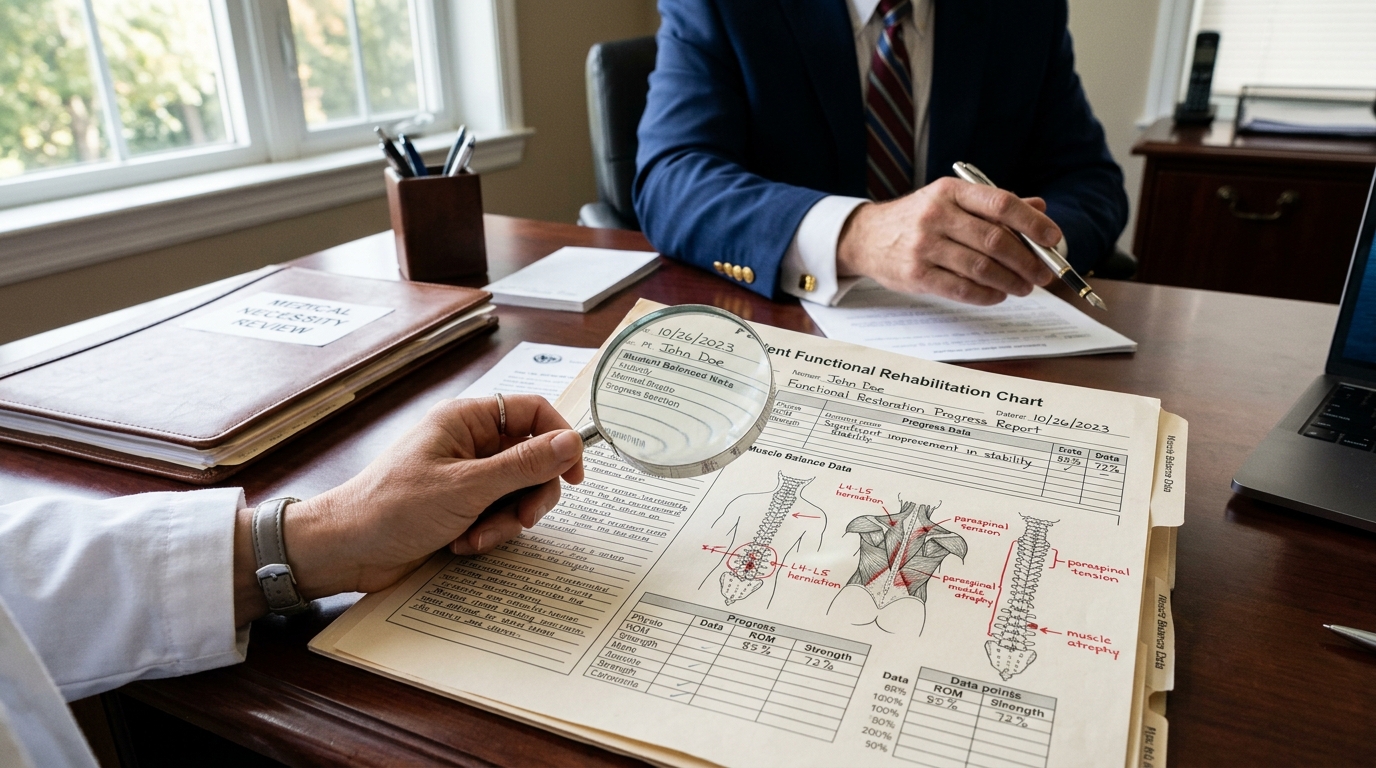
A common theme emerges when analyzing reviews for functional restoration programs regarding the true intent behind these intensive rehabilitation boot camps. Many participants express skepticism, questioning whether the rigorous daily schedules are designed for genuine medical recovery or as a strategic tool for insurance carriers to terminate benefits. These reviews often highlight a perceived disconnect between the patient’s physical reality and the program’s aggressive push toward a return to work. While some individuals find the multidisciplinary approach life changing, others feel the primary objective is to generate a report stating they have reached maximum medical improvement. This tension creates a significant divide in how these programs are perceived by the workers they are meant to assist.
Medical necessity is frequently at the center of the debate when evaluating the legitimacy of an eight week intensive program. Critics often point out that insurance companies may favor these programs because they provide a structured path to close complex disability claims. From a clinical perspective, the biopsychosocial model used in these settings is intended to break the cycle of chronic pain through physical and psychological conditioning. However, when a patient feels pressured to perform job simulations that exceed their physical capacity, the line between therapy and insurance tactics becomes blurred. Understanding this distinction is vital for any worker navigating the transition from long term injury back into the workforce.
The decision to participate in a functional restoration program often requires a careful balancing act between professional medical advice and personal advocacy. Reviews suggest that success frequently depends on the quality of the specific facility and the transparency of its communication regarding patient progress. It is important to look for programs that prioritize functional milestones over rigid insurance deadlines to ensure the recovery is sustainable. Patients who feel their physical limitations are being ignored often view the experience as a mechanism for forced labor rather than healing. A successful outcome requires a program that respects the patient’s physical boundaries while working toward the objective goal of functional independence.
Assessing The Intensity Of Work Hardening And Behavioral Therapy
Functional restoration programs are often described as a medical boot camp because they demand an 8 hour daily commitment that pushes physical and mental limits. The work hardening component is designed to simulate the specific rigors of your job, requiring you to perform work-simulated tasks for hours on end. While these exercises aim to rebuild stamina, many participants find the sudden jump from sedentary recovery to full time physical labor to be an overwhelming shock to the system. You must carefully evaluate whether your body is truly ready for this level of intensity or if the schedule is designed primarily to satisfy insurance requirements for a quick return to work.
The psychological side of these programs is equally demanding, utilizing cognitive behavioral therapy to challenge perceptions of pain and physical limitations. Therapists often focus on deconstructing fear avoidance behaviors, which can feel like a high pressure environment where genuine concerns about reinjury are treated as psychological hurdles. This behavioral component requires significant mental energy as you are asked to ignore pain signals and push through discomfort in a group setting. It is vital to determine if this aggressive approach aligns with your actual recovery needs or if it serves as a tactic to minimize the perceived severity of your chronic condition.
Deciding to enroll in such a rigorous program requires an honest assessment of your current functional capacity and mental resilience. These programs are not a standard form of physical therapy but are instead a concentrated effort to bridge the gap between injury and employment in a very short window. If you feel that an 8 hour daily schedule would cause a significant setback or if the psychological pressure feels coercive rather than supportive, the program may not be the right fit for your medical journey. Understanding the difference between a legitimate rehabilitative tool and an insurance driven mandate is essential for protecting your long term health and legal rights.
Identifying Red Flags In Program Quality And Facility Reputation
When auditing reviews for a functional restoration program, the most significant red flag is a consistent pattern of patients feeling like a number in a high volume assembly line. Top tier medical facilities prioritize individualized care, whereas rehab mills often use a cookie cutter approach designed to exhaust insurance benefits as quickly as possible. Look for feedback that mentions a lack of one on one time with specialists or a rigid schedule that ignores specific physical limitations. If multiple reviewers describe the program as a boot camp intended solely to force a return to work regardless of pain levels, it may be an insurance driven tactic rather than a legitimate clinical tool. Authentic programs should focus on sustainable functional gains rather than just meeting a predetermined discharge date.
Pay close attention to how reviewers describe the multidisciplinary team and the facility environment. Quality programs foster a collaborative atmosphere where physical therapists, psychologists, and medical doctors work in sync to address the complexities of chronic pain. In contrast, poor quality facilities often have high staff turnover or disconnected departments that fail to communicate with each other. Reviews that complain about disorganized scheduling, conflicting medical advice, or a lack of psychological support suggest a facility that prioritizes volume over patient outcomes. A reputable program will have feedback highlighting a supportive transition plan and educational resources that empower the patient.
The reputation of a facility can also be gauged by how they handle setbacks and patient concerns during the intensive three to eight week sessions. Reputable centers encourage open dialogue and adjustments to the workload when a patient hits a functional plateau. If reviews frequently mention that staff members were dismissive of increased symptoms or pressured patients to perform work hardening tasks that led to re injury, proceed with extreme caution. These facilities often focus on data points that satisfy insurance adjusters rather than the long term health of the worker. A legitimate functional restoration program should leave the patient feeling more capable and informed, not simply processed and pushed out the door.
Evaluating Functional Restoration Program Reviews
Reading through functional restoration program reviews is a vital step in determining if a high intensity track is a genuine tool for your recovery or simply an insurance tactic to rush your return to work. These reviews often reveal whether a program focuses on holistic healing through the biopsychosocial model or if it functions more like a physical boot camp designed to minimize claim costs. You should look for feedback regarding the quality of the multidisciplinary team and whether the work hardening exercises actually translate to your specific job requirements. Pay close attention to impact on work status and mentions of long term functional gains versus short term pain management to ensure the program aligns with your personal health goals.
Evaluating these programs requires a critical eye toward how they balance your medical needs with the administrative demands of a workers compensation claim. While some participants find these intensive weeks life changing, others may feel pressured into functional goals that exceed their physical capabilities. Understanding these nuances helps you advocate for yourself during meetings with claims adjusters or medical evaluators who might be pushing for a quick resolution. By cross referencing patient testimonials with clinical standards, you can make an informed choice that protects both your physical well being and your legal rights.
Making the right decision about your rehabilitation path is essential for securing a stable future after a workplace injury. If you feel that an intensive program is being used to prematurely close your case, it is important to understand the broader implications for your benefits. To ensure you are fully protected throughout this process, explore our guide on Navigating Your Psychological Evaluation For Disability Claims to learn more about managing the professionals involved in your recovery. Taking this step will help you gain the clarity needed to handle functional restoration program reviews and the complex requirements of the vocational rehabilitation system.
Frequently Asked Questions
1. What exactly is a functional restoration program?
These programs are intensive, multidisciplinary treatments designed for individuals whose chronic pain has prevented them from working or maintaining a normal lifestyle. By utilizing a biopsychosocial model, you receive a combination of physical conditioning, psychological support, and work-simulated tasks to rebuild your functional capacity.
2. How long do these programs typically last?
Most intensive functional restoration boot camps run for a period of three to eight weeks. During this time, you participate in daily, structured sessions that bridge the gap between initial injury and a full return to employment.
3. Why should I look at reviews before enrolling in a program?
Reviews provide critical insight into whether a program offers sustainable long term results or merely acts as a short term push to satisfy insurance requirements. You can learn how previous participants managed the transition from a highly supervised clinical environment back to the physical demands of a full time job.
4. What is the difference between this and traditional physical therapy?
While traditional therapy often focuses on masking symptoms or isolated physical movements, functional restoration focuses on the whole person. You will engage in work hardening and psychological resilience training to ensure you are mentally and physically prepared for the rigors of your career.
5. Are the results of these programs permanent?
The long term success of a program depends on your ability to maintain functional stability once daily supervision ends. Programs that prioritize psychological tools and sustainable physical habits tend to produce the most reliable outcomes for patients returning to the workforce.
6. What role does psychology play in my recovery?
Psychological resilience is a cornerstone of effective restoration because chronic pain often has a complex relationship with mental health. By addressing the emotional aspects of your injury, you gain the necessary tools to manage pain triggers and maintain your progress in a high pressure work environment.