When a medical implant fails, the physical pain is often compounded by the stress of an unexpected secondary operation. While routine procedures to remove healed plates or screws are common, undergoing an unplanned revision surgery due to a defective or recalled device creates a complex legal situation. Navigating a surgical hardware removal settlement requires understanding why the device failed and how that failure has impacted your quality of life and financial stability.
Recent shifts in the legal field have placed a spotlight on manufacturers responsible for premature hardware failure and widespread device recalls. Victims are increasingly seeking compensation for additional medical bills, lost wages, and the physical trauma associated with revision procedures. Securing a fair settlement depends on documenting the specific failure of the hardware and the long-term implications of the corrective surgery.
Key Takeaways
- Undergoing a revision surgery for a defective or recalled implant significantly increases settlement value by compounding non-economic damages like pain, suffering, and psychological trauma.
- Documenting objective proof of hardware failure, such as imaging of broken screws or migrated plates, provides the necessary leverage to hold manufacturers liable for higher payouts.
- A second invasive procedure is viewed legally as a major medical setback rather than a routine recovery, justifying additional compensation for increased risks like infection, nerve damage, and extended immobility.
- The financial solvency and corporate structure of a manufacturer, including the involvement of private equity firms, are critical factors that dictate the feasibility and timeline of a hardware removal settlement.
Calculating Settlement Value For Hardware Removal Revision Surgery
Determining the settlement value for a hardware removal revision surgery requires a careful analysis of both the immediate financial costs and the long term physical impact on the claimant. When a medical implant fails prematurely due to a defect or recall, the necessity of a second invasive procedure serves as a primary driver for increased damages. This surgery is not a routine part of recovery but rather a corrective measure that introduces new risks, such as infection, nerve damage, and extended periods of immobility. Legal teams evaluate these cases by calculating the additional medical expenses for the operating room, anesthesia, and surgeon fees, while also accounting for the lost wages incurred during the second recovery phase. Because these procedures are often more complex than the initial implantation, they carry a significantly higher weight in settlement negotiations.
The non economic damages in these claims often see a substantial boost because the claimant must endure the psychological and physical trauma of surgery twice. Pain and suffering are not merely doubled, they are often compounded by the frustration of a failed recovery and the fear of permanent disability. Juries and insurance adjusters typically view the need for hardware removal as a clear indicator of a diminished quality of life, especially if the revision surgery results in permanent scarring or chronic discomfort. Evidence of the hardware’s failure, such as imaging showing broken screws or migrated plates, provides a tangible link between the manufacturer’s liability and the claimant’s suffering. This objective proof makes it much harder for defendants to argue against a higher payout for the additional pain endured.
For claimants who have reached maximum medical improvement but still face the prospect of revision surgery, the decision to move forward is both a medical and a financial one. A successful settlement must account for the high probability of future complications and the potential need for physical therapy long after the hardware is removed. If the removal is necessitated by a product recall or a known manufacturing defect, the settlement value often reflects the aggravated nature of the injury. By documenting the specific ways the failed hardware has interrupted daily life and employment, claimants can ensure that their settlement covers the true cost of their ordeal. This comprehensive approach ensures that the financial recovery mirrors the significant burden of undergoing a second major operation.
Impact Of Defective Implant Recalls On Payout Potential
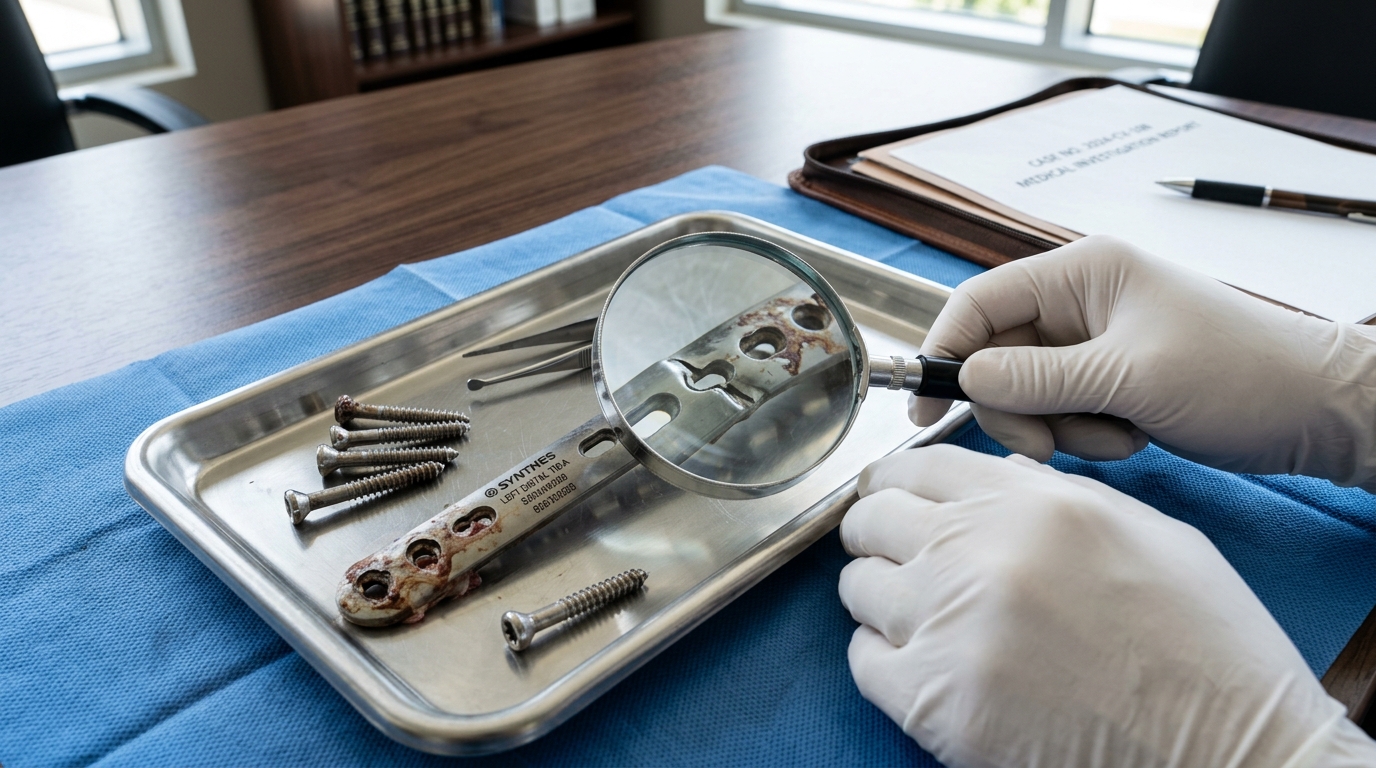
The environment surrounding hardware removal settlements has shifted dramatically following large scale device recalls from major manufacturers. When an implant fails prematurely due to polyethylene wear or defective packaging, the legal argument for a higher payout becomes significantly stronger. These cases move beyond routine recovery and into the realm of product liability, where the manufacturer’s negligence serves as a primary driver for compensation. Claimants who have reached maximum medical improvement but still face a mandatory revision surgery often see their case value increase due to the additional pain and suffering involved.
Negotiating a settlement for an unplanned surgical intervention requires a deep understanding of the long term physical impact on the patient. Unlike a voluntary removal of plates or screws, a recall related surgery often involves more complex procedures to address bone loss or tissue damage caused by the failing device. These complications provide substantial leverage during settlement talks, as they demonstrate a clear departure from the expected recovery timeline. Legal professionals use these documented failures to hold manufacturers liable for medical expenses, lost wages, and the emotional toll of undergoing a second major operation.
The financial potential of these claims is heavily influenced by the specific nature of the hardware defect and the resulting need for revision. While standard hardware removal might be viewed as a minor adjustment, a surgery necessitated by a recalled component is treated as a significant medical setback. This distinction is vital for individuals weighing the pros and cons of litigation, as it separates high value product liability claims from general personal injury cases. By focusing on the manufacturer’s failure to provide a safe implant, claimants can often secure settlements that reflect the true cost of their extended rehabilitation and physical distress.
Weighing Physical Recovery Costs Against Increased Legal Compensation
Deciding whether to undergo a hardware removal procedure requires a careful evaluation of the physical toll versus the potential impact on your legal claim. While you may have reached Maximum Medical Improvement, persistent pain or complications from plates and screws can necessitate a second surgery that introduces new recovery risks. This revision process involves additional anesthesia, new incisions, and a secondary healing period that can be physically demanding. However, from a legal perspective, the necessity of a second procedure often serves as powerful evidence of the permanent nature of your injury. Choosing to move forward with removal can transform a static claim into one that accounts for increased medical expenses and extended pain and suffering.
The valuation of a settlement often shifts significantly when a claimant opts for surgical intervention to address failing or painful hardware. Insurance adjusters and legal professionals view the willingness to undergo a second operation as a clear indicator of the severity of the initial trauma. By documenting the need for hardware removal, you provide a concrete paper trail that justifies a higher tier of compensation for future medical costs. This is particularly true in cases involving recalled components or defective implants where the hardware has failed prematurely. While the physical recovery is a hurdle, the resulting surgical records often provide the leverage needed to maximize your settlement that reflects the true long term cost of the injury.
Balancing the immediate discomfort of surgery against long term financial security is a pivotal moment in any high value personal injury or mass tort case. A successful hardware removal not only aims to improve your quality of life but also validates the ongoing nature of your damages in the eyes of the court. Without this documented medical step, it can be difficult to prove that your complications require the maximum available policy limits. Each case involves a unique trade off between the desire to avoid another hospital stay and the need to maximize the resources available for your future care. Ultimately, the decision to undergo surgery can act as a catalyst for a more robust valuation during settlement negotiations.
Legal Implications Of Private Equity Involvement In Hardware Litigation

The legal framework for hardware removal litigation has shifted significantly as primary manufacturers face financial instability and bankruptcy filings. These corporate restructurings often create a complex legal barrier for claimants who have reached maximum medical improvement and are now deciding whether to undergo a second surgery to remove failing components. When a manufacturer enters bankruptcy, the focus of litigation frequently shifts toward the private equity firms that managed or funded these entities. This transition can complicate the path to a settlement, as legal teams must navigate intricate corporate structures to hold investors accountable for the distribution of defective medical devices.
The involvement of private equity often introduces a strategic delay in the availability of settlement funds, which is a critical factor for patients weighing the pros and cons of revision surgery. These investment firms may prioritize debt restructuring over immediate liability payouts, potentially extending the timeline for compensation by months or even years. For many claimants, the decision to proceed with hardware removal is a high-value financial choice that depends on the certainty of a recovery fund. Understanding the financial health and ownership structure of the device manufacturer is now just as important as the clinical necessity of the surgery itself.
Litigants must recognize that while private equity involvement can slow the process, it also opens up new avenues for recovering damages when a manufacturer’s own assets are depleted. These firms often have significant capital reserves, but accessing those funds requires proving a direct link between their management decisions and the failure of the hardware. As the legal community continues to target these well funded entities, the potential for substantial settlements remains high for those with documented implant failures or recalls. Claimants should monitor these corporate developments closely, as the solvency of the responsible parties dictates the ultimate feasibility of a hardware removal settlement.
Maximizing Settlements Through Necessary Hardware Removal
Deciding whether to undergo a second surgery to remove defective plates, screws, or implants is a significant choice that carries both physical and financial weight. When a medical device fails prematurely or is subject to a recall, the necessity of a revision procedure becomes a central pillar of your legal claim. Documenting that this hardware removal is medically required, rather than elective, is the primary driver for achieving a higher settlement tier. By providing clear evidence of physical impairment or the risk of further injury, you shift the narrative from a routine recovery to a high-value defective product case.
The financial recovery in these cases often hinges on the specific costs and complications associated with the removal process. Insurance companies and manufacturers closely examine whether the hardware removal addresses a failure that has prevented you from reaching a stable recovery. Comprehensive medical records that detail the failure of the device are indispensable for proving the extent of your damages. Without this specific documentation, you risk leaving substantial compensation on the table, as the settlement must account for the additional trauma and recovery time of a second operation.
Maximizing your recovery requires a deep understanding of how specific medical evaluations impact your final offer. It is essential to ensure that every aspect of your hardware failure is properly categorized to reflect the true impact on your life and career. To gain a clearer perspective on whether your current compensation aligns with the reality of your injury, you should determine Is Your Workers Compensation Settlement Offer Fair? (2025 Guide). Taking the time to evaluate your offer now can ensure you have the resources needed for future medical procedures and long term stability.
Frequently Asked Questions
1. What qualifies as a surgical hardware removal settlement?
A surgical hardware removal settlement is compensation sought when a medical implant fails prematurely due to a defect or a recall. This legal action addresses the financial and physical burdens of undergoing an unplanned revision surgery to replace or remove the faulty device.
2. How is the value of a hardware removal settlement calculated?
The settlement value is determined by combining your immediate medical costs, such as surgeon fees and anesthesia, with your lost wages during recovery. Legal experts also factor in non economic damages like physical trauma and the increased risk of complications associated with a second invasive procedure.
3. Why is a revision surgery worth more than a routine hardware removal?
Revision surgeries are more complex than routine removals because they are corrective measures for failed devices rather than a standard part of healing. These procedures carry higher risks of nerve damage or infection, which significantly increases the weight of the claim during negotiations.
4. Can I seek compensation if my hardware was part of a widespread recall?
Yes, you can seek compensation if your hardware was recalled by the manufacturer. Recent legal shifts have made it easier to hold manufacturers accountable for premature hardware failures that force patients to undergo secondary operations.
5. What types of damages are covered in these legal claims?
Claims typically cover both economic damages, like hospital bills and lost income, and non economic damages involving your quality of life. You are entitled to seek recovery for the physical pain and extended periods of immobility caused by the defective hardware.
6. What evidence is needed to secure a fair settlement?
Securing a fair settlement requires detailed documentation of the specific hardware failure and its long term impact on your health. You must provide medical records that link the necessity of the revision surgery directly to a device defect or manufacturer error.
7. How does nerve damage or infection affect my settlement?
New risks introduced by a second surgery, including infection or permanent nerve damage, serve as primary drivers for increased settlement amounts. These complications represent a significant decline in your quality of life and require additional compensation for long term care.