When chronic back pain or sciatica becomes unbearable, many patients turn to epidural steroid injections as a nonsurgical lifeline for relief. While these procedures are effective for managing acute symptoms, understanding the full scope of epidural steroid injection risks is essential for making an informed decision about your spinal health. Most clinical guidelines suggest that while these injections offer significant short-term comfort, they are rarely a permanent cure for underlying structural issues.
Patients often experience mild side effects like localized soreness, facial flushing, or temporary bouts of insomnia following the procedure. However, for those managing chronic conditions like diabetes, the temporary spike in blood glucose levels requires careful monitoring and medical oversight. Balancing the immediate benefit of reduced inflammation against these potential physiological reactions ensures that your treatment plan remains both safe and effective.
Key Takeaways
- Epidural steroid injections serve as a temporary management tool for inflammation and radicular pain rather than a permanent cure for underlying structural spinal issues.
- Patients must monitor for systemic reactions such as steroid flushing, insomnia, and significant blood glucose spikes, particularly those managing diabetes.
- Serious but rare complications, including dural punctures and infections, can lead to debilitating spinal headaches or life-threatening conditions requiring emergency intervention.
- Undergoing or refusing injections significantly impacts the commercial valuation of personal injury claims by providing objective evidence of pain severity and the exhaustion of conservative treatment options.
Common Side Effects And Systemic Steroid Reactions
While epidural steroid injections are frequently utilized to manage radicular pain, patients must weigh immediate physiological reactions against the potential for short term relief. Common side effects often begin with localized soreness or tenderness at the needle entry site, which typically resolves within a few days. Many patients also experience a steroid flush, characterized by a temporary warming and redness of the face and chest. These symptoms are generally mild, but they serve as a reminder that the body is processing a potent anti inflammatory medication. Understanding these initial reactions is a vital part of deciding whether to continue with conservative treatment or pivot toward a more permanent surgical solution.
The systemic impact of corticosteroids extends beyond surface level flushing and can significantly alter internal chemistry. Patients may experience episodes of insomnia, anxiety, or restlessness as the high dose of steroids moves through their system. For those managing diabetes, the risk is more pronounced because steroids often cause significant, temporary spikes in blood glucose levels. Monitoring these fluctuations is critical, as poorly managed blood sugar can complicate the recovery process. These systemic steroid reactions are important considerations when evaluating how an injection might influence your overall health and your future medical decisions.
Deciding to proceed with an injection often marks a critical juncture in your treatment path and can have long term implications for your recovery profile. While these injections focus on temporary symptom management rather than a permanent cure, your reaction to the medication provides valuable data for your medical team. Choosing to accept or refuse these treatments can influence the trajectory of your care, especially when transitioning from conservative treatment to surgical consultations. By documenting how your body responds to these common side effects, you create a clearer picture of your medical necessity. This transparency is essential when determining the ultimate value of your treatment plan and any future settlement offers.
Serious Complications From Dural Puncture To Infection
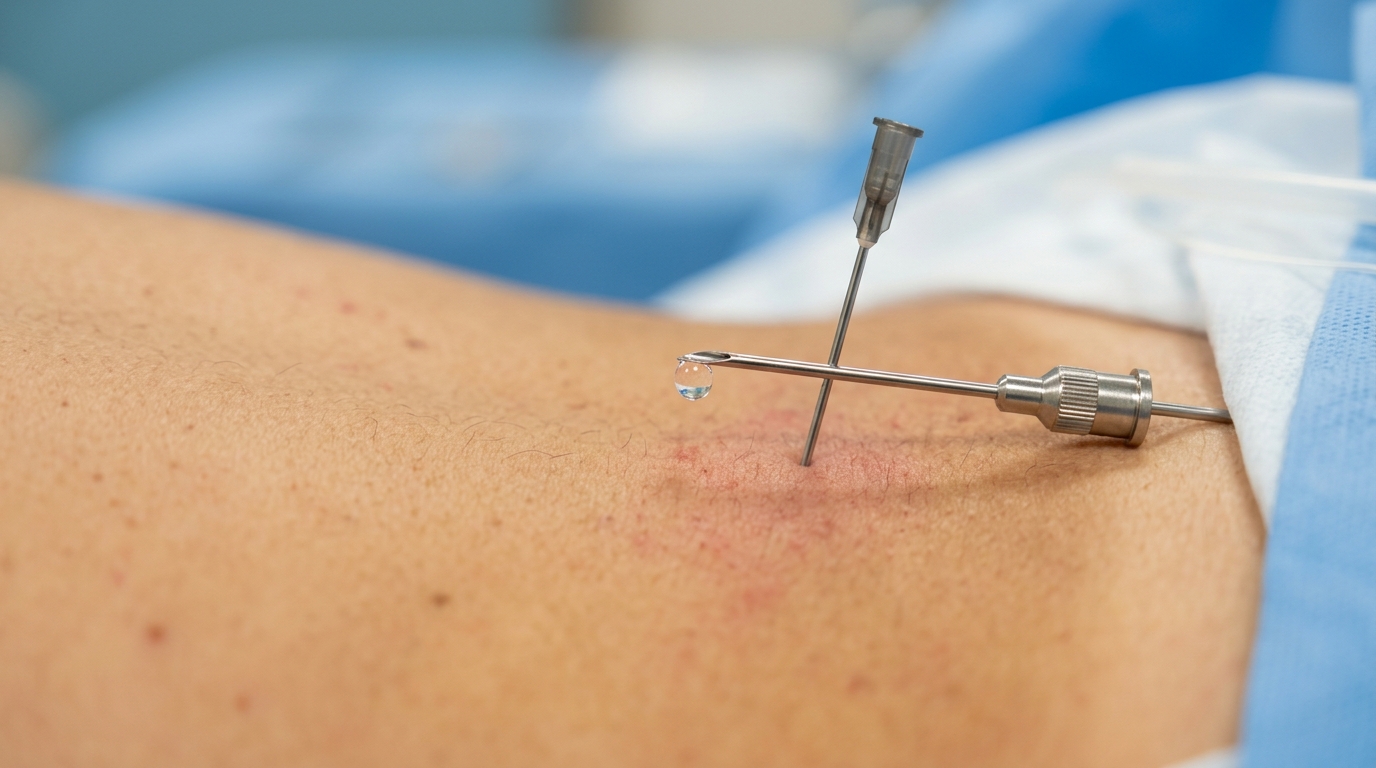
While epidural steroid injections are generally considered safe, they carry a small risk of serious complications that can alter the course of your recovery. One such complication is an accidental dural puncture, often referred to as a wet tap, which occurs when the needle inadvertently pierces the protective membrane surrounding the spinal cord. This can lead to a debilitating spinal headache caused by the leakage of cerebrospinal fluid, often requiring additional medical procedures like a blood patch to resolve. For patients weighing the decision between injections and surgery, these procedural setbacks can complicate the medical timeline and impact the overall valuation of a personal injury claim.
Infection is another rare but severe risk that requires immediate medical intervention to prevent long term damage. If bacteria are introduced into the spinal space during the injection, it can lead to epidural abscesses or meningitis, both of which are life threatening conditions. These infections often necessitate prolonged hospital stays, intensive antibiotic therapy, and potentially emergency surgery to decompress the spine. When documenting the impact of a spinal injury, the occurrence of such a significant complication can drastically change the perspective on a patient’s suffering and the necessity of future care.
Beyond immediate physical trauma, accidental dural penetration can have lasting neurological implications that persist long after the initial procedure. Patients may experience chronic nerve irritation, localized weakness, or sensory changes if the delicate structures within the spinal canal are compromised. These outcomes are particularly critical for individuals at a crossroads in their treatment plan, as a failed or harmful injection may push a patient toward surgery sooner than expected. Understanding these epidural steroid injection risks is essential for making an informed choice about whether to accept a conservative treatment or move forward with more definitive surgical options.
Strategic Impact Of Injections On Personal Injury Claims
Undergoing an epidural steroid injection represents a critical pivot point in the commercial valuation of a personal injury claim. Insurance adjusters view these procedures as a bridge that separates routine conservative therapy from the potential necessity of invasive surgery. By accepting an injection, a claimant provides objective evidence that their pain is severe enough to warrant a needle-based intervention under fluoroscopic guidance. This step often elevates the case out of the soft tissue category and into a higher tier of financial risk for the insurer. The decision to proceed helps quantify the failure of physical therapy, effectively signaling that the injury requires specialized medical management to achieve even temporary relief.
The decision to refuse an injection also carries significant weight during settlement negotiations and can be used as a strategic lever by defense counsel. If a patient declines an injection due to the inherent risks of the procedure, such as potential blood sugar spikes or steroid-induced anxiety, the defense may argue the claimant is failing to mitigate their damages. Conversely, a refusal based on a documented fear of needles or a medical contraindication can be framed as a natural end to conservative options. This impasse often forces a valuation decision where the next logical step is either a permanent lifestyle adjustment or a surgical consultation. Both scenarios fundamentally alter how an adjuster calculates the future medical costs and the overall lump sum offer.
Ultimately, injections serve as a diagnostic and commercial filter that helps determine if a case is trending toward a high-value surgical settlement. While clinical guidelines suggest these injections offer primarily short-term relief, their presence in a medical file validates the persistent nature of radicular pain. A series of injections that fails to provide lasting comfort creates a powerful narrative that conservative measures have been exhausted. This data point is essential for justifying a larger settlement demand, as it bridges the gap between minor discomfort and a chronic condition requiring long-term care. Each procedure documented becomes a building block in establishing the true commercial impact of the injury on the claimant’s life.
Weighing the Benefits and Potential Risks
Deciding whether to proceed with an epidural steroid injection requires a careful evaluation of immediate relief versus long term health considerations. While these injections are highly effective at reducing inflammation and providing a window of comfort, they are generally viewed as a temporary measure rather than a permanent cure for spinal injuries. Patients must weigh the potential for localized pain or blood sugar spikes against the necessity of managing debilitating radicular symptoms. Ultimately, the goal is to use this period of reduced pain to engage in physical therapy and avoid more invasive surgical interventions.
Beyond the clinical benefits, these injections serve as critical milestones in documenting the true severity and persistence of your work related injury. Insurance carriers often view the transition from conservative care to interventional injections as a formal acknowledgment that the injury requires advanced medical management. If you find yourself denied medical treatment or facing delays in approval for these procedures, it can significantly stall your recovery and weaken your legal position. By undergoing these procedures, you create a clear medical paper trail that validates the impact of your condition on your daily life. This documentation is essential when the time comes to calculate the value of your claim and ensure that any future medical needs are fully accounted for in a final agreement.
Understanding where you stand in the recovery process is the first step toward securing the financial future you deserve after an injury. If you are currently weighing treatment options or considering how your medical history affects your claim value, it is vital to know how your benefits are calculated. To ensure you are receiving the maximum value for your claim, use our resource, Is Your Workers Compensation Settlement Offer Fair? (2025 Guide), to discover how professional legal guidance can help you through this complex process. Taking the time to evaluate your offer now can prevent significant financial loss later in your recovery journey.
Frequently Asked Questions
1. What are the most common side effects after an epidural steroid injection?
You may experience localized soreness or tenderness at the injection site for a few days following the procedure. It is also common to encounter a steroid flush, which causes temporary redness and a warm sensation in your face and chest.
2. How can a steroid injection affect my sleep and mood?
The systemic impact of corticosteroids can lead to temporary episodes of insomnia, anxiety, or restlessness. These reactions occur as your body processes the potent anti inflammatory medication and typically subside as the steroid levels stabilize.
3. Are there specific risks for patients with diabetes?
Yes, these injections can cause a temporary spike in your blood glucose levels. If you are managing diabetes, you must ensure careful medical oversight and frequent monitoring of your sugar levels during the period following your treatment.
4. Is an epidural steroid injection a permanent cure for back pain?
These injections are designed to provide significant short term comfort and manage acute symptoms rather than offer a permanent cure. They are highly effective for reducing inflammation, but they do not resolve the underlying structural issues in your spine.
5. How long does it take for the injection site soreness to go away?
Localized tenderness or discomfort at the needle entry site is usually mild and temporary. You can expect these symptoms to resolve naturally within a few days of the procedure.
6. Why do I feel flushed or warm after my treatment?
This reaction is known as a steroid flush and is a common physiological response to the medication. It is a sign that your body is processing the corticosteroids and is generally not a cause for concern.
7. When should I consider surgery instead of continuing with injections?
If your relief is only short term and your symptoms return, you should discuss whether to continue conservative treatments or pivot toward a more permanent surgical solution. Evaluating the balance between temporary relief and long term recovery is a vital part of your spinal health plan.