
A sudden knee injury can derail physical health and financial stability, leading to a mountain of medical bills and lost wages. When pursuing compensation, understanding the average settlement for a meniscus tear is essential for protecting your future. For the 2025–2026 period, typical settlements generally range from $15,000 for minor tears to over $300,000 for complex cases involving multiple ligaments. The final value of a claim depends heavily on whether you require arthroscopic surgery or if the injury leads to long-term joint degradation.
The path to recovery looks different depending on whether you are filing a personal injury claim or navigating the workers’ compensation system. While a minor tear treated with physical therapy may result in a smaller payout, traumatic injuries requiring a total knee replacement can command significantly higher figures. Various factors, including treatment history and the impact on the ability to work, will ultimately dictate where a case falls within these ranges. Securing a settlement that reflects the true cost of recovery is the only way to ensure long-term mobility and financial security.
Key Takeaways
- Meniscus tear settlements for 2025 typically range from $15,000 for minor injuries to over $300,000 for complex cases involving multiple ligaments or permanent joint degradation.
- Surgical intervention is the primary driver of claim value, with arthroscopic repairs generally commanding between $50,000 and $125,000 due to documented medical severity and extended recovery times.
- Personal injury claims yield higher payouts than workers’ compensation because they include damages for pain and suffering, whereas workplace claims are strictly limited to medical bills and a portion of lost wages.
- Settlements must account for long-term complications like post-traumatic arthritis and future total knee replacements, which can elevate the total claim value to the $150,000 to $500,000 range.
Settlement Ranges For Meniscus Tears In 2025
The average settlement for a meniscus tear in 2025 typically falls between $15,000 and $125,000, but the final value depends heavily on the nature of the claim. Workers’ compensation cases often result in lower cash settlements because they focus primarily on medical bills and a percentage of lost wages rather than pain and suffering. In contrast, personal injury claims following a car accident or slip and fall can reach the higher end of the spectrum by accounting for emotional distress and lifestyle impacts. Understanding these distinctions is vital for any worker or accident victim evaluating an initial offer from an insurance adjuster.
The severity of the tear and the required medical intervention serve as the primary drivers for these valuation ranges. Minor tears that only require physical therapy and rest usually settle at the lower end, often between $15,000 and $50,000 in personal injury scenarios. However, if the injury necessitates arthroscopic surgery to repair or remove the damaged cartilage, the settlement value frequently jumps to the $50,000 to $125,000 range. These figures reflect the increased costs of surgical procedures, anesthesia, and the extended recovery time needed before returning to normal job duties.
When a meniscus tear is accompanied by other structural damage, such as an ACL or MCL rupture, the complexity of the case can push settlements well beyond $300,000. These multi-ligament injuries often lead to long-term complications like early-onset osteoarthritis or the eventual need for a total knee replacement. Insurance companies frequently attempt to minimize these future risks during negotiations, making it essential to document the full scope of physical limitations. By comparing a specific diagnosis and treatment plan against these 2025 benchmarks, you can better determine if a settlement offer provides the long-term financial security required.
Impact Of Arthroscopic Surgery And Meniscal Repairs
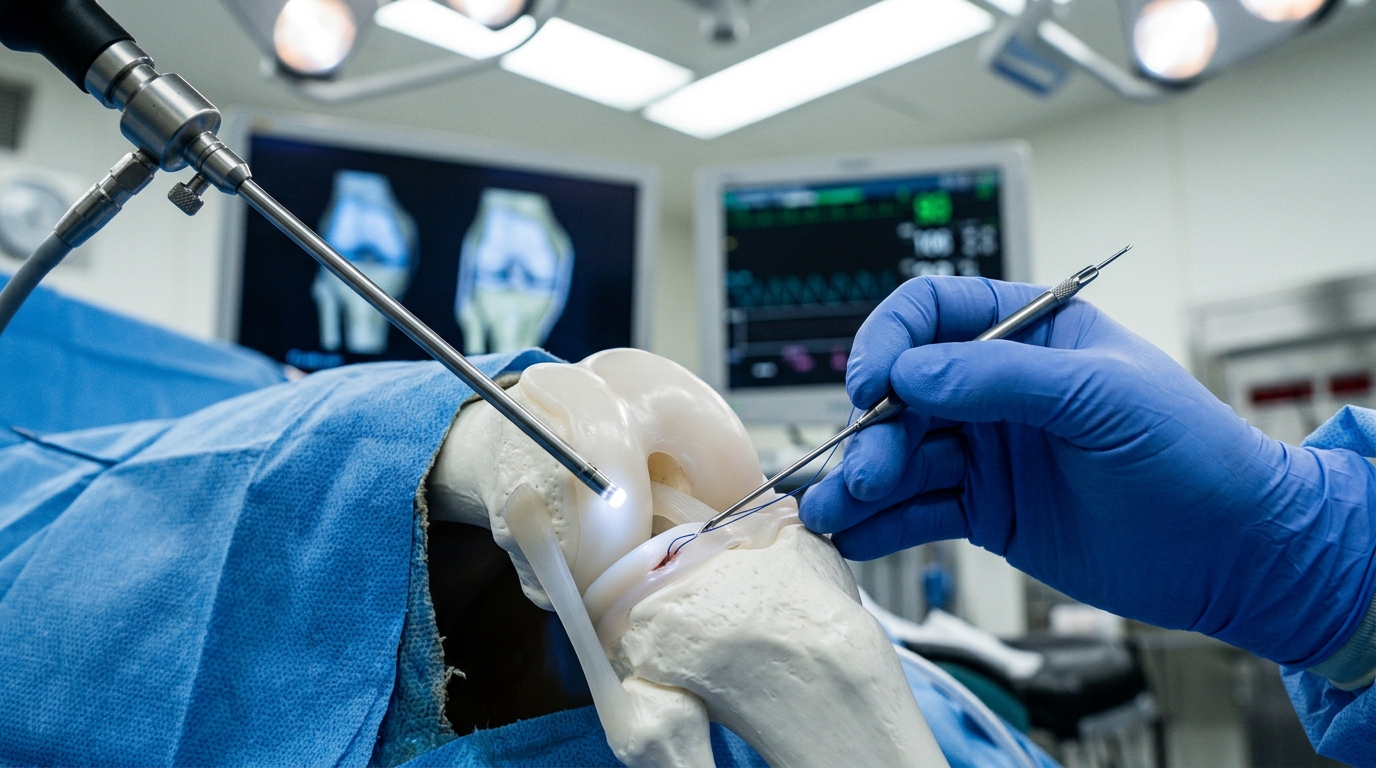
Surgical intervention is often the primary catalyst that elevates a meniscus tear claim from a minor injury to a high-value settlement. When a workplace injury requires arthroscopic surgery, such as a meniscectomy to remove damaged tissue or a complex suture repair, the medical costs and recovery time increase substantially. For the 2025 through 2026 period, settlements involving surgical repairs typically range from $50,000 to $125,000 in personal injury cases, while workers’ compensation claims often fall between $25,000 and $85,000. These figures reflect the added costs of the operating room, anesthesia, and the specialized expertise of an orthopedic surgeon. Because surgery provides documented evidence of a significant medical severity, insurance carriers generally view these claims with much higher seriousness than those treated solely with physical therapy.
The specific type of procedure performed also plays a critical role in determining the final valuation of an offer. A full meniscal repair, which involves stitching the tear back together, usually requires a much longer and more restrictive rehabilitation period than a simple debridement. This extended downtime often leads to higher claims for lost wages and a greater potential for permanent partial disability ratings. If the surgery reveals that the damage is extensive enough to require a future knee replacement, the settlement value can climb toward $150,000 or more. Understanding these surgical distinctions is vital when deciding whether to accept an initial insurance offer or push for a settlement that covers long-term joint degradation.
Beyond the immediate medical bills, surgical intervention creates a permanent record of the physical trauma sustained by the knee joint. Post-operative recovery often involves months of intensive rehabilitation, and the presence of surgical hardware or scar tissue can increase the likelihood of developing early-onset arthritis. Insurance adjusters use these clinical factors to calculate future pain and suffering, which significantly boosts the non-economic portion of a settlement. For employees injured on the job, a surgical record serves as definitive proof that the injury was not a pre-existing degenerative condition but a compensable event. This objective evidence is often the strongest leverage an injured party has when negotiating for the maximum possible compensation.
Calculating Future Costs For Post Traumatic Arthritis
The valuation of a meniscus tear settlement often hinges on the accelerated deterioration of the knee joint known as post-traumatic arthritis. While an initial arthroscopic repair may seem successful, the removal of even a small portion of the meniscus reduces the knee’s natural shock absorption and leads to irreversible cartilage loss. For workplace injury claimants, this means a minor surgery today can evolve into a permanent disability that limits future earning capacity. When evaluating an insurance offer, it is essential to account for the high probability of secondary degenerative changes that appear years after the initial trauma.
Future medical expenses represent a massive portion of high-value settlements, particularly when a total knee replacement becomes a clinical necessity. If a meniscus tear leads to bone-on-bone contact, the cost of a prosthetic joint replacement and the subsequent rehabilitation can easily push settlement figures toward the $150,000 to $500,000 range. Insurance companies often attempt to settle quickly before these long-term complications are fully documented by an orthopedic specialist. Ensuring a settlement reflects the lifetime cost of pain management, specialized injections, and potential revision surgeries is critical for long-term financial security.
Calculations for permanent disability must include a realistic assessment of how post-traumatic arthritis will impact a specific career path. A worker in a physically demanding field may find that a compromised knee prevents them from returning to their previous duties, necessitating a claim for vocational retraining or lost future wages. These economic damages are often the differentiator between a standard $50,000 settlement and a complex claim exceeding $300,000. By focusing on the trajectory of the injury rather than just the immediate surgical costs, you can better determine if an offer provides the true value required to cover a lifetime of joint impairment.
Critical Factors Influencing Workplace Knee Injury Value

The valuation of an average settlement for a meniscus tear depends heavily on whether the claim is filed through workers’ compensation or a personal injury lawsuit. Personal injury claims generally yield higher payouts, often ranging from $50,000 to $125,000 for arthroscopic surgery, because they allow for the recovery of pain and suffering damages. In contrast, workers’ compensation settlements are strictly calculated based on medical costs and a percentage of lost wages, which typically results in lower ranges between $25,000 and $85,000 for similar surgical procedures. Understanding these jurisdictional differences is the first step in determining if an insurance company is offering a fair market value for a specific injury.
Medical evidence of trauma serves as the primary driver for high-value payouts when negotiating with insurance adjusters. A clear MRI report showing a fresh tear caused by a specific workplace incident is significantly more valuable than a report suggesting degenerative wear and tear. If the injury requires a total knee replacement or involves secondary damage to the ACL, the settlement value can jump significantly, sometimes exceeding $300,000 in complex cases. Providing documented proof that the injury resulted from a sudden mechanical shift or impact ensures that the insurance provider cannot easily dismiss the claim as a pre-existing condition.
Economic impact through lost wages and future earning capacity acts as the final pillar in determining the total settlement amount. For workers in physically demanding roles, a meniscus tear that results in permanent lifting or standing restrictions can lead to a much larger payout to cover long-term disability. When an employee can no longer return to their previous job, the settlement must account for vocational retraining or the permanent gap in their income. By quantifying these financial losses alongside medical bills, injured parties can consult a workers-comp-settlement-chart to better evaluate whether an initial settlement offer truly reflects the long-term reality of their knee health.
Evaluating Your Meniscus Tear Settlement Value
Determining whether an insurance company’s initial offer for a meniscus tear is fair requires a careful comparison of specific medical needs against current 2025 settlement trends. While average settlements for a primary injury typically range from $15,000 to $125,000, these figures fluctuate based on whether you require arthroscopic surgery or if the injury occurred within a workplace environment. Adjusters often attempt to minimize the value of these claims by categorizing them as minor strains, but the long-term reality of joint instability and potential future surgery must be factored into any final agreement. You should scrutinize any offer that does not account for extended physical therapy or the increased risk of post-traumatic arthritis in the affected knee.
The valuation of a claim is ultimately dictated by the severity of the tear and its impact on the ability to return to previous employment or daily activities. Complex cases involving combined injuries, such as an ACL and meniscus tear, can see valuations exceed $300,000, reflecting the significant rehabilitation and surgical intervention required. Because insurance carriers often prioritize their bottom line, it is essential to document all medical evidence and vocational limitations to ensure compensation reflects the true cost of the injury. If you are unsure if the figure presented covers all future needs, professional legal services can help demystifying workers comp lawyer fees to determine if a workers’ compensation settlement offer is fair.
Frequently Asked Questions
1. What is the average settlement for a meniscus tear in 2025?
The typical settlement for a meniscus tear currently ranges from $15,000 to $125,000 for standard cases. However, complex injuries involving multiple ligaments or permanent joint degradation can see payouts exceeding $300,000.
2. How does surgery impact the value of my meniscus tear claim?
Undergoing arthroscopic surgery or a total knee replacement significantly increases the value of a settlement. These procedures provide documented proof of the injury severity and account for higher medical expenses and longer recovery periods.
3. Why are personal injury settlements usually higher than workers’ compensation payouts?
Personal injury claims allow you to seek damages for pain, suffering, and emotional distress, which are not covered by workers’ compensation. Workers’ compensation is generally limited to medical bills and a specific percentage of lost wages.
4. What factors determine where my case falls within the settlement range?
Settlement value is dictated by the severity of the tear, the type of medical treatment required, and the impact on long-term mobility. Insurance adjusters also look closely at treatment history and whether the injury prevents a return to a previous job.
5. Can I receive a settlement if I only require physical therapy?
Yes, you can still receive a settlement for a minor tear treated with physical therapy, though it will likely fall on the lower end of the spectrum. These cases typically settle near the $15,000 mark as they involve lower medical costs and less downtime.
6. What should I consider before accepting an initial settlement offer?
You must ensure the offer covers the true cost of long-term recovery, including potential future surgeries or joint issues. Accepting a low offer early can leave you financially vulnerable if knee health declines years after the case is closed.