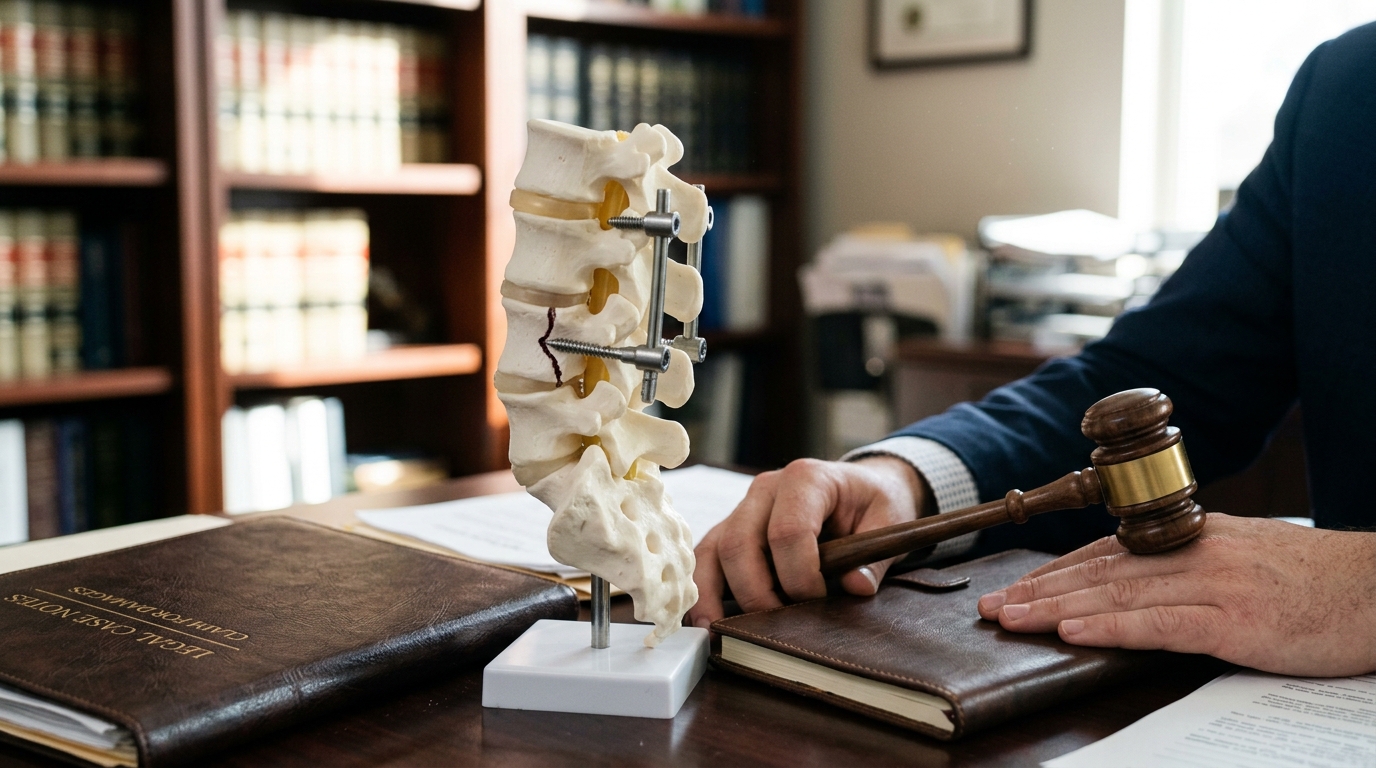
When a routine recovery is interrupted by sudden pain or the loss of mobility, the discovery of a broken screw or a migrated plate can be devastating. Seeking surgical hardware failure compensation is no longer just about addressing a medical setback; it is a critical step in securing the resources needed for complex revision surgeries and long-term rehabilitation. Rising settlement values reflect the severe physical and emotional toll that these defective implants take on patients.
Proving a claim requires a strategic approach that distinguishes between a manufacturer’s product defect and a surgeon’s technical error. Clear diagnostic imaging serves as the cornerstone of these cases, providing undeniable proof of hardware failure that often leads to higher recovery amounts. As the medical industry faces increased scrutiny over orthopedic implant safety, understanding your rights is essential for moving from a failed procedure to a successful recovery.
Key Takeaways
- Maximizing compensation requires distinguishing between product liability claims against manufacturers for design flaws and medical malpractice claims against surgeons for improper installation.
- Objective diagnostic imaging, such as high-resolution X-rays and CT scans, serves as the essential evidence needed to prove mechanical failure and drive higher settlement values.
- The necessity of invasive revision surgery significantly increases claim valuations because it compounds physical trauma, risks of infection, and the emotional toll of a reset recovery timeline.
- The statute of limitations for hardware failure often relies on the ‘discovery rule,’ which may start the filing clock only when a medical professional confirms the defect through imaging.
Distinguishing Product Liability From Medical Malpractice Claims
Determining the source of a hardware failure is the first step in maximizing the value of a compensation claim. When a pin, plate, or rod breaks or migrates, the legal strategy depends on whether the issue stems from a manufacturing defect or a surgical error. Product liability claims focus on the device itself, targeting the manufacturer for design flaws or material weaknesses that led to the premature failure of the implant. In contrast, medical malpractice claims are directed at the surgeon or hospital if the hardware was installed improperly or if the surgeon chose an inappropriate device for the patient’s specific physiological needs.
Proving the cause of the failure requires a technical investigation into the mechanics of why the hardware failed to perform as intended. Success in these high value cases often hinges on specific evidence that clearly differentiates between a faulty product and a physician’s negligence. Key factors that influence this distinction include:
- The timing of the failure, as immediate post-surgical issues often point to installation errors while long-term structural breaks may suggest material fatigue.
- Objective imaging, such as X-rays or CT scans, that shows whether screws were stripped during insertion or if the metal itself snapped under normal physiological load.
- Recalls or safety alerts issued by regulatory bodies regarding specific batches or models of orthopedic implants.
- The presence of cold welds or other manufacturing anomalies that are visible once the hardware is removed during a revision surgery.
The financial stakes in these cases have risen significantly in 2025 and 2026 due to the extreme physical and emotional toll of revision procedures. Courts and insurance carriers increasingly recognize that a second surgery to remove broken hardware is not a standard part of recovery but a traumatic corrective measure. This leads to higher settlements for non-economic damages, particularly when the failure results in permanent nerve damage or chronic pain. By accurately identifying whether the fault lies with the manufacturer or the surgeon, claimants can ensure they are pursuing the correct insurance policies and maximizing their potential recovery.
Calculating Damages For Invasive Revision Surgery Procedures
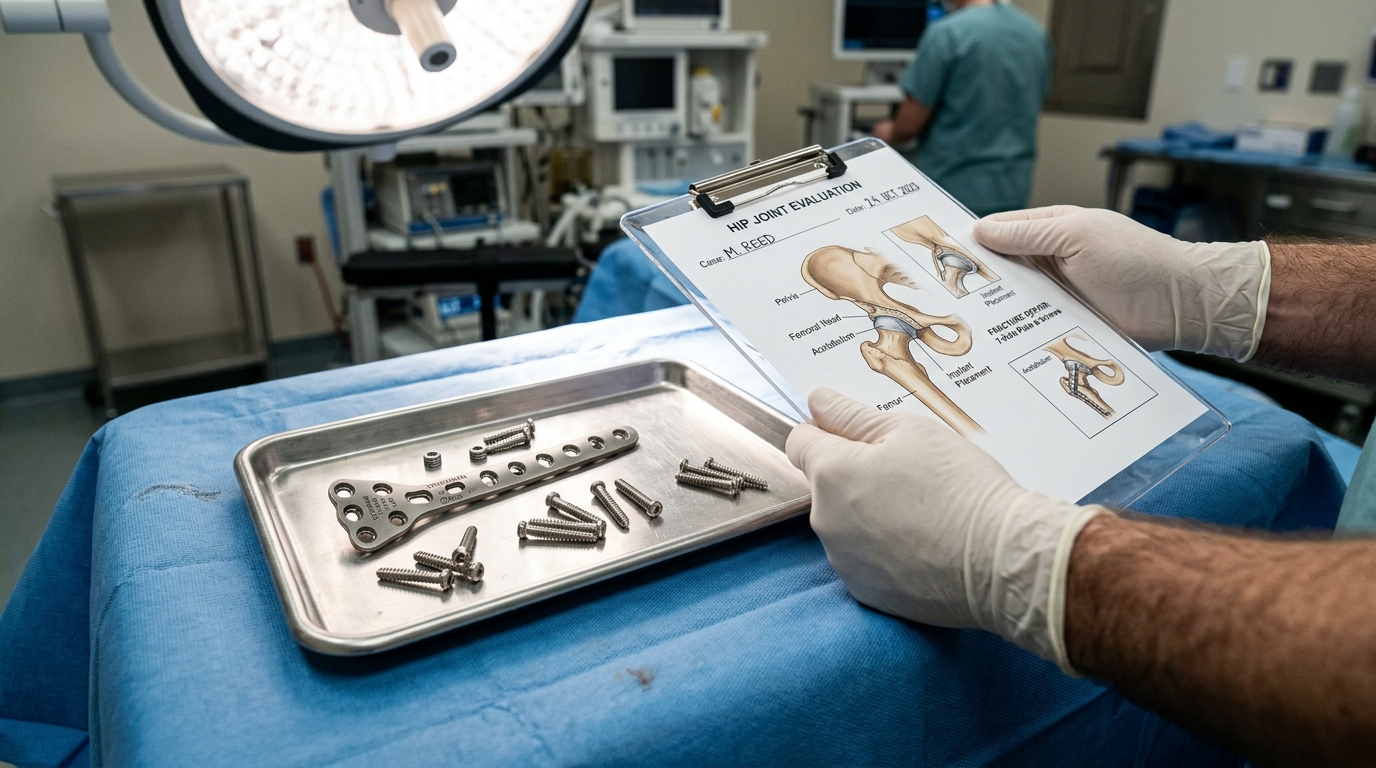
When surgical hardware such as plates, pins, or rods fail, the resulting revision surgery is far more than a simple correction of the original procedure. Legal valuations for these claims increase substantially because a second invasive operation compounds the physical trauma and psychological distress already endured by the patient. Courts and insurance adjusters recognize that revision surgery involves navigating scar tissue, higher risks of infection, and often more extensive bone loss than the initial surgery. These factors directly influence the calculation of non-economic damages, as the claimant is forced to undergo a repetitive and often more painful recovery period.
The financial recovery in hardware failure cases is driven by a combination of tangible medical costs and the subjective impact on the victim’s quality of life. Because hardware failure often requires specialized surgeons and extended hospital stays, the economic burden grows exponentially. Beyond the bills, the objective evidence provided by imaging makes these high value claims difficult for defendants to dispute. Several key factors contribute to the increased compensation profile in these specific cases:
- The necessity of additional anesthesia and the inherent risks of a second major surgical event.
- Documented evidence of hardware migration, snapping, or loosening through X-rays and CT scans.
- Extended periods of lost wages and diminished future earning capacity during the secondary recovery phase.
- Increased long term disability ratings resulting from the degradation of bone or tissue integrity.
As of 2026, legal standards have placed a premium on the loss of enjoyment of life specifically tied to the setback of a failed implant. A patient who was expecting to return to work or hobbies but is instead sidelined by a broken screw or migrated plate suffers a unique form of frustration. This disruption to the expected healing timeline is a powerful component in settlement negotiations, often leading to higher payouts to account for the prolonged period of suffering. When a manufacturer or surgeon is held liable, the compensation must reflect not just the cost of the new hardware, but the entire physical and emotional toll of starting the recovery process from zero.
Essential Evidence For Proving Implant Hardware Failure
Securing maximum compensation for a surgical hardware failure requires undeniable objective proof that the implant did not perform as intended. Diagnostic imaging, such as high resolution X-rays, CT scans, and MRIs, serves as the primary evidence by capturing clear visuals of broken screws, migrated plates, or metal fatigue. These images transform an abstract claim of pain into a visible, physical reality that insurance companies and juries cannot easily dismiss. When a revision surgery is required to remove or replace the failed device, the pathology and operative reports also become critical tools for your legal strategy. These documents provide a professional medical account of how the hardware failure damaged surrounding tissue or bone, directly linking the mechanical defect to your physical suffering.
The strength of a product liability or medical malpractice claim often hinges on the specific findings documented by medical professionals immediately following the complication. To build a robust case for a higher settlement, you should ensure that your legal team has access to a comprehensive set of diagnostic records. These records provide the technical foundation needed to prove that the hardware failure was not a routine recovery hurdle but a significant medical setback.
- High-resolution X-rays that clearly display snapped screws or fractured rods.
- CT scans that illustrate the migration of plates or the loosening of joint components.
- Pathology reports documenting metallosis or tissue necrosis caused by hardware degradation.
- Operative notes from revision surgeries detailing the difficulty of removing the failed device.
- Photographic evidence of the hardware after it has been surgically extracted from the body.
As the legal environment in 2026 continues to see rising settlement values for orthopedic complications, the presence of clear imaging can be the deciding factor in your case. Because revision surgeries are invasive and carry higher risks than initial procedures, the compensation must account for the additional trauma and extended recovery period. Objective evidence removes the guesswork from the negotiation process, allowing your representatives to demand a settlement that reflects the true cost of corrective surgery and long-term rehabilitation. By meticulously documenting the mechanical failure of the pins, plates, or rods, you position yourself to hold manufacturers or negligent providers fully accountable for the disruption to your life.
Navigating Statutes Of Limitations For Defective Implants

Time is a critical factor when seeking compensation for hardware failure, as most jurisdictions impose a strict two to three year window to initiate a legal claim. This timeframe, known as the statute of limitations, begins the moment the injury occurs or when a person should have noticed the complication. Because orthopedic implants like plates and rods are internal, failures such as metal fatigue or screw migration may not be immediately obvious through physical symptoms alone. Missing these deadlines can permanently bar you from recovering damages for the high costs of revision surgery and extended rehabilitation.
The legal system acknowledges that internal hardware issues are often invisible, applying the discovery rule to protect patients who experience delayed complications. Under this rule, the filing clock may not start until the exact moment a medical professional confirms the hardware has broken, migrated, or malfunctioned through diagnostic imaging. This extension is vital for claimants who only discover a defective implant months or years after the initial procedure during a routine follow up or due to sudden, unexplained pain. Documenting the precise date of this discovery is essential for building a successful product liability or malpractice case.
- Retain all imaging reports, such as X-rays or CT scans, that clearly visualize the broken or migrated hardware.
- Maintain a detailed log of when new symptoms began and the date your surgeon confirmed a mechanical failure.
- Preserve the physical hardware if it is removed during a revision surgery, as it serves as primary evidence of a defect.
- Act quickly following a diagnosis to ensure your legal team has sufficient time to investigate the manufacturer’s history.
Navigating these timelines requires a proactive approach to navigating medical decisions and legal consultation. Because the field of orthopedic litigation is constantly evolving, understanding how your specific state applies the discovery rule can significantly impact your settlement value. High value claims in 2025 and 2026 often hinge on the ability to maximize your claim by proving that the failure was a result of a manufacturing defect or improper installation rather than natural wear. Ensuring your claim is filed within the legal window is the first and most important step toward securing the compensation needed for your recovery.
Securing Compensation for Surgical Hardware Malfunctions
Pursuing compensation for surgical hardware failure requires a systematic approach to documenting both the physical evidence of the malfunction and the resulting financial impact. You must first secure all diagnostic imaging, such as X-rays or CT scans, that clearly show migrated plates or broken screws to establish objective proof of the failure. These images serve as the foundation of your claim, proving that your complications are the direct result of a hardware issue rather than a routine part of the healing process. Once the failure is documented, your legal team will determine if the path forward involves a product liability claim against the manufacturer or a medical malpractice suit against the surgical provider.
Managing the complexities of orthopedic implant litigation in 2025 and 2026 is challenging because settlement values are increasingly tied to the necessity of invasive revision surgeries. These secondary procedures are legally recognized as significant setbacks that compound your pain, suffering, and long term recovery timeline. Because insurance carriers often attempt to minimize these high value complications, having professional legal guidance is essential to identify medical provider mistakes and ensure every aspect of your hardware failure is accounted for in negotiations. Professional advocacy ensures that you do not settle for an amount that fails to cover the future medical costs associated with permanent hardware adjustments or replacements.
If you are facing hardware complications while managing an active claim, it is vital to understand how these setbacks influence your total recovery. Ensuring your financial future is protected starts with knowing whether the insurance company is truly accounting for the long term impact of revision surgeries. To learn more about how professional legal services can help you with surgical hardware failure compensation, explore your guide to the workers comp comprehensive solutions. Taking this step will help you gain the clarity needed to secure the full value of your claim and move forward with your recovery.
Frequently Asked Questions
1. What is the difference between a product liability claim and medical malpractice?
Product liability claims target the manufacturer for design flaws or material weaknesses in the implant itself. Medical malpractice claims are filed against the surgeon or hospital if the hardware was installed improperly or if the incorrect device was selected for your needs.
2. How do I prove that my surgical hardware has failed?
Clear diagnostic imaging serves as the cornerstone of your case by providing undeniable proof of a broken, migrated, or defective implant. This evidence is critical for distinguishing between a manufacturing defect and a technical surgical error to maximize your recovery amount.
3. Why is seeking compensation necessary after a hardware failure?
Seeking compensation is a vital step in securing the financial resources required for complex revision surgeries and long-term rehabilitation. It addresses both the physical setback and the emotional toll caused by defective implants or failed procedures.
4. What types of implants are commonly involved in these legal claims?
Legal claims often involve orthopedic hardware such as pins, plates, rods, and screws that break or migrate prematurely. These cases require a technical investigation into the mechanics of the device to determine why it failed to perform as intended.
5. Will a hardware failure claim result in a higher settlement value?
Recent trends show rising settlement values because courts and insurers increasingly recognize the severe impact these failures have on your mobility and quality of life. High value cases typically hinge on specific evidence that clearly identifies the source of the failure.
6. What should I do if I suspect my implant has migrated or broken?
You must immediately obtain diagnostic imaging to document the failure and consult with a legal expert to determine if the manufacturer or surgeon is liable. Understanding your rights is essential for moving from a failed procedure to a successful recovery.