When you’re dealing with a workplace injury, the path to recovery should be a straight line, yet many employees find themselves trapped in a frustrating cycle of administrative red tape. A workers comp surgery delay can turn a manageable injury into a chronic condition, leaving you in pain while you wait for authorization. Recent data shows that wait times for surgical procedures have increased significantly across dozens of states, often adding weeks of unnecessary suffering to an already stressful situation.
This bottleneck is frequently caused by a combination of staffing shortages, mounting federal backlogs, and the lingering aftereffects of the global pandemic. While the system is designed to provide timely medical care, the reality is that many claims are stalled by a shrinking workforce of claims processors and a surge in new injury reports. Understanding why these delays happen is the first step in navigating the complexities of the system and regaining control over your physical recovery.
Key Takeaways
- Insurance companies use ‘delay and pray’ tactics and Utilization Reviews to intentionally stall surgical authorizations, prioritizing cost containment over patient recovery.
- Prolonged surgical delays can cause physical deterioration and turn manageable workplace injuries into permanent chronic conditions, reducing the likelihood of an optimal medical outcome.
- Administrative bottlenecks and staffing shortages are frequently used as bad faith excuses by adjusters to exhaust an injured worker’s patience and force a lower settlement.
- Legal intervention, such as filing for expedited hearings and challenging biased medical reviews, is often the only effective way to bypass administrative red tape and secure necessary medical care.
Utilization Review And The Medical Necessity Trap
Insurance companies frequently employ a process known as Utilization Review to scrutinize the medical recommendations made by your treating physician. This system allows a third party doctor, who has likely never met you or performed a physical examination, to overrule the necessity of a proposed surgery. These reviewers often prioritize cost containment over patient recovery, leading to immediate denials or requests for additional, redundant documentation. By questioning the medical necessity of a procedure, the insurance carrier effectively creates an administrative blockade that stalls your healing process.
This tactical delay is often referred to as a medical necessity trap because it forces injured workers into a cycle of appeals and peer reviews. While you wait for authorization and a resolution, your physical condition may deteriorate, and the window for an optimal surgical outcome can begin to close. Recent data suggests that these administrative bottlenecks have only worsened in recent years, with many states seeing a significant rise in the time between an injury and the first surgical intervention. These stall tactics serve the insurance company’s bottom line by postponing large payouts, even when a procedure is clearly required for your return to work.
Navigating these bad faith maneuvers requires a firm understanding of how adjusters use “delay and pray” tactics to exhaust your patience. When a legitimate surgical request is buried under a mountain of paperwork or denied by a remote consultant, it is rarely a simple misunderstanding of the facts. Instead, it is often a calculated move designed to discourage you from pursuing the full benefits you are entitled to under the law. Recognizing these bottlenecks as intentional hurdles is the first step in breaking through the administrative red tape and securing the medical intervention you need to regain your quality of life.
Common Insurance Stall Tactics And Bad Faith Delays
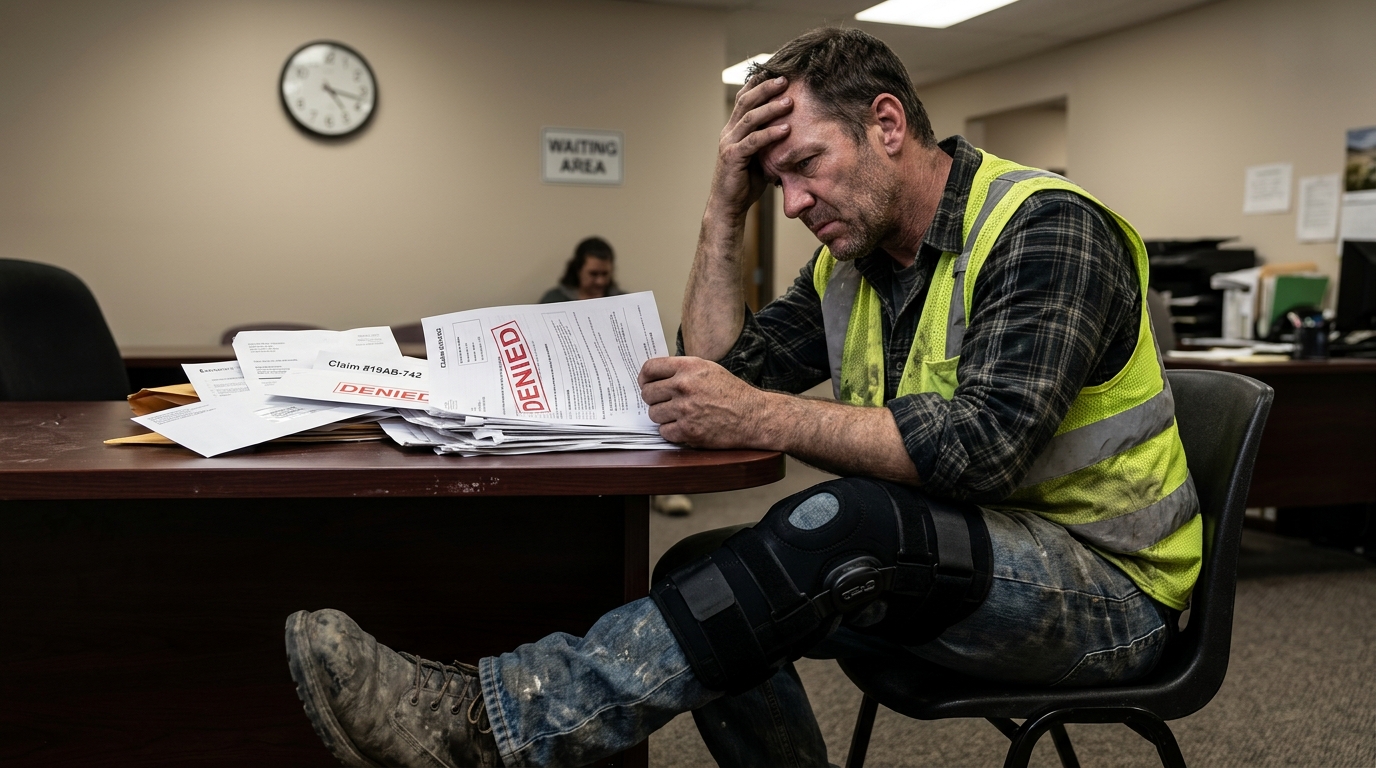
Insurance adjusters frequently employ a strategy known as delay and pray, where they intentionally stall surgical authorizations in hopes that the injured worker will simply give up or settle for a lower amount out of frustration. By dragging out the approval process for necessary medical procedures, insurance companies capitalize on your financial and physical vulnerability during a difficult recovery period. They may claim that files are still under review or that administrative backlogs are preventing progress, even when your treating physician has established a clear medical necessity for the operation. These tactics are often calculated moves designed to protect the insurer’s bottom line rather than your health, leaving you in unnecessary pain while your claim sits on a desk.
One of the most common ways adjusters justify these surgical delays is through the repetitive use of independent medical exams. While these evaluations are framed as objective second opinions, they are often used as a tool to contradict your primary doctor and create a dispute where none should exist. The insurance company might request multiple exams or choose specific doctors known for conservative treatment recommendations to stall your procedure for months. This cycle of endless paperwork and redundant evaluations serves no clinical purpose and is frequently a bad faith attempt to exhaust your resolve.
The impact of these stall tactics is compounded by current systemic backlogs, making it even easier for adjusters to hide behind claims of staffing shortages or processing delays. Recent data shows that the time from injury to the first surgery has increased significantly across many states, providing a convenient excuse for insurance companies to normalize long wait times. When an adjuster ignores your phone calls or repeatedly asks for information they already have, they are likely using these external pressures as a shield for their own inaction. Recognizing these patterns is the first step in holding the insurance company accountable for the medical benefits you were promised under the law.
Legal Strategies To Expedite Delayed Surgical Authorization
Insurance adjusters often utilize “delay and pray” tactics, hoping that by stalling a surgical authorization, the injured worker will either give up or settle for less than their claim is worth. When an insurance company ignores a surgeon’s recommendation or hides behind administrative backlogs, a proactive attorney intervenes by filing for an expedited hearing to force a legal resolution. These hearings bypass the standard waiting periods by demonstrating that the delay is causing irreparable physical harm or extreme financial hardship to the claimant. By bringing the matter before a judge quickly, legal counsel can strip away the adjuster’s ability to use time as a weapon against the worker.
Beyond seeking immediate hearings, legal strategies involve a meticulous challenge of wrongful denials that are often based on biased peer reviews or flawed utilization management reports. An experienced attorney will gather supplemental medical evidence and expert testimony to debunk the insurance company’s claims that a procedure is not “medically necessary.” This aggressive approach signals to the insurer that their bad faith tactics will be met with litigation rather than compliance. By holding the insurance carrier accountable in court, professional legal services ensure that administrative inefficiencies do not become a permanent barrier to a client’s physical recovery.
The surge in claims and shrinking number of claims processors have created a perfect storm for insurers to justify ongoing medical delays. However, these systemic issues do not excuse an insurance carrier’s contractual and legal obligation to provide timely care for workplace injuries. A firm legal strategy involves documenting every instance of missed deadlines and failed communications to build a comprehensive case for sanctions or penalties against the insurer. This pressure often compels adjusters to prioritize the file and grant the necessary surgical authorization to avoid further legal exposure and court-ordered payments.
Don’t Let Insurance Tactics Delay Your Recovery
Recognizing that a workers comp surgery delay is often more than just an administrative backlog is the first step toward regaining control over your recovery. While insurance adjusters may point to pandemic-related shortages or staffing issues, these “delay and pray” tactics are frequently used to stall expensive procedures in hopes that your claim will settle for less. Prolonging the time between an injury and a necessary surgery can lead to permanent physical degradation and chronic pain that complicates your long-term prognosis. You should not have to suffer through weeks or months of intentional stalling while an insurance company prioritizes its bottom line over your health.
Legal intervention is often the only way to break through these bad faith tactics and force a timely authorization for medical care. An experienced advocate can navigate the complexities of utilization reviews and administrative hurdles that adjusters use to block access to your surgeon. By holding the insurance carrier accountable for their legal rights and obligations, you ensure that your medical needs are prioritized and your path to physical rehabilitation remains clear. Securing professional guidance helps you avoid the common mistakes that lead to a workers comp claim denied and unnecessary suffering.
Navigating the various medical evaluations required to move your case forward is a critical part of this process. To learn more about how denied medical treatment options can help you with workers comp surgery delay, explore our comprehensive solutions. Understanding which medical professional will evaluate your need for surgery versus conservative treatment can make a significant difference in the speed and success of your treatment plan. Taking the right steps now will help you secure the medical care you deserve and ensure your long-term recovery is not compromised by corporate delay tactics.
Frequently Asked Questions
1. Why is my workers comp surgery being delayed?
Delays are frequently caused by a combination of staffing shortages, federal backlogs, and administrative red tape within the insurance system. These bottlenecks are often exacerbated by a shrinking workforce of claims processors who struggle to keep up with a surge in new injury reports.
2. What is a Utilization Review and how does it affect my claim?
Utilization Review is a process where a third party doctor hired by the insurance company evaluates your physician’s recommendations. These reviewers often prioritize cost containment and may deny your surgery without ever performing a physical examination on you.
3. What is the medical necessity trap?
The medical necessity trap occurs when an insurance carrier questions the clinical need for your procedure to create an administrative blockade. This forces you into a cycle of appeals and peer reviews that can cause your physical condition to deteriorate while you wait for a resolution.
4. Can an insurance company doctor overrule my treating physician?
Yes, insurance companies use independent reviewers to scrutinize and potentially overrule the medical necessity of a proposed surgery. This often leads to immediate denials or requests for redundant documentation, even if your primary doctor insists the procedure is urgent.
5. How do staffing shortages impact my surgical authorization?
A shrinking workforce of claims processors means there are fewer people available to review and approve medical requests. This lack of personnel creates a significant backlog, adding weeks or even months of unnecessary waiting to your recovery timeline.
6. What are the risks of waiting too long for workers comp surgery?
Delaying necessary surgery can turn a manageable injury into a permanent chronic condition. Waiting too long may also close the window for an optimal surgical outcome, making it much harder for you to regain full physical function and return to work.