Following the landmark One Big Beautiful Bill Act (OBBBA), workplace compliance requirements have shifted dramatically. Whether it involves payroll taxes, new hire documentation, or workplace injuries, the consequences of an employer failing to report mandatory data are more severe than ever in 2026. Federal agencies have transitioned to AI-driven enforcement systems that cross-reference filings in near real-time, making minor discrepancies a major financial liability.
The introduction of new reporting thresholds and specialized W-2 codes for tips and overtime has added complexity to standard business operations. Failing to adapt to these 2026 mandates does not just invite IRS audits; it can actively prevent employees from accessing critical federal tax deductions. Managing these heightened penalty thresholds requires a proactive approach to ensure every payment and incident is documented according to the latest legislative standards.
Key Takeaways
- The One Big Beautiful Bill Act (OBBBA) has implemented AI-driven enforcement systems that cross-reference payroll and medical records in real-time, making reporting discrepancies a major financial and criminal liability.
- Employers who suppress workplace injury reports to avoid rising insurance premiums or audits are violating federal law and stripping workers of essential medical and wage replacement benefits.
- Workers must bypass negligent management by filing independent claims directly with state boards within strict 30-day statutory windows to preserve their legal right to compensation.
- Modern labor statutes provide robust protection against workplace retaliation and gaslighting, ensuring employees cannot be fired or harassed for demanding formal documentation of an accident.
Legal Consequences When Employers Hide Workplace Accidents
When an employer intentionally hides a workplace accident, they are actively violating strict state and federal mandates. Under the 2026 regulations established by the One Big Beautiful Bill Act (OBBBA), the legal timeline for reporting injuries has been shortened to ensure immediate transparency and worker protection. If a supervisor attempts to discourage a claim or suggests handling medical costs informally, they are likely trying to avoid the steep financial penalties associated with non-compliance. These laws exist to prevent companies from manipulating employees into forfeiting their rightful benefits through intimidation or silence.
The penalties for failing to report required injury data have reached record highs in 2026, often resulting in mandatory audits and massive fines that far exceed the cost of a standard claim. Beyond administrative fines, companies that suppress injury reports can face criminal charges for insurance fraud or willful negligence. New AI-driven enforcement systems now allow regulatory agencies to cross-reference medical records with payroll data, making it nearly impossible for dishonest employers to keep accidents off the books. Workers have a legal right to a documented paper trail, and any attempt by management to bypass these official channels is a serious breach of labor law.
Victims of workplace accidents who are being pressured to stay quiet must recognize that their future medical coverage and wage replacement depend on official reporting. By failing to file the necessary paperwork, an employer is effectively stripping away a legal safety net and leaving the worker vulnerable to long-term physical and financial hardship. Taking immediate action to document the incident through independent legal or medical channels is the best way to combat an employer acting in bad faith. Workers are protected from retaliation under modern labor statutes, ensuring they can hold a company accountable for failing to follow the law.
Protecting Your Workers Compensation Benefits After Non-Reporting
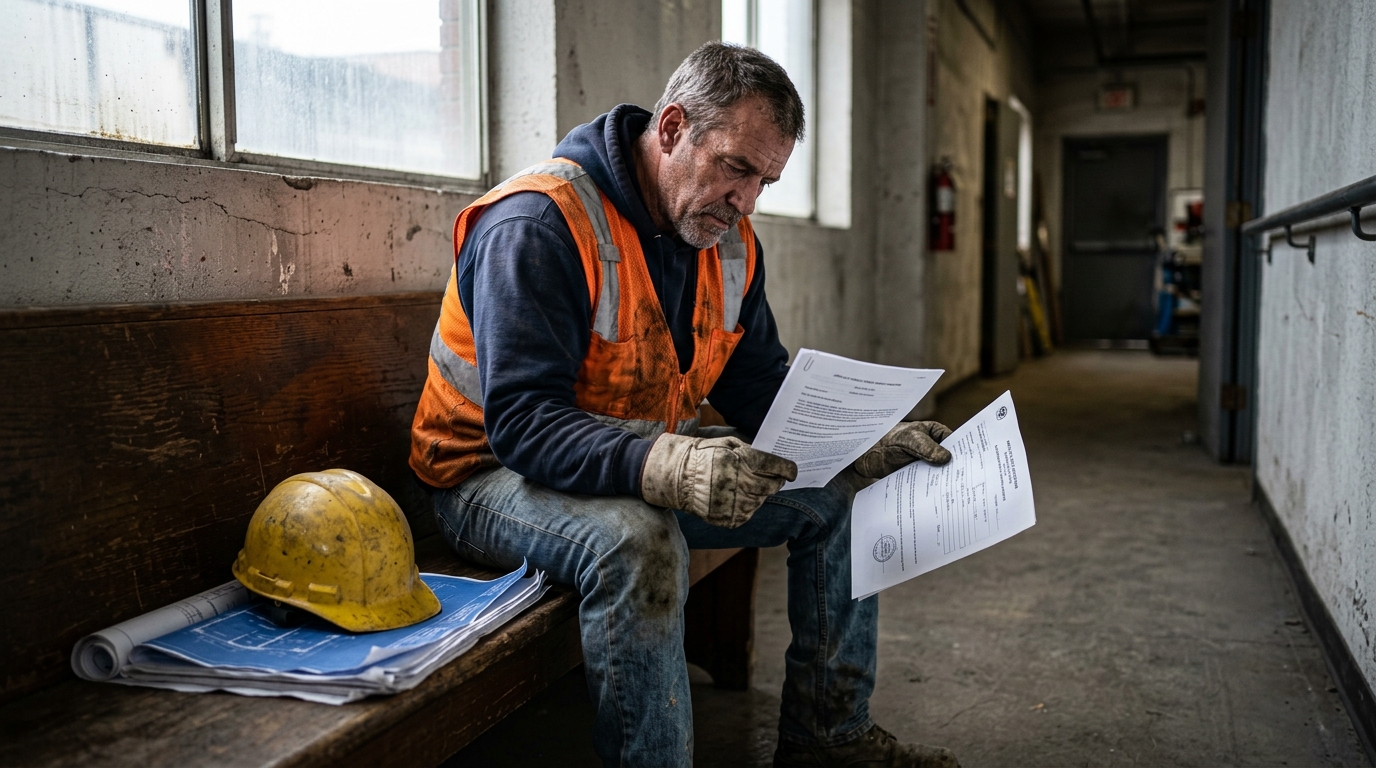
If an employer fails to report a workplace injury, it may feel like access to medical care and lost wages has been permanently blocked. This tactic is often used to keep insurance premiums low or to hide safety violations, but a refusal to file paperwork does not negate legal rights to benefits. Immediate action is required by filing independent claims directly with the state workers compensation board to establish an official record of the incident. Waiting for a supervisor to act can result in missed deadlines and the loss of the right to seek financial recovery. Documenting every interaction regarding the injury will serve as critical evidence if the employer continues to deny that the accident occurred.
Securing benefits requires a proactive approach that bypasses workplace gatekeepers acting in bad faith. Start by seeking medical attention from an authorized provider and clearly stating that injuries are work-related so the medical reports align with the claim. It is also helpful to gather witness statements and photos of the accident scene before evidence is cleared away or altered. Under the One Big Beautiful Bill Act (OBBBA), employers face stricter penalties for failing to report required information, which provides additional leverage when reporting non-compliance to state authorities. Protecting a livelihood depends on the willingness to advocate for oneself when a company fails to follow the law.
Identifying Retaliation And Gaslighting In The Workplace
When an employer fails to report a workplace accident, they often rely on psychological tactics to keep the incident hidden and avoid insurance premium spikes. An employee might be told that the injury was their fault, that it is not serious enough to document, or that reporting it will jeopardize the company safety record and coworker bonuses. This form of manipulation is designed to make workers doubt their own physical pain and legal rights while the window for filing a claim closes. By framing the accident as a personal mistake rather than a professional liability, management attempts to shift the burden of medical costs and lost wages directly onto the employee.
The One Big Beautiful Bill Act provides a vital shield for employees facing this type of intimidation and administrative negligence. Under this legislation, employers are strictly prohibited from retaliating against staff members who insist on formal documentation of workplace injuries. The law recognizes that failing to report is a serious violation, and it offers specific protections to ensure workers cannot be fired, demoted, or harassed for seeking the benefits they deserve. If a supervisor is pressuring an employee to keep quiet or is ignoring requests for a claim form, they are violating federal mandates designed to keep the workplace transparent.
Recognizing these manipulation tactics is the first step toward securing financial and physical recovery. Retaliation often starts subtly, such as sudden changes in shift schedules or exclusion from team meetings, but these retaliation warning signs serve as clear indicators of an employer trying to suppress a report. With the increased penalty thresholds established in 2025, companies now face harsher consequences for hiding accidents than ever before. Employees have the legal authority to demand that an injury be recorded, and the retaliation laws explained in modern statutes stand firmly on their side to prevent professional blowback.
Critical Deadlines For Filing Independent Injury Reports

When an employer fails to report a workplace injury, they essentially strip away immediate access to medical coverage and wage replacement benefits. This delay is often a calculated move to protect insurance premiums or avoid safety inspections, but it leaves the worker in a vulnerable legal position. Under the One Big Beautiful Bill Act of 2025, the window for taking independent action has become even more precise, requiring employees to act quickly when a supervisor refuses to file the necessary paperwork. Workers are not required to wait for permission to seek justice, and filing an independent claim is often the only way to stop the manipulation and secure rights. Most states provide a narrow 30-day statutory windows, often as short as thirty days, to bypass an employer and report the incident directly to the state insurance board.
Waiting for a negligent employer to act can be a costly mistake that permanently disqualifies a worker from receiving compensation. If an employer has ignored written notice or claims they have no record of the accident, the burden of proof shifts toward the ability to meet strict filing deadlines. These timelines are non-negotiable and do not pause because a workplace is conducting an internal investigation or promising to handle things privately. Initiating an independent report creates an official paper trail that prevents the company from later claiming the injury happened outside of work hours. By acting within the legal timeframe, workers ensure that the 2026 reporting mandates work in their favor rather than allowing a dishonest employer to hide the incident.
The legal environment in 2026 places a high premium on the speed and accuracy of independent filing. Failing to meet these urgent deadlines can result in a total loss of benefits, even if the injury was clearly the fault of the company. It is necessary to gather all available evidence, such as witness statements or medical records from the day of the accident, to support a direct filing with the state. This proactive approach bypasses the administrative gatekeeping often used by supervisors to suppress claims and protect their own interests. Protecting a livelihood requires recognizing how long you have to file a report, making adherence to statutory deadlines the most critical part of recovery.
When Your Employer Fails to Report Your Injury
Navigating the aftermath of a workplace accident is difficult enough without the added stress of an employer who refuses to file the necessary paperwork. When an employer fails to report an injury, they are not just being negligent, they are actively obstructing the right to medical care and financial stability. Under the updated mandates of the One Big Beautiful Bill Act, these reporting failures carry steeper consequences than ever before. Workers should not have to pay out of pocket for a recovery that an employer is legally required to fund. Understanding why formal claims protect your future is essential when deciding how to proceed against a non-compliant company. Seeking professional legal counsel is the most effective way to address the situation and force a company to acknowledge the incident officially.
Holding an employer accountable ensures that workers are not left vulnerable to mounting medical bills or lost wages due to silence. Legal experts can help document the failure to report and leverage 2026 reporting thresholds to secure the benefits deserved. Without a formal claim on file, there is a risk of losing access to essential services like physical therapy or specialized consultations. It is vital to act quickly to protect health and a professional future before deadlines pass. For those concerned about the financial implications of a case, more information is available regarding whether a workers comp settlement is taxable according to IRS rules. If you discover your company lacks coverage, following essential uninsured employer claim steps can help you recover the compensation you are owed.
Frequently Asked Questions
1. What is the One Big Beautiful Bill Act (OBBBA) and how does it affect reporting?
The OBBBA is a landmark piece of legislation that significantly increases the legal requirements for workplace compliance and reporting. It introduces AI-driven enforcement systems that cross-reference filings in real time, making even minor administrative oversights a major financial liability.
2. What happens if my employer fails to report my new hire documentation?
Failure to report mandatory new hire data can prevent access to critical federal tax deductions. Under the 2026 mandates, these discrepancies trigger immediate federal audits and can result in severe penalties for the company.
3. Why would an employer try to hide a workplace accident?
Employers often hide accidents to avoid the record-high financial penalties and mandatory audits associated with the 2026 OBBBA regulations. They may attempt to handle medical costs informally to keep their safety record clean and prevent insurance premiums from rising.
4. What should I do if my supervisor asks me not to file an injury claim?
A supervisor asking for silence is likely violating federal mandates. It is important to prioritize legal rights to benefits and protection, as the law forbids companies from intimidating workers into forfeiting their rightful claims.
5. How has the timeline for reporting injuries changed in 2026?
The legal timeline for reporting workplace injuries has been significantly shortened to ensure immediate transparency and worker protection. All incidents must be documented according to these tighter legislative standards to avoid losing eligibility for benefits.
6. Are there new requirements for reporting tips and overtime?
Yes, the 2026 regulations introduced specialized W-2 codes and new reporting thresholds specifically for tips and overtime. Failing to adapt to these documentation requirements can lead to an IRS audit and significant financial consequences for the business.
7. How are federal agencies catching reporting errors in 2026?
Federal agencies now utilize advanced AI-driven enforcement systems that monitor and cross-reference all payroll and incident filings. These systems are designed to detect discrepancies instantly, leaving no room for manual errors or intentional non-compliance.