When you’re sidelined by a workplace accident, the uncertainty of your financial future can be more overwhelming than the physical recovery itself. Understanding the work injury lawsuit timeline is essential for managing expectations, as most standard cases in 2026 range from 12 to 18 months to reach a resolution. While strict reporting deadlines require immediate action, the path to a fair settlement is often a marathon. Knowing these milestones helps you regain a sense of control during a difficult time.
The middle phase of your case, centered on medical recovery and legal discovery, is typically where the most significant delays occur. Reaching Maximum Medical Improvement (MMI) is a critical turning point that ensures your compensation reflects the full extent of your long-term needs. While complex or disputed litigation can push the process to three years or more, staying informed about procedural requirements prevents avoidable setbacks. Navigating this journey with patience and strategic preparation is the most effective way to secure the benefits you deserve.
Key Takeaways
- Standard work injury lawsuits typically range from 12 to 18 months, though complex litigation or disputed claims can extend the process to three years or more.
- You must formally notify your employer of an injury in writing within 30 days to establish a paper trail and prevent insurance companies from denying the claim on technicalities.
- Reaching Maximum Medical Improvement (MMI) is a mandatory milestone for accurately calculating the full value of future medical costs and permanent disability benefits.
- The discovery phase, lasting 6 to 18 months, is a critical period where evidence is exchanged and depositions are taken to build a strong foundation for final settlement negotiations.
Critical Deadlines For Initial Injury Reporting
The clock starts ticking the moment an accident occurs, and missing the initial reporting window can jeopardize your entire claim before it even begins. In most jurisdictions, you have a strict thirty day window to formally notify your employer of your injury in writing. While you might feel pressured to wait and see if the pain subsides, delaying this step often gives insurance companies a reason to argue that the injury happened outside of work. Providing immediate notice creates a clear paper trail and establishes the necessary foundation for any future legal action.
Once your employer is notified, the insurance carrier enters a review period that typically lasts between fourteen and ninety days. During this phase, the insurer will investigate the circumstances of the accident to determine if they will accept or deny the claim. This period is often the first source of frustration for injured workers who are waiting on vital medical authorizations or wage replacement benefits. Understanding these specific timeframes helps you manage expectations while the carrier conducts its due diligence and internal discovery.
Navigating these early deadlines is a critical hurdle in the broader timeline of a work injury case. If the insurance carrier uses the full ninety day investigation period, it can feel like your case is at a standstill, but these procedural steps are mandatory. By meeting your reporting obligations early, you prevent the defense from using technicalities to dismiss your case later on. Staying proactive during these first three months ensures that your claim remains on track for the more complex phases of medical recovery and litigation.
Reaching Maximum Medical Improvement And Discovery
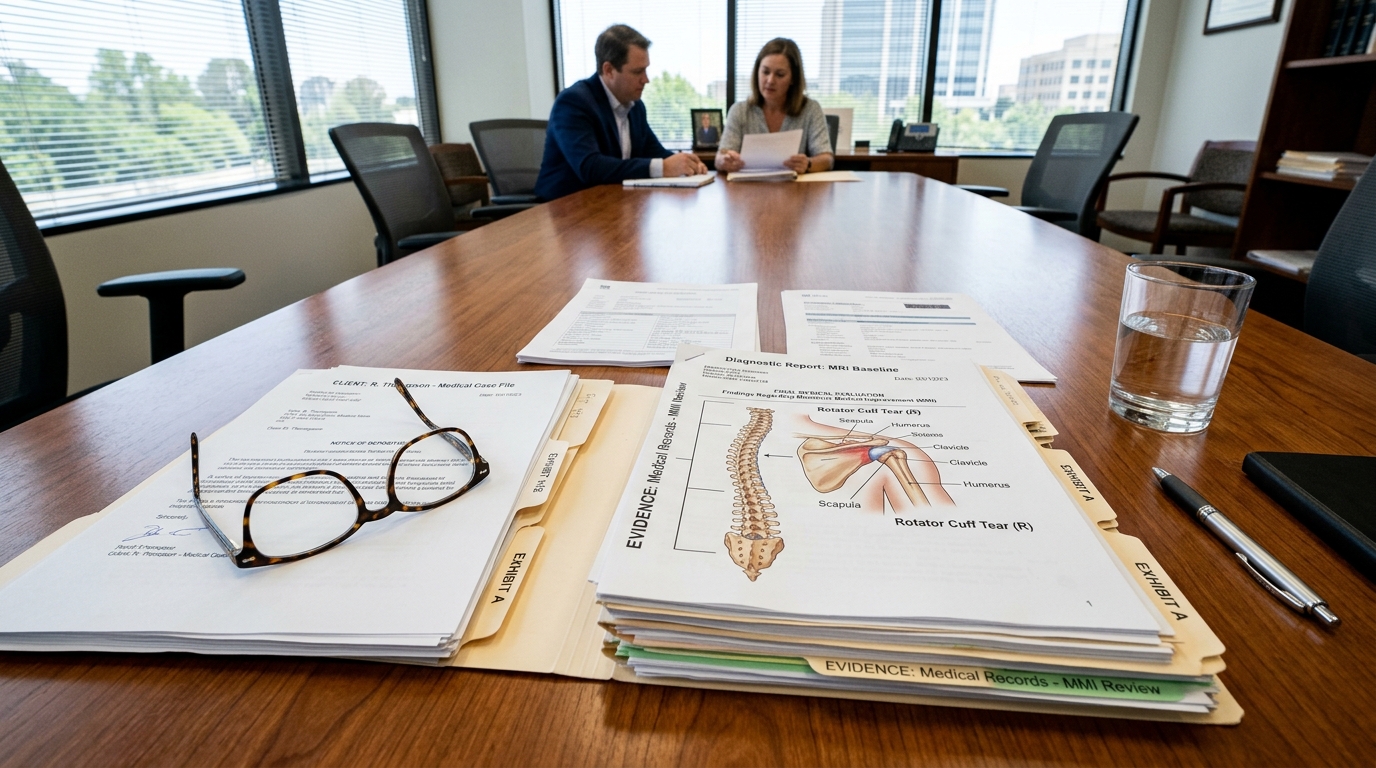
The timeline of your work injury lawsuit is fundamentally tied to your physical recovery, specifically the milestone known as Maximum Medical Improvement. This phase occurs when a physician determines that your condition has stabilized and no further significant improvement is expected, even with additional treatment. Reaching this point is critical because it allows your legal team to accurately calculate the full value of your future medical costs and permanent disability benefits. Attempting to settle or rush to trial before reaching this stage often results in leaving substantial money on the table, as you cannot reopen a case for unforeseen complications once it is closed.
Once your medical status is clear, the case enters the discovery phase, which is often the most time consuming portion of the legal process. During this period, which typically lasts between 6 and 18 months, both sides exchange evidence, review personnel files, and conduct formal interviews known as depositions. This intensive investigation ensures that every fact regarding the accident and your resulting limitations is documented and verified. While the wait can be frustrating for those eager for a resolution, this meticulous exchange of information is necessary to build a strong foundation for your claim.
The duration of this middle phase is often where the most significant delays occur, but it serves as the primary engine for a successful outcome. Professional legal services use this time to subpoena records and consult with vocational experts to prove how the injury has impacted your earning capacity. Because insurance companies often use this period to look for inconsistencies, maintaining thorough communication with your legal counsel is vital. Understanding that these procedural steps are designed to protect your interests can help manage the frustration of a timeline that often extends beyond a year.
Litigation Phases And Final Settlement Negotiations
The final phases of a work injury lawsuit often feel like the most intense period because they occur just as your patience may be wearing thin. Once you reach Maximum Medical Improvement, your attorney begins the critical work of leveraging expert medical testimony to prove the long term impact of your injuries. This stage is where the 12 to 18 month timeline often culminates, as both sides review depositions and medical records to determine the true value of the claim. While it is frustrating to wait through months of discovery, this detailed preparation is what creates the necessary pressure for a favorable resolution.
Settlement negotiations typically intensify once the evidence is fully organized and the threat of a trial becomes imminent. Your legal team will use the gathered documentation to push for a figure that covers your future medical needs and lost wages, often through formal mediation sessions. If the insurance company refuses to offer a fair settlement, the case will proceed toward a formal hearing or trial, which can extend the timeline to three years or more. Understanding this procedural length helps you stay focused on the long term goal of securing the maximum compensation rather than accepting a low initial offer out of frustration.
What to Expect During the Lawsuit Timeline
Navigating the timeline of a work injury lawsuit requires a balance of patience and proactive management, especially when the process typically spans 12 to 18 months. While initial reporting happens quickly, the middle phase of discovery and reaching Maximum Medical Improvement often creates the most significant delays for frustrated claimants. Understanding that complex litigation can extend beyond three years allows you to set realistic expectations and avoid the stress of unexpected procedural hurdles. By focusing on accurate documentation and consistent medical follow ups, you can help ensure your case moves as efficiently as possible through the legal system.
The speed of your recovery and the clarity of medical evidence are the primary drivers of how quickly a settlement can be reached. Disputed claims or disagreements over your level of permanent disability often necessitate expert evaluations to move the case forward. Choosing the right medical evaluator is a critical step that can either streamline your timeline or add months of bureaucratic back and forth. To ensure you are taking the most effective route for your specific situation, you can learn more about the QME vs AME Differences: Choosing the Right Path for Your Workers Compensation Claim to better understand how these evaluations impact your overall strategy.
Frequently Asked Questions
1. How long does a typical work injury lawsuit take to resolve?
Most standard cases in 2026 range from 12 to 18 months to reach a final resolution. While you may want a faster outcome, the process is a marathon that requires patience to ensure you receive a fair settlement.
2. What is the deadline for reporting a workplace injury to my employer?
In most jurisdictions, you have a strict thirty day window to formally notify your employer of your injury in writing. You should provide this notice immediately to create a clear paper trail and prevent insurance companies from questioning the origin of your injury.
3. How long does the insurance company have to investigate my claim?
Once your employer is notified, the insurance carrier enters a review period that typically lasts between fourteen and ninety days. During this time, they investigate the circumstances of the accident to determine if they will accept or deny your claim.
4. What is Maximum Medical Improvement and why is it important?
Maximum Medical Improvement, or MMI, is the point where your condition has stabilized and no further functional improvement is expected. Reaching this milestone is critical because it ensures your compensation reflects the full extent of your long-term medical and financial needs.
5. What factors can cause a work injury case to take longer than three years?
Complex litigation or significant disputes over liability can push the timeline to three years or more. These delays often occur during the legal discovery and medical recovery phases where detailed evidence must be gathered and analyzed.
6. Can I lose my right to benefits if I wait to report my injury?
Yes, missing the initial reporting window can jeopardize your entire claim before it even begins. It is vital to understand how long you have to file a claim, as delaying notice gives insurance companies a reason to argue the injury happened outside of work, making immediate action essential for your legal protection.