
When an insurance claim becomes disputed, a single conversation with an adjuster can affect your coverage, settlement, or future legal options. The term “adjuster communication attorney” generally describes the rules and strategies governing contact among adjusters, claimants, policyholders, and their attorneys. Knowing who may communicate with whom, and when, can help prevent unauthorized contact, misstatements, and avoidable delays.
Once an attorney represents a party in the matter, communications about the dispute typically should go through counsel unless the attorney consents or a law or court order permits otherwise. The details vary by jurisdiction and claim type, making careful documentation and clear communication essential. Understanding these boundaries can protect your rights while keeping the claims process focused and professional.
Key Takeaways
- Once an attorney represents you in a disputed insurance claim, direct communications about the matter generally should go through counsel unless the attorney consents or applicable law permits otherwise. Notify the insurer in writing and provide your attorney’s contact information.
- Treat every statement to an adjuster as significant: answer truthfully, avoid guessing or unnecessary explanations, and consult an attorney before giving a recorded statement, signing broad authorizations, or discussing disputed issues.
- Preserve and organize all claim evidence, including medical records, bills, repair estimates, photographs, correspondence, deadlines, and notes of calls. A complete, consistent record supports accurate responses and helps challenge disputes over liability, coverage, or damages.
- Do not accept a settlement or sign a release before the full extent of your injuries, losses, coverage, and future expenses is understood. Legal review is especially important when injuries are significant, liability or coverage is disputed, or the insurer pressures you to resolve the claim quickly.
Introduction to Adjuster Communication Attorney
An “adjuster communication attorney” is not a formal legal title, but the phrase generally describes an attorney who helps a policyholder, injured claimant, or insured individual manage communications with an insurance claims adjuster. The attorney can review claim letters, explain policy language, organize supporting records, and help ensure responses are accurate and complete. This assistance is especially valuable when a claim involves disputed liability, significant injuries, coverage questions, or potential litigation. Depending on the circumstances and applicable law, an attorney may also communicate directly with the adjuster and negotiate on the client’s behalf.
Statements made to an adjuster can affect how an insurer evaluates responsibility, damages, and coverage. A recorded statement may be taken out of context, while incomplete disclosures or inconsistent claim information can create avoidable credibility issues. Claimants may also face pressure to accept a premature settlement before the full extent of medical treatment, lost income, or future expenses is known. Legal guidance can help identify what information should be provided, what should be clarified, and when a proposed settlement may not adequately protect the client’s rights.
Early consultation with an attorney can reduce communication risks and support more organized claim management. Counsel may help prepare a factual timeline, preserve relevant evidence, respond to requests, and maintain consistent information throughout the process. If the opposing party is represented, professional conduct rules may require attorneys to communicate through that party’s counsel unless an exception applies, although the exact rules vary by jurisdiction. When a claim is complex or the insurer’s position is unclear, professional assistance can help the policyholder or claimant make informed decisions instead of handling important communications alone.
Adjuster Contact Before Legal Representation

Before an attorney becomes involved, claimants typically communicate directly with the insurer’s adjuster to report the incident and begin the claims process. The adjuster may request policy information, medical records, repair estimates, photographs, receipts, witness details, and other documents related to the loss. An inspection or damage assessment may also be scheduled, and the adjuster may ask for a recorded statement about what happened. These early communications can affect how the insurer evaluates responsibility, coverage, and the value of the claim.
Answer questions accurately, but avoid guessing about timing, fault, medical outcomes, or details you cannot clearly remember. Unnecessary explanations, speculation, or casual comments about prior injuries and property conditions may be taken out of context during the investigation. Preserve photographs, damaged items, medical records, bills, repair documents, messages, and other evidence before anything is discarded or repaired, when possible. Keep copies of everything you send, and note when you spoke with the adjuster, what was requested, and what was discussed.
Because a recorded statement or signed authorization can have lasting consequences, consider consulting an adjuster communication attorney before making significant statements or providing broad access to records. An attorney can help identify which requests are reasonable, organize supporting evidence, and communicate with the insurer once representation begins. If you have already reported the claim, be truthful and cooperative while limiting responses to the questions asked. Prompt legal guidance can reduce avoidable communication risks and help protect your ability to pursue appropriate benefits or compensation.
Attorney Representation and Adjuster Contact
Once a claimant or insured retains an attorney, the attorney generally becomes the primary contact for claim communications. An adjuster may be asked to direct questions, document requests, settlement discussions, and status updates through counsel rather than communicating with the represented person. This arrangement can reduce misunderstandings, protect legal rights, and help ensure that statements are accurate and consistent with the broader case strategy. Anyone seeking an adjuster communication attorney should promptly provide the insurer with written notice of representation and confirm where future correspondence should be sent.
The ethical limits primarily apply to lawyers, who generally may not communicate about the matter directly with a person they know is represented by counsel unless that attorney consents or a law, court order, or other applicable rule permits the contact. Adjusters and claims personnel may still have duties under insurance policies, statutes, regulations, or claims-handling procedures, so representation does not automatically eliminate every possible direct administrative communication. Written authorization can define whether the adjuster may contact the client for limited purposes, such as scheduling an inspection or obtaining routine records. Those permissions should be clear and narrowly worded. When in doubt, the client should refer the communication to counsel instead of answering substantive questions independently.
Depending on the claim, defense counsel may communicate for the insured in a lawsuit, while coverage counsel may advise the insurer or policyholder about whether the policy applies. These roles can overlap or create separate interests, particularly when an insurer reserves its rights, and the appropriate contact may differ for liability issues, coverage questions, and settlement negotiations. The governing requirements vary by state, federal court, professional-conduct rules, policy language, and the posture of the dispute. Because a communication permitted in one jurisdiction may be restricted in another, parties should consult qualified counsel and keep organized records of notices, authorizations, calls, and written exchanges.
Claim Documents and Adjuster Responses
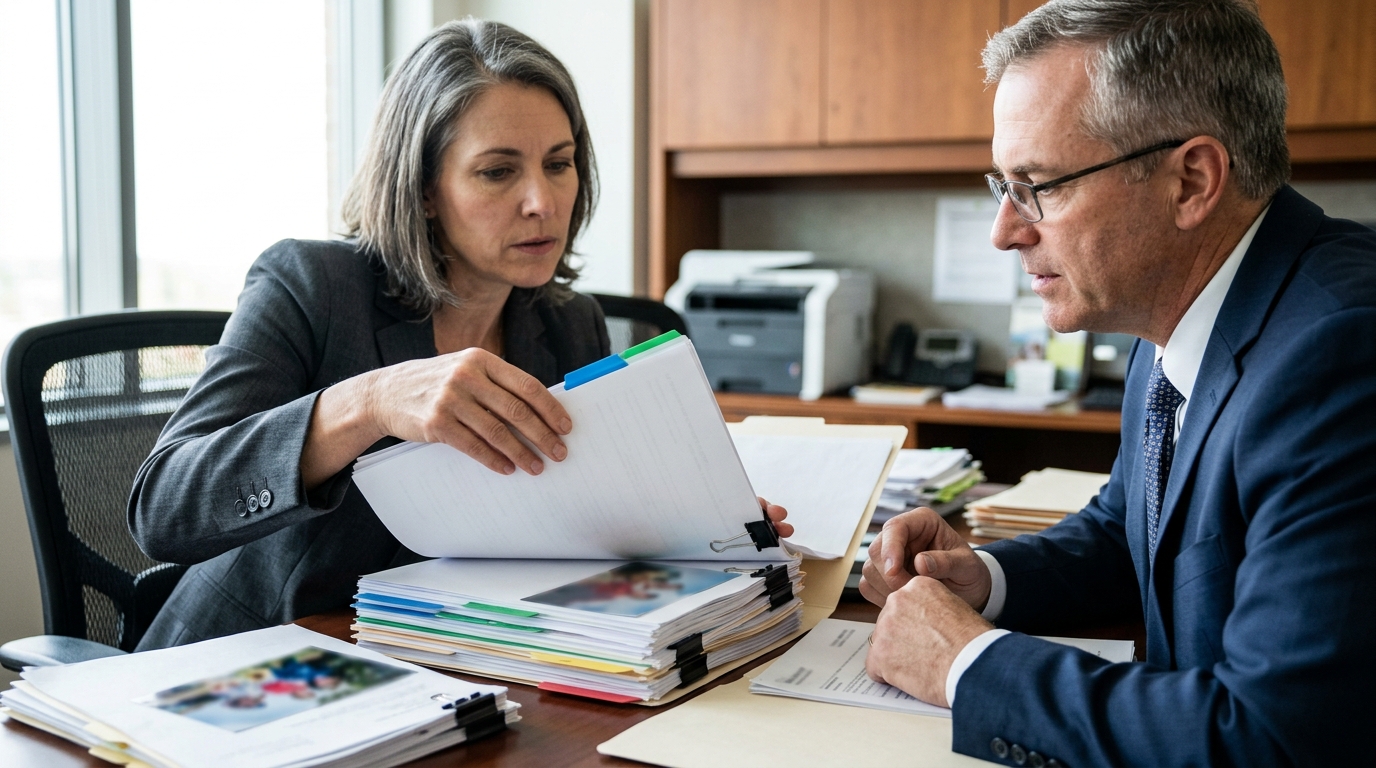
An adjuster communication attorney can organize the claim file before any response is sent to the insurance company. The file may include medical records and bills, repair estimates, photographs, policy documents, wage-loss proof, prior correspondence, and a carefully supported settlement demand. Reviewing these materials together helps identify missing information, inconsistent statements, and documentation that may strengthen the claimed losses. It also gives the attorney a clear factual basis for responding accurately rather than reacting to an adjuster’s questions under pressure.
Written communication is especially important when an adjuster sets a response deadline, requests a recorded statement, or makes an initial settlement offer. An attorney can track deadlines, confirm receipt of documents, and respond in writing so important representations are clear and preserved in the claim record. The response should address the available evidence without overstating damages or overlooking policy requirements. Depending on the circumstances and applicable law, counsel can also manage communications with the insurer and help protect the client from unnecessary or confusing direct exchanges.
A careful review of the adjuster’s position can reveal whether the real dispute concerns liability, coverage, the extent of damages, or the value assigned to the claim. The attorney can explain which documents support each issue, identify additional evidence that may be needed, and present a reasoned settlement demand supported by the record. If the insurer denies part of the claim or relies on an unfavorable valuation, the written response can challenge that position and preserve the basis for further action. Professional case management or attorney consultation can help ensure that communications remain timely, accurate, and focused on resolving the claim.
Adjuster Communication Risk Management
An adjuster communication attorney can help protect you when an insurer pushes for a quick settlement before the full value of a claim is known. Adjusters may ask misleading or overly broad questions, seek extensive medical or employment records, or present disputed liability as though it has already been decided. A careful response can provide useful facts without making unnecessary admissions or waiving important rights. Before signing a release or accepting payment, have the proposed terms and potential long-term effects reviewed.
Consistent documentation is essential when claim communications become difficult. An attorney or case-management service can track calls, emails, requests, deadlines, delayed responses, denial letters, and changes in the insurer’s position. This communication record helps identify unanswered questions, preserve evidence of what was said, and clarify the next step after each contact. It can also support a more organized response when liability, damages, coverage, or the scope of requested records is disputed.
Professional assistance can further reduce the risk of inconsistent statements and missed deadlines while keeping communications focused on the relevant issues. When a lawyer represents a party in the claim, applicable professional-conduct rules may limit direct attorney-to-party communications, although the details depend on the circumstances and jurisdiction. A consultation can help determine whether the insurer should communicate through counsel, what records are reasonably necessary, and how to respond to a denial or settlement proposal. Case-management support may also help maintain the claim file and coordinate communications when full legal representation is not yet needed.
Conclusion on Adjuster Communication Attorney

An adjuster communication attorney can help reduce the risks that arise when an insurer requests information about an accident, injury, or property loss. Legal guidance may clarify which questions to answer, identify statements that could be misunderstood, and help preserve important coverage and liability arguments. Once an attorney represents you in the claim, communications can often be directed through counsel, subject to applicable law and the circumstances of the matter. This can provide a clearer record while allowing you to focus on medical care, repairs, and recovery.
Before providing a recorded statement, signing a release, or accepting a settlement, consider consulting a qualified attorney, particularly when significant injuries, extensive property damage, disputed responsibility, or coverage concerns are involved. An attorney can review policy language, claim documents, medical records, estimates, and settlement terms to help identify missing support or unfavorable conditions. Professional assistance does not guarantee a particular outcome, but it can help protect your legal rights and support a properly documented insurance claim. Early consultation may also reduce avoidable communication mistakes and help you make informed decisions throughout the claims process.
How an Attorney Manages Adjuster Communications
Effective communication with an insurance adjuster can influence how efficiently a claim moves forward and how well your rights are protected. An attorney can help manage written statements, document requests, settlement discussions, and recorded interviews while reducing the risk of inconsistent or misunderstood information. Once an attorney represents a party in the claim, communications about the matter generally should go through counsel, subject to applicable state law and the circumstances of the case. Because insurance procedures and attorney conduct rules vary by jurisdiction, professional guidance is especially valuable when liability, benefits, or coverage is disputed.
A careful approach to adjuster communication can help preserve evidence, clarify deadlines, and support a stronger claim strategy. Keep copies of letters, emails, medical records, wage documentation, and adjuster requests, and avoid agreeing to a settlement or signing a release before understanding its full effect. If your claim also involves a nurse case manager, coordinated communication becomes even more important. Explore our guide, “Navigating Your Workers Compensation Claim and the Nurse Case Manager Role,” to learn more about managing these interactions and taking the next step.
Frequently Asked Questions
1. What does an adjuster communication attorney do?
An adjuster communication attorney helps you manage discussions with an insurance claims adjuster and protect your legal and financial interests. The attorney can review policy language, claim letters, medical records, and settlement offers, communicate with the insurer, and negotiate when appropriate.
2. Should you speak directly with an insurance adjuster after hiring an attorney?
Once an attorney represents you in a disputed claim, communications about that matter generally should go through your attorney unless the attorney consents or a law or court order allows direct contact. Tell the adjuster that you are represented and provide your attorney’s contact information, then follow your attorney’s instructions.
3. Do you have to give a recorded statement to an insurance adjuster?
Whether you must provide a recorded statement depends on the policy, the type of claim, and applicable law. Before agreeing, consult an attorney who can help determine whether the request is proper and prepare you to provide accurate, complete, and carefully worded information.
4. Why can statements to an adjuster affect your insurance claim?
Adjusters may use your statements to evaluate liability, damages, coverage, and credibility. Inaccurate, incomplete, speculative, or inconsistent answers can create avoidable disputes, so you should answer truthfully, avoid guessing, and review important communications before sending them.
5. Can an attorney negotiate directly with the insurance adjuster?
Yes, an attorney may communicate directly with the adjuster and negotiate on your behalf when authorized to represent you. The attorney can address liability, coverage, medical treatment, lost income, property damage, and settlement terms while keeping the discussion focused and documented.
6. Should you accept an insurance settlement before your claim is fully evaluated?
You should not accept a settlement before understanding the full extent of your injuries, losses, coverage, and legal rights. A settlement may require you to release future claims, so have the offer reviewed before signing or depositing settlement funds.
7. What records should you keep when communicating with an insurance adjuster?
Keep copies of emails, letters, claim forms, recorded-statement requests, medical records, bills, repair estimates, photographs, and notes of phone calls. Record the date, participants, and substance of each conversation, and promptly provide relevant documents to your attorney.
8. When should you hire an attorney to handle adjuster communications?
Consider hiring an attorney when liability or coverage is disputed, your injuries are significant, the insurer requests a recorded statement, the claim involves substantial financial losses, or settlement negotiations become difficult. Early legal guidance can help prevent misstatements, protect evidence, and reduce avoidable delays.