
Workplace exposures can cause serious illness long before symptoms appear, making occupational disease screening an essential tool for protecting workers and identifying problems early. Screening is not a one-size-fits-all annual physical. The right approach depends on the hazard, exposure level and duration, expected latency, and whether early treatment can improve outcomes. Understanding which tests are appropriate and when they should be performed can help workers and employers make informed decisions.
Effective programs go beyond individual exams. They combine medical screening, biological monitoring, exposure records, and workplace-wide surveillance to identify patterns and address hazards at their source. Understanding how these elements work together is key to recognizing risks before they lead to lasting health consequences.
Key Takeaways
- Occupational disease screening must be matched to the specific hazard, exposure level and duration, expected latency, and potential benefit of early detection—not treated as a universal annual physical. Tests may include lung function, hearing, blood or urine monitoring, skin assessments, imaging, or other targeted evaluations.
- Persistent, worsening, or recurring symptoms—especially when they improve away from work—warrant prompt occupational health evaluation, and workers do not need to prove that work caused the condition before seeking care.
- Effective protection combines individual medical screening with biological monitoring, exposure records, and workplace-wide surveillance to identify patterns and address hazards at their source.
- Prepare for evaluation by documenting job duties, substances and hazards, protective equipment, symptom timing, exposure records, and relevant medical history; early review can support treatment, exposure reduction, and appropriate follow-up.
When Gradual Work Symptoms Need Screening
Occupational disease screening may be appropriate when symptoms persist, worsen, or repeatedly appear during or after a particular job task. Warning signs can include a lingering cough, breathing difficulty, wheezing, hearing changes, recurring rashes or skin irritation, numbness or tingling, unusual fatigue, or reproductive concerns. Symptoms that improve on days off or return after contact with dust, chemicals, noise, vibration, heat, biological materials, or other workplace hazards also deserve attention. You do not need to prove that work caused the problem before requesting an evaluation. An occupational health professional can help determine which medical history, examination, testing, or exposure monitoring may be appropriate.
Keep notes about when symptoms began, where and when they occur, the tasks or materials involved, the protective equipment used, and whether coworkers report similar problems. Screening is hazard-specific, so the evaluation may involve hearing tests, lung function testing, blood or urine monitoring, skin assessment, or other targeted examinations rather than a routine annual physical. Bring relevant workplace exposure information and medical records, but do not delay care while trying to gather proof. Early evaluation can identify a developing condition and may support steps to reduce exposure or prevent further harm.
Some symptoms require immediate medical attention rather than a routine screening appointment. Seek emergency help for severe or rapidly worsening breathing difficulty, chest pain, fainting, sudden confusion or weakness, blue lips, uncontrolled bleeding, or a serious allergic reaction involving swelling of the face or throat. A sudden major hearing change, loss of coordination, or suspected poisoning should also be treated urgently. For less urgent but persistent or recurring symptoms, arrange a medical evaluation promptly and explain the connection you have noticed with your work.
Exposure Specific Screening Tests
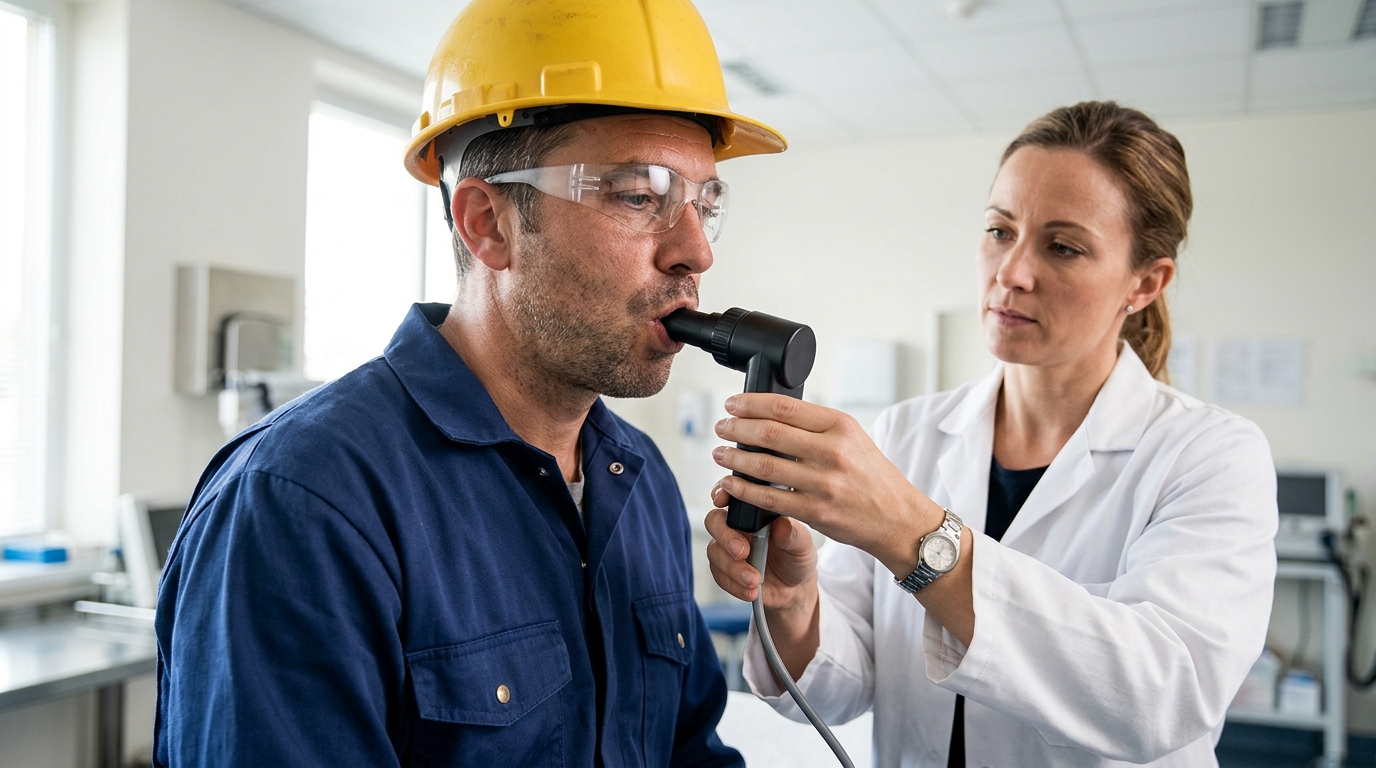
Occupational disease screening is hazard-specific rather than a universal annual physical. The appropriate evaluation depends on the suspected substance or condition, exposure intensity and duration, disease latency, and whether early detection can lead to effective treatment or workplace controls. A worker with gradually worsening symptoms, reduced stamina, numbness, breathing problems, or hearing changes should not dismiss them simply because the condition developed slowly. An occupational health professional can review job duties, protective equipment, exposure records, and medical history to determine whether screening is appropriate.
Examples include blood lead testing for workers who handle lead, lung function testing for respiratory exposures, and hearing tests for people exposed to workplace noise. Asbestos or silica concerns may require a detailed exposure history, respiratory evaluation, chest imaging when clinically indicated, or other testing based on current symptoms and risk. The timing and frequency of these tests matter because some diseases appear only after years of exposure, while others can be detected before noticeable symptoms develop. Results may support early treatment, removal from exposure, improved controls, or additional medical review.
Biological monitoring can also be useful when a substance or its metabolites can be measured reliably in blood, urine, breath, or another specimen. This approach may identify absorption even when air monitoring or symptoms do not show the full extent of exposure, but testing must be selected and interpreted by a qualified professional. Workers should request a review when exposure was repeated, poorly controlled, or involved inadequate respiratory or other protective equipment, especially if symptoms are persistent or worsening. Prompt screening does not prove that work caused an illness, but it can clarify whether further evaluation and exposure-related intervention are warranted.
Medical Surveillance And Workplace Patterns
Occupational disease screening is an individual evaluation designed to identify early signs of illness, exposure-related changes, or increased susceptibility. It is not a universal annual physical because the appropriate test depends on the hazard, intensity and duration of exposure, and the condition being evaluated. A worker with gradually worsening breathing problems, hearing changes, skin irritation, fatigue, or other symptoms may benefit from professional review, even when there was no single accident or clearly documented exposure event. Medical records, job duties, exposure history, protective equipment, and symptom patterns can help determine whether targeted testing or follow-up is appropriate.
Medical surveillance is broader than individual screening because it evaluates health information across a group of workers and over time. Employers and occupational health professionals may use these trends to identify patterns suggesting that ventilation, protective measures, work practices, or exposure controls are not working adequately. Occupational safety requirements may apply to hazards including lead, asbestos, silica, cadmium, benzene, occupational noise, formaldehyde, respiratory hazards, and bloodborne pathogens, but the required examinations, testing intervals, records, and follow-up vary by standard and industry. A concerning pattern among several employees can prompt a workplace investigation even when each person’s individual results appear normal.
Workers should not dismiss a gradual condition simply because symptoms developed outside a single identifiable incident or because coworkers seem unaffected. An occupational health professional can help determine whether screening, biological monitoring, medical surveillance, or another evaluation fits the suspected exposure and symptoms. Keep copies of job histories, safety training, exposure information, test results, and notes about when symptoms began or worsened. Prompt review can support earlier care and may also reveal workplace patterns that need to be addressed.
Preparing For Occupational Disease Evaluation
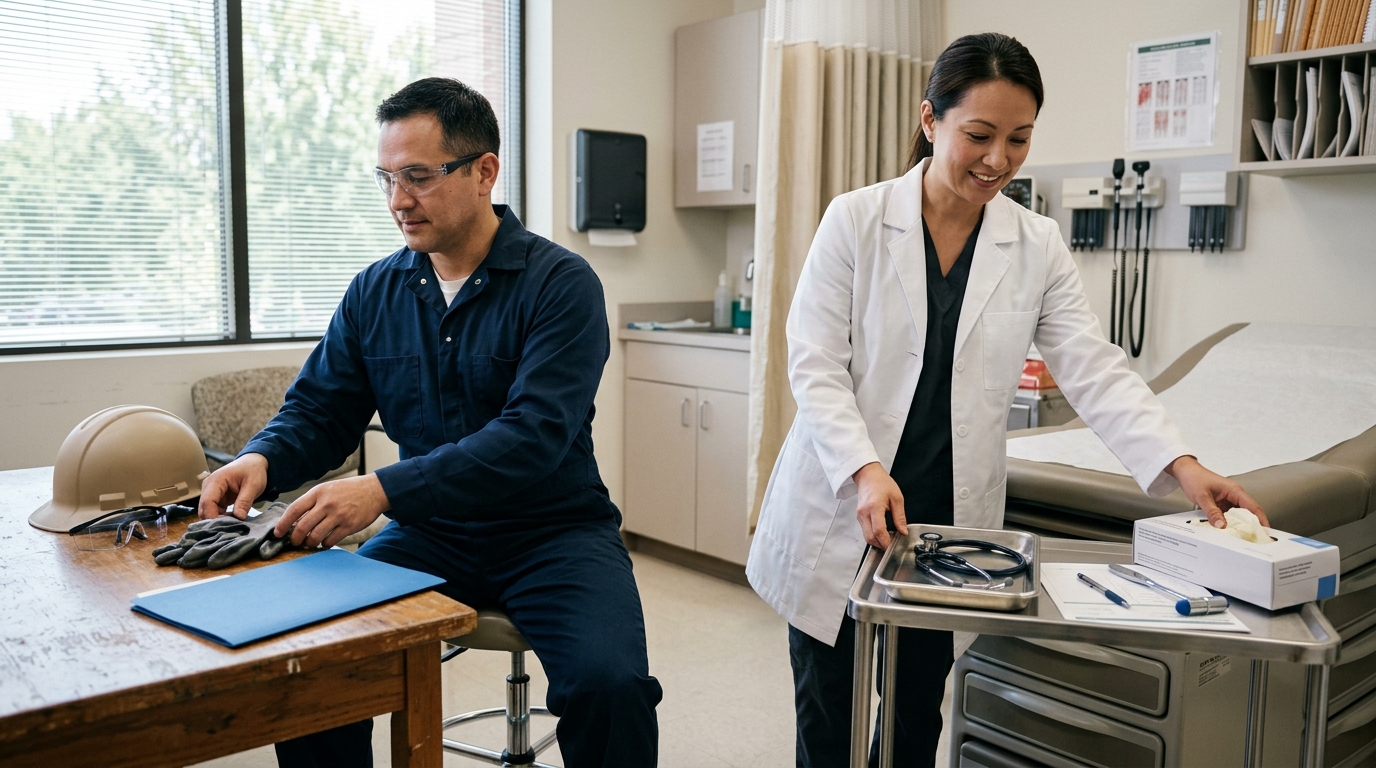
Preparing for occupational disease screening starts with a clear account of your work and health history, especially when symptoms developed gradually. Bring a description of your daily duties, job titles, work locations, equipment used, and potential exposure to dust, fumes, chemicals, noise, radiation, infectious materials, or other hazards. Safety data sheets, exposure-monitoring reports, incident records, and details about the protective equipment you used can help the clinician understand exposure intensity and duration. Note when symptoms began, whether they improve away from work, and how they relate to particular tasks, shifts, or locations. Also bring prior diagnoses, test results, treatment records, and any documented concerns or similar illnesses among coworkers.
An occupational medicine clinician will select evaluation methods based on the suspected hazard, exposure level, symptoms, and the condition’s expected time course rather than automatically ordering a universal annual test. Testing may include a focused physical examination, lung or hearing tests, blood or urine monitoring, imaging, or other studies. The clinician may also arrange referrals when specialized assessment is needed. Explain all jobs and exposures, including former employment, because some occupational diseases appear after a substantial latency period. The clinician can document the medical findings, exposure history, and reasoning that support or do not support a work-related connection. That documentation may also help distinguish an individual screening result from broader workplace surveillance intended to identify patterns among workers.
Bring available records about coworkers with similar concerns, while protecting their privacy and sharing only information you are authorized to provide. Based on the evaluation, the clinician may recommend improved ventilation, substitution of hazardous materials, revised work practices, fit-tested respiratory protection, or other exposure controls. They may also explain whether follow-up monitoring, additional testing, or workplace health and safety reporting is appropriate. If the condition appears related to work, ask which records to retain and how to communicate medical restrictions or recommendations through the proper workplace process. Prompt evaluation is worthwhile even when symptoms seem minor because early review can clarify whether a gradual condition merits further screening and intervention.
Match Screening to Workplace Exposures
Occupational disease screening is most useful when it is matched to a worker’s symptoms, job duties, and suspected exposure rather than treated as a universal annual exam. A gradual condition that repeatedly appears, persists, or worsens during work may warrant review, particularly when symptoms improve away from the workplace or affect multiple workers in similar roles. The appropriate evaluation may include a focused medical assessment, exposure history, biological monitoring, or testing designed for a specific hazard. Because early recognition can support timely treatment and workplace prevention, uncertainty should not be a reason to wait for symptoms to progress.
If you are unsure whether your symptoms or exposure history merit professional review, consult an occupational medicine professional who can help determine the next appropriate step. Keep notes about when symptoms occur, the tasks or substances involved, protective equipment used, and whether symptoms change away from work. If a suspected occupational condition also raises questions about a workers’ compensation claim, explore our guide, “Navigating Your Workers Compensation Claim And The Nurse Case Manager Role,” to learn more about the claims process and how we may help you move forward.
Frequently Asked Questions
1. What is occupational disease screening?
Occupational disease screening is a targeted process used to identify health effects linked to workplace hazards before they become serious or permanent. It may combine a medical history, physical examination, hazard-specific testing, biological monitoring, exposure records, and workplace-wide surveillance.
2. When should you consider occupational disease screening?
You should consider screening when symptoms persist, worsen, or repeatedly occur during or after a particular work task. Warning signs include an ongoing cough, breathing difficulty, wheezing, hearing changes, recurring skin irritation, numbness, unusual fatigue, or reproductive concerns, especially when symptoms improve on days off.
3. Do you need to prove that work caused your symptoms before requesting screening?
No, you do not need to prove that work caused your symptoms before requesting an evaluation. An occupational health professional can review your job duties, exposure history, symptoms, and timing to determine which examination, testing, or exposure monitoring may be appropriate.
4. What tests may be included in occupational disease screening?
Testing depends on the hazard, the level and duration of exposure, the expected latency period, and whether early treatment can improve outcomes. Depending on your situation, screening may include hearing tests, lung function testing, blood or urine monitoring, skin assessments, or other targeted examinations rather than a routine annual physical.
5. How should you prepare for an occupational disease screening appointment?
Keep notes about when your symptoms began, when they occur, the tasks or materials involved, the protective equipment used, and whether symptoms improve away from work. Bring information about your job duties and known exposures, and note whether coworkers have experienced similar problems.
6. How do biological monitoring and exposure records support screening?
Biological monitoring measures or identifies a substance or its effects in samples such as blood or urine when appropriate for the hazard. Exposure records provide information about substances, concentrations, work practices, and duration of contact, helping healthcare professionals interpret findings and identify patterns over time.
7. Is occupational disease screening the same as a routine annual physical?
No, occupational disease screening is not a one-size-fits-all annual physical. The evaluation should be matched to the specific workplace hazard, exposure conditions, possible latency period, and evidence that early detection or treatment could improve health outcomes.
8. Why is workplace-wide surveillance important?
Individual screening can identify health concerns in one worker, while workplace-wide surveillance can reveal patterns affecting multiple people or tasks. These findings help employers investigate exposures, improve controls and protective practices, and address hazards at their source instead of relying only on medical follow-up.