A meniscus tear is more than just a painful knee injury; it is a life-altering event that can derail a career and lead to mounting medical bills. When a sudden pop in the knee causes a functional setback, understanding the average settlement for a meniscus tear becomes a vital part of a recovery strategy. Whether the injury occurred on a construction site or during a slip and fall, the financial compensation received is often the only way to ensure access to proper long-term care.
The value of a claim depends heavily on the severity of the damage and whether the patient requires invasive surgery or physical therapy. Minor tears might settle for lower amounts, but complex cases involving surgical repair or permanent disability can reach significantly higher figures. Managing these legal matters requires a clear understanding of how insurance companies calculate pain, suffering, and lost wages. Knowing these benchmarks allows an injured individual to advocate for a settlement that truly reflects the impact the injury has had on their quality of life.
Key Takeaways
- The average settlement for a meniscus tear typically ranges from $25,000 to $90,000, with minor non-surgical cases falling between $15,000 and $30,000.
- Surgical intervention is the primary driver of claim value, as procedures like a meniscectomy provide concrete evidence of severity and lead to higher medical costs and longer recovery periods.
- A Permanent Partial Disability (PPD) rating assigned by a medical professional is a critical factor that dictates the statutory benefits and functional loss calculations used by insurance adjusters.
- Comprehensive medical documentation of all functional limitations and future care needs is essential to ensure the final settlement covers potential long-term complications like osteoarthritis.
Workers Compensation Payouts For Meniscus Injuries
The average settlement for a workers compensation claim involving a meniscus tear typically ranges from $25,000 to $90,000, though the final figure depends heavily on the level of medical intervention required. Minor tears treated with physical therapy and bracing often fall on the lower end of this spectrum, frequently settling between $15,000 and $30,000. When an injury is more severe and requires a meniscectomy or a full surgical repair, the valuation increases to account for higher medical bills and a longer recovery period. These moderate to severe cases represent the bulk of workplace knee claims and require a clear understanding of long-term healthcare needs. Negotiating a fair payout at this stage is vital for covering both current debts and any future complications that may arise from the injury.
A primary factor in determining the final financial recovery is the Permanent Partial Disability (PPD) rating assigned by a medical professional after reaching maximum medical improvement. This rating acts as a functional assessment of the knee’s permanent impairment and directly influences the statutory benefits a claimant is entitled to receive. Insurance adjusters use this percentage to calculate the loss of use for the affected limb, which can significantly shift a settlement toward the higher end of the $90,000 range. Because these ratings are often a point of contention during negotiations, it is important to ensure functional limitations are documented accurately. Understanding how this rating translates into a dollar amount allows for a data-driven approach to valuation during settlement talks.
Impact Of Surgical Intervention On Settlement Value
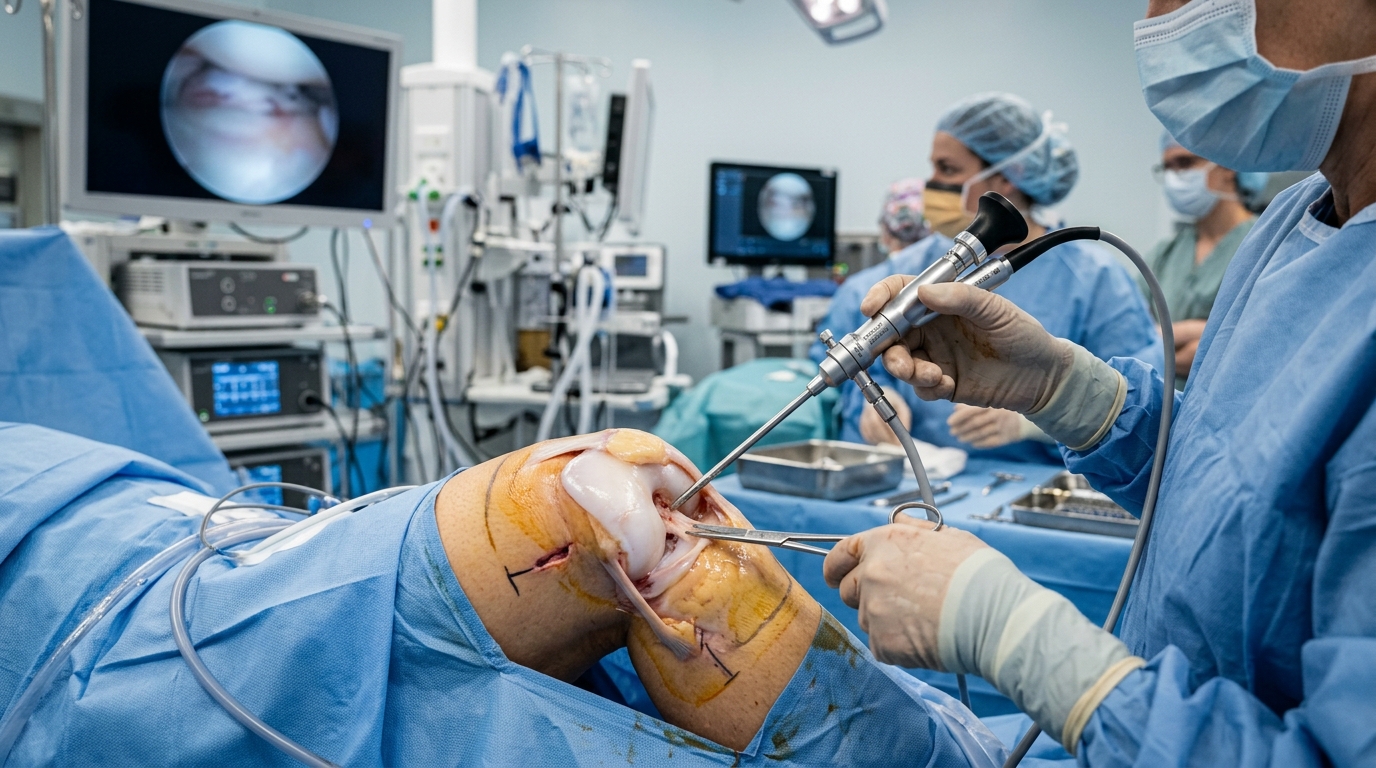
The decision to undergo surgery is often the primary catalyst for a significant increase in the valuation of a meniscus tear claim. While non-surgical cases involving physical therapy and bracing typically settle in the $15,000 to $30,000 range, these figures represent the lower end of the spectrum because they involve fewer medical expenses and shorter recovery periods. Insurance adjusters view conservative treatment as an indication of a minor injury that may not result in long-term functional loss. Consequently, claims without surgical intervention are often categorized as low-risk, limiting the potential for a high-value payout.
When a claimant undergoes an arthroscopic meniscectomy or a complex surgical repair, the settlement potential shifts upward significantly, often reaching between $45,000 and $90,000 or more. Surgical intervention introduces higher medical billing, anesthesia costs, and a more intensive post-operative rehabilitation schedule that must be accounted for in the final demand. Furthermore, the invasive nature of surgery provides concrete evidence of the injury’s physical severity, which strengthens the claimant’s position during negotiations. These cases are frequently valued higher because they reflect a more profound impact on future mobility and earning capacity.
Beyond the immediate medical costs, surgery often leads to a higher Permanent Partial Disability rating, which is a critical factor in workplace injury settlements. A surgical repair suggests that the knee may never return to its pre-injury state, potentially leading to permanent work restrictions or a higher risk of future osteoarthritis. If an adjuster provides an unfair assessment, knowing how to maximize your settlement through a rating challenge is essential. This long-term medical outlook forces insurers to consider the lifetime impact of the injury rather than just the immediate recovery period. By documenting the necessity of surgical repair, claimants can effectively prove that their injury warrants a settlement at the top of the average range.
Factors Influencing Meniscus Tear Settlement Amounts
Determining the final value of a meniscus tear settlement depends heavily on the quantifiable financial losses incurred by the injured party. In workplace injury claims, the primary drivers are comprehensive medical expenses, including diagnostic imaging, physical therapy, and potential surgical intervention. If the injury requires a meniscectomy or a full repair, the settlement often trends toward the higher end of the spectrum, typically ranging between $25,000 and $90,000. Beyond direct healthcare costs, the calculation must account for lost wages during recovery and the impact of a Permanent Partial Disability rating on future earning capacity.
The specific cause and circumstances of the knee injury also play a pivotal role in dictating the final negotiation outcome. Minor tears managed through non-surgical methods like bracing often result in lower settlements, frequently falling between $15,000 and $30,000. However, when the injury occurs due to a specific workplace accident or through the negligence of another party, the potential for maximizing your slip and fall settlement increases significantly. Factors such as the long-term prognosis, the necessity for future knee replacements, and the degree of functional impairment are essential leverage points during the final stages of a settlement negotiation. To prepare for these evaluations, many claimants find it helpful to review a guide to the workers comp medical assessment process.
Estimated Payouts for Meniscus Tear Settlements
Valuing a meniscus tear settlement requires a careful balance of medical data and financial loss projections. While average settlements generally range from $25,000 to $90,000, the specific outcome depends heavily on whether the injury requires surgical intervention or long-term physical therapy. Minor tears treated with conservative methods typically fall on the lower end of the spectrum, while complex cases involving a meniscectomy or permanent disability ratings often command much higher valuations. Understanding these benchmarks allows for realistic expectations of what a workplace knee injury is worth.
The ultimate success of a claim hinges on the quality and accuracy of medical documentation and professional evaluations. Insurance adjusters rely on precise PPD ratings and diagnostic reports to justify higher payouts, so ensuring every limitation is recorded is essential for maximizing recovery. Without comprehensive evidence of how the injury impacts the ability to perform job duties, there is a risk of accepting an offer that fails to cover future medical needs or lost earning capacity. Taking a proactive approach to recovery and documentation can significantly shift the leverage in favor of the injured party during final settlement discussions.
Those currently reviewing an offer from an insurance carrier must ensure it reflects the true value of their ongoing physical needs and professional future. It is vital to determine if the numbers presented align with current industry standards and legal requirements for knee injuries. To ensure no money is left on the table, reviewing professional resources regarding fair workers compensation settlement offers can help protect financial interests. Taking this step will help clarify the complexities of a claim and lead toward a resolution that fully supports long-term health.
Frequently Asked Questions
1. What is the typical settlement range for a meniscus tear in a workers compensation claim?
The average settlement for a workers compensation claim involving a meniscus tear typically ranges from $25,000 to $90,000. Minor tears treated with physical therapy usually fall between $15,000 and $30,000, while more severe cases requiring surgery command higher payouts.
2. How does surgery affect the value of my meniscus tear settlement?
Undergoing a meniscectomy or a full surgical repair significantly increases the valuation of a claim. These procedures result in higher medical bills and a longer recovery period, which must be reflected in the final compensation package.
3. What factors determine the final payout for my knee injury?
The total value of a claim depends heavily on the severity of the damage and whether the injury requires invasive surgery or physical therapy. Insurance companies also calculate settlements based on pain, suffering, lost wages, and the long-term impact on quality of life.
4. Can I receive compensation for a meniscus tear that does not require surgery?
Yes, settlements are available for minor tears treated with bracing and physical therapy. These can generally settle on the lower end of the spectrum, often between $15,000 and $30,000, to cover medical costs and recovery time.
5. Why is it important to negotiate a higher settlement for a severe meniscus injury?
Negotiating a fair payout is vital for covering both current medical debts and any future complications that may arise from the injury. A comprehensive settlement ensures access to proper long-term care and financial stability if the injury results in a permanent disability.
6. How do insurance companies calculate the value of my lost wages and suffering?
Insurance companies use specific benchmarks to evaluate how an injury affects the ability to work and overall physical well-being. They assess the severity of the tear alongside the level of medical intervention required to determine a figure that accounts for total financial and personal loss.