In a volatile legal environment, the choice between a courtroom battle and a negotiated agreement can determine your financial future for years to come. With nearly 98% of civil cases resolving before a final verdict, understanding the nuances of hearing versus settlement options is a strategic necessity. While the allure of a massive jury award is tempting, the reality of escalating litigation costs and high-value verdicts has shifted the balance of power toward private resolution. You must weigh the certainty of a guaranteed recovery against the high-stakes gamble of a public trial.
Choosing a settlement offers a path to closure in months rather than years, shielding your private life from the public record. Conversely, a formal hearing remains the only way to seek a maximum award, though it carries the heavy burden of unpredictable outcomes and six-figure legal expenses. The right decision depends on your risk tolerance, your need for immediate liquidity, and the strength of your evidence. Navigating this choice requires a clear assessment of whether you value the control of a handshake or the potential vindication of a judge’s gavel.
Key Takeaways
- The vast majority of civil cases—between 95% and 98%—resolve through settlements to avoid the extreme financial risk and unpredictability of a trial.
- Settlements provide guaranteed financial recovery, immediate liquidity, and total privacy, whereas public hearings expose sensitive personal information and can result in a zero-dollar verdict.
- While a trial offers the only path to a maximum award, the escalating six-figure legal costs and the potential for years of delays through the appeals process often diminish the actual value of a courtroom win.
- Choosing between a negotiated agreement and a judicial ruling requires a strategic assessment of risk tolerance, evidence strength, and the need for finality over a high-stakes gamble.
Risk Assessment Of Judicial Rulings Versus Settlement Certainty
The decision to accept a settlement or proceed to a formal hearing represents a pivotal choice for any claimant. While the allure of a massive courtroom victory is understandable, the reality of modern litigation shows that nearly 95 percent of civil cases are resolved through negotiated agreements. Opting for a settlement provides a guaranteed financial recovery and immediate closure, whereas a trial introduces the volatile element of human judgment. By settling, you retain control over the final terms of your compensation instead of leaving your financial future in the hands of a judge or jury.
Choosing a judicial ruling involves stepping into an environment where predictability vanishes and legal costs escalate rapidly. Expert witness fees, extensive trial preparation, and the potential for a zero dollar verdict can turn a strong case into a significant financial liability. Furthermore, a trial can stretch for years, often ending in a public record that lacks the privacy of a confidential settlement. Claimants must weigh the desire for a potentially higher award against the very real risk of losing everything after years of exhausting litigation.
Navigating this trade-off requires a clear understanding of the legal process and the specific strengths of your case. Professional legal advice becomes indispensable at this stage to help you interpret whether a settlement offer reflects the true value of your damages. While the courtroom offers a platform for public vindication, the certainty of a payout often serves as the most pragmatic path toward recovery. Ultimately, balancing the risk of an unpredictable judicial ruling against the stability of a settlement is a strategic choice that defines the success of your legal matter.
Comparing Litigation Timelines And Mounting Legal Costs

Choosing between an immediate settlement and a multi-year trial involves a critical evaluation of both time and financial resources. While a settlement can typically be finalized within months, a formal hearing often continues for two to four years depending on the complexity of the jurisdiction. During this extended timeline, legal fees and administrative expenses continue to accumulate, significantly eating into any potential recovery. Claimants must decide if the prospect of a larger award is worth the guaranteed exhaustion of their time and the mounting pressure of unresolved litigation.
The financial burden of a trial is often the most significant factor for those at a crossroads in their legal journey. Preparing for a hearing requires substantial investments in expert witness testimony, extensive document discovery, and rigorous trial preparation that can easily push litigation costs into the six-figure range. These expenses are often fronted or deducted from the final award, meaning a higher verdict at trial does not always result in more money in your pocket. In contrast, settling early avoids these escalating costs and provides a known, guaranteed payout without the risk of a judge or jury awarding nothing at all.
Beyond the raw numbers, the emotional and strategic toll of a prolonged legal battle cannot be overlooked. A trial is a public process where every detail of the case becomes a matter of record, whereas a settlement offers a private and confidential resolution. By choosing a negotiated agreement, you maintain control over the final outcome rather than leaving your future in the hands of an unpredictable judicial ruling. This path offers a definitive end to the stress of litigation, allowing you to move forward with financial certainty and peace of mind.
Confidentiality Of Private Agreements Versus Public Trial Records
Choosing between a formal hearing and a private settlement often comes down to how much of your personal life you are willing to share with the world. In a public trial, every piece of evidence, financial record, and sensitive testimony becomes part of a permanent public record that anyone can access. This transparency can be a significant risk for claimants who wish to keep their private medical history or business dealings out of the spotlight. Settlements, by contrast, are governed by private contracts that typically include strict confidentiality clauses. These agreements ensure that the specific terms of your payout and the details of the incident remain strictly between the involved parties, providing a level of discretion that a courtroom simply cannot offer.
The decision at this stage also involves weighing the certainty of a guaranteed outcome against the unpredictable nature of a judge or jury. When you opt for a settlement, you maintain control over the final numbers and the narrative of the resolution, effectively eliminating the danger of a zero dollar recovery. A public hearing strips away that control, placing your financial future in the hands of third parties who may not see the facts of the case the same way you do. Because the vast majority of civil cases now resolve through negotiation, opting for a private agreement is often the most strategic way to secure a payout without the emotional and reputational toll of a public legal battle.
Navigating these complex trade-offs requires a clear understanding of both the legal risks and the long term benefits of privacy. While a public trial might offer the slim possibility of a higher award, the associated costs and the loss of anonymity often outweigh the potential gains. Professional legal advice is essential during this stage to help you determine if the confidentiality of a settlement serves your best interests better than a transparent court record. By prioritizing a negotiated agreement, you can protect your reputation and secure your financial recovery while avoiding the scrutiny that comes with a formal judicial ruling.
Finality Of Signed Settlements Versus The Appeals Process
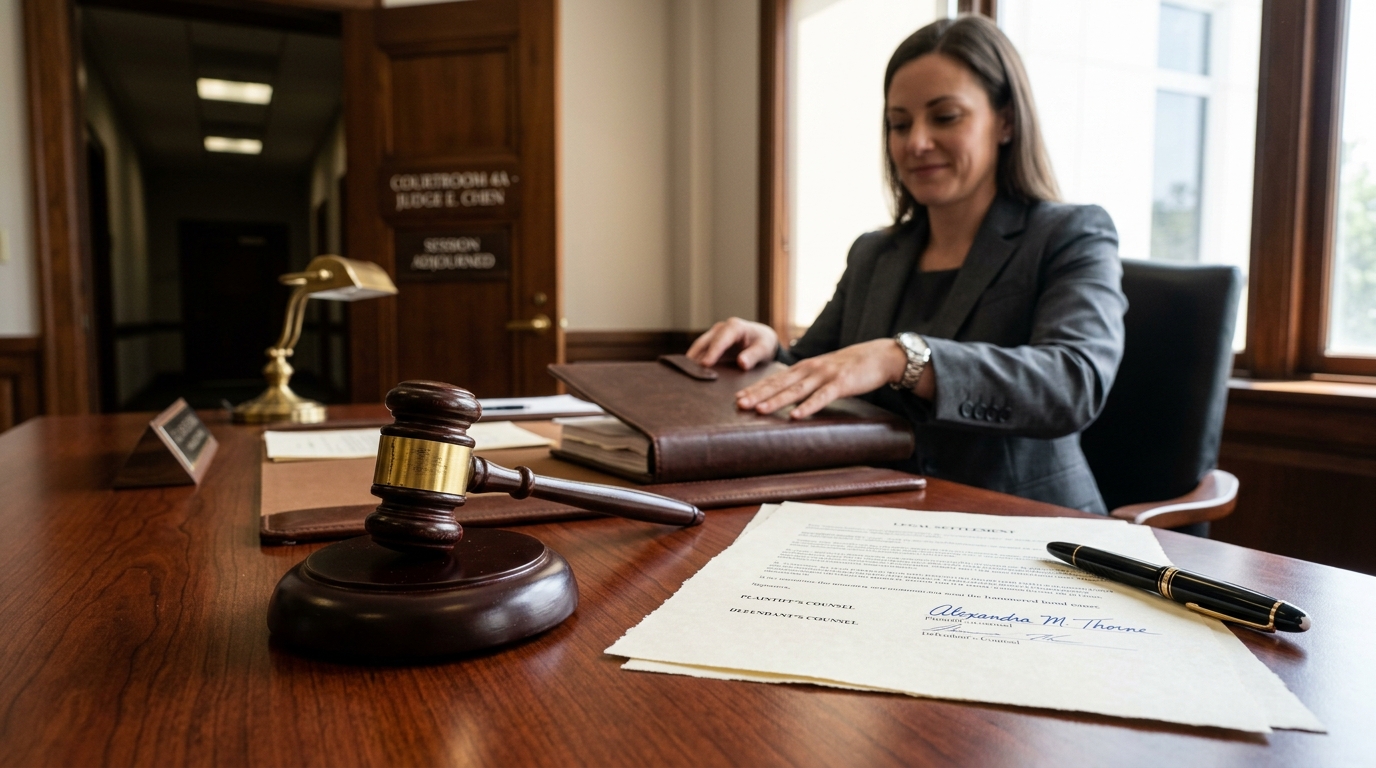
Choosing to sign a settlement agreement offers a level of certainty that a courtroom hearing simply cannot match. When you accept a settlement, you are securing a guaranteed payout and bringing an immediate end to the legal process. This path eliminates the risk of walking away with nothing, which is a significant factor considering the inherent unpredictability of a judge or jury. By opting for this route, you gain control over the final numbers and ensure that the funds are available to cover your expenses without further delay. The finality of a signed agreement provides emotional and financial relief, allowing you to move forward with your life immediately.
In contrast, pursuing a formal hearing verdict often marks the beginning of a much longer and more exhausting journey. Even if you receive a favorable ruling, the losing party has the right to file an appeal, which can freeze your award for several years. During this time, you may find yourself trapped in a cycle of additional legal filings and mounting expert fees while your compensation remains out of reach. The appeals process introduces fresh layers of uncertainty, as a higher court could potentially overturn your win or order a new trial entirely. This lack of closure is why many claimants prefer the bird in the hand approach of a settlement over the high stakes gamble of a protracted legal battle.
The decision between these two paths ultimately requires a careful evaluation of your immediate needs versus your tolerance for long term risk. While approximately 95 percent of civil cases conclude with a settlement, those who push for a trial must be prepared for the reality of public testimony and potential years of litigation. A settlement keeps your private matters out of the public record and places the power of the outcome directly in your hands. Navigating this choice is a critical moment where professional legal advice becomes essential to protect your interests. Understanding the mediation vs trial benefits is key to ensuring that you are not left waiting on a verdict that might never actually materialize.
Balancing Risk and Reward in Legal Resolutions
Ultimately, the choice between a settlement and a hearing represents a high-stakes crossroads that requires a careful balance of risk and reward. While a hearing offers the potential for a larger award, it also carries the significant danger of a zero-dollar recovery and years of expensive litigation. In contrast, a settlement provides immediate financial certainty and privacy, which is why the vast majority of modern civil cases are resolved through negotiation. Navigating this decision alone is difficult because the current legal environment favors those who understand the nuances of valuation and timing. Professional legal counsel is essential to ensure you do not sacrifice long-term security for a quick payout that fails to cover your future needs.
Determining the true value of your claim involves analyzing complex factors like medical evidence, future earning capacity, and current judicial trends. Without expert guidance, you might underestimate the strength of your case or feel pressured to accept an offer that is far below what you deserve. A skilled advocate helps you weigh the high costs of trial preparation against the guaranteed terms of a negotiated agreement. This strategic oversight ensures that you are making a decision based on data rather than emotion or financial desperation. To ensure you are making the most informed choice for your future, take a moment to read our resource, Is Your Workers Compensation Settlement Offer Fair? (2025 Guide), and learn more about how professional legal services can help you maximize your recovery.
Frequently Asked Questions
1. What is the primary difference between a hearing and a settlement?
A settlement is a negotiated agreement that offers guaranteed recovery and immediate closure on your own terms. In contrast, a hearing leaves the final decision to a judge or jury, which can lead to higher awards but introduces significant unpredictability and risk.
2. Why do the vast majority of civil cases end in a settlement?
Most cases settle because it allows both parties to avoid the escalating costs and public exposure of a trial. By choosing a settlement, you secure a certain outcome and bypass the years of litigation that often accompany courtroom battles.
3. What are the financial risks of taking a case to a formal hearing?
Proceeding to a hearing often involves six-figure legal expenses and the possibility of receiving no compensation at all. While you may seek a maximum award, you must be prepared for the high-stakes gamble of a verdict that could go against you.
4. How does a settlement protect your privacy?
Settlements are private resolutions that keep your personal details and the terms of the agreement off the public record. Choosing a formal hearing means your case becomes part of the public domain, where sensitive information is accessible to anyone.
5. When is a formal hearing the better option for a claimant?
A hearing is the appropriate path when you have exceptionally strong evidence and are willing to risk legal costs for the chance of a maximum award. It is the only way to seek full vindication and a potentially massive jury verdict that a settlement might not reach.
6. How long does it typically take to receive compensation through a settlement?
Settlements generally provide a path to closure in a matter of months. This is significantly faster than a trial, which can drag on for years and delay your access to necessary liquidity.
7. How should I determine which path is right for my situation?
You must conduct a clear assessment of your risk tolerance, your need for immediate funds, and the strength of your evidence. The right choice depends on whether you value the control of a handshake or the potential for a higher, yet uncertain, judicial ruling.