
Walking into an evaluation requested by an insurance company can feel high-stakes, as the results often dictate the future of benefits or a settlement. Proper independent medical exam preparation is the most effective way to protect a claim and ensure physical limitations are documented accurately. Unlike a typical visit with a primary care doctor, this exam is not for treatment, but for an objective assessment that will carry significant weight in a legal or insurance case.
Understanding that the examiner is looking for consistency between a verbal account and medical history is vital for a successful outcome. It is necessary to discuss an injury with precision, avoiding the common pitfalls of either downplaying pain or unintentionally exaggerating symptoms. By focusing on honesty and a clear review of records, an individual can enter the appointment with the confidence needed to represent their condition fairly.
Key Takeaways
- An Independent Medical Exam (IME) is an objective assessment for the insurance company rather than a treatment session, meaning every verbal statement and physical movement is being evaluated for consistency against medical records.
- Preparation requires memorizing a precise timeline of all medical treatments and injury symptoms to prevent discrepancies that insurers use to justify claim denials or benefit reductions.
- Maintain professional conduct by arriving early and providing concise, honest answers that neither exaggerate nor minimize pain, as examiners often use distraction tests and leading questions to identify signs of malingering.
- Retaining legal representation provides a critical buffer against biased examiners, ensuring that statutory rights are protected and that any inaccuracies in the final medical report are effectively challenged.
Reviewing Your Medical History And Injury Timeline
Auditing treatment history is a vital step in protecting a claim before stepping into the examination room. This process begins by creating a comprehensive timeline that includes every doctor visit, physical therapy session, and diagnostic test since the date of the injury. The insurance company’s physician will have access to these records, so the verbal account must match the written documentation to maintain credibility. Discrepancies regarding the date of an accident or the specific location of pain can be used to suggest that symptoms are inconsistent. Taking the time to memorize these details ensures a confident and accurate narrative during the evaluation.
Beyond just dates and locations, it is important to articulate the progression and intensity of symptoms over time. Reflecting on how pain levels have fluctuated and identifying specific activities that have become difficult or impossible to perform since the incident is essential. It is helpful to review past medical history notes to see how the condition was described to a primary care physician during earlier visits. This level of preparation prevents accidentally minimizing an injury or forgetting a crucial piece of information that could impact benefits. Because this independent medical examination carries significant weight in a legal case, having a precise understanding of the medical journey is the best defense against a negative report.
Mastering Professional Conduct And Communication During Evaluation

Punctuality and presentation set the tone for the entire evaluation, making it essential to arrive at least fifteen minutes before the scheduled appointment. This early arrival allows for the completion of any necessary paperwork without feeling rushed, which helps maintain a calm and focused demeanor. During the examination, the physician will observe movements and behavior from the moment a person enters the building, not just while they are in the exam room. Keeping answers concise and direct prevents the inclusion of irrelevant information that could be misinterpreted in the final report. By focusing on the specific questions asked, the record remains clear and accurate regarding current physical limitations.
Navigating the balance between honesty and symptom exaggeration is a critical aspect of professional conduct. Pain and restrictions must be described truthfully, as any attempt to overstate a condition can be flagged as signs of malingering by a trained medical professional. At the same time, the urge to minimize symptoms or “tough it out” should be avoided, as this may lead the examiner to believe a full recovery has been reached. Consistency is the foundation of a successful claim, so verbal descriptions should align with the documented medical history. Seeking professional legal services before the exam can provide the necessary framework to communicate needs effectively while protecting rights throughout this process.
Identifying Common IME Doctor Tactics And Red Flags
Insurance companies often select specific examiners known for finding inconsistencies that can justify a claim denial. One common tactic involves the use of leading questions designed to prompt contradictory statements about physical limitations or medical history. These doctors may ask about well-being in a casual manner to lower a person’s guard before pivoting to aggressive questioning about daily activities. It is vital to remain vigilant and recognize that this is not a typical doctor-patient relationship built on mutual trust. By staying focused on the facts and keeping answers brief, a claimant can avoid the common pitfalls that lead to an unfavorable report.
Physical examinations during an IME frequently include distraction tests meant to catch claimants in an act of exaggeration. For example, a doctor might check range of motion while a person is sitting on the exam table and then recheck it while the person believes the formal test has ended. If movements appear more fluid when a person thinks they are not being watched, the physician will likely document this as a sign of non-cooperation. Red flags also include the doctor spending less than ten minutes on the evaluation or ignoring specific complaints entirely. Preparing for these maneuvers with professional legal services ensures symptoms are demonstrated accurately without falling victim to these subtle observation techniques.
Securing Legal Representation For Professional IME Guidance
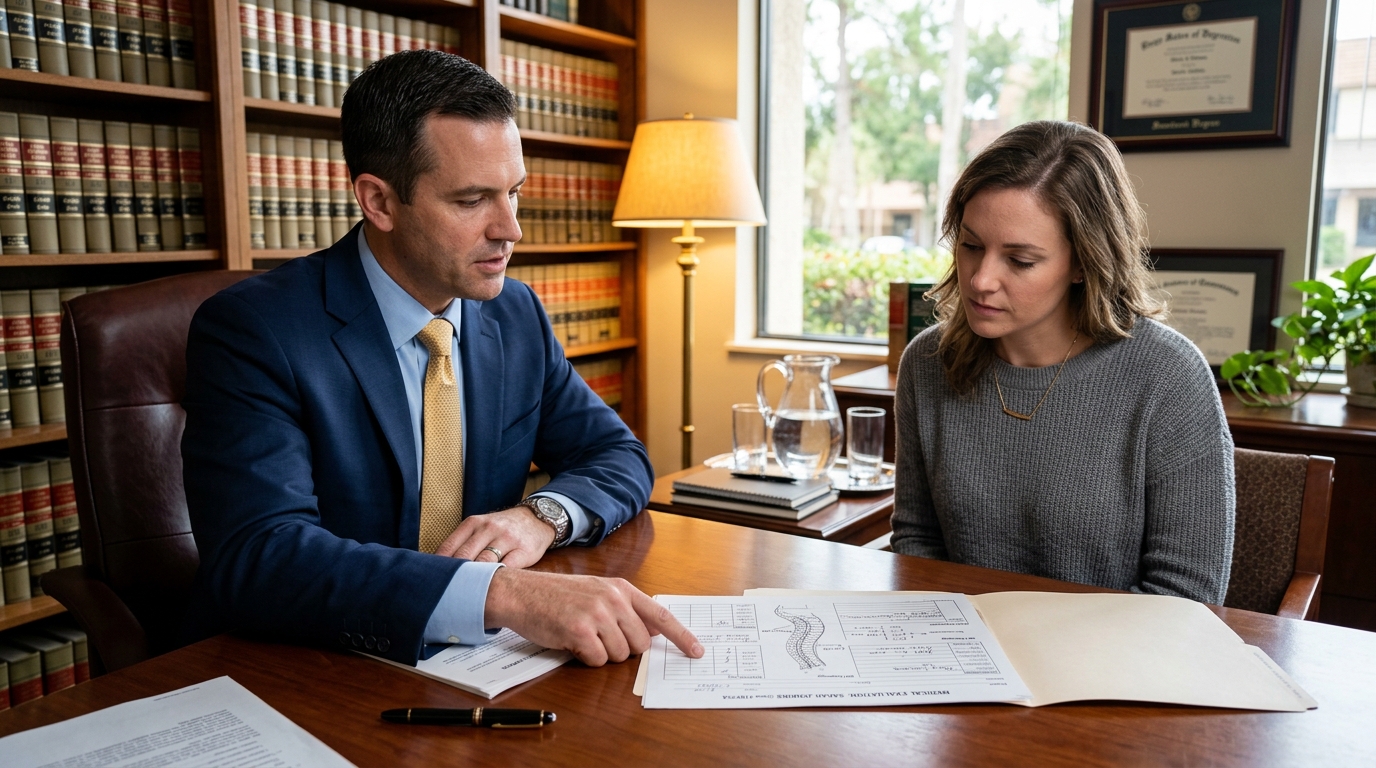
Navigating the complexities of an independent medical examination requires more than just showing up and answering questions. Since the physician is hired by the insurance company, their goal is often to find justifications for denying or reducing benefits. Retaining an experienced attorney ensures that statutory rights are protected throughout this phase of a claim. A legal professional acts as a necessary buffer, managing communication with the insurance carrier and ensuring that the doctor stays within the legal scope of the examination.
An attorney provides guidance by preparing a claimant for the specific tactics often used by examiners to discredit individuals. They will review medical history in detail to ensure the verbal account remains consistent with records, which prevents the examiner from citing minor discrepancies as evidence of malingering. Much like preparing for deposition questions, a legal representative can oversee the exam itself or arrange for a professional observer to document the process. This creates a verifiable record of the doctor’s conduct and the actual duration of the physical tests performed.
Securing legal representation is particularly vital when it comes to challenging the final medical report. If the examiner produces a biased or inaccurate objective assessment, a lawyer has the expertise to cross-examine the findings and highlight medical inconsistencies. They can identify if the physician ignored objective diagnostic evidence or relied on outdated medical standards to reach conclusions. By having an advocate involved early in the preparation phase, the likelihood of securing a fair outcome and protecting long-term financial stability increases significantly.
Securing Your Claim Through Strategic Preparation
The role of an Independent Medical Examination is rarely neutral, making personal preparation the most effective tool for protecting a claim. Insurance carriers often utilize these exams to find discrepancies between reported symptoms and medical history to minimize financial liability. By meticulously reviewing records and practicing how to describe limitations with honesty and consistency, these common tactics are effectively neutralized. Proper preparation ensures that the final report reflects the true extent of the physical condition rather than a narrative constructed to save the insurer money.
Navigating this phase of a claim requires a strategic understanding of how verbal statements and physical demonstrations will be interpreted by a physician who is not a primary care provider. Securing the right guidance during this transition can prevent mistakes that jeopardize long-term recovery and financial security. To ensure full protection throughout every phase of a case, it is beneficial to research finding the best workers comp lawyers and the role of a nurse case manager to see how professional oversight helps achieve a successful outcome.
Frequently Asked Questions
1. What is the primary purpose of an independent medical exam?
Unlike a standard doctor’s visit, this exam is not intended for treatment or medical advice. It is an objective assessment requested by an insurance company to determine the validity of a claim and the extent of injuries.
2. How should I prepare for the examiner’s questions about my medical history?
It is necessary to create a comprehensive timeline of treatments, including diagnostic tests and physical therapy sessions. Because the examiner has access to records, the verbal account must match the written documentation exactly to maintain credibility.
3. Should I describe my pain levels at their best or their worst?
An honest and precise account of symptoms must be provided without downplaying or exaggerating the condition. Focus on how pain fluctuates and identify specific activities that trigger symptoms to give the examiner a clear picture of limitations.
4. Why is consistency so important during the evaluation?
The examiner looks for any discrepancies between current statements and past medical records. Inconsistent details regarding the date of an accident or the location of pain can be used to suggest symptoms are not genuine.
5. How can I ensure I don’t forget important details under pressure?
Memorizing the injury timeline and treatment history before the appointment is the most effective way to stay confident. Taking the time to audit records beforehand ensures the narrative provided is both accurate and consistent.
6. What is the most effective way to protect my insurance claim during this exam?
Proper preparation is the best defense in ensuring physical limitations are documented accurately. By focusing on honesty and a thorough review of medical history, a claimant can represent their condition fairly and protect the future of their benefits. Similar to decoding your evaluation results, understanding the examiner’s perspective is key to a successful claim.