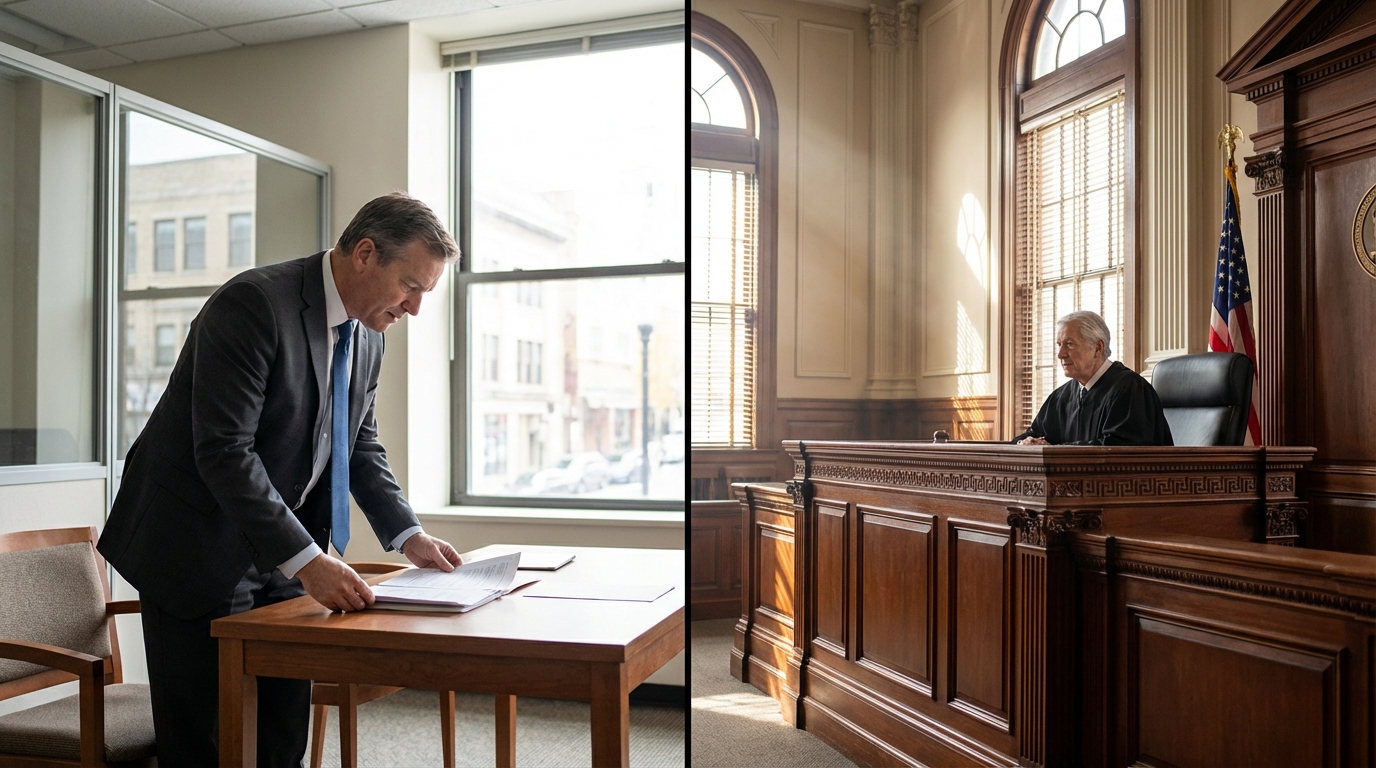
When you step into a legal proceeding, the person behind the bench holds your future in their hands, but not every authority figure is a traditional judge. Understanding the nuances of a hearing officer vs judge is essential for anyone navigating the legal system, as the rules of engagement change depending on who is presiding. While both roles involve weighing evidence and making critical determinations, their power, appointment process, and the finality of their rulings differ significantly.
Most people assume all courtroom officials belong to the judicial branch, yet many legal disputes are actually resolved within executive agencies. A judge typically possesses broad authority to issue binding orders in criminal or civil matters, whereas a hearing officer often specializes in niche areas like licensing or employment. Knowing which official is handling your case helps you understand the path for appeals and the specific scope of their decision-making power.
Key Takeaways
- Judges operate within the judicial branch with broad authority over civil and criminal matters, while hearing officers function within the executive branch to resolve niche administrative disputes like licensing and employment.
- A judge’s ruling is typically final and immediately binding, whereas a hearing officer’s decision often serves as a recommendation that requires ratification by an agency head or a presiding judge.
- Appealing a judge’s decision involves moving directly to a higher court, but challenging a hearing officer requires exhausting all internal administrative remedies before the case can enter the judicial system.
- Hearing officers apply specialized expertise and more relaxed rules of evidence to technical regulatory issues, while judges focus on strict constitutional procedures and general legal principles.
Jurisdictional Power And Judicial Branch Origins
Judges serve as the cornerstone of the judicial branch, wielding broad constitutional authority to preside over a wide array of criminal and civil matters. Their power is derived directly from the sovereign authority of the state or federal government, allowing them to issue final, binding orders that can fundamentally alter a person’s life or property. Because they operate within a general jurisdiction, judges must apply complex rules of evidence and procedure that are strictly enforced to protect constitutional rights. This formal environment means that every decision made by a judge carries the weight of law and is typically only subject to review by a higher appellate court.
In contrast, hearing officers and administrative law judges function primarily within the executive branch or as specialized subordinates to the trial court. Their jurisdiction is often limited to specific administrative frameworks, such as employment disputes, professional licensing, or child support enforcement. Unlike the broad reach of a traditional judge, a hearing officer’s power is defined by the specific agency or statute that created the role. In many cases, their decisions are not immediately final but instead serve as formal recommendations that must be ratified by an agency head or a presiding judge.
Understanding these jurisdictional boundaries is vital for any claimant preparing for a formal adjudication process. While a hearing officer’s environment may seem less formal than a traditional courtroom, the stakes remain high because their findings of fact often dictate the ultimate outcome of a case. Navigating these specialized frameworks requires a strategic approach that accounts for the unique rules of the administrative system. Because these officers focus on specific legal niches, they expect a high level of technical precision during the presentation of evidence. Securing professional guidance can help you manage these complexities and ensure your rights are protected throughout the litigation process.
Finality Of Orders And The Appeals Process
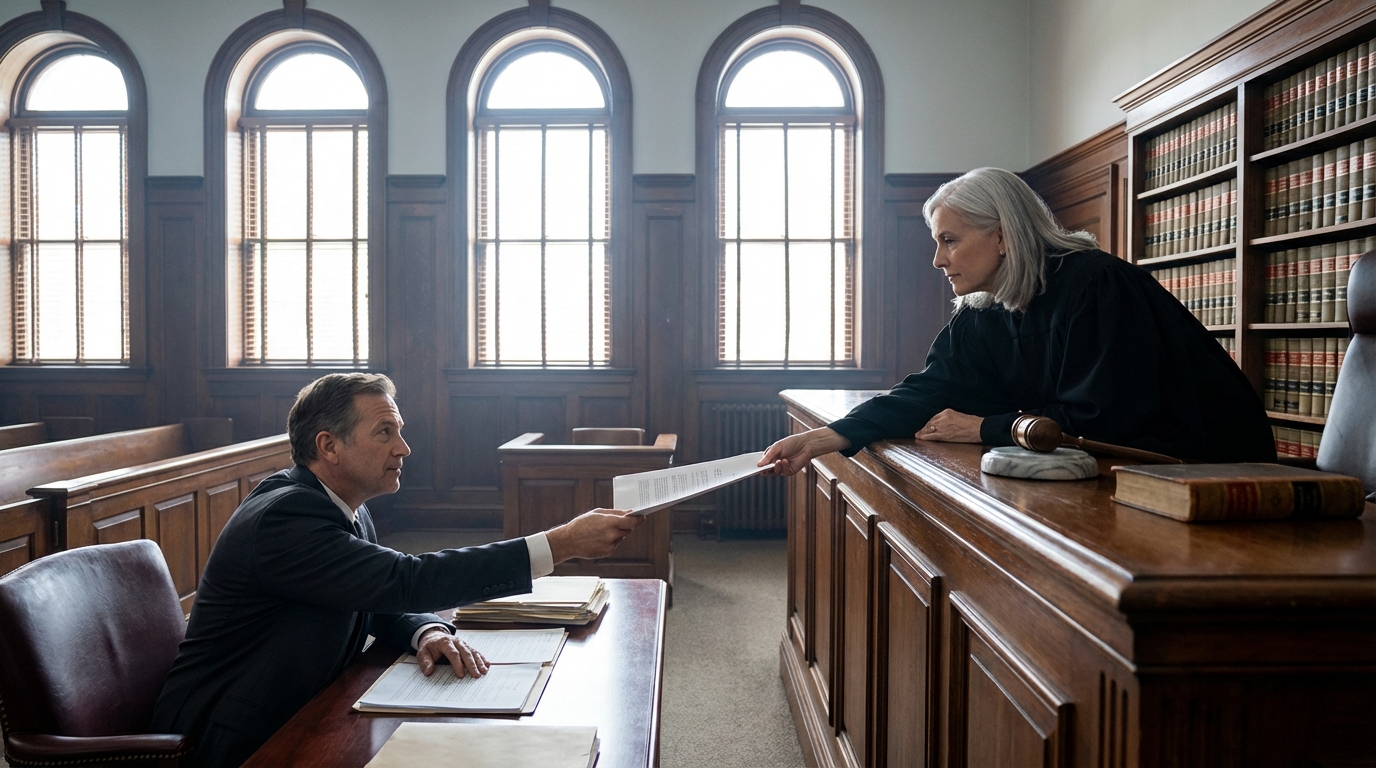
One of the most significant distinctions between a judge and a hearing officer involves the immediate weight and finality of their rulings. When a judge signs a final judgment in a court of law, that order is typically binding and goes into effect immediately unless a stay is granted. In contrast, many hearing officers serve in a recommendatory capacity, meaning their findings are often presented as a report or a set of recommendations. These documents frequently require the formal approval of an agency head or a presiding trial judge before they carry the full force of law. This distinction is vital for claimants to understand, as the victory achieved in a hearing may still face a secondary layer of administrative review.
The path for appeals also differs greatly depending on who presided over your case. If you disagree with a judge’s final order, your primary recourse is usually a formal appeal to a higher appellate court within the judicial branch. However, decisions made by hearing officers often require you to exhaust all internal administrative remedies first, which might include filing exceptions or an administrative appeal to the agency itself. This multi-tiered process can be complex and time-consuming, making it essential to have a clear strategy from the very beginning. Navigating these procedural hurdles is a critical part of litigation, as a failure to follow the specific rules for administrative appeals can result in losing your right to challenge the decision entirely.
Understanding the stakes of your specific forum allows you to prepare for the long-term trajectory of your legal matter. While a hearing officer provides a specialized focus on specific issues like licensing or employment, the lack of immediate finality can sometimes lead to a more protracted legal battle. A judge’s ruling offers a more direct path to a conclusion, but the formal rules of evidence and procedure in their courtroom are often much stricter. Whether you are appearing before an administrative body or a trial court, recognizing these differences ensures you are not caught off guard by the finality of the orders issued. Positioning yourself with the right guidance is the best way to manage these risks and work toward a favorable and enforceable resolution.
Specialized Administrative Expertise Versus General Litigation
Hearing officers and administrative law judges operate within a specialized framework designed to handle technical, regulatory disputes that require niche expertise. Unlike the broad mandate of a traditional court, these officials focus exclusively on specific areas such as professional licensing, employment benefits, or environmental compliance. For a claimant, this means the adjudicator will have a deep understanding of the agency rules and industry standards relevant to the case. Because the stakes often involve your professional livelihood or specific regulatory standing, navigating this specialized environment requires a precise strategy tailored to administrative protocols.
In contrast, a judge in a general trial court manages a vast spectrum of litigation ranging from complex criminal felonies to family law and civil torts. These judges are experts in the overarching rules of evidence and broad legal principles rather than the granular details of a specific state agency. While a judge has the authority to issue final, binding orders that can be appealed directly to higher courts, a hearing officer often issues a recommendation or an initial decision that may first be reviewed by an agency head. Understanding these distinctions is vital for any claimant preparing for formal litigation, as the procedural rules and the level of specialized knowledge expected from the parties will vary significantly between these two forums.
Key Differences in Judicial Authority and Procedure
Understanding the procedural nuances between a hearing officer and a judge is vital for anyone facing formal litigation. While a judge possesses broad authority to issue final, binding orders within the judicial branch, a hearing officer typically operates within a specific agency to provide recommendations or specialized rulings. These differences impact everything from the rules of evidence to the timeline of your appeal, making the stakes of your presentation incredibly high. Navigating these separate paths requires a strategic approach tailored to the specific presiding authority in your case.
The complexity of these legal environments means that professional guidance is often the deciding factor in a successful outcome. Presenting a case before a specialized administrative body requires a different set of skills than arguing before a general trial judge. Without a clear understanding of the agency-specific protocols or the judicial standards involved, claimants risk losing their rights due to technical errors. Securing expert support ensures that your evidence is presented effectively and that your legal interests are protected throughout the adjudication process.
As you prepare for your upcoming legal proceedings, it is essential to have a comprehensive strategy in place to maximize your recovery. Understanding how different professionals influence your case can help you avoid common pitfalls and secure the benefits you deserve. To learn more about how professional expertise can support your journey, discover how we can help you by exploring our guide on QME vs AME Differences: Choosing the Right Path for Your Workers Compensation Claim. This resource provides the clarity you need to make informed decisions and achieve a favorable resolution.
Frequently Asked Questions
1. What is the primary difference between a hearing officer and a judge?
The main difference lies in their branch of government and scope of authority. Judges operate within the judicial branch with broad power over criminal and civil law, while hearing officers typically work within executive agencies focusing on specific administrative issues.
2. Are the decisions made by a hearing officer legally binding?
Yes, their decisions are legally binding, but they often function as recommendations or initial rulings within an agency. Unlike a judge’s final court order, a hearing officer’s decision may require approval from an agency head or be subject to a different administrative appeal process.
3. Which official will handle my case if it involves a professional license?
You will likely appear before a hearing officer or an administrative law judge. These officials specialize in niche areas like professional licensing, employment disputes, and regulatory compliance rather than general criminal or civil litigation.
4. Do hearing officers follow the same rules of evidence as judges?
Hearing officers generally follow more relaxed rules of procedure and evidence compared to the strict constitutional requirements found in a judge’s courtroom. This informal environment allows administrative agencies to resolve specific disputes more efficiently.
5. How does the appeals process differ between the two roles?
A judge’s decision is typically appealed directly to a higher appellate court within the judicial system. In contrast, you must often exhaust all internal administrative appeals within an executive agency before you can challenge a hearing officer’s ruling in a traditional court.
6. Can a hearing officer send someone to jail in a criminal trial?
No, hearing officers do not have the authority to preside over criminal trials or issue sentences involving incarceration. Only a judge, who wields broad sovereign authority from the judicial branch, can preside over criminal matters and issue such life altering orders.
7. Why does it matter which official is presiding over my legal matter?
Knowing who is presiding helps you understand the specific rules of engagement and the limits of their decision making power. It allows you to prepare for the correct level of formality and identify the proper path for a future appeal if the workers comp claim denied or the ruling is not in your favor. This preparation often includes reviewing deposition questions to ensure your testimony remains consistent throughout the process.