In 2026, the financial stakes for workplace safety reached an unprecedented peak, making it critical for businesses to prioritize compliance. Following mandatory annual inflation adjustments, an employer safety violation penalty can now cost a company upwards of $165,514 for a single willful or repeated offense. These record-high fines serve as a reminder that the Department of Labor is intensifying efforts to ensure every worker returns home safely.
Managing these escalating costs requires a proactive approach to risk management rather than a reactive response to a citation. Even a simple other-than-serious oversight can now carry a maximum penalty of $16,550, potentially draining resources and damaging a firm’s reputation. Understanding how these penalties are calculated and identifying the specific triggers for citations is the first step in safeguarding both the workforce and the bottom line.
Key Takeaways
- Workplace safety penalties have reached record highs in 2026, with willful or repeated violations now costing up to $165,514 per offense.
- Proving ‘Serious and Willful Misconduct’ allows injured workers to bypass standard workers’ compensation benefit caps and secure significantly higher financial settlements.
- Official OSHA citations and Gravity Based Penalty ratings serve as critical legal evidence to document an employer’s intentional disregard for safety standards.
- Businesses must shift from reactive responses to proactive risk management to avoid escalating fines and the severe reputational damage associated with safety negligence.
Impact Of Willful Misconduct On Total Settlements
When a workplace injury is the result of more than just a simple accident, the standard workers compensation framework may not be the final word on recovery. In cases where an employer demonstrates a conscious disregard for safety, a claim of Serious and Willful Misconduct can be pursued to bypass typical benefit caps. This legal avenue is specifically designed to address situations where management was aware of a dangerous condition but chose to ignore it, leading to preventable harm. Successfully proving this level of negligence allows the victim to secure additional damages that far exceed the baseline payments for medical bills and lost wages. Because these penalties are intended to punish the employer for recklessness, they provide a vital mechanism for injured workers to receive full financial justice.
The financial impact of these violations is significant, as modern regulatory penalties have reached record highs to act as a stronger deterrent against corporate negligence. For instance, recent adjustments have pushed the maximum penalty for a single willful or repeat violation to over $165,000, reflecting a zero tolerance policy for intentional safety breaches. While these fines are paid to the government, they serve as powerful evidence in a private claim to demonstrate that the employer’s actions were legally egregious. When a victim can link an injury to a documented willful violation, the total settlement value often increases by a substantial percentage. This additional compensation acts as a critical lifeline for families dealing with the long term consequences of a catastrophic, yet avoidable, workplace incident.
Understanding the distinction between ordinary negligence and intentional misconduct is essential. Standard workers compensation is a no fault system, but it often fails to cover the true cost of suffering caused by a blatant refusal to follow safety protocols. By identifying specific instances where an employer failed to abate a known hazard or ignored mandatory posting requirements, a victim can build a compelling case for enhanced damages. These claims send a clear message that putting profits over personhood carries a heavy price tag. Ultimately, pursuing these additional damages ensures that the responsible parties are held accountable while providing the injured worker with the resources necessary for a complete recovery.
Maximum 2026 OSHA Penalties For Worksite Negligence
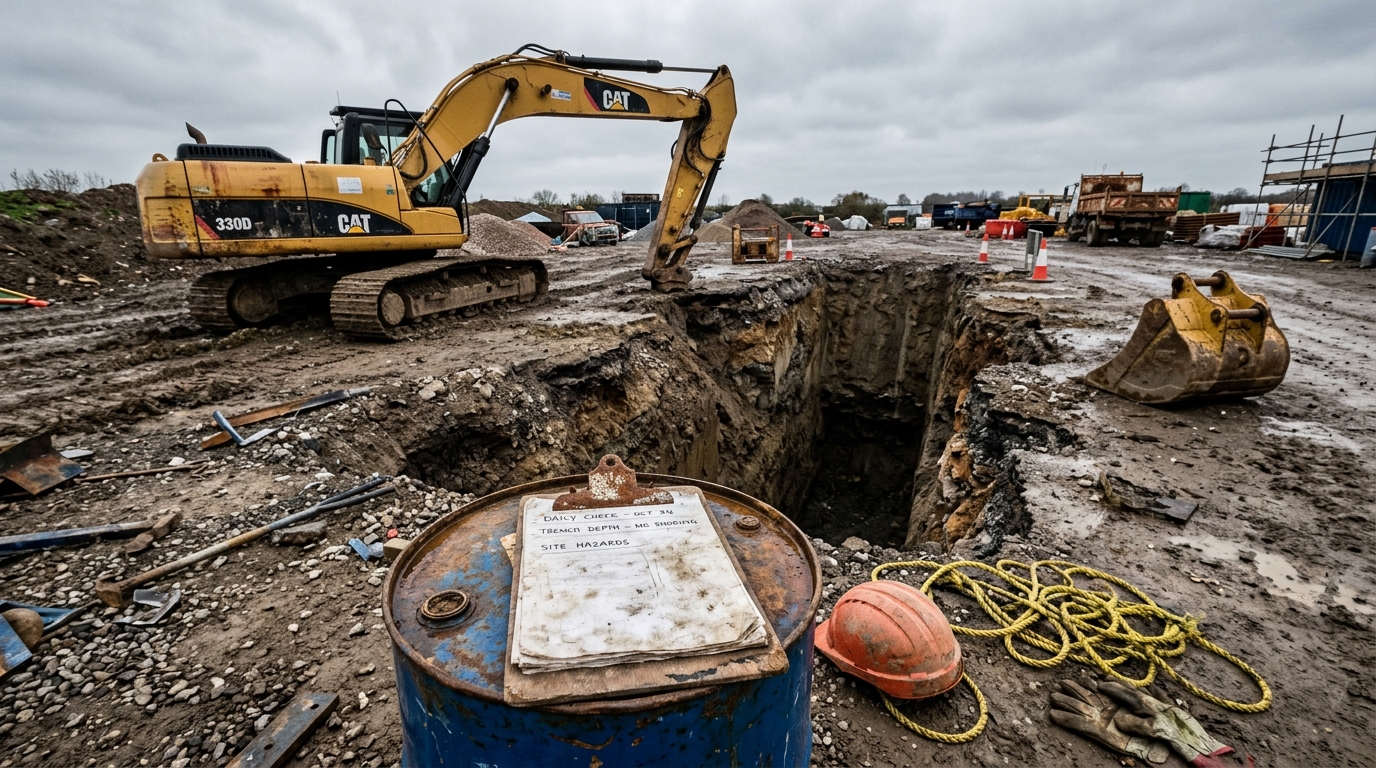
The 2026 OSHA civil penalty adjustments reflect a significant increase in the financial consequences for employers who fail to maintain a safe working environment. Under the Federal Civil Penalties Inflation Adjustment Act, the maximum fine for a serious violation has risen to $16,550, while willful or repeat offenders now face a staggering cap of $165,514 per violation. These record high amounts are designed to act as a powerful deterrent against corporate negligence and the cutting of safety corners. For an injured worker, these citations serve as more than just a government fine because they provide documented proof of employer misconduct. When a company is hit with a willful citation, it officially acknowledges that the employer acted with intentional disregard for safety standards or plain indifference to employee well-being.
Establishing that an injury was caused by serious and willful misconduct is a critical step in pursuing compensation that goes beyond standard benefits. When OSHA issues a repeat or willful citation, it creates a clear paper trail that can be used to demonstrate liability in complex legal claims. This evidence is particularly vital when attempting to prove that management was aware of a hazard but chose to ignore it for the sake of productivity or profit. High penalty amounts, especially the $165,514 cap for repeat violations, underscore the severity of the negligence involved in the eyes of federal regulators. By leveraging these official findings, victims of workplace accidents can build a stronger case for additional damages based on the employer’s failure to abate known risks.
Using Gravity Based Penalty Assessments As Evidence
OSHA utilizes a complex Gravity Based Penalty system to determine the financial consequences of a safety violation, and these assessments provide invaluable evidence for injured workers. By examining the severity of a potential injury alongside the probability of an accident occurring, inspectors assign a specific gravity rating to each citation. For an individual seeking compensation beyond standard benefits, a high gravity rating serves as an objective third party verification that the employer allowed a dangerous environment to persist. These ratings effectively document that the hazard was not a minor oversight but a significant threat to life and limb.
A high gravity score often acts as a bridge to proving serious and willful misconduct, which can significantly increase the total compensation available to an injured party. When an inspector categorizes a violation as willful, the maximum penalty can reach $165,514 as of the 2026 inflation adjustments. This classification demonstrates that the employer either acted with intentional disregard for safety or demonstrated plain indifference to the law. Utilizing these official findings allows a claimant to argue that the employer’s behavior was egregious enough to warrant additional damages. When evaluating the best path forward, understanding mediation vs trial benefits can help parties determine the most effective way to resolve these high-stakes safety disputes.
The documentation of these penalties serves as a critical roadmap for establishing a pattern of negligence within a commercial setting. Because OSHA adjusts these fines annually to maintain a deterrent effect, the rising costs highlight the legal system’s commitment to punishing unsafe workplace practices. When an employer is cited for a repeat violation, it confirms they were previously aware of the risk but failed to implement lasting corrections. This history of non-compliance is powerful evidence that an injury was the result of a calculated decision to prioritize speed or profit over worker protection.
Maximizing Recovery Through Employer Safety Penalties
Identifying an employer safety violation penalty is the critical first step in transforming a standard workers compensation claim into a case for maximum recovery. While basic insurance benefits cover medical bills and a portion of lost wages, they often fail to account for the true cost of an injury caused by willful negligence. With 2026 OSHA penalties reaching record highs, including maximums of $165,514 for willful or repeat violations, the financial stakes for non-compliance have never been higher. When you can prove that an employer consciously disregarded safety standards, you open the door to additional compensation that goes beyond the statutory limits of traditional insurance. This investigative process ensures that negligent parties are held accountable while providing you with the financial security necessary for a full recovery.
Securing the full value of your claim requires a strategic approach to documenting these violations and understanding how they influence your overall settlement. Every safety citation issued by OSHA serves as powerful evidence of misconduct that can significantly increase the total payout of your case. Navigating the complexities of safety regulations and insurance negotiations can be overwhelming, but an industrial accident lawyer can assist in the process. To ensure you are not leaving money on the table, it is vital to understand the valuation of your specific case and the role of various professionals in the process. To learn more about how to maximize your recovery and determine if your settlement offer is accurate, explore our guide on Is Your Workers Compensation Settlement Offer Fair? (2025 Guide).
Frequently Asked Questions
1. What is the maximum penalty for a willful safety violation in 2026?
A single willful or repeated offense can now cost a company upwards of $165,514 following recent inflation adjustments. These record-high fines reflect an intensification of Department of Labor enforcement efforts to ensure worker safety.
2. Can minor safety oversights still result in significant financial penalties?
Yes, even an other-than-serious oversight can carry a maximum penalty of $16,550 per violation. These costs can quickly drain resources and cause lasting damage to a firm’s professional reputation.
3. How does willful misconduct affect a standard workers compensation settlement?
When an injury results from a conscious disregard for safety, a claim of Serious and Willful Misconduct can be bypass typical benefit caps. This allows injured workers to secure additional damages that far exceed baseline payments for medical bills and lost wages.
4. What must be proven to successfully claim Serious and Willful Misconduct?
You must demonstrate that management was fully aware of a dangerous condition but chose to ignore it, leading to preventable harm. This legal avenue is specifically designed to punish recklessness and provide full financial justice to the victim.
5. Why are workplace safety penalties increasing so significantly?
Penalties are subject to mandatory annual inflation adjustments to ensure they remain a potent deterrent against negligence. The Department of Labor uses these escalating costs to encourage a proactive approach to risk management rather than a reactive response to citations.
6. How can my business avoid these escalating safety fines?
The first step is understanding how penalties are calculated and identifying specific triggers for citations within your operations. Prioritizing compliance and safeguarding your workforce is the only way to protect both your employees and your bottom line.