
Managing a work-related injury is stressful without the added worry of travel costs for medical appointments. The standard for workers comp mileage reimbursement increased to $0.70 per mile on January 1, 2025. This change aligns with updated IRS standards to help injured employees offset the resources of vehicle operation and fuel. Whether you are driving to a specialist or a local pharmacy, these funds ensure that your recovery does not drain your bank account.
Most states allow you to claim round-trip expenses for travel related to medical care, including visits to therapists and diagnostic centers. Beyond gas money, you may also be eligible for reimbursement for tolls, parking fees, and public transportation costs. Keeping meticulous records is essential to ensure you receive every cent owed under current labor laws. Missing these payments often results from simple filing errors or being unaware of the latest rate updates.
Key Takeaways
- The standard workers compensation mileage reimbursement rate increased to $0.70 per mile on January 1, 2025, aligning with updated IRS benchmarks to offset rising vehicle and fuel costs.
- Eligible travel expenses extend beyond personal vehicle mileage to include round-trip costs for public transportation, tolls, parking fees, and even lodging or meals for long-distance medical care.
- Maintaining a meticulous travel log with dates, odometer readings, and physical addresses is essential to prevent claim denials and ensure full reimbursement.
- Reimbursement eligibility and rates can vary by state, with some jurisdictions requiring minimum distance thresholds or following independent benchmarks rather than the federal IRS rate.
New 2025 IRS Standard Mileage Rates for Medical Travel
Beginning January 1, 2025, the IRS officially increased the standard business mileage rate to $0.70 per mile, a change that directly impacts workers compensation claims. This upward adjustment helps injured workers offset the costs of fuel, insurance, and vehicle maintenance required to reach necessary appointments. Most state workers compensation boards adopt these federal benchmarks as their primary standard for calculating medical travel reimbursement. Staying informed about this new rate ensures you receive the maximum financial relief available for every trip to a doctor or specialist.
While the federal rate serves as a guide, you must understand how your specific state jurisdiction applies these figures. Some states automatically link reimbursement levels to the IRS standard, while others may have a delay or set independent benchmarks based on local legislation. In many cases, these updated rates apply to travel occurring on or after the effective date, regardless of when the initial workplace injury took place. You should check with your claims adjuster or state board to confirm how the $0.70 rate is integrated into your local benefits schedule.
To receive every cent owed, maintaining a detailed and accurate travel log is an essential part of the recovery process. Most jurisdictions provide reimbursement for round-trip travel to medical facilities, physical therapy sessions, and pharmacies, provided you meet certain minimum distance thresholds. You may also claim additional expenses such as bridge tolls, parking fees, or public transportation costs if you provide the appropriate receipts. Submitting these logs consistently to your employer or insurance representative helps prevent delays and provides financial support during your transition back to health.
Reimbursable Travel Expenses Beyond Personal Vehicle Use

While the standard mileage rate provides relief for personal vehicle use, many claimants overlook other out of pocket costs that are eligible for reimbursement. If you rely on public transportation to reach medical appointments, you can typically recover the actual cost of bus fares, train tickets, or subway passes. Additionally, incidental expenses such as bridge tolls and parking garage fees at the doctor’s office are often covered by workers compensation insurance. It is essential to keep every receipt for these transactions to ensure you are fully compensated for the financial burden of transit.
In cases where specialized medical treatment requires traveling a long distance from home, you may be eligible for reimbursement of lodging and meal expenses. These costs are generally covered when an overnight stay is medically necessary or when travel time extends beyond a standard workday. You should document the necessity of these stays and provide itemized receipts to your claims representative for processing. Many states have specific daily limits for these expenses, so checking local guidelines can help you plan accordingly.
To maximize your financial recovery, maintain an organized log of every travel related expense beyond odometer readings. Small costs like automated toll payments or short term parking meters can add up to hundreds of dollars over a long recovery period. Submitting these expenses alongside standard mileage claims helps prevent delays in receiving your checks. Being proactive about tracking these non-vehicle costs ensures the insurance company bears the full weight of your medical transit requirements.
Essential Documentation for Accurate Mileage Log Submission
Maintaining a meticulous mileage log is the most effective way to ensure you receive the full reimbursement you are entitled to under workers compensation laws. Your documentation must begin with the specific date of service for every medical appointment, physical therapy session, or pharmacy trip. To satisfy insurance adjusters, record the precise starting and ending odometer readings for each round trip. Including the full physical address of the medical facility visited provides necessary verification for the distance traveled. These specific details transform a simple list into a professional expense report that is difficult for an insurance carrier to dispute or delay.
Accuracy is paramount when tracking travel because small omissions can lead to a claim denied or a lower payout. Beyond mileage, note the name of the treating physician or the specific type of medical service received during the visit. If your trip involves additional costs like highway tolls or parking fees, attach the original receipts to your log for full cost recovery. Many states now follow the updated 2025 IRS standard rate of $0.70 per mile, so even short trips add up to significant financial relief over time. Keeping this log in a dedicated notebook or digital spreadsheet ensures no mile goes uncounted during your recovery process.
Submitting your mileage log on a consistent schedule, such as every thirty days, helps maintain a steady flow of reimbursement checks to cover vehicle operating costs. Always double check that your total calculated miles match the distance between your home and the provider’s office to avoid red flags. It is also helpful to keep a photocopy or digital scan of every log before you mail it to the workers compensation representative. If you are required to travel more than a minimum threshold, such as ten or fifteen miles, having clear documentation becomes even more critical for eligibility. Professional record keeping demonstrates that you are diligent about your claim and helps you secure the maximum travel benefits available in your jurisdiction.
Common Distance Thresholds and Eligibility Requirements by State
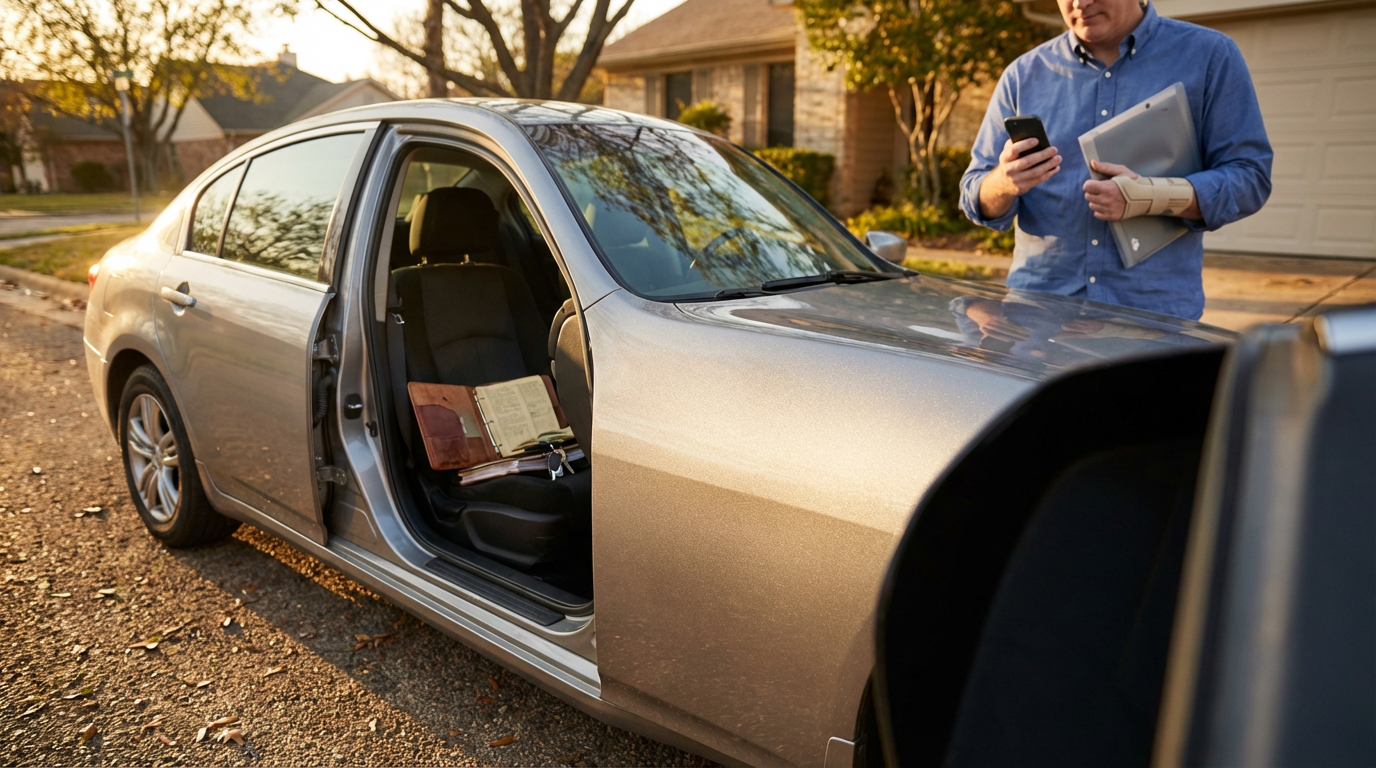
To qualify for medical mileage reimbursement, your travel must generally meet specific distance thresholds established by your state’s workers compensation board. While many states allow for reimbursement from the first mile, others implement a minimum distance requirement to prevent small administrative claims. For example, some jurisdictions only pay out if the round trip exceeds ten or fifteen miles from your primary residence or workplace. It is essential to track every trip to the doctor, physical therapist, or pharmacy to ensure you do not miss these payments. Insurance carriers frequently use these standards to filter out short local trips that they deem part of a standard daily commute.
The eligibility for these payments also depends on the reasonableness of the distance traveled to receive specialized care. If you choose to see a doctor significantly further away when comparable treatment is available nearby, the insurance carrier might only reimburse you for the distance to the closer facility. Most states now align their reimbursement figures with the IRS standard business rate, which increased to $0.70 per mile as of January 1, 2025. This rate covers the total cost of operating your vehicle, including fuel, maintenance, and wear. Staying informed about your local threshold ensures you can submit an accurate travel log for maximum financial relief.
In addition to standard personal vehicle use, many states provide coverage for other necessary travel expenses incurred during your recovery. If your injury prevents you from driving, the cost of public transportation, ride shares, or specialized medical transport is often fully reimbursable with proper receipts. Some jurisdictions even allow for reasonable lodging and meal expenses if you must travel a significant distance for a mandatory medical examination or surgery. You should always submit your mileage logs and expense reports directly to the insurance adjuster or your employer’s representative. Keeping a detailed and organized record is the most effective way to secure the immediate financial support you need while your claim is active.
Maximize Your 2025 Mileage Reimbursement Savings
Staying diligent with your mileage logs is one of the most effective ways to protect your finances while you recover from a work-related injury. With the 2025 reimbursement rate increasing to $0.70 per mile to match IRS standards, every trip to the doctor, pharmacy, or physical therapist represents significant potential savings. Failing to track these small trips can lead to substantial out of pocket losses over the course of a long claim. By maintaining a consistent travel log that includes dates, destinations, and round trip distances, you ensure you are fully compensated for the rising costs of vehicle operation.
Submitting your reimbursement requests to the insurance adjuster in a timely manner is equally important for maintaining steady cash flow. Most jurisdictions require these forms to be submitted within specific timeframes, and delays can lead to unnecessary friction with the insurance carrier. Consistent reporting demonstrates that you are actively participating in your medical treatment plan and helps prevent administrative backlog. When you treat your mileage tracking as a professional responsibility, you minimize the risk of disputes and ensure you receive the immediate financial relief you deserve.
Managing the complexities of a claim involves more than tracking travel expenses, especially as you look toward your long term financial future. Understanding the full value of your benefits is essential to knowing when workers comp payments start and ensuring you do not accept an inadequate payout for your injuries. If you are concerned about your overall compensation, you should explore our complete guide for injured employees on Is Your Workers Compensation Settlement Offer Fair? (2025 Guide) to learn more about maximizing your recovery. Taking this step will help you gain the clarity needed to secure a settlement that covers all your past and future needs.
Frequently Asked Questions
1. What is the current mileage reimbursement rate for workers compensation in 2025?
As of January 1, 2025, the standard reimbursement rate has increased to $0.70 per mile. This rate follows the updated IRS standards to help you cover the rising costs of fuel, insurance, and vehicle maintenance during your recovery.
2. Which types of trips are eligible for mileage reimbursement?
You can claim reimbursement for round-trip travel to any appointment related to your medical care. This includes visits to doctors, specialists, physical therapists, diagnostic centers, and trips to the pharmacy to pick up prescriptions.
3. Can I be reimbursed for expenses other than gas?
Yes, you are often eligible to recover costs beyond mileage. You should track and submit receipts for bridge tolls, parking fees, and the costs of public transportation if you do not drive yourself to appointments.
4. How do I ensure I receive the full amount I am owed?
Maintaining meticulous records is the most important step in securing your full reimbursement. Keep a detailed log of your travel dates, the exact mileage for each trip, and all relevant receipts to avoid filing errors that could lead to missed payments.
5. Does every state use the same $0.70 per mile rate?
While many state workers compensation boards automatically adopt the federal IRS benchmark, some jurisdictions may have different rules. You should confirm how your specific state applies these figures to ensure you are calculating your medical travel correctly.
6. Why did the mileage reimbursement rate increase this year?
The IRS increased the rate to $0.70 per mile to better reflect the actual costs of operating a vehicle. This adjustment ensures that your recovery process does not cause financial strain due to the high price of fuel and vehicle upkeep.