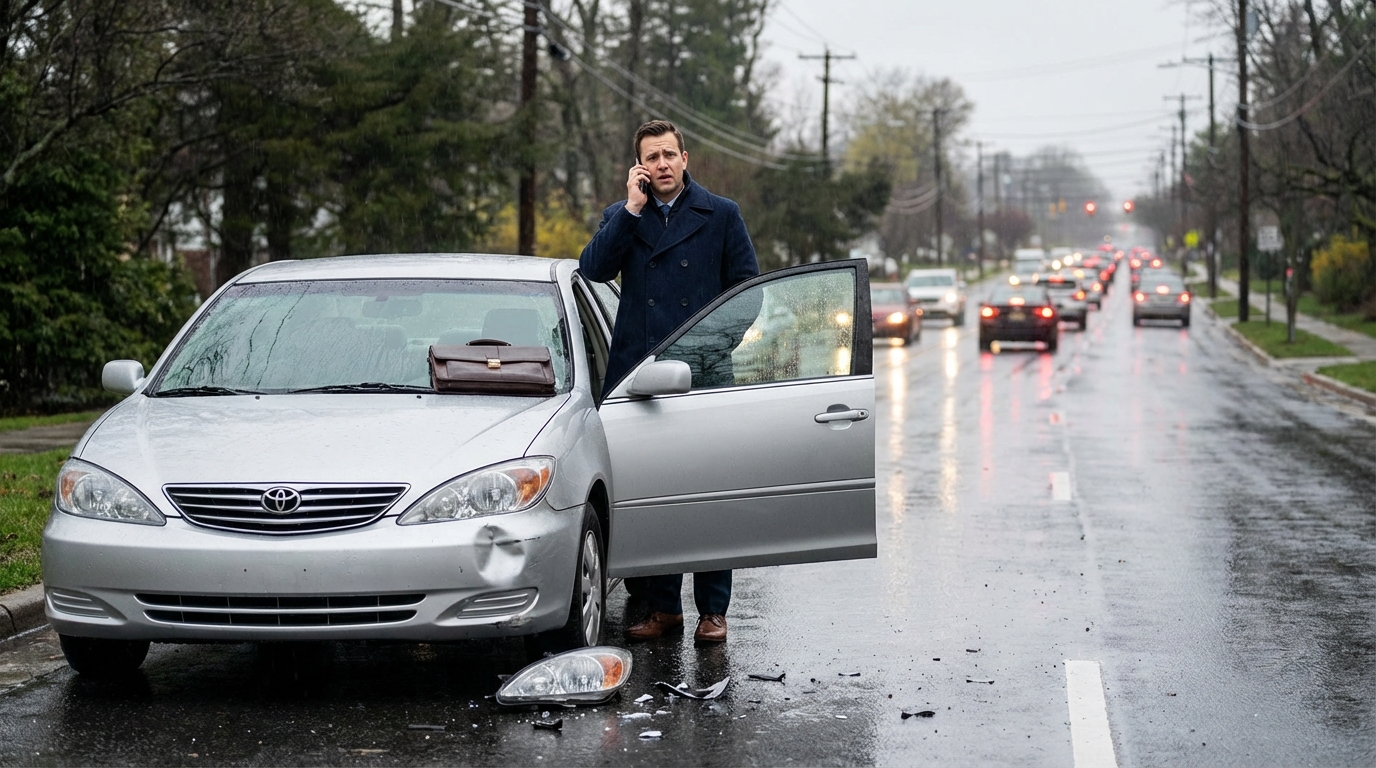
For most people, the morning commute is a mindless routine of coffee and podcasts, yet it remains one of the most dangerous parts of the day. Recent data shows that transportation incidents are the leading cause of occupational deaths, accounting for nearly 37% of all workplace fatalities. Experiencing an accident driving to work can instantly transform a mundane Tuesday into a complex legal and medical nightmare.
When a collision occurs on the clock or on the way to the office, the line between a personal insurance claim and a workers’ compensation case often blurs. Managing the aftermath requires understanding your rights regarding medical coverage, lost wages, and liability in high-risk areas like road work zones. Securing your physical and financial recovery starts with knowing exactly how to handle the immediate chaos of a commute-related crash.
Key Takeaways
- The ‘Coming and Going Rule’ generally excludes standard commutes from workers’ compensation because travel to and from a fixed workplace is considered a private transition.
- Transportation incidents are the leading cause of occupational deaths, accounting for nearly 37% of all workplace fatalities in the United States.
- Exceptions to liability rules apply if you are performing a special errand, transporting essential equipment, or driving a company-provided vehicle for the employer’s benefit.
- Mobile employees, such as field technicians and sales representatives, are often covered during travel because their vehicles serve as their primary workspace.
Understanding the Coming and Going Rule
The legal framework of your morning commute is primarily governed by the Coming and Going Rule, a principle that distinguishes between personal travel and professional duties. Under this rule, most employers are not held liable for accidents that occur while an employee is simply traveling to or from their fixed place of work. Courts generally view this time as a private transition where the employee is not yet under the company’s control or performing specific tasks. Because you are not technically on the clock during a standard commute, these incidents usually fall outside the scope of workers compensation or vicarious liability. This distinction is vital because transportation incidents currently account for over 36 percent of all workplace fatalities in the United States.
While the general rule excludes standard commutes, several critical exceptions can shift the liability back to the employer. For instance, if you were running a specific errand for your boss or transporting essential equipment during your drive, the journey may be classified as work related. Other exceptions include the use of a company vehicle provided for the employer’s benefit or travel involving a “special mission” that takes you away from your normal route. If your commute involves these unique circumstances, the accident might be compensable under labor laws despite the traditional Coming and Going restrictions. Identifying these nuances is often the key to securing benefits after a serious collision occurs on the way to the office.
Understanding where your personal commute ends and your professional responsibilities begin is essential for any driver. With hundreds of fatal crashes occurring in road work zones and during peak travel times each year, the financial stakes of a morning accident are incredibly high. If your employer derives a specific advantage from your travel, such as requiring you to be on call or using your vehicle for deliveries, the legal protections usually reserved for work hours may apply. These complexities require a close look at your specific job description and the exact nature of your trip. Distinguishing between a routine drive and a task driven excursion can make all the difference in a legal claim.
Exceptions for Special Employer Errands
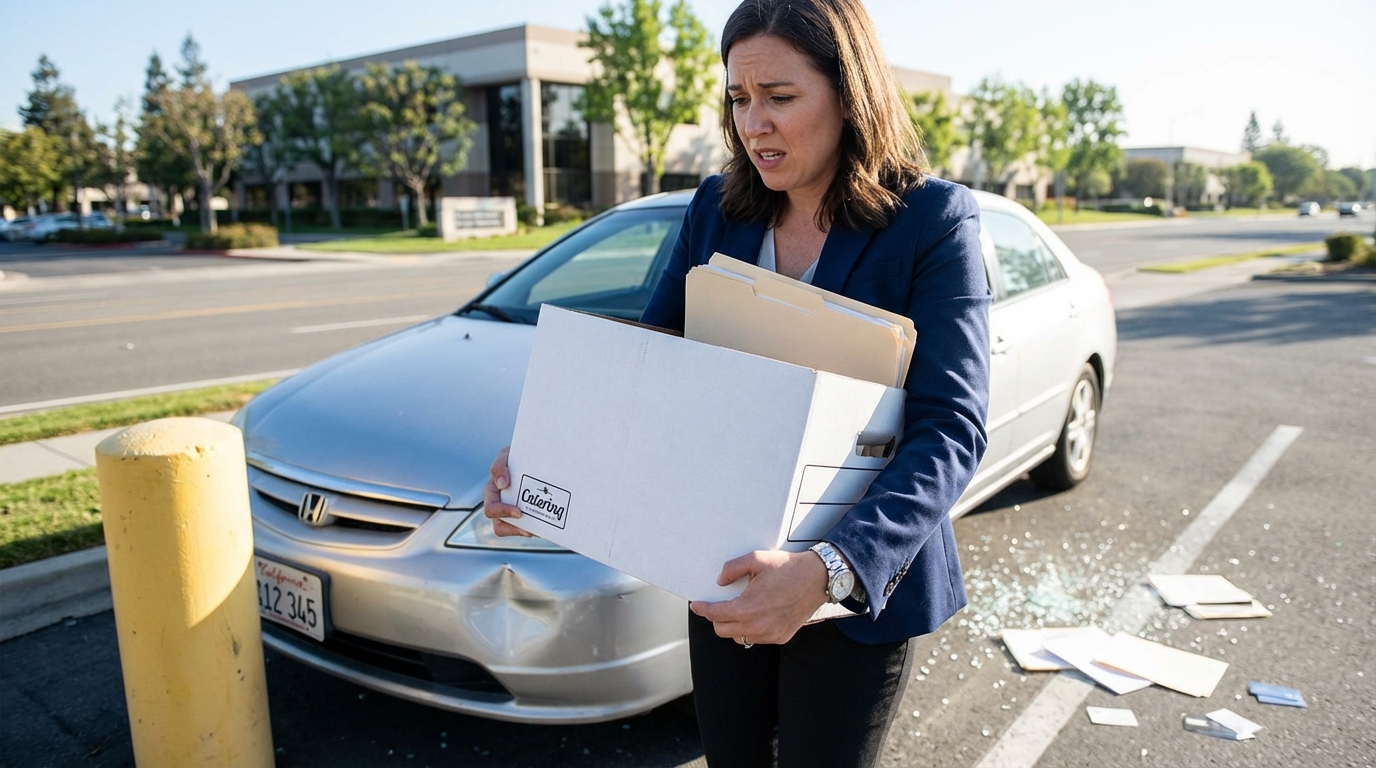
While the Coming and Going Rule generally excludes standard commutes from workers compensation coverage, performing a special errand for your employer can change everything. If your boss asks you to stop at a store for office supplies or drop off legal documents on your way into the building, you are often considered to be within the scope of employment. This shift occurs because your travel is no longer just a personal commute but a task that provides a direct benefit to the company. In these instances, the law frequently views your vehicle as an extension of the workplace from the moment you begin the errand. This protection is vital because transportation incidents accounted for nearly thirty-seven percent of all U.S. workplace fatalities in 2023.
Proving that an accident occurred during a special errand requires clear evidence of the employer’s request and the specific nature of the task. You should document any emails, text messages, or verbal instructions that prompted the detour from your normal route. If a collision happens while you are traveling toward a client’s office or picking up coffee for a morning meeting, the injuries sustained may be compensable. Even a minor detour for a business purpose can bypass the standard restrictions of the commute rule. Because road collisions are the leading cause of occupational deaths, understanding these legal exceptions is essential for securing your rights after a crash.
The distinction between a personal trip and a business errand often hinges on whether the mission was a requirement of the job. If the errand was a delegated duty that necessitated the use of your vehicle, you are likely covered under the employer’s liability or workers compensation. These exceptions exist to protect employees who take on additional risks on the road to ensure the business operates smoothly. Whether you are driving a company car or your personal vehicle, the focus remains on the purpose of the journey at the time of the impact. Establishing the professional necessity of your travel is the first step toward a successful recovery.
Liability Risks With Company Provided Vehicles
While the Coming and Going Rule generally prevents employees from seeking workers compensation for a standard commute, driving a company-provided vehicle often changes the legal situation. When an employer provides a vehicle for your daily use, the line between personal travel and professional obligation becomes blurred. Courts often view the use of a company car as a benefit to the employer, particularly if the vehicle carries branding or is used to transport tools. This distinction is vital because it can transform a routine accident into a compensable workplace injury. If your employer maintains and controls the vehicle you drive to work, you may be eligible for benefits that a standard commuter would be denied.
The presence of a company vehicle often serves as a primary exception to the rule that commuting is not part of the job. Legal precedents frequently suggest that if the employer provides the transportation, the employee is technically under the employer’s control from the moment they start the engine. This is especially true if you are required to take the vehicle home to respond to emergency calls or if you are prohibited from using it for personal errands. Because transportation incidents account for nearly 37 percent of all U.S. workplace fatalities, understanding these liability shifts is essential for your financial protection. By providing the car, the company essentially extends the boundaries of the workplace to include your route to the office.
Beyond the ownership of the car, the specific tasks you perform during your drive can further establish liability. If you are expected to monitor a radio, transport equipment, or make professional stops on your way to the office, your commute is no longer considered a private trip. These factors create a path for injury claims that would otherwise be blocked by standard insurance exclusions. These claims require a clear understanding of how your employer benefits from your travel in their vehicle. Even a minor accident during a morning drive can have significant legal implications when a company-owned asset is involved in the collision.
Determining Work Relatedness for Mobile Employees
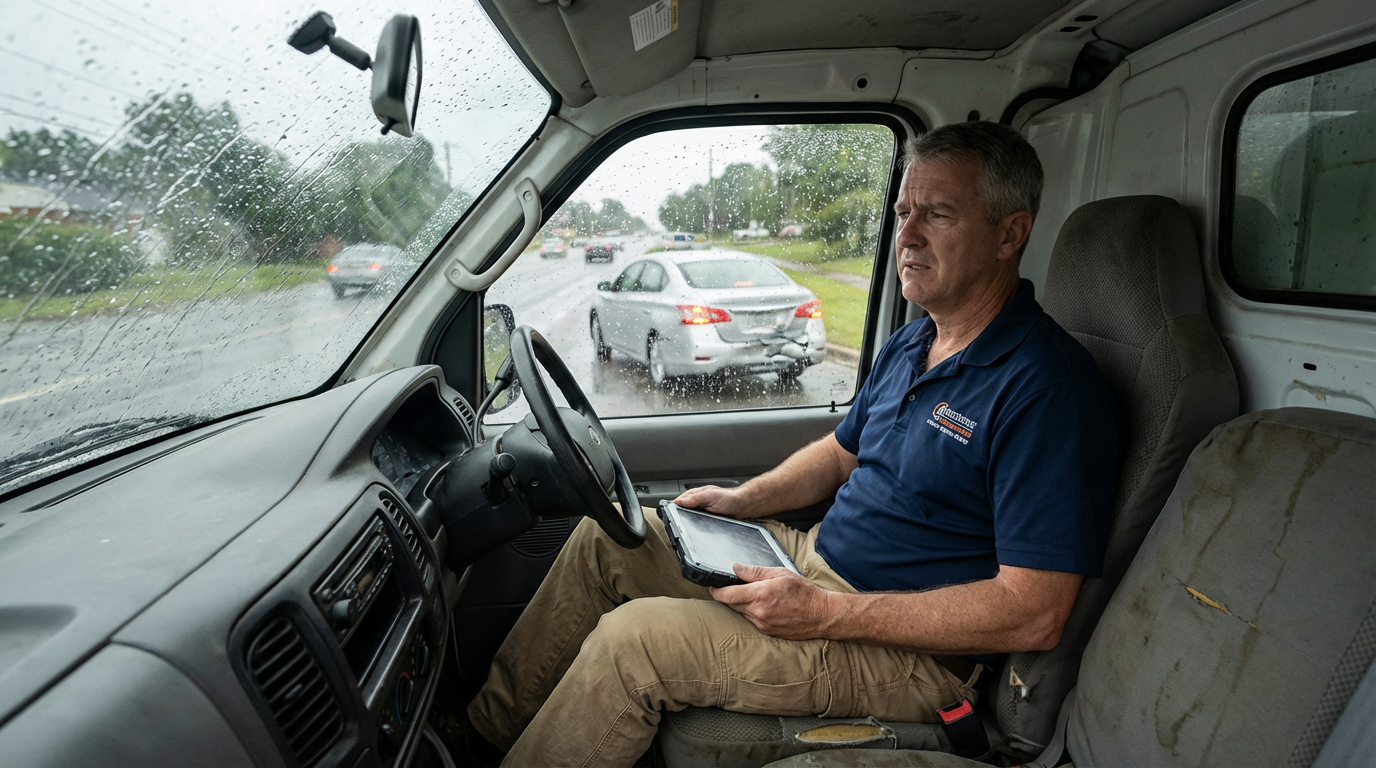
Determining whether an accident is work related becomes significantly more complex for mobile employees who do not report to a traditional office. For sales representatives, home health aides, and field technicians, the vehicle essentially serves as their primary workspace. In these professional roles, the typical journey from home to the first client or job site is often legally viewed as a continuation of their professional duties rather than a personal commute. This distinction is vital because it shifts the legal burden from the individual to the employer and their insurance carrier. When your job requires constant travel, the standard boundaries of the workplace expand to include the roads you use throughout the day.
Mobile workers often fall under specific exceptions to the Coming and Going Rule due to the inherent nature of their employment. If an employer provides a company vehicle or requires an employee to have their personal car available for daily tasks, the travel time is frequently compensable. Courts often look at whether the travel was performed for the benefit of the employer or if the worker was under the company’s control during the incident. For instance, an accident occurring while transporting specialized equipment or traveling between multiple work sites is almost always classified as work related. Understanding these coverage, eligibility, and claims nuances is essential for securing the benefits and protections you deserve after a collision.
Managing the aftermath of a workplace bound collision requires a clear understanding of your legal status during the commute. While standard trips to the office are usually excluded from workers’ compensation, identifying specific exceptions like the mobile employee rule or the special mission doctrine can change the outcome of your claim. Recognizing these distinctions ensures that victims of road accidents are not left to handle medical bills and lost wages on their own. By focusing on the specific purpose of your travel and the requirements of your job, you can better advocate for your rights. Securing professional guidance by finding the best workers comp lawyers to review the facts of your crash is the final step in protecting your financial and physical well being.
Determining Liability for Your Commute Accident
Determining whether your commute qualifies for legal protection requires a close look at the specific circumstances surrounding your trip. While the Coming and Going Rule generally excludes standard travel between home and the office, several critical exceptions can shift the liability back to your employer. If you were running a professional errand, transporting specialized equipment, or driving a company-owned vehicle at the time of the collision, your accident may actually be considered work related. Understanding these nuances is vital because transportation incidents remain the leading cause of occupational fatalities, accounting for over thirty-six percent of workplace deaths annually.
The financial and physical consequences of a crash during your commute can be overwhelming, especially when managing the complexities of insurance and liability. Because work zone crashes and peak travel periods present such high risks, it is essential to document every detail of your trip to prove you were acting within the scope of your employment. Proving an exception to the standard rules often requires a detailed review of your job description and the specific tasks you were performing when the incident occurred. Many workers discover that their situation falls into a gray area that entitles them to significantly more support than they initially realized.
As you evaluate your next steps, it is important to ensure you are receiving the full amount of compensation you deserve for your injuries and lost wages. Managing the legalities of a commute based claim can be difficult, but you do not have to do it alone. To ensure you are being treated fairly by insurance carriers, we invite you to read our complete guide, Is Your Workers Compensation Settlement Offer Fair? (2025 Guide), to help you gauge the value of your case. Taking the time to explore our services will help you secure your financial future while you focus on your recovery.
Frequently Asked Questions
1. Am I covered by workers compensation if I crash during my normal commute?
Generally, you are not covered under workers compensation during a standard commute due to the Coming and Going Rule. This legal principle treats your travel to and from a fixed place of work as a private transition rather than professional duty. However, you may still be eligible for benefits if your situation meets specific legal exceptions.
2. What are the exceptions to the Coming and Going Rule?
You may be covered if you were performing a special errand for your employer or transporting essential equipment necessary for your job. Other exceptions include travel between different worksites or if your employer provides a company vehicle for the commute. These factors shift the journey from a personal trip to a professional responsibility.
3. Who is liable if I have an accident while running a work errand on my way in?
If you are performing a specific task at your employer’s request, the accident often falls within the scope of your employment. In these cases, the employer may be held liable under the principle of vicarious liability. This allows you to potentially pursue workers compensation benefits for medical bills and lost wages.
4. How common are transportation fatalities in the workplace?
Transportation incidents are the leading cause of occupational deaths in the United States. They currently account for nearly 37 percent of all workplace fatalities. This high percentage highlights the significant risks you face every day during your morning and evening commutes.
5. What should I do immediately after a collision on my way to work?
Your first priority is securing medical attention and ensuring your physical safety, especially in high risk areas like road work zones. You should then determine if your travel involved specific work duties that might qualify for insurance coverage beyond your personal policy. Documenting the circumstances of the trip is essential for any future legal or medical claims.
6. Does my employer’s insurance cover my personal vehicle during a commute?
Employer insurance typically does not cover your personal vehicle during a standard commute unless you are performing a specific business function. If the journey is classified as a personal transition, you must rely on your own personal auto insurance policy. If you find your claim denied, the distinction depends entirely on whether you were under the company’s control at the time of the crash. When navigating these disputes, it helps to understand lawyer fees and how legal representation can assist in your appeal.