
Pain that develops over months is just as debilitating as a sudden fracture, yet it often leaves workers wondering if they have a right to support. Understanding repetitive stress injury eligibility is the first step toward securing the benefits you deserve for conditions like carpal tunnel or tendonitis. These injuries don’t happen in a single moment, as they are the result of thousands of micro-traumas caused by everyday workplace tasks. When your job is the primary source of your physical strain, the law generally recognizes your right to compensation.
The greatest hurdle in these claims is often proving that your duties, rather than outside hobbies, caused the damage. Because these injuries lack a clear accident date, insurance providers frequently scrutinize medical history and daily routines. Success depends on clear documentation and a direct link between your professional requirements and your physical symptoms. Managing this process requires a strategic approach to medical evidence and a firm understanding of your legal rights.
Key Takeaways
- Establishing eligibility for a repetitive stress injury claim requires a direct, documented link between specific workplace tasks and the resulting medical diagnosis.
- Medical causation is the primary hurdle in these claims, making it essential to provide a physician’s opinion that explicitly connects repetitive motions to physiological damage.
- Timely reporting is critical because the legal ‘date of injury’ is typically defined as the moment you first sought treatment or when pain interfered with your job duties.
- Success depends on maintaining a comprehensive paper trail, including ergonomic assessments, personal pain logs, and detailed medical records that track the progression of symptoms.
Defining Covered Repetitive Stress Injury Conditions
Repetitive stress injuries represent a broad category of non-traumatic conditions that develop over time rather than from a single, sudden accident. In sedentary office settings, workers often qualify for compensation due to carpal tunnel syndrome or bursitis caused by hours of typing and improper ergonomic alignment. Industrial environments present different risks, where warehouse staff or assembly line workers may develop chronic tendonitis or rotator cuff tears from constant lifting and reaching. Because these injuries are cumulative, eligibility depends on identifying the specific physical stressors that led to the gradual degradation of muscle or nerve tissue.
Securing benefits for these conditions requires a clear link between your daily job duties and the resulting medical diagnosis. Qualifying ailments often include trigger finger, epicondylitis (commonly known as tennis elbow), and various forms of chronic nerve compression. To establish eligibility, documentation must show that the repetitive nature of your professional tasks is the primary cause of the impairment. This process distinguishes work-related strain from natural aging or outside hobbies. By focusing on the repetitive motion involved in your specific role, you can build a stronger case for the medical coverage and wage replacement you deserve.
Proving Medical Causation For Eligibility
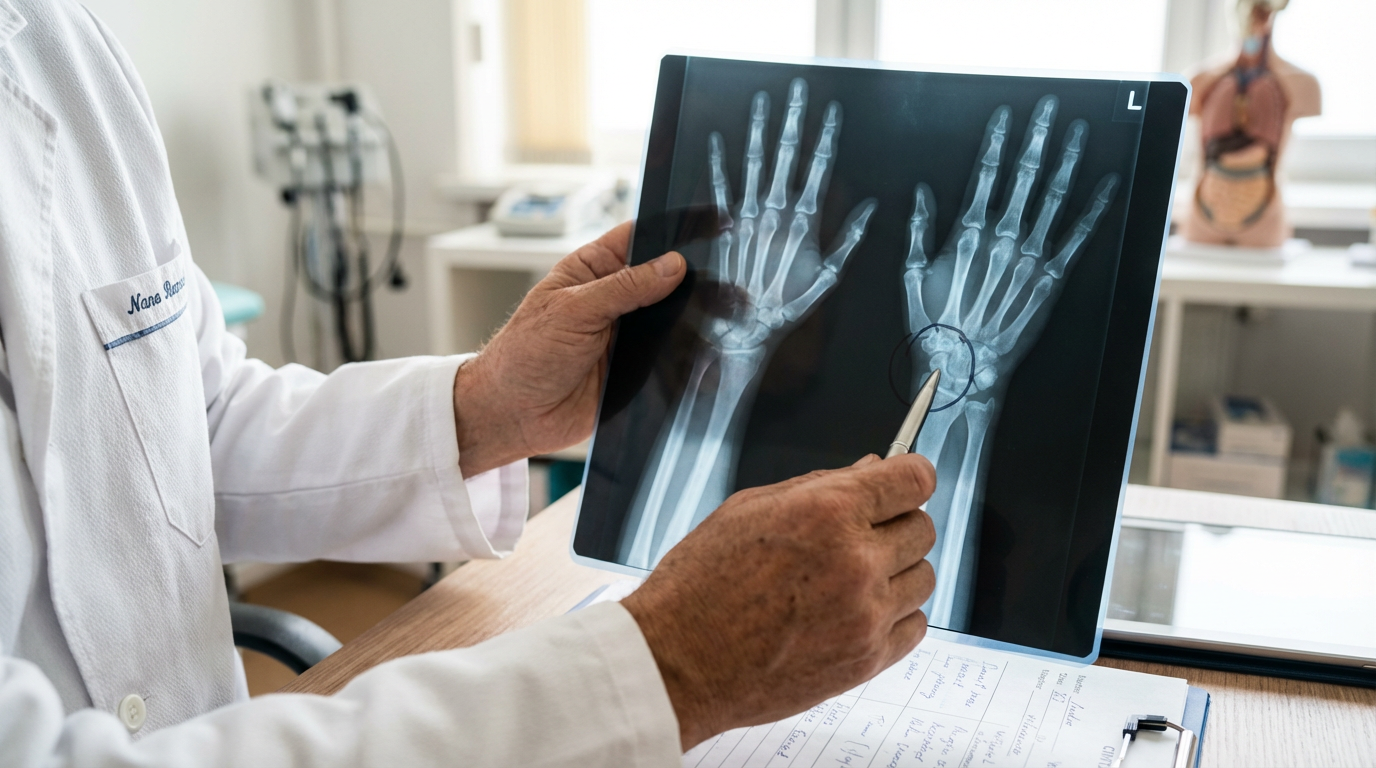
Establishing eligibility for a workers compensation claim involving repetitive stress injuries requires a clear and documented link between your daily job duties and the resulting physical trauma. Unlike a sudden fall or a sharp impact, conditions like tendonitis or carpal tunnel syndrome develop over months or years of micro-trauma to the soft tissues. To qualify for benefits, you must demonstrate that your specific occupational functions, such as constant typing in an office or heavy lifting in a warehouse, are the primary cause of your condition. This process often involves a detailed analysis of your ergonomic environment and the frequency of the motions performed during your shift.
Medical causation is the most critical hurdle in securing approval for a non-traumatic injury claim. Insurance providers frequently attempt to attribute these conditions to outside hobbies, age, or pre-existing health issues rather than workplace exertion. A successful claim relies heavily on a physician’s opinion that explicitly connects your repetitive tasks to the physiological damage found in your muscles or nerves. Detailed medical records that track the progression of pain alongside your work schedule provide the necessary evidence to prove that your employment is the source of the injury.
The burden of proof rests on your ability to show that the physical strain of your job exceeds the normal wear and tear of everyday life. Documentation should include a comprehensive description of your repetitive movements, such as the number of hours spent at a workstation or the specific weight of objects handled on a loading dock. By providing a clear timeline of when symptoms began in relation to shifts in your workload, you strengthen the argument for medical causation. Consistently reporting symptoms to your employer as they arise ensures that the link between your labor and your injury is established early in the process.
Navigating Reporting Timelines For Cumulative Trauma
Determining the exact date of injury for a repetitive stress condition is more complex than documenting a sudden trip or fall. Because conditions like tendonitis or carpal tunnel syndrome develop over weeks or months, insurance companies often look for a specific triggering event to establish eligibility. In most jurisdictions, the legal date of injury is defined as the moment you first sought medical treatment or the day the pain became severe enough to interfere with your job duties. Identifying this date correctly is vital because it initiates the clock for statutory reporting deadlines. Waiting too long to report these gradual symptoms can lead to a denial of benefits based on late notification.
Proving eligibility for cumulative trauma requires a clear link between your daily job functions and the physical degradation of your muscles or nerves. Office workers typing for eight hours a day or warehouse employees performing constant overhead lifting are at high risk for these types of injuries. You should document when you first noticed the discomfort and how specific tasks, such as gripping tools or using a mouse, exacerbate the pain. Providing a detailed history of your work habits helps medical professionals and adjusters understand that the injury is a direct result of professional strain rather than outside hobbies. Consistency in your medical records ensures that your claim remains viable throughout the evaluation process.
Timely reporting is the most effective way to protect your rights when dealing with the slow onset of a repetitive motion injury. Even if you are unsure of how long you have to file a claim, notifying your supervisor as soon as a medical professional confirms the condition is work related is essential. Early intervention not only helps establish your eligibility for workers compensation but also allows for ergonomic adjustments that may prevent the injury from worsening. By focusing on the relationship between your repetitive tasks and your physical symptoms, you build a stronger case for the medical care and lost wages you deserve. Clear communication and thorough documentation remain your best tools for handling the complexities of cumulative trauma claims.
Evidence Required For Valid Eligibility Claims

Establishing eligibility for a repetitive stress injury claim requires a robust collection of medical documentation that clearly links your symptoms to your daily professional duties. Because conditions like tendonitis or carpal tunnel syndrome develop over months or years, you must provide a comprehensive medical history that tracks the progression of the injury. This includes initial diagnostic reports, imaging results such as MRIs or ultrasounds, and detailed notes from healthcare providers regarding the physical limitations you experience. These records serve as the foundation of your claim by proving that the condition is a clinical reality rather than a temporary ache.
Beyond medical records, a precise job description is vital for demonstrating how specific office or warehouse tasks contributed to your physical strain. You should document the frequency and duration of repetitive movements, such as typing for eight hours a day or lifting boxes in a distribution center. An ergonomic assessment can further strengthen your case by identifying specific hazards in your workstation setup or mechanical workflow that lead to cumulative trauma. When professional evaluations highlight a direct correlation between your workspace and your injury, it becomes much harder for insurers to attribute the condition to outside hobbies.
Consistency in your reporting is the final piece of the puzzle when verifying work related eligibility. You should maintain a personal log that details when pain flares up during specific shifts and how those symptoms subside or worsen depending on your workload. Providing evidence of any previous workplace safety reports or requests for ergonomic equipment can also demonstrate that the issue was persistent and related to the environment. By combining these personal accounts with objective medical data and professional job analysis, you create a compelling narrative of causation.
Proving Eligibility for Repetitive Stress Claims
Establishing eligibility for a repetitive stress injury claim requires a clear connection between your daily occupational duties and the physical symptoms you are experiencing. Whether you are dealing with carpal tunnel from office typing or tendonitis from repetitive lifting in a warehouse, the burden of proof rests on demonstrating that your workplace environment is the primary cause of the trauma. You must be able to show that these tasks, rather than outside hobbies or pre-existing conditions, led to the gradual wear and tear on your muscles and nerves. Consistent documentation of your job duties and the specific motions required is essential for building a credible case.
Seeking early medical intervention is the most critical step you can take to protect both your health and your legal rights. Waiting until the pain becomes unbearable can weaken your claim, as insurance carriers may argue the injury occurred outside of work or was not severe enough to warrant immediate care. Reporting your symptoms to your employer as soon as they arise creates a vital paper trail that links your condition to your employment timeline. A professional medical evaluation provides the objective evidence needed to validate your diagnosis and begin the recovery process through specialized treatment plans.
Understanding the complexities of the claims process ensures that you do not overlook your right to comprehensive benefits. From medical coverage to potential career transitions, knowing your options helps you secure a stable future after a chronic workplace injury. If you are concerned about how your injury affects your long term career prospects, we encourage you to explore our guide on Vocational Rehabilitation in Workers’ Comp: Services, Stats, and Essential FAQs to learn more about the support available to you. Taking proactive steps today will help you handle the system with confidence and ensure you receive the full support you deserve.
Frequently Asked Questions
1. What exactly qualifies as a repetitive stress injury for a claim?
A repetitive stress injury is a non-traumatic condition that develops over time due to thousands of micro-traumas from everyday workplace tasks. You qualify when your job is the primary source of physical strain, resulting in conditions like carpal tunnel, tendonitis, or bursitis.
2. How do I prove my injury was caused by work and not a hobby?
Success depends on clear documentation and a direct link between your professional requirements and your physical symptoms. You must provide medical evidence that identifies the specific physical stressors in your daily job duties that led to the gradual degradation of your tissue.
3. Can office workers qualify for compensation for typing-related pain?
Yes, workers in sedentary office settings often qualify for benefits due to carpal tunnel syndrome or bursitis caused by hours of typing and improper ergonomic alignment. These injuries are recognized as cumulative damage resulting from consistent workplace requirements.
4. What are the most common conditions covered under these claims?
Qualifying ailments frequently include carpal tunnel syndrome, tendonitis, rotator cuff tears, and trigger finger. Whether you work in an industrial warehouse or a corporate office, any condition caused by repetitive lifting, reaching, or typing can be eligible.
5. Why do insurance companies often scrutinize repetitive stress claims?
Because these injuries lack a single accident date, insurers often look for outside factors or pre-existing medical history to deny coverage. You must be prepared to demonstrate that your workplace duties are the primary cause of your condition through consistent medical records.
6. What is the first step toward securing benefits for a gradual injury?
The first step is understanding your eligibility and establishing a strategic approach to your medical evidence. You must link your specific job tasks to your medical diagnosis to prove the injury is a result of workplace strain rather than general aging or outside activities.