Facing a denial of benefits can be an overwhelming experience, but a contested workers comp hearing provides a formal stage to fight for the compensation you deserve. In 2024 and 2025, these administrative trials are increasingly shaped by digital evidence and complex medical testimony regarding an aging workforce. This is a high-stakes evidentiary trial presided over by an Administrative Law Judge where every detail of your injury is scrutinized.
Preparation is the deciding factor between securing your future and walking away empty-handed. Because there is no jury, the outcome depends entirely on the strength of your medical records, expert witnesses, and your ability to withstand cross-examination under oath. Understanding the nuances of the hearing process ensures you are not blindsided by insurance carrier tactics or procedural technicalities. Success requires a strategic approach to presenting evidence that proves the true impact of your workplace injury.
Key Takeaways
- A contested workers’ compensation hearing is a formal bench trial where an Administrative Law Judge, not a jury, holds sole authority to decide the fate of your benefits based on admissible evidence.
- Success in 2024 and 2025 hinges on the strength of objective medical documentation and expert testimony to counter aggressive insurance tactics like surveillance footage and digital profiling.
- Testifying under oath requires precise preparation to withstand rigorous cross-examination, as any inconsistency between your statements and medical records can undermine your credibility and claim.
- The transition from mediation to litigation marks a shift to a high-stakes legal battle where strict procedural rules apply and decisions are legally binding, often requiring a professional legal strategy to navigate.
The Transition From Mediation To Formal Litigation
When mediation fails to produce a settlement, your claim undergoes a significant transformation from an informal discussion to a formal legal battle. This shift marks the end of passive negotiation and the beginning of active litigation, where the stakes are significantly higher for your financial future. You are no longer just a claimant filing paperwork, but a litigant in a high-stakes evidentiary trial. This transition requires a strategic pivot as you prepare to present a compelling case before an Administrative Law Judge. The informal atmosphere of the conference room is replaced by the structured environment of a courtroom where rules of evidence and procedure strictly apply.
The formal hearing functions as a bench trial without a jury, meaning the Administrative Law Judge holds the sole authority to decide the fate of your benefits. During this phase, the insurance carrier will likely intensify efforts to deny your claim using expert medical testimony or surveillance footage. You will be required to testify under oath and face rigorous cross-examination from the insurance company’s defense counsel. Success in this environment depends on your ability to present medical records and expert opinions that satisfy specific legal standards. Navigating this complex process alone is often overwhelming, as the transition to litigation demands a deep understanding of state-specific workers compensation statutes.
As litigation commences, the focus of your case moves toward proving every element of your injury through admissible evidence. The Administrative Law Judge will scrutinize the causal connection between your employment and your physical condition based on the testimony provided. Because the decision made at this stage is legally binding, the preparation phase becomes the most critical part of the process. You must be ready to counter the insurance carrier’s legal arguments with a clear, well-organized presentation of the facts. Moving into this formal phase signals that a stalemate has been reached and a professional legal strategy is now necessary to secure the benefits you deserve.
Evidentiary Standards And Medical Expert Testimony
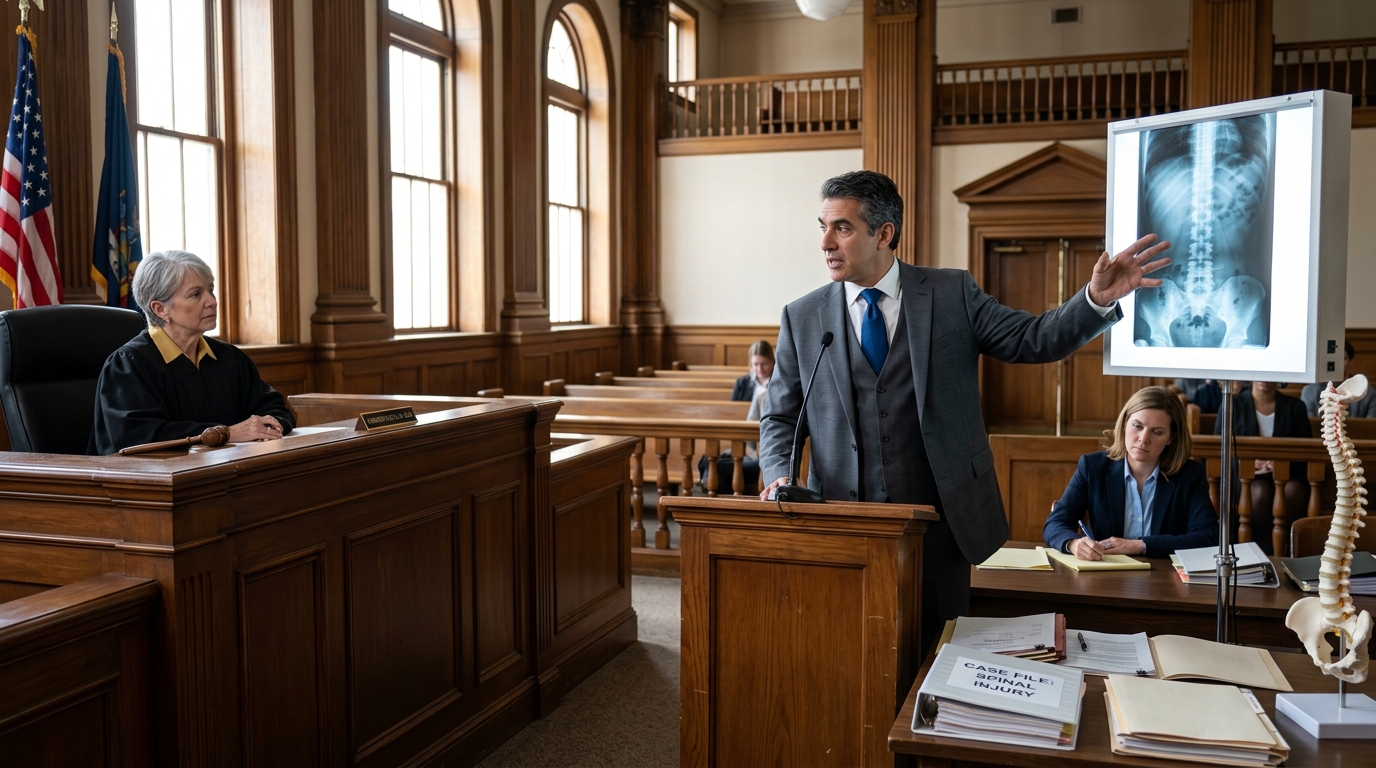
When your claim moves into the litigation phase, the burden of proof shifts from simple paperwork to the presentation of admissible evidence. A contested hearing is a formal trial where the administrative law judge relies heavily on objective medical data rather than just your personal account of the injury. You must be prepared to present a comprehensive timeline of medical records that directly link your current physical condition to the specific workplace incident. In 2024 and 2025, judges look for consistent documentation that proves the necessity of treatment and the extent of your disability. This transition from claimant to active litigant requires a strategic approach to how your medical history is organized and presented to the court.
Expert witness testimony often serves as the deciding factor in cases where the insurance carrier disputes the cause or severity of an injury. While your primary physician provides the foundation for your claim, a qualified medical expert can offer specialized insights that withstand rigorous cross-examination. These experts interpret complex diagnostic images and correlate clinical findings to the physical demands of your job, providing the technical bridge between your injury and the law. Because insurance companies frequently hire their own experts to downplay your symptoms, having a strong medical voice on your side is essential for a successful outcome. This level of professional testimony elevates your case from a series of allegations to a fact-based legal argument.
Navigating the evidentiary standards of a contested hearing requires a deep understanding of how to counter the tactics used by insurance carriers, such as the introduction of surveillance footage or conflicting medical reports. Your testimony under oath must be precise and supported by the physical evidence presented in your exhibits. Because there is no jury, the focus remains strictly on the legal definitions of compensability and the credibility of the witnesses. Success in this environment depends on your ability to transform raw medical data into a compelling narrative of recovery and loss. By taking an active role in the litigation process, you position yourself to overcome the stalemate and secure the benefits you deserve.
Cross Examination Risks And Surveillance Defense Tactics
Testifying under oath during a contested hearing represents a pivotal shift from being a passive claimant to an active litigant in your own case. This environment is intentionally rigorous, as the insurance carrier’s attorney will use cross-examination to scrutinize every detail of your prior statements and medical history. You must be prepared for aggressive questioning designed to highlight even the smallest inconsistencies between your testimony and your initial accident report. Maintaining your composure is essential because the Administrative Law Judge will be closely observing your demeanor to assess your overall credibility. These high stakes require a trial attorney who can shield you from leading questions and ensure your side of the story is presented clearly.
Insurance carriers frequently deploy surveillance defense tactics to create a narrative that contradicts your reported physical limitations. Investigators may spend days documenting your daily activities, looking for a single moment where you appear to move without pain or perform a task beyond your doctor’s restrictions. This footage is often introduced as a surprise during the hearing to suggest that your injuries are exaggerated or fabricated. It is vital to remember that even mundane actions, like carrying groceries or bending to pick up a package, can be taken out of context to undermine your claim. A skilled legal representative will help you navigate these visual traps by contextualizing your better days and explaining the reality of your functional capacity.
The litigation phase of a workers compensation claim demands a proactive strategy to counter the sophisticated methods used by well-funded insurance companies. Beyond just surveillance, carriers may use digital footprints and social media activity to build a profile that challenges your need for benefits. Being aware of these risks allows you to approach the hearing with the necessary caution and preparation to protect your right to compensation. Understanding that the hearing is a formal evidentiary trial helps you transition into the mindset of a serious litigant ready to fight for a fair resolution. By anticipating these defense tactics, you can focus on providing honest testimony while your attorney handles the legal complexities of the courtroom.
Post Hearing Decisions And The State Appeals Process
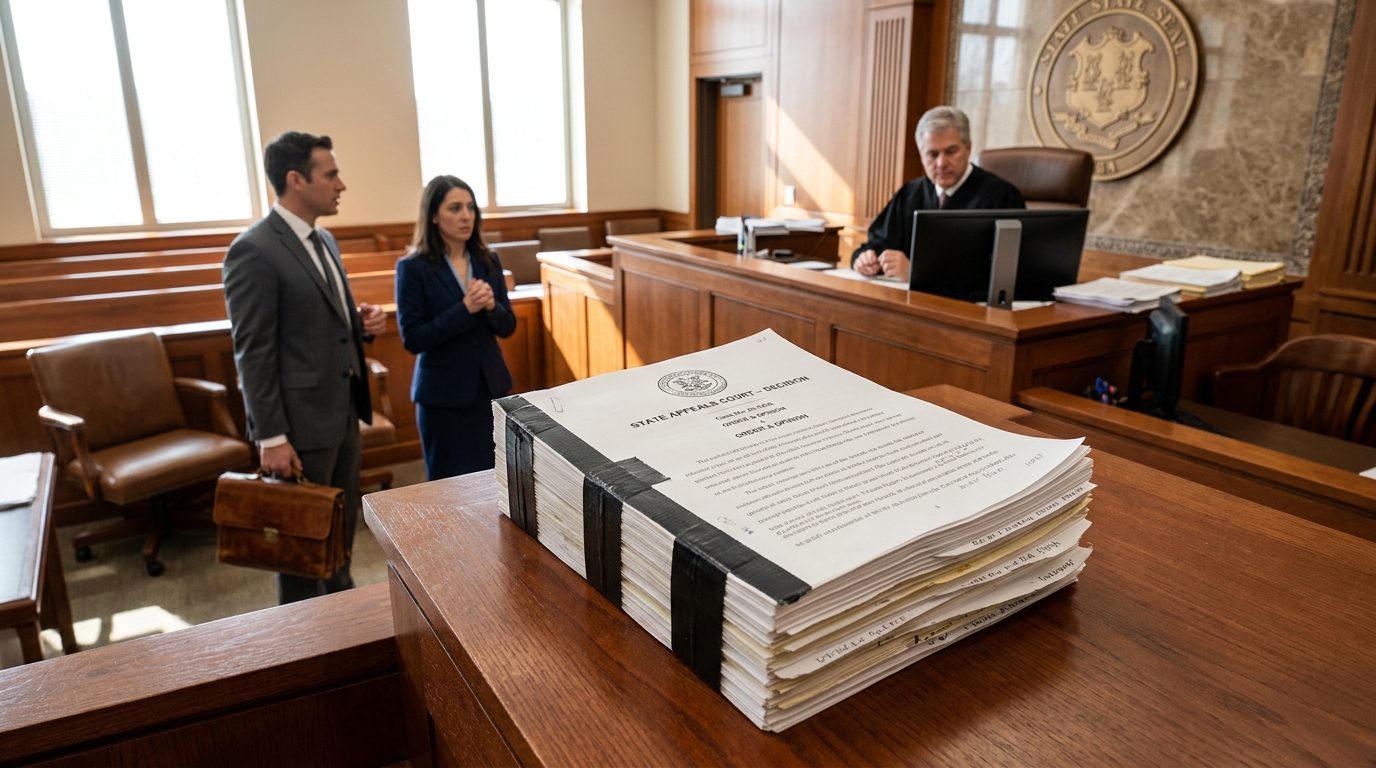
Once the formal contested hearing concludes, the Administrative Law Judge will take the evidence under advisement before issuing a final written Decision and Order. In most jurisdictions, this process can take anywhere from thirty to ninety days depending on the complexity of the medical testimony and the current backlog of the state board. This period is often a time of high anxiety for injured workers who are waiting on critical benefit approvals or medical authorizations. The written decision will detail the judge’s findings of fact and conclusions of law, specifically addressing whether your injury is compensable and what specific benefits the insurance carrier must pay. Receiving this document marks the end of the initial litigation phase, but it does not always mean the legal battle is over.
If the ruling is unfavorable or contains legal errors, you have a limited window of time to file an appeal with the state workers compensation appeals board or a similar judicial body. This appellate process is highly technical and usually focuses on whether the trial judge applied the law correctly rather than re-examining every piece of evidence. Missing a filing deadline, even by a single day, can result in the permanent loss of your right to challenge the decision and secure your benefits. Because the insurance company will likely have a team of attorneys ready to defend the ruling, moving into the state court system requires a precise and aggressive legal strategy. Navigating these post-trial procedures is the final hurdle in transforming a stalled claim into a successful recovery of the compensation you deserve.
Navigating Your Contested Workers Compensation Hearing
A contested workers compensation hearing marks the definitive transition from being a passive claimant to an active litigant in your own recovery process. This formal administrative trial is the moment where the stalemate with the insurance carrier is finally addressed through a structured legal procedure. Because the hearing functions as an evidentiary trial without a jury, your preparation must be meticulous, focusing on medical records, expert testimony, and credible personal statements. Navigating this phase requires a shift in mindset as you move toward a high-stakes environment where an Administrative Law Judge will make the final determination on your benefits.
The field of workers compensation litigation continues to evolve with a greater emphasis on digital efficiency and rising costs, making it essential to present a clear and compelling case. You are no longer just filing paperwork; you are now engaging in a strategic battle against insurance companies that often use surveillance and expert witnesses to limit their liability. Success in this environment depends on your ability to counter their evidence with a precise legal strategy and a thorough understanding of the adjudication process and hearing procedures. By taking control of the litigation phase, you position yourself to overcome the obstacles that have stalled your claim and move toward a definitive resolution.
To ensure you are fully prepared for the financial and legal complexities of this process, it is vital to understand the long-term implications of your case. Determining the mediation vs trial benefits for your specific situation is a critical step before entering the courtroom to ensure you are not settling for less than you deserve. If you are ready to take the next step, our guide to the workers comp Independent Medical Examination can help you evaluate your position and achieve your goals during a contested hearing.
Frequently Asked Questions
1. What exactly is a contested workers comp hearing?
A contested hearing is a formal administrative trial where an Administrative Law Judge reviews evidence to decide if you are entitled to benefits. Unlike an informal meeting, this is a high-stakes legal proceeding where every detail of your injury and medical history is scrutinized under oath.
2. Who decides the outcome of my case if there is no jury?
The Administrative Law Judge holds the sole authority to determine the fate of your benefits in what is known as a bench trial. Because there is no jury, your success depends entirely on the strength of your medical records and your ability to present a compelling case through expert testimony.
3. How does a hearing differ from the mediation process?
Mediation is an informal discussion focused on reaching a settlement, while a hearing is a formal legal battle governed by strict rules of evidence. When you move to litigation, you transition from passive negotiation to an active trial where the judge makes a final, binding decision.
4. What kind of evidence is most important in 2024 and 2025?
Modern hearings are increasingly shaped by digital evidence and complex medical testimony, especially regarding an aging workforce. You must provide robust medical documentation and expert witness statements to counter the sophisticated tactics used by insurance carriers to deny claims.
5. Will I be required to testify during the hearing?
Yes, you will likely be called to testify and must be prepared to withstand rigorous cross-examination by the insurance carrier’s attorneys. Your testimony is a critical part of the evidentiary record, and your credibility can significantly influence the judge’s final ruling.
6. What happens if I am unprepared for the procedural technicalities?
Failing to understand procedural rules or insurance carrier tactics can result in walking away empty-handed regardless of your injury’s severity. If your workers comp claim denied, preparation is the deciding factor in navigating this transition from mediation to formal litigation successfully.