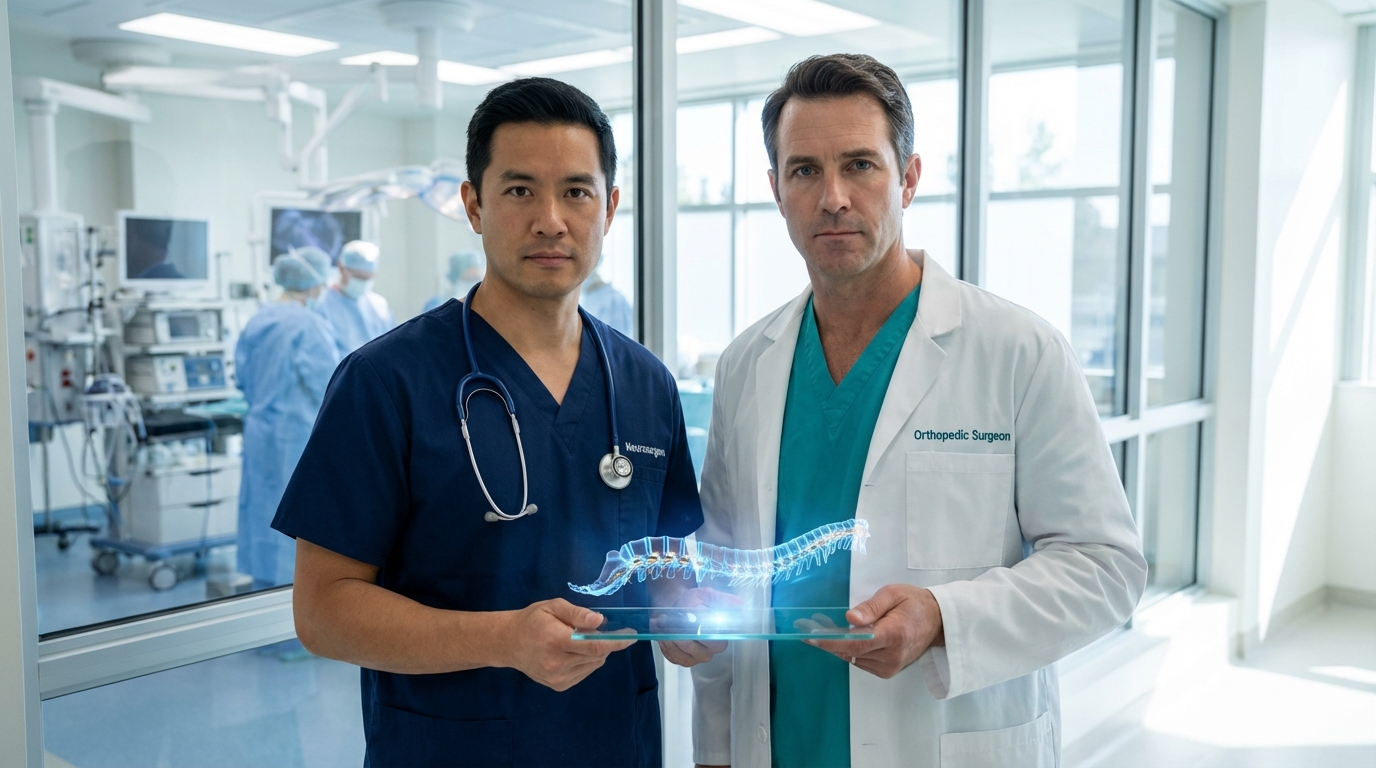
When chronic back pain or a sudden spinal injury strikes, the path to recovery often leads to a critical crossroads: deciding between a neurosurgeon vs orthopedic surgeon. While both specialists are highly skilled in treating the spine, their fundamental approaches stem from different medical philosophies. Choosing the right expert depends entirely on whether your condition is rooted in the delicate neural pathways of the spinal cord or the structural integrity of the musculoskeletal system.
Neurosurgeons specialize in the intricate relationship between the brain and the nervous system, focusing on what happens inside the spinal canal. Conversely, orthopedic surgeons are masters of bone health and mechanical stability, prioritizing the alignment of the vertebrae and surrounding ligaments. Understanding these distinctions ensures you receive a precision-based treatment plan tailored to your specific pathology. Selecting the appropriate specialist is the first and most vital step toward reclaiming your mobility and quality of life.
Key Takeaways
- Neurosurgeons are the preferred specialists for injuries involving the spinal cord, nerve roots, and intradural conditions, as they provide the precise documentation required to prove permanent neurological impairment.
- Orthopedic surgeons specialize in the musculoskeletal integrity of the spine, focusing on bone alignment, mechanical stability, and the installation of corrective hardware like rods and screws.
- Matching your specialist to your specific pathology—neurological versus structural—is essential for generating the high-quality medical evidence needed to maximize the valuation of a workers’ compensation claim.
- Detailed surgical reports from the appropriate expert translate complex medical procedures into measurable functional limitations, preventing insurance adjusters from downplaying the severity of an injury.
Neurosurgeons Specializing In Neural And Intradural Conditions
Neurosurgeons possess a unique expertise that centers on the spinal cord, nerve roots, and the delicate intradural environment. While both types of surgeons handle spinal issues, neurosurgeons are specifically trained to operate within the protective lining of the spinal cord to address internal damage. This specialization is vital for injured workers who suffer from complex conditions like arachnoiditis or internal nerve scarring. By focusing on these intricate neural pathways, a neurosurgeon can identify subtle deficits that might be overlooked during a standard musculoskeletal exam. Their clinical observations provide the high level of detail necessary to prove that an injury has affected the central nervous system directly.
Choosing a neurosurgeon is often the strategic choice when the primary goal of a claim is to document permanent nerve damage or neurological impairment. These specialists use advanced diagnostic insights to correlate physical symptoms with specific intradural pathologies, creating a robust medical record. This level of documentation is essential for workers seeking to maximize their settlement potential, as it shifts the focus from simple bone alignment to functional nerve health. When a case involves chronic pain, loss of motor function, or radiating neuropathy, the neurosurgeon’s specialized perspective offers the most compelling evidence of long term disability. Their focus on the delicate structures inside the spinal canal ensures that every aspect of the neural injury is professionally accounted for in the medical evidence.
Orthopedic Surgeons Focused On Spinal Alignment And Stability
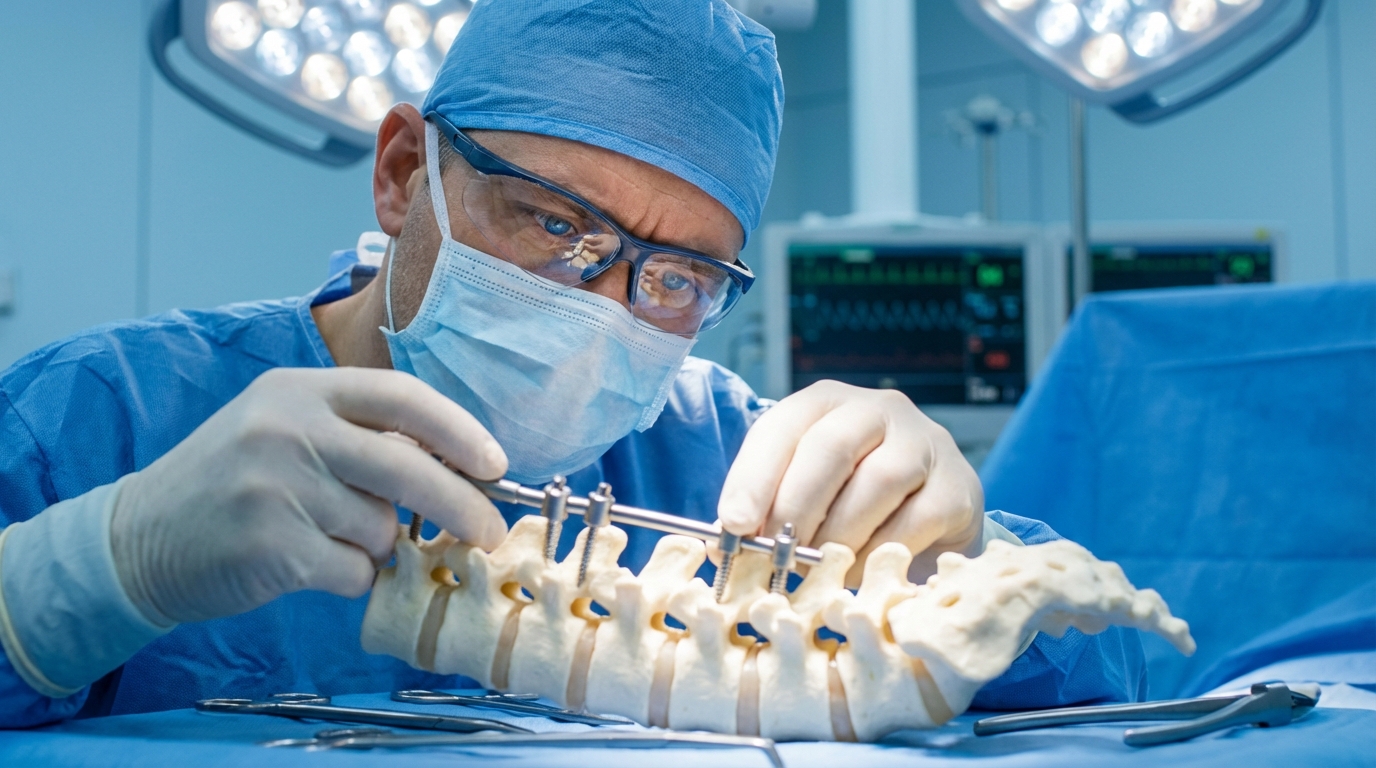
Orthopedic surgeons approach spinal care through the lens of the musculoskeletal system, prioritizing the mechanical stability and alignment of the vertebrae. For an injured worker, this focus is essential when a claim involves structural failures such as vertebral fractures, scoliosis, or severe instability caused by repetitive heavy lifting. These specialists are experts in the mechanics of bone healing and the use of sophisticated hardware like rods, plates, and screws to reinforce the spine. By documenting the failure of the spinal framework, an orthopedic surgeon provides the objective medical evidence needed to prove the severity of a physical deformity or mechanical impairment. This structural emphasis is often the key to securing a settlement that accounts for long term mobility issues and the necessity of permanent hardware.
The surgical techniques employed by orthopedic specialists frequently involve bone grafts and advanced fusion methods designed to restore the spine to its natural position. They are uniquely trained to manage the complexities of bone density and the biological processes required for a successful fusion between spinal segments. When filing a workers compensation claim, the detailed reports from an orthopedic surgeon regarding the loss of structural stability can significantly influence the valuation of the case. Their expertise ensures that the medical documentation reflects not just the immediate injury, but the permanent changes to the body’s skeletal architecture. This level of detail is vital for demonstrating how a spinal injury affects a worker’s ability to perform labor intensive tasks or maintain a healthy posture over time.
Selecting Specialists Based On Specific Injury Pathology
Choosing the right specialist often depends on whether your injury primarily impacts the nervous system or the skeletal framework of the spine. If your workers compensation claim involves a herniated disc that is compressing a nerve root, a neurosurgeon is often the preferred choice for medical documentation. Their specialized training focuses on the delicate neural structures and the internal environment of the spinal canal, which is vital for proving nerve damage. A neurosurgeon can provide the detailed clinical evidence necessary to link neurological deficits directly to your workplace accident. This level of specific pathology medical reporting can significantly increase the valuation of a settlement by clearly defining the extent of permanent nerve impairment.
When an injury involves a vertebral fracture or a complex spinal deformity that threatens structural integrity, an orthopedic surgeon vs neurosurgeon is typically the more appropriate expert. These specialists focus on the musculoskeletal system, emphasizing bone alignment, mechanical stability, and the long term durability of the spinal column. Their expertise is essential for documenting hardware requirements or the necessity of spinal fusion to stabilize a damaged segment of the back. By focusing on the mechanical failure of the spine, an orthopedic surgeon provides the structural evidence needed to justify extensive surgical interventions. High quality documentation regarding spinal stability serves as a powerful tool for maximizing your back injury settlement that covers future medical needs.
Impact Of Surgical Documentation On Settlement Value
The strength of a workers compensation settlement often hinges on the technical precision found within surgical documentation. When a neurosurgeon operates, their notes typically emphasize the decompression of neural structures and the intricate repair of nerve pathways. Conversely, an orthopedic surgeon provides critical evidence regarding spinal stability, bone fusion success, and the mechanical alignment of the musculoskeletal system. Both types of detailed operative reports serve as foundational evidence that links the workplace injury directly to the specific surgical intervention required. Clear, expert documentation from either specialist helps prevent insurance adjusters from downplaying the severity of the internal damage.
Expert medical opinions included in these reports significantly influence the final valuation of a claim. A neurosurgeon can offer a specialized perspective on long term nerve impairment and chronic pain management, while an orthopedic surgeon can testify to the permanent loss of range of motion or structural integrity. These professional insights translate complex medical procedures into measurable functional limitations that a judge or insurance carrier can quantify. By choosing the specialist whose focus best aligns with the primary injury, a worker ensures that the most relevant complications are highlighted. This targeted medical evidence is often the deciding factor in securing a settlement that reflects the true cost of future care. When navigating medical decisions regarding your spine, having the right surgeon’s testimony is paramount.
Choosing the Right Specialist for Your Injury
Ultimately, choosing between a neurosurgeon and an orthopedic surgeon for a workplace spinal injury depends on whether your condition is primarily structural or neurological. While orthopedic surgeons excel at addressing bone stability, hardware installation, and mechanical alignment, neurosurgeons are specifically trained to handle the delicate neural tissues and the protective lining of the spinal cord. Selecting the specialist whose expertise aligns with the specific nature of your injury is not just about medical recovery, it is about securing the most precise medical evidence possible. High quality documentation that details the exact impact on your nervous system or skeletal integrity can significantly influence the valuation of your claim.
The medical reports generated by these specialists serve as the foundation for your legal and financial recovery in a workers compensation case. A neurosurgeon’s detailed analysis of nerve impingement or an orthopedic surgeon’s assessment of spinal fusion success can provide the specialized data needed to justify a higher disability rating. Failing to choose a workers comp doctor whose expertise matches your injury may lead to overlooked symptoms or undervalued permanent impairments, which ultimately reduces your final payout. To ensure you are positioned for the best possible outcome, it is vital to understand how these medical evaluations impact your financial future. If you are concerned about the value of your claim, discover how we can help by reviewing your guide on Is Your Workers Compensation Settlement Offer Fair? (2025 Guide).
Frequently Asked Questions
1. What is the primary difference between a neurosurgeon and an orthopedic surgeon?
The main distinction lies in their focus, as neurosurgeons specialize in the nervous system and the interior of the spinal canal while orthopedic surgeons focus on bone health and structural alignment. You should choose a specialist based on whether your pain involves delicate nerve pathways or the mechanical stability of your vertebrae.
2. When should I prioritize seeing a neurosurgeon for my back pain?
You should consult a neurosurgeon if your condition involves the spinal cord, nerve roots, or issues inside the protective lining of the spine. Their expertise is essential for identifying internal nerve scarring or complex neural deficits that require precision based treatment within the central nervous system.
3. What role does an orthopedic surgeon play in spinal recovery?
Orthopedic surgeons are experts in the musculoskeletal system, focusing on the strength and alignment of your bones and ligaments. They prioritize the mechanical integrity of your spine to ensure your vertebrae provide the necessary support for your body’s movement.
4. Which specialist is better for documenting permanent nerve damage?
A neurosurgeon is often the strategic choice when you need to document permanent nerve damage or internal spinal cord injuries. Their specialized training allow them to provide the high level of detail necessary to prove how an injury has directly impacted your nervous system.
5. Can both types of surgeons treat general spinal injuries?
Yes, both specialists are highly skilled in treating the spine and often share overlapping expertise in spinal surgery. However, your specific pathology will determine which expert offers the most tailored approach for your recovery and long term mobility.
6. Why is choosing the right specialist important for my medical claim?
Selecting the appropriate expert ensures that your specific injury is documented with the clinical precision required for your case. A neurosurgeon’s focus on neural pathways or an orthopedic surgeon’s focus on structural stability can provide the specific evidence needed to support your path to recovery.