
Navigating life after a workplace injury is difficult, especially when you are left with lasting physical limitations despite finishing your medical treatment. This specific stage is known as permanent partial disability, a critical designation that acknowledges you have reached maximum recovery but will never regain full bodily function. It recognizes that while you may be able to return to work, you are still owed compensation for the permanent loss of use in a specific body part.
Receiving this classification triggers a shift in your workers’ compensation claim, moving the focus from active medical coverage to calculating your final settlement. Your doctor will assign a specific impairment rating based on the severity of your condition and how it impacts your ability to perform daily tasks or earn a living. Because this percentage directly dictates the value of your benefits, understanding how these ratings are calculated is essential for protecting your financial future.
Key Takeaways
- Reaching Maximum Medical Improvement (MMI) is a mandatory milestone that signifies your condition has stabilized and shifts your claim from active recovery to assessing long-term damages.
- Your financial settlement is directly dictated by the medical impairment rating assigned by your physician, making the accuracy of this percentage critical for your financial future.
- Distinguishing between scheduled injuries, which carry fixed statutory values, and unscheduled injuries, which often factor in lost wage-earning capacity, is vital for accurate settlement calculations.
- Final benefit awards are calculated by applying your impairment rating to state-specific statutory schedules, so verifying the math against legal guidelines is essential to prevent accepting an undervalued lump sum.
Reaching Maximum Medical Improvement and PPD Status
Before you can move forward with a permanent partial disability claim, your treating physician must declare that you have reached Maximum Medical Improvement. This medical milestone signifies that your condition has stabilized and is not expected to improve significantly with further treatment or surgery. Reaching this stage is the turning point that shifts your case from active recovery to assessing long-term damages. Until a physician certifies MMI, the insurance company generally cannot calculate the final value of your permanent impairment. This status confirms that your healing period has officially ended even if you still experience lingering pain or physical limitations.
Distinguishing this phase from earlier stages is essential because temporary disability benefits function differently than permanent awards. While temporary payments are designed to replace lost wages while you are actively healing, PPD benefits compensate you for the lasting loss of function in a specific body part. The transition occurs when your doctor determines that your injury has plateaued rather than fully resolved. You typically stop receiving temporary wage replacement checks once you hit this plateau, and the focus turns to quantifying the permanent impact on your future. Understanding this shift helps you prepare for the settlement negotiation phase of your workers’ compensation claim.
Once your medical provider establishes MMI, they will perform a final evaluation to assign a specific impairment rating to your injury. This percentage is the most significant factor in determining the financial worth of your permanent partial disability settlement. Doctors often use standardized guidelines to measure your loss of range of motion or functional capacity compared to a healthy person. A higher impairment rating generally translates to a larger payout since it reflects a more severe impact on your ability to work or perform daily tasks. Securing an accurate rating at this stage is vital for ensuring you receive fair compensation for your long-term deficits.
How Medical Impairment Ratings Determine Value
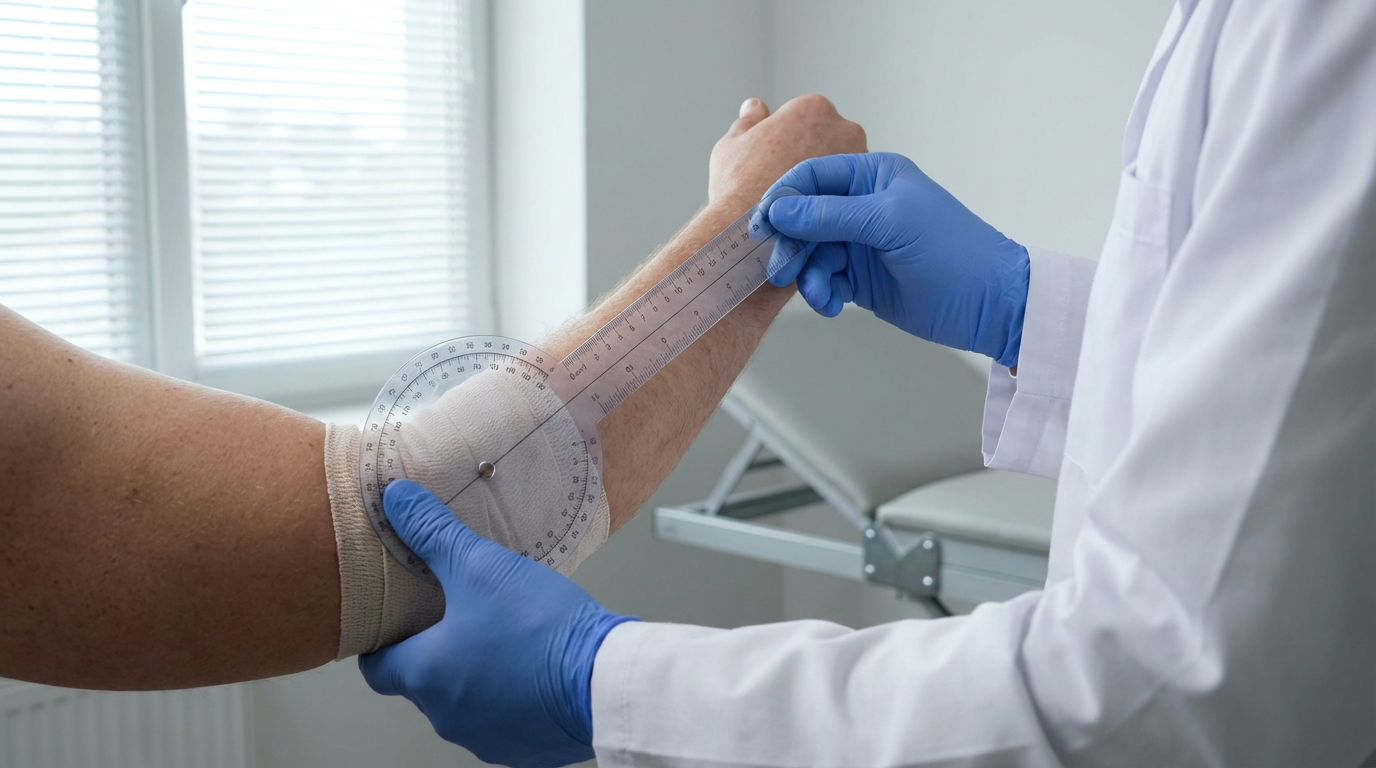
Once you reach Maximum Medical Improvement, your treating physician performs a detailed final evaluation to assess your lasting capabilities. This exam is distinct from routine check-ups because the doctor focuses specifically on permanent loss of function rather than ongoing treatment. The physician measures objective factors like your range of motion, grip strength, and nerve sensitivity to determine how much the injury impacts your physical mechanics. Based on these clinical findings, they assign a specific percentage known as an impairment rating. This number acts as the starting point for calculating your financial benefits and represents the severity of your permanent loss.
To ensure consistency across different claims, most doctors utilize the AMA Guides to the Evaluation of Permanent Impairment as their standard reference tool. This medical manual provides strict criteria that translate physical limitations into a numerical percentage of disability. Depending on your state laws, this rating might apply to a specific body part, such as an arm or leg, or to the body as a whole. For example, a twenty percent impairment of the hand might translate to a smaller percentage when converted to a whole person rating. Understanding which edition of the AMA Guides your jurisdiction uses is vital since different versions can yield significantly different payout values.
The final impairment rating serves as a key multiplier in the mathematical formula that determines your settlement offer or weekly benefit amount. Insurance adjusters take the doctor’s percentage and apply it to the statutory value assigned to the injured body part within your state’s compensation schedule. A higher rating generally leads to a larger settlement, which is why accuracy during the medical evaluation is important for your financial future. If the insurance company’s doctor provides a rating that seems too low, you often have the right to seek a second opinion or an independent medical examination. Securing a fair rating is the most direct way to maximize the compensation you receive for a permanent partial disability.
Scheduled Versus Unscheduled Injury Classifications
State workers’ compensation laws typically maintain a specific list known as a schedule that assigns a fixed value to body parts like arms, legs, fingers, or eyes. If your doctor assigns a permanent impairment rating to one of these specific areas, the calculation is generally straightforward math based on pre-determined statutes. For example, losing a specific percentage of function in a thumb automatically entitles you to a set number of weeks of compensation regardless of your specific profession. The insurance adjuster simply multiplies your percentage of impairment by the maximum value assigned to that body part in the state guidelines. Since these values are codified in law, there is usually less room for negotiation regarding the base compensation amount for these specific limbs.
Injuries affecting the head, spine, or internal organs usually fall into the unscheduled category because they impact the body as a whole rather than a specific appendage. Calculating benefits for these claims is significantly more complex because they are often assessed based on the broader impact on your overall health and ability to work. Many states look at loss of earning capacity or industrial disability rather than relying solely on a medical impairment rating from a doctor. Factors like your age, education level, and previous work experience become critical variables in the final equation. Because these calculations involve subjective elements regarding your future employability, they frequently result in higher settlement disputes between your attorney and the insurance company.
Distinguishing between these classifications is vital when reviewing a settlement offer since the potential payouts differ drastically. While a scheduled injury creates a predictable baseline for your benefits, an unscheduled injury often opens the door to larger payouts if you can prove significant career limitations. Insurance adjusters often try to minimize unscheduled claims by focusing strictly on the medical rating while ignoring the loss of wage-earning capacity. You must ensure that every aspect of how the injury affects your daily life and future employability is documented thoroughly. Correctly classifying your disability is the only way to ensure the calculation reflects your actual financial loss.
Converting Ratings Into Benefit Payments

Once a doctor assigns a permanent impairment rating, the insurance adjuster applies that percentage to your state’s specific schedule of injuries to determine the duration of your benefits. Most states assign a maximum number of weeks for specific body parts, such as 200 weeks for an arm or 150 weeks for a hand, creating a baseline for the calculation. If you receive a ten percent impairment rating for an injured arm, the formula typically calculates ten percent of that maximum statutory value. This means you would be entitled to 20 weeks of permanent partial disability benefits based on that specific medical assessment. Understanding this statutory list is essential because injuries to the spine or head often fall under a broader whole person category with different maximum limits.
After determining the duration of your benefits in weeks, the next step involves multiplying that number by your weekly compensation rate. This rate is usually two-thirds of your pre-injury average weekly wage, though it is subject to strict state minimum and maximum caps based on the year of the injury. For example, if your compensation rate is $600 and you are owed 30 weeks of benefits, the total value of the award would equal $18,000. It is crucial to verify that the insurer calculated your pre-injury earnings correctly by including overtime, bonuses, and non-cash compensation in the average. A mistake in the base wage calculation will significantly reduce every subsequent benefit payment you receive for the life of the claim.
While some workers receive these payments as weekly checks over time, insurance companies frequently offer to convert the total value into a one-time lump sum settlement. Accepting a lump sum often requires you to close out your medical benefits or give up rights to future claims related to the injury, so the trade-off must be weighed carefully. Adjusters might try to negotiate a lower amount by arguing against the severity of the rating or disputing the future medical costs involved in the claim. Because the math relies heavily on the initial impairment percentage, a difference of just a few percentage points can equate to thousands of dollars in final compensation. Always compare the settlement offer against the strict statutory formula to ensure you are not accepting less than the law prescribes.
Securing a Fair Permanent Partial Disability Rating
Securing a fair permanent partial disability rating is often the single most critical factor in determining the final value of your workers’ compensation claim. Once you reach maximum medical improvement, the specific impairment percentage assigned by your doctor directly translates into the financial benefits you will receive for the rest of your life. Insurance adjusters frequently rely on these technical numbers to calculate settlement offers, meaning even a slight undervaluation can cost you thousands of dollars in the long run. Understanding the medical evidence behind your rating ensures that your compensation accurately reflects your loss of function and future earning capacity. You must remain vigilant during this phase to prevent accepting a lowball estimate that fails to account for the full scope of your lasting physical limitations.
Before agreeing to any final terms, take the time to independently verify that your assigned impairment rating aligns with the severity of your injury and state guidelines. It is common for injured workers to seek a second medical opinion or consult with legal experts if the initial evaluation seems inconsistent with their actual daily struggles. Accepting a settlement closes your case forever, so you need absolute certainty that the numbers on the table represent a truly just outcome for your specific situation. For a deeper understanding of how these ratings influence your final payout, read our article “Is Your Workers Compensation Settlement Offer Fair? (2025 Guide)” to evaluate your options. Equipping yourself with this knowledge empowers you to negotiate effectively and secures the financial stability you deserve after a life-altering workplace injury.
Frequently Asked Questions
1. What does it mean to have a permanent partial disability?
This designation acknowledges that you have reached maximum recovery after a workplace injury but will never regain full bodily function. It recognizes that while you may be able to return to work, you are legally owed compensation for the permanent loss of use in a specific body part.
2. When can I move forward with a permanent partial disability claim?
You must first reach a stage called Maximum Medical Improvement (MMI) before your claim can proceed to the settlement phase. This milestone signifies that your condition has stabilized and is not expected to improve significantly with further treatment or surgery.
3. How are permanent partial disability benefits calculated?
Your doctor assigns a specific impairment rating based on the severity of your condition and how it impacts your ability to perform daily tasks or earn a living. Since this percentage directly dictates the value of your benefits, accurate ratings are essential for protecting your financial future.
4. Can I return to work if I have a permanent partial disability?
Yes, this classification specifically implies that you have lasting physical limitations but may still be capable of employment. The compensation you receive is for the permanent impairment of a body part rather than a complete inability to work.
5. What is the difference between temporary disability and permanent partial disability?
Temporary disability benefits are intended to replace lost wages while you are actively healing from your injury. Permanent partial disability awards function differently by compensating you for long-term damages and physical loss after your recovery period has officially ended.
6. Why is reaching Maximum Medical Improvement important?
Reaching Maximum Medical Improvement is the turning point that shifts your case from active medical coverage to assessing final damages. Until a physician certifies that your healing period has ended, the insurance company generally cannot calculate the final value of your permanent impairment.