
Losing a pharmacy card can make your next prescription pickup feel uncertain, but replacing it is often faster than expected. First, determine whether the missing card is a prescription drug insurance card, a Medicare or plan card, or a prescription discount card. Each type follows a different replacement process. Your insurer’s app, website, or member services line may provide a digital or temporary card immediately.
You may not need a physical replacement if the pharmacy already has your coverage details on file. Before paying out of pocket, ask the pharmacy to verify your insurance information and confirm key details, including your member ID, BIN, PCN, and group number. Knowing what to check and where to request a new card can help prevent delays, billing errors, and unnecessary prescription costs.
Key Takeaways
- First identify which type of pharmacy card is missing—prescription insurance, Medicare or Part D, workers’ compensation, or discount—because each has a different replacement process and billing contact.
- Use your insurer’s or pharmacy benefit manager’s app, website, or member services line to obtain a digital or temporary card. The pharmacy may also have your coverage information on file and can verify it without the physical card.
- Before paying out of pocket, confirm the member ID, BIN, PCN, group number, person code, and any workers’ compensation claim number, then ask the pharmacy to rerun the prescription with the correct information.
- If a claim is rejected or treatment could be interrupted, contact the insurer, claims administrator, adjuster, pharmacy, and prescribing provider promptly. Keep rejection notices, receipts, call records, and other documentation for rebilling or potential reimbursement.
Identify The Missing Pharmacy Card
Start by determining which pharmacy card is missing, because “pharmacy card” can refer to several types of coverage. If the prescription relates to a workplace injury, it may be a workers’ compensation pharmacy card issued through the employer’s workers’ compensation insurer or claims administrator. A prescription drug insurance card usually comes from a health plan or pharmacy benefit manager (PBM), while a Medicare, Medicare Advantage, or Part D card belongs to a federal health program or private Medicare plan. A discount card is different because it is not insurance and does not process claims through an insurer.
Identifying the correct card determines who must issue the replacement and how the pharmacy should bill the prescription. Check the card’s label, recent claim paperwork, insurer or plan app, and pharmacy patient profile for details such as a member ID, BIN, PCN, group number, or workers’ compensation claim number. For an injury-related prescription, contact the workers’ compensation claims administrator or designated pharmacy benefit contact instead of asking a regular health insurer to replace the card. Using the wrong card can lead to rejected claims, unexpected charges, or delays in filling medication.
Once you know the coverage type, ask the responsible plan or administrator for a digital card, temporary billing information, or a replacement physical card. The pharmacy may already have the necessary details on file and may be able to confirm coverage directly while the replacement is issued. If medication is due soon, explain that the prescription relates to a workplace injury and provide the claim information so the correct payer can be verified promptly. Keep records of calls, reference numbers, and out-of-pocket costs in case the claim must be corrected or reimbursement requested.
Request A Replacement Pharmacy Card
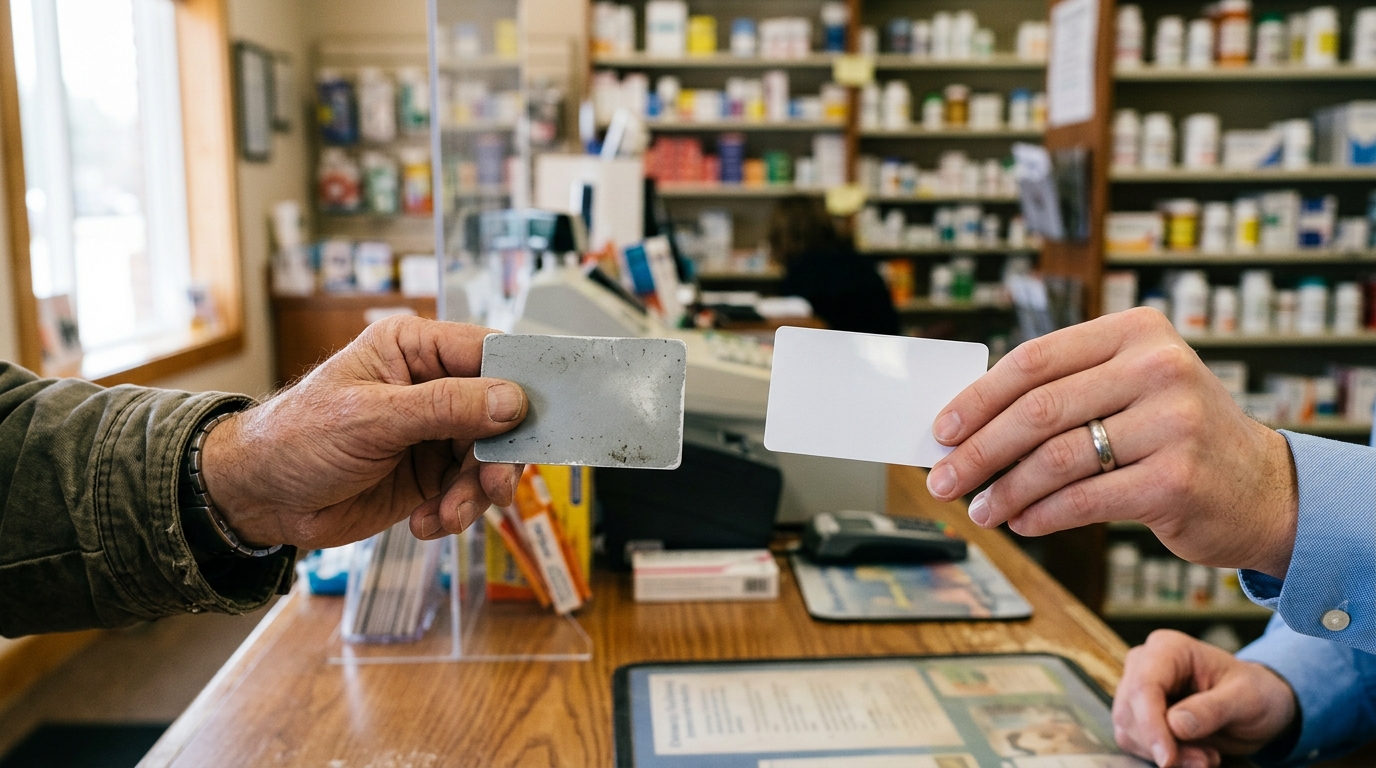
If your pharmacy card is lost, the fastest replacement option is usually your insurer’s or pharmacy benefit manager’s mobile app or member website. Look for a digital ID card, downloadable temporary card, or replacement card request. You can then show the digital card to the pharmacy or add it to your mobile wallet. The pharmacy may already have your prescription coverage information in its records, so ask the pharmacist whether the existing profile can be used. You can also call the phone number printed on an old card, prescription statement, explanation of benefits, or other plan document.
For an injury-related prescription, contact your employer’s benefits administrator or the claims adjuster handling the claim if the medication is being billed through workers’ compensation or another medical benefit program. Explain that you need uninterrupted access to prescribed medication. Ask which coverage should be billed, whether a temporary card or authorization is available, and how to handle an urgent refill. Keep confirmation numbers, messages, and receipts in case the pharmacy needs to rebill the prescription or you must request reimbursement. If the replacement process is delayed, ask the pharmacist to contact the plan or claims representative directly while you remain at the pharmacy.
Before leaving, confirm that the replacement information matches your enrollment record, including the BIN, PCN, group number, member ID, and dependent or person code. A single incorrect digit can cause a rejected claim, especially when a spouse, dependent, or injured employee has separate identifiers. Also verify whether you need a prescription drug insurance card, Medicare plan card, or discount card, because these cards are not interchangeable and follow different replacement procedures. Ask the pharmacist to run a coverage check with the confirmed information before requesting the refill.
Fill Prescriptions Without The Physical Card
You may be able to fill a prescription without the physical card while a replacement is being processed. The pharmacy may already have your insurance information in its patient profile and can try to process the refill using those records. You can also show a digital card from your insurer or pharmacy benefit account or provide confirmed details such as your member ID, BIN, PCN, group number, and person code. Before visiting the pharmacy, call to confirm that the prescription, coverage information, and workers’ compensation claim details are still on file.
If the claim is rejected, ask the pharmacist for the exact reason. Then contact the insurer, pharmacy benefit administrator, employer, or claim representative to verify your coverage and prescription authorization. Request that the pharmacy rerun the claim after the information is corrected. Ask whether an emergency supply is available if missing medication could interrupt treatment or create a health risk. Availability may depend on the medication, state rules, prescriber approval, and plan policies, so contact the prescribing provider promptly when authorization is needed. Keep notes of calls, reference numbers, rejection messages, and the names or departments of everyone you speak with.
If you must pay out of pocket to avoid a treatment interruption, request an itemized receipt and proof of payment from the pharmacy. Save the prescription details, claim rejection, and written instructions showing why the payment was necessary. Submit those records with the insurer’s reimbursement form or to the appropriate workers’ compensation contact. Reimbursement is not guaranteed and may require prior approval. Continue following up on the replacement so future refills can be processed normally.
Resolve Workers Compensation Pharmacy Problems

If your workers’ compensation pharmacy card is lost, damaged, or never arrived, first confirm which card is missing. Then contact the claims adjuster or pharmacy benefit administrator for a replacement or temporary billing information. A prescription insurance card, Medicare drug plan card, and discount card are not interchangeable, and workers’ compensation prescriptions are often billed through a separate program. Ask whether a digital card, member ID, BIN, PCN, or group number is available, and provide the pharmacy with any updated information. The pharmacy may already have your records, but it should confirm that the prescription is being submitted under the workers’ compensation claim rather than regular health coverage.
When the claim is pending, denied, disputed, or missing from the pharmacy system, contact the adjuster, employer, medical provider, and pharmacy promptly. Ask the adjuster to confirm the claim number, approved pharmacy network, coverage status, and any authorization required for the medication. Your medical provider may need to resend the prescription, correct claim details, or explain why the treatment is work-related. The pharmacy can identify the exact rejection message. If the pharmacy cannot process the medication, ask about the proper temporary procedure before paying out of pocket. Do not stop prescribed treatment without speaking with your provider.
Keep every receipt, pharmacy rejection, denial notice, claim message, prescription, and call record, including dates and the names of people contacted. Request written explanations when payment is refused and ask whether reimbursement is available for medication you had to purchase yourself. If a billing problem threatens access to necessary treatment, seek professional case support promptly so you can address the dispute and protect your medical benefits. Acting quickly can prevent a missing pharmacy card or unresolved claim issue from interrupting prescribed care.
Complete Your Pharmacy Card Replacement
Replacing a pharmacy card starts with identifying which card you need, such as a prescription drug insurance card, Medicare Advantage plan card, or prescription discount card. Check your insurer’s or pharmacy benefit administrator’s website or app for a digital card, temporary card, or replacement request. Ask the pharmacy whether your current information is already saved in its system. Confirm details such as the member ID, BIN, PCN, group number, and dependent code before submitting a prescription. If a workers’ compensation carrier is responsible for the medication, coordinate with the pharmacy and claims administrator so billing instructions are corrected without delaying treatment.
Keep records of denied prescriptions, unpaid pharmacy charges, calls, emails, reference numbers, and out-of-pocket costs related to the missing or incorrect card. Promptly notify the carrier, claims adjuster, or nurse case manager when a replacement card or authorization problem threatens access to prescribed care. Seek help if the issue is not resolved quickly. Uninterrupted medication access can be essential to recovery, so do not assume a temporary pharmacy payment problem will correct itself. For additional guidance, review Navigating Your Workers Compensation Claim And The Nurse Case Manager Role to learn how coordinated follow-up can help address benefit and prescription access problems.
Frequently Asked Questions
1. What should you do first if you lose your pharmacy card?
First, identify which type of card is missing, such as a prescription drug insurance card, Medicare or Part D card, workers’ compensation pharmacy card, or prescription discount card. Then check your insurer’s app or website, review recent claim paperwork, and contact member services or the appropriate claims administrator to request replacement information.
2. Can a pharmacy fill your prescription if you do not have your physical card?
Often, yes. The pharmacy may already have your coverage details in its patient profile, or staff may be able to verify your member ID, BIN, PCN, and group number through the insurer or pharmacy benefit manager. Ask the pharmacy to check your records before paying out of pocket.
3. How can you get a replacement prescription insurance card quickly?
Use your health plan’s or pharmacy benefit manager’s mobile app or website to download a digital card or request a replacement. You can also call member services, which may provide a temporary card or confirm the information the pharmacy needs while a physical card is mailed.
4. What information does the pharmacy need if your card is missing?
The pharmacy may need your member ID, BIN, PCN, and group number, along with your name, date of birth, and plan details. For an injury-related prescription, provide the workers’ compensation claim number and contact information for the claims administrator or designated pharmacy benefit contact.
5. How do you replace a Medicare, Medicare Advantage, or Part D pharmacy card?
Contact Medicare or your private Medicare Advantage or Part D plan, depending on which card is missing. Your plan’s website or app may offer a digital card, and member services can issue a replacement or provide temporary billing details for the pharmacy.
6. What should you do if the prescription is related to a workers’ compensation injury?
Contact your employer’s workers’ compensation insurer, claims administrator, or designated pharmacy benefit contact instead of requesting the card from your regular health insurer. Give the pharmacy your workers’ compensation claim number and confirm which organization is responsible for authorizing and billing the prescription.
7. Is a prescription discount card the same as pharmacy insurance?
No. A prescription discount card is not insurance and does not process claims through an insurer, so it follows a different replacement process. Contact the discount program through its website or app, and ask the pharmacy to compare the discount price with any available insurance price before completing the purchase.
8. Should you pay out of pocket while waiting for a replacement pharmacy card?
Not necessarily. Ask the pharmacy to verify your coverage using the information already on file or a digital or temporary card from your plan. If you must pay, keep the receipt and prescription records, then contact your plan to determine whether reimbursement or claim resubmission is available.