Navigating the complexities of specialized medical equipment coverage has become a critical priority for millions of Americans as healthcare requirements shift in 2026. With the global durable medical equipment market projected to reach nearly $269 billion this year, patients and providers are facing a new era of both expanded access and rigorous oversight. From life-saving infusion pumps to advanced glucose monitors, understanding how to secure these essential tools is a necessity for managing chronic conditions.
Federal regulators are currently balancing a dual mission: accelerating approval pathways for breakthrough smart technologies while tightening fraud controls to protect the integrity of the system. For the 60% of U.S. adults living with chronic diseases, these changes mean faster access to cutting-edge home healthcare solutions, provided they can meet evolving compliance requirements. Staying informed on these trends ensures that patients receive the high-tech support they need to maintain independence and improve health outcomes in a home-based setting.
Key Takeaways
- Insurance carriers are legally and contractually obligated to fund high-cost home and vehicle modifications, such as roll-in showers and custom lifts, when they are deemed necessary for a claimant’s independence and safety.
- The 2026 RAPID pathway significantly accelerates access to breakthrough medical technologies by streamlining the approval and reimbursement process for life-sustaining devices like advanced neurostimulators.
- Establishing medical necessity through exhaustive documentation and expert evaluation is critical to overcoming insurance denials, which often misclassify essential monitoring systems and structural modifications as elective.
- The shift toward home-based care for chronic conditions requires patients and advocates to navigate stricter federal fraud controls while leveraging new regulations to secure coverage for smart medical technologies.
Insurance Obligations For Catastrophic Home And Vehicle Modifications
In high-value personal injury and workers compensation claims, the obligation of an insurance carrier to fund specialized medical equipment extends far beyond basic mobility aids. When a catastrophic injury occurs, the carrier is often legally and contractually bound to provide for the reasonable and necessary modification of a claimant’s primary residence and vehicle. This includes the installation of complex structural changes such as widened doorways, roll-in showers, and custom ramps, as well as the integration of advanced vehicle lifts or hand controls. As the medical equipment market expands toward a projected 268 billion dollars by 2026, these high-cost modifications represent a critical component of a claimant’s lifelong care plan. Carriers frequently scrutinize these requests to limit their financial exposure, making it essential to establish the direct medical necessity of every structural adjustment.
Securing coverage for these modifications requires a rigorous demonstration of how the equipment restores a baseline of independence and safety for the injured party. Modern insurance obligations are increasingly influenced by the rise of smart home technologies and sophisticated therapeutic devices that allow for better home-based care. While traditional mobility aids have long been standard, the shift toward comprehensive home healthcare means that carriers must now account for integrated systems that support 24-hour monitoring and accessibility. Failure to fund these essential upgrades can lead to significant litigation, especially when the lack of proper equipment results in further physical decline or secondary injuries. Legal strategies in these cases focus on the long-term cost-effectiveness of home modifications compared to the expenses of institutionalized care.
The regulatory environment for 2026 is introducing faster approval pathways for breakthrough devices, yet it also brings rigorous oversight and stricter fraud controls that can delay high-value claims. Insurance companies often use these regulatory hurdles as a justification to deny or delay the installation of expensive vehicle lifts or structural home renovations. Because these modifications are permanent and high-cost, carriers typically demand exhaustive documentation from medical experts and specialized contractors before authorizing payment. Navigating this process requires a deep understanding of the evolving standards for what constitutes a necessary medical expense in the context of catastrophic recovery. Ensuring that a carrier fulfills its duty to provide a functional living environment is often the most significant factor in a claimant’s quality of life following a life-altering event.
Navigating The RAPID Pathway For Breakthrough Medical Technologies
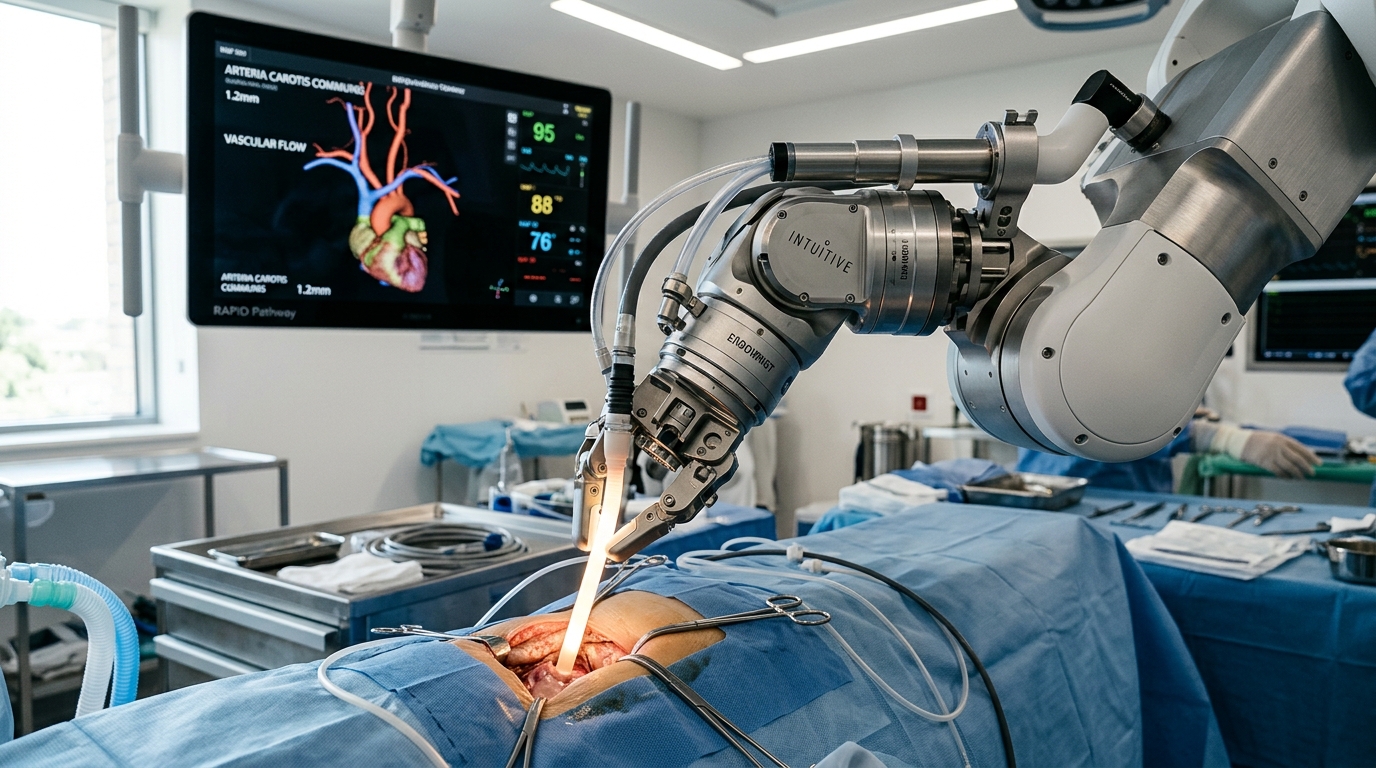
The 2026 CMS regulatory shifts introduce the RAPID pathway, a transformative framework designed to accelerate the integration of breakthrough medical technologies into standard care protocols. For individuals dealing with catastrophic injuries, this pathway is a critical development because it fast-tracks the coverage eligibility for high-cost, life-sustaining devices such as advanced neurostimulators. These sophisticated tools often represent the difference between permanent institutionalization and a return to home-based independence. By streamlining the approval process, the RAPID pathway reduces the traditional multi-year lag between FDA authorization and insurance reimbursement. This shift ensures that patients requiring specialized medical equipment can access the latest innovations without the administrative delays that often plague high-value claims.
Understanding these regulatory updates is essential for those managing the complexities of long-term care and high-cost litigation. The expansion of coverage for smart technologies and durable medical equipment means that insurance carriers may now be obligated to fund a wider range of sophisticated interventions. This includes not only the devices themselves but also the necessary environmental modifications required to support their use, such as specialized vehicle lifts or home structural changes. As federal regulators implement stricter federal fraud controls alongside these faster pathways, the documentation of medical necessity becomes even more vital. Legal and medical advocates must be prepared to navigate your rights when leveraging these new CMS guidelines to ensure that carriers fulfill their financial obligations for these essential, life-altering technologies.
The financial implications of these shifts are significant, particularly as the home healthcare market continues its expansion through 2026. With the durable medical equipment market projected to reach nearly 269 billion dollars, the pressure on insurance providers to cover advanced therapeutic devices is mounting. This regulatory evolution clarifies the standard of care for catastrophic injury cases, making it harder for carriers to deny coverage for breakthrough neurostimulation or monitoring systems. For families and representatives managing high-value claims, the RAPID pathway serves as a powerful tool to secure the funding needed for comprehensive rehabilitation. By aligning patient needs with these updated federal mandates, it is possible to hold insurers accountable for the full spectrum of necessary specialized medical equipment.
Challenging Denials For Durable Medical Equipment And Monitoring Systems
Insurance carriers often classify high cost therapeutic devices and smart monitoring systems as elective or non essential to avoid the significant financial liability associated with catastrophic injury claims. As the market for durable medical equipment reaches new heights in 2026, many providers are simultaneously tightening their internal criteria for approving breakthrough technologies like smart infusion pumps and advanced physiological monitors. These denials frequently ignore the medical necessity of equipment that allows patients with severe mobility or health challenges to safely age in place. When a carrier refuses to cover these vital tools, they are often in violation of established policy language regarding the standard of care for complex home health environments.
Securing coverage for high value items such as vehicle lifts, residential elevators, or specialized home and vehicle modifications requires a rigorous legal approach that goes beyond simple medical records. Carriers may attempt to argue that these modifications are for convenience rather than medical necessity, despite the clear functional requirements of the injured individual. Legal strategies must focus on the contractual obligations of the insurer to provide the equipment necessary for the patient to maintain a baseline of safety and independence. By documenting the failure of traditional mobility aids and the clinical superiority of specialized systems, it is possible to hold insurers accountable for the full cost of these life changing investments.
The shift toward home based care settings has made sophisticated monitoring and therapeutic devices the fastest growing segment of the medical equipment market. Federal regulators have introduced faster approval pathways for breakthrough devices, yet many insurance companies lag behind in updating their reimbursement schedules to reflect these advancements. This gap between medical innovation and administrative approval often results in the wrongful denial of claims for patients who require constant, high level care. Challenging these denials involves a thorough review of the specific policy exclusions and the application of current healthcare laws to ensure that catastrophic injury victims receive the modern equipment they are entitled to under their coverage.
Maximizing Coverage for Essential Medical Technology
Securing comprehensive coverage for high cost medical equipment requires a proactive strategy that holds insurance carriers accountable for their contractual and legal obligations. In cases of catastrophic injury, devices like custom vehicle lifts, smart home modifications, and advanced mobility aids are essential components for maintaining a victim’s quality of life. You must ensure that every piece of technology is backed by robust medical necessity documentation from specialists who understand the long term demands of your recovery. As the market for durable medical equipment shifts toward sophisticated monitoring and therapeutic devices in 2026, staying informed on current federal regulations is vital for overcoming common insurer denials. By documenting the direct link between specific equipment and your functional independence, you create a compelling case that is difficult for carriers to ignore during high value litigation.
Navigating the complexities of a catastrophic claim involves more than just understanding medical needs, as it also requires a thorough examination of the financial and procedural aspects of your recovery. Insurance companies often attempt to minimize payouts for expensive home modifications or breakthrough technologies by citing strict internal guidelines or fraud controls. Successfully challenging these decisions often hinges on your ability to leverage expert evaluations and understand the specific roles of the professionals involved in your case. Understanding the nuances of your claim can prevent settlement errors and ensure that your settlement reflects the true cost of your future care. To ensure you are positioned for the best possible outcome, you should explore professional resources regarding QME vs AME differences to learn how the right medical evaluator can impact your access to specialized equipment.
Frequently Asked Questions
1. What qualifies as specialized medical equipment in 2026?
Specialized equipment includes advanced smart technologies like life saving infusion pumps and modern glucose monitors designed for home use. It also covers high value modifications for homes and vehicles, such as roll in showers or custom hand controls, that are deemed reasonable and necessary for your care.
2. Are insurance carriers required to pay for home modifications?
In cases of catastrophic personal injury or workers compensation claims, carriers are often legally obligated to fund structural changes to your primary residence. This includes essential accessibility updates like widened doorways and custom ramps to ensure you can live independently.
3. How do federal regulations impact my access to new medical technology?
Regulators are currently accelerating approval pathways for breakthrough smart technologies to provide you with faster access to cutting edge tools. However, you must adhere to stricter compliance requirements and oversight designed to prevent fraud within the expanding healthcare system.
4. Does coverage extend to vehicle adaptations for injured claimants?
Yes, insurance obligations frequently include the cost of integrating advanced vehicle lifts and specialized driving controls into your transportation. These modifications are considered a critical component of a lifelong care plan for those managing significant physical limitations.
5. Why is the durable medical equipment market growing so rapidly?
The market is projected to reach nearly 269 billion dollars due to the rising needs of the 60 percent of U.S. adults living with chronic diseases. This growth reflects a major shift toward home based healthcare solutions and the increasing availability of high tech support tools.
6. What must I do to ensure my specialized equipment is covered?
You must demonstrate that the requested equipment or modification is both reasonable and necessary for managing your specific medical condition. Staying informed on evolving compliance standards is essential to successfully navigating the insurance approval process in this new era of oversight.