When facing a debilitating injury or chronic pain, the decision of surgery vs physical therapy often feels like a choice between a quick fix and a long road to recovery. However, clinical data from 2024 and 2025 is challenging the traditional surgery first mindset. Recent studies reveal that for conditions like meniscus tears and chronic back pain, non-invasive rehabilitation often yields functional outcomes identical to surgical intervention. Choosing the right path requires understanding how modern therapeutic models prioritize long-term mobility without the inherent risks of the operating room.
The shift toward a physical therapy first approach is driven by evidence showing that up to 70% of patients with certain orthopedic conditions can avoid surgery entirely through targeted movement. Beyond just comparable results, physical therapy offers a safer profile with significantly lower costs and no downtime for anesthesia recovery. For many, the most effective way to regain strength isn’t through a scalpel, but through a structured program that addresses the root cause of dysfunction. Understanding these success rates empowers you to make an informed decision about your physical future and overall quality of life.
Key Takeaways
- Recent clinical data from 2024 and 2025 demonstrates that physical therapy yields functional outcomes and pain relief virtually identical to surgery for common conditions like meniscus tears and chronic back pain.
- Choosing physical therapy first significantly reduces medical risks, offering an 85% success rate for chronic back pain compared to the 60-70% success rate of spinal fusion surgeries.
- Opting for conservative treatment creates a consistent medical paper trail that strengthens personal injury claims by documenting long-term functional progress and proving a commitment to mitigating damages.
- A physical therapy-first approach provides a more cost-effective and predictable recovery path, avoiding the high expenses and potential complications associated with anesthesia, infection, and surgical failure.
Comparative Functional Outcomes For Common Orthopedic Injuries
Recent clinical data from 2024 and 2025 reveals a significant shift in how we measure the success of orthopedic treatments. For conditions like degenerative meniscus tears and spinal stenosis, patients opting for physical therapy often achieve pain relief and mobility scores that are virtually identical to those who undergo surgery. This conservative model is supported by evidence showing that management addresses the root cause of functional limitations without the inherent risks of invasive procedures. When making a decision that impacts both your physical recovery and your legal strategy, understanding that high quality rehabilitation can yield equivalent long term results is essential.
The financial and medical implications of choosing therapy over surgery are particularly relevant in high stakes personal injury cases. Research indicates that physical therapy success rates for chronic back pain hover around 85 percent, which actually surpasses the 60 to 70 percent success rate often seen in spinal fusion surgeries. Furthermore, approximately 70 percent of patients with rotator cuff issues or knee injuries who begin with a structured program successfully avoid the operating room altogether. These statistics demonstrate that opting for a non surgical path does not mean sacrificing the quality of your final medical outcome or the strength of your recovery documentation.
Choosing the right treatment path requires a careful analysis of how different interventions affect your long term quality of life and your potential settlement. Because 2025 clinical outcomes show no significant difference in functional recovery between surgery and physical therapy for common joint issues, the decision often comes down to risk tolerance and recovery timelines. Physical therapy offers a lower risk profile and avoids the complications associated with anesthesia and post operative infections. For individuals navigating the complexities of a medical claim, these comparable outcomes provide a compelling reason to consider conservative care as a primary solution for restoring full range of motion and returning to daily activities.
Impact Of Treatment Choice On Personal Injury Claims

Choosing between immediate surgery and a physical therapy first approach creates a distinct paper trail that directly influences the valuation of a personal injury claim. While surgery often results in a higher immediate medical bill, which can inflate the special damages portion of a demand, opting for physical therapy demonstrates a commitment to conservative treatment and the mitigation of damages. Insurance adjusters and defense counsel closely scrutinize these decisions to determine if the treatment was medically necessary or prematurely invasive. Recent clinical data from 2025 suggests that because physical therapy outcomes for meniscus tears and back pain often mirror surgical results, starting with therapy can establish a baseline of medical necessity that strengthens your legal standing.
The documentation generated during a physical therapy regimen provides a granular, long term view of your recovery that a single surgical report cannot match. Frequent sessions produce consistent records regarding pain levels, range of motion, and functional limitations, creating a compelling narrative of how the injury impacts your daily life. If conservative measures fail and surgery eventually becomes necessary, the prior commitment to physical therapy proves that the more expensive procedure was a last resort rather than a choice. This tiered approach to treatment often makes it more difficult for insurance companies to argue that the medical expenses were unreasonable or excessive.
From a strategic perspective, the shift toward conservative models reflects a growing trend in both medicine and litigation where functional recovery is prioritized over high cost interventions. While a surgical procedure might seem to offer a faster path to a large settlement, it also carries higher risks that can complicate a case if complications arise or if the procedure fails to alleviate symptoms. By following a structured physical therapy plan, you provide your legal team with a continuous stream of objective evidence regarding your physical state. This comprehensive medical history often leads to a more stable and defensible settlement value because it is backed by months of documented effort and verified clinical progress.
Risk Assessment Of Invasive Procedures Versus Conservative Care
When weighing the merits of surgery against conservative care, patients must evaluate the stark contrast in potential complications and recovery trajectories. Clinical data from 2024 and 2025 indicates that invasive spinal procedures carry a complication risk as high as 25 percent, encompassing issues like infection, nerve damage, or failed back surgery syndrome. In comparison, structured physical therapy programs maintain a significantly lower risk profile of approximately 10 percent, with most adverse effects being limited to temporary muscle soreness. Choosing a conservative path first allows patients to pursue functional restoration without the inherent dangers of anesthesia or permanent structural alterations to the body. This risk mitigation is a crucial factor for those who want to ensure a predictable recovery while avoiding the high stakes of the operating room.
Beyond the immediate safety concerns, recent medical research highlights that the long term functional outcomes of physical therapy are often comparable to surgical intervention. For conditions like meniscal tears or chronic lower back pain, studies show that physical therapy achieves an 85 percent success rate, which often exceeds the recovery factors associated with complex spinal fusions. Approximately 70 percent of patients who commit to a physical therapy first model are able to avoid surgery entirely, demonstrating that non invasive methods can resolve even severe musculoskeletal issues. By prioritizing conservative care, patients can achieve significant improvements in pain and mobility while preserving their physical integrity. This evidence based approach provides a safer, more cost effective route to recovery that minimizes the likelihood of long term disability or surgical failure.
Financial Implications Of Surgery Versus Rehabilitation Costs
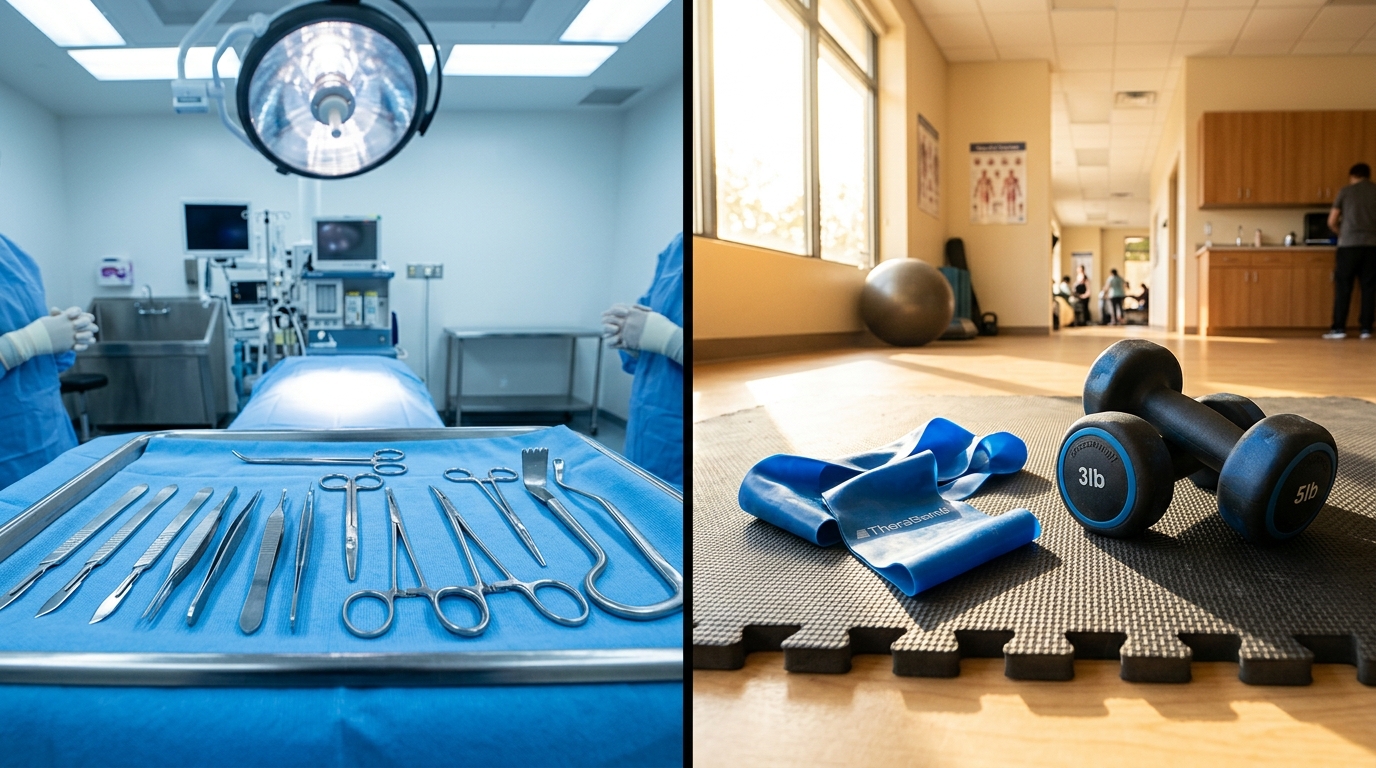
The financial disparity between surgical intervention and physical therapy is often the most significant factor in determining the total economic burden of a medical claim. Surgical procedures require high cost environments, including specialized operating suites, anesthesia services, and expensive medical hardware, which can lead to immediate bills totaling tens of thousands of dollars. In contrast, physical therapy follows a high frequency but lower cost model that focuses on incremental progress and long term functional restoration. While a single surgery may seem like a quick fix, the cumulative costs of preoperative testing, the procedure itself, and the subsequent recovery period often dwarf the steady investment required for a comprehensive rehabilitation program.
Choosing the physical therapy path can significantly influence the final payout and legal strategy for those navigating personal injury or workers compensation cases. Recent clinical data from 2025 suggests that for conditions like meniscus tears or chronic back pain, physical therapy delivers functional outcomes comparable to surgery but at a fraction of the price. Because insurance adjusters and legal professionals closely examine the necessity and cost effectiveness of treatments, navigating medical decisions through a conservative model can demonstrate a commitment to evidence based recovery. This approach not only minimizes the risk of surgical complications but also ensures that the medical expenses remain justifiable and aligned with current healthcare trends.
Long term financial planning must also account for the hidden costs associated with surgical failures or the need for revision procedures. Physical therapy boasts high success rates, with nearly eighty five percent of chronic back pain patients finding relief without the sixty to seventy percent success rate risks associated with spinal fusions. By prioritizing rehabilitation, patients often avoid the secondary costs of extended time away from work and the potential for permanent disability ratings linked to invasive operations. Ultimately, the economic profile of physical therapy offers a more predictable and sustainable financial trajectory, making it a strategic choice for maximizing your settlement for medical bills and lost wages.
Balancing Clinical Outcomes and Legal Value
Choosing between surgery and physical therapy is a pivotal decision that dictates both your physical recovery and the eventual value of your legal claim. While 2025 clinical data emphasizes that non-operative models often yield functional outcomes comparable to surgery for knee and back injuries, the impact on your legal strategy is equally significant. A surgical recommendation often signals a higher level of permanent disability, which can increase the potential value of a settlement. However, opting for physical therapy demonstrates a commitment to conservative treatment that can lead to a faster return to the workforce without the inherent risks of invasive procedures. You must weigh the immediate clinical benefits of a less invasive path against the long-term documentation required to prove the full extent of your industrial injury.
The role of medical evidence in your workers compensation case cannot be overstated, as every treatment choice is scrutinized by insurance carriers and medical evaluators. If you opt for physical therapy, your progress notes become the primary evidence of your functional limitations and your efforts to mitigate damages. Conversely, choosing surgery creates a clear record of significant medical intervention that often justifies higher secondary costs and vocational adjustments. Because these decisions directly influence your future earning capacity and medical needs, understanding the Independent Medical Examination and other procedural nuances of the system is essential for a successful outcome. To ensure you are making the most strategic choice for your future, you should learn more about rotator cuff surgery for Workers Compensation Spine Claims to better understand how independent evaluations will impact your treatment options.
Frequently Asked Questions
1. Is surgery always the fastest way to recover from an injury?
While surgery is often viewed as a quick fix, it involves significant downtime for anesthesia recovery and post-operative healing. Physical therapy allows you to begin active rehabilitation immediately, often leading to comparable functional outcomes without the risks of an invasive procedure.
2. Can physical therapy actually help me avoid surgery entirely?
Recent clinical data shows that up to 70% of patients with certain orthopedic conditions can successfully avoid the operating room through targeted movement. By addressing the root cause of your dysfunction, a structured program provides a safer and more cost effective path to long term mobility.
3. How do the success rates of physical therapy compare to surgical intervention?
For conditions like degenerative meniscus tears and spinal stenosis, patients using physical therapy achieve pain relief and mobility scores virtually identical to surgical patients. Modern therapeutic models prioritize these non invasive methods because they deliver high quality results without the inherent dangers of surgery.
4. What are the primary risks associated with choosing surgery over physical therapy?
Surgery carries inherent risks such as infection, complications from anesthesia, and extended periods of inactivity during recovery. Physical therapy offers a much safer profile, focusing on regaining strength and function through natural movement rather than a scalpel.
5. Does physical therapy address the root cause of chronic pain?
Physical therapy is designed to identify and treat the underlying source of your dysfunction rather than just masking the symptoms. This comprehensive approach ensures that you regain long term strength and prevent future injuries through a personalized, movement based strategy.
6. Is physical therapy a more cost effective option for orthopedic treatment?
Choosing a physical therapy first approach significantly lowers your overall healthcare costs by eliminating expensive hospital stays and surgical fees. It provides a high value alternative that empowers you to achieve the same functional recovery at a fraction of the price of an operation.