
An electrical accident can cause far more than an obvious burn. Victims may suffer heart damage, nerve injuries, traumatic falls, lasting pain, or psychological trauma. An electrocution injury lawyer can investigate what happened, identify potentially responsible parties, and pursue compensation for medical care, lost income, and other losses. Acting quickly matters because evidence can disappear and legal deadlines vary by state.
Whether the incident occurred at work, on a construction site, in a rental property, or elsewhere, liability may depend on complex safety rules and insurance issues. A legal evaluation can clarify your options, including whether a personal injury, workers’ compensation, product liability, or wrongful death claim may apply. This general information is not legal advice, and every case depends on its specific facts and location.
Key Takeaways
- Electrical accidents can cause serious hidden and long-term harm, including cardiac and nerve damage, burns, traumatic falls, chronic pain, disability, and psychological trauma. Prompt medical evaluation is essential even when visible injuries appear minor.
- Act quickly after an electrical injury to preserve equipment, photographs, safety records, medical documentation, and witness statements before evidence disappears. Legal and workers’ compensation deadlines vary by state, so prompt guidance is important.
- Available claims may include workers’ compensation, third-party personal injury, product liability, or wrongful death actions. Potentially responsible parties include employers, contractors, property owners, equipment manufacturers, maintenance companies, and utility providers.
- Compensation may cover medical treatment, rehabilitation, lost wages, reduced earning capacity, permanent disability, pain and suffering where permitted, and future care; families may also pursue wrongful death damages. An experienced lawyer can investigate liability, evaluate damages, and protect communications with insurers and other parties.
Introduction to Electrocution Injury Lawyers
An electrocution injury lawyer helps employees and families pursue legal options after workplace electrical accidents. These cases may involve electric shocks, electrical burns, arc-flash injuries, falls from ladders or scaffolds, and fatal electrocution incidents. A lawyer can investigate what happened, identify safety violations, preserve evidence, and explain whether workers’ compensation, a third-party claim, or a wrongful death action may apply. The legal process may also address medical expenses, lost income, permanent disabilities, pain and suffering where permitted, and the family’s losses after a death.
Claims depend on the law of the state where the accident occurred, the worker’s employment status, and the severity of the injuries. Potentially responsible parties may include an employer, property owner, general contractor, equipment manufacturer, subcontractor, or another party that created or failed to correct an unsafe condition. An attorney may review training records, electrical inspections, job-site photographs, incident reports, witness statements, and applicable safety requirements. This investigation can help determine whether the accident resulted from inadequate protective equipment, improper lockout procedures, exposed wiring, defective equipment, or other preventable hazards.
Prompt legal guidance can be especially important when injuries involve nerve or organ damage, cardiac complications, brain injuries, vision or hearing problems, psychological trauma, or a fall caused by electrical contact. Families may also need assistance evaluating a wrongful death claim and protecting their rights while an investigation is underway. Because deadlines, available damages, and third-party liability vary, an electrocution injury lawyer can assess the facts and explain the next steps during a case evaluation. Early representation may also help manage communications with insurers, employers, and other parties while the injured person focuses on recovery.
Workplace Electrocution Claim Investigation

An electrocution injury lawyer begins by identifying and preserving physical evidence before equipment is repaired, altered, or discarded. This may include power tools, cords, panels, grounding systems, protective gear, circuit breakers, and other equipment involved in the accident. Detailed photographs and video can document the work area, exposed wiring, warning signs, lighting, machine settings, and the worker’s position when the injury occurred. The lawyer may also issue preservation requests to help prevent important evidence from being lost or destroyed.
The investigation typically includes obtaining incident reports, maintenance records, inspection documents, training records, safety policies, and applicable workplace procedures. Statements from coworkers, supervisors, first responders, and other witnesses can clarify what happened and whether similar hazards were known before the incident. Medical documentation is equally important because electrical contact can cause burns, cardiac problems, nerve damage, internal injuries, psychological harm, or falls that are not immediately apparent. Medical records also help connect the workplace event to the nature, severity, and long-term effects of the injury.
A thorough review looks beyond the immediate shock to determine whether defective equipment, inadequate training, exposed wiring, unsafe work practices, or regulatory violations contributed to the accident. The lawyer may compare the employer’s conduct with applicable safety requirements, lockout and tagout procedures, inspection standards, and industry practices. This analysis can help determine whether a workers’ compensation claim, a third-party claim, or another legal remedy may apply, depending on the circumstances and state law. Preserving evidence and completing the investigation early can support an informed case evaluation and help protect the injured worker’s right to seek appropriate compensation.
Workers’ Compensation and Third-Party Claims
Workers’ compensation may cover necessary medical treatment and a portion of lost wages after an electrical workplace accident, even when the injury involves burns, nerve damage, cardiac problems, or a fall caused by electric shock. These benefits typically do not require proof that the employer was negligent, but they may be limited to approved care and a percentage of pre-injury earnings. In many situations, workers’ compensation also limits an employee’s ability to sue the employer directly, although exceptions may apply depending on state law and the circumstances. An electrocution injury lawyer can review the accident, employment status, available benefits, and deadlines that may affect a claim.
A separate third-party claim may be available when someone other than the employer contributed to the accident. Potentially responsible parties can include a general contractor, subcontractor, property owner, equipment manufacturer, maintenance company, or utility company whose negligence, unsafe conditions, inadequate warnings, or defective product caused the electrical injury. A third-party lawsuit may seek damages not fully available through workers’ compensation, such as pain and suffering, loss of enjoyment of life, and the full impact of long-term disability. The facts may also support a wrongful death claim when an electrical accident proves fatal.
Determining liability often requires a prompt investigation because key evidence can include work orders, safety records, photographs, electrical system inspections, equipment data, and witness statements. A lawyer may also examine whether required safety procedures were followed, whether power was properly shut off, and whether a product or property condition created the hazard. Because accepting workers’ compensation benefits can affect related claims and reimbursement rights, injured workers should consider obtaining legal guidance before signing a settlement or releasing another party. A case evaluation can help identify all potentially responsible parties and preserve claims within the applicable state deadlines.
Electrical Injury Damages and Evidence
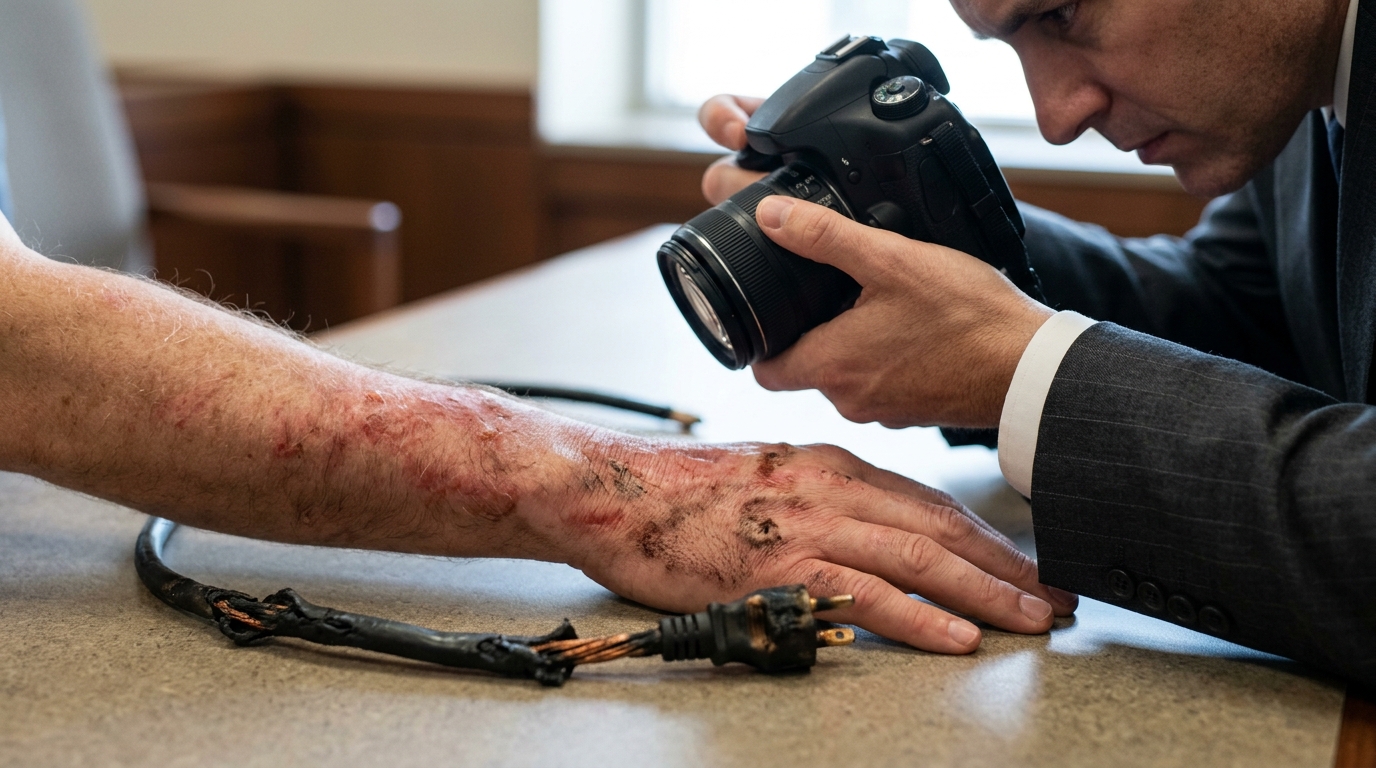
An electrocution injury lawyer may evaluate both immediate financial losses and the lasting effects of an electrical accident. Recoverable damages can include emergency transportation, hospital treatment, surgery, medication, rehabilitation, and other medical expenses already incurred. A claim may also account for future medical care, assistive equipment, ongoing therapy, and long-term care if the injury causes nerve damage, organ problems, burns, or other permanent conditions. Lost wages and reduced earning capacity may be significant when an injured worker cannot return to the same job, work full time, or pursue the same career. Depending on the circumstances and applicable state law, workers’ compensation benefits may apply, while a claim against a negligent third party may provide additional damages.
Personal losses can be just as substantial as financial ones after an electrical injury. Compensation may address pain and suffering, permanent disability, scarring, diminished quality of life, anxiety or depression, or post-traumatic stress. Injuries caused by electrical contact can also involve falls, brain injuries, vision or hearing problems, and hidden internal damage that becomes clearer over time. When an electrocution causes death, surviving family members may pursue wrongful death damages, which can include funeral costs, lost financial support, and loss of companionship, subject to state-specific rules. A lawyer can assess how the injury affects daily activities, family relationships, and future independence when documenting these losses.
Strong evidence helps connect the accident to the harm and supports the full value of a claim. Detailed medical records, diagnostic testing, treatment histories, and expert opinions can explain the severity of the injury, the need for future care, and whether symptoms are likely to persist. Employment records, pay statements, tax documents, job descriptions, and testimony from vocational or economic experts can help establish lost income and reduced earning capacity. Long-term care projections may further show the expected costs of rehabilitation, home assistance, specialized equipment, and continued medical monitoring. Preserving accident reports, workplace safety records, photographs, witness accounts, and other relevant evidence can also help an electrocution injury lawyer investigate responsibility and pursue appropriate compensation.
Choosing an Electrocution Injury Lawyer
Choosing an electrocution injury lawyer starts with finding counsel who regularly handles workplace electrical accidents, including shocks, arc-flash burns, falls, and fatal electrocution claims. Ask whether the lawyer understands both workers’ compensation benefits and personal injury law, since an injured employee may have claims involving an employer, property owner, contractor, equipment manufacturer, or other responsible party. State law, employment status, and the location of the accident can affect which claims are available. A lawyer familiar with these issues can help protect your rights while determining whether a third-party lawsuit may be possible.
A strong legal team should have access to qualified accident investigators, electrical safety professionals, medical specialists, and vocational or economic experts when needed. These professionals may help determine how the incident occurred, identify safety violations, document the full extent of your injuries, and evaluate future treatment or lost earnings. During an initial consultation, ask how the firm evaluates cases and what records it needs, such as incident reports, medical files, witness information, photographs, and safety documentation. The evaluation should give you a clear understanding of potential claims, important evidence, and the next steps.
Before retaining an electrocution injury lawyer, discuss the deadlines that may apply to workers’ compensation, personal injury, and wrongful death claims. Ask who the potential defendants are, whether the lawyer expects settlement negotiations or litigation, and how the legal strategy may change as evidence develops. You should also confirm the fee arrangement, case-related costs, and how often you will receive updates. Clear answers about communication and decision-making can help you choose representation that fits your needs during recovery.
Workplace Electrocution Claims
Prompt legal guidance after a workplace electrocution can help preserve evidence before it is lost, altered, or discarded. An electrocution injury lawyer may investigate the accident scene, equipment, safety procedures, training records, witness accounts, and applicable workplace regulations. This review can help identify whether workers’ compensation benefits, a third-party liability claim, or other legal remedies may be available. Early action is especially important when the incident involves defective equipment, unsafe conditions, inadequate warnings, or multiple contractors.
Electrical injuries can affect far more than a person’s immediate medical condition, including long-term nerve, cardiac, neurological, psychological, or mobility problems. A complete claim may need to account for emergency care, ongoing treatment, lost income, reduced earning capacity, pain and suffering where allowed, and the impact on family members in a fatality case. Speaking with a qualified electrocution injury lawyer can clarify which benefits and claims may apply based on the accident location, employment status, and responsible parties. Because state law and workplace circumstances differ, a case evaluation can help injured workers and families understand their options before making important decisions.
How an Electrocution Injury Lawyer Helps
An electrocution injury lawyer can help injured workers understand their rights after electric shock, arc-flash burns, electrical contact, or a fall caused by exposure to current. These cases may involve workers’ compensation benefits, third-party negligence claims, or wrongful death damages, depending on the circumstances and state law. Prompt legal guidance can help preserve incident reports, medical records, safety documentation, witness information, and evidence of defective equipment or unsafe job-site conditions. Because filing deadlines and available compensation vary, a case evaluation can clarify potential claims and the next steps for pursuing medical care, lost wages, and other damages.
If an insurer disputes your injury, delays benefits, or presents a settlement before your long-term needs are understood, avoid making important decisions without informed guidance. Understanding how a nurse case manager may affect treatment coordination and claim communications can also help you protect your interests. Explore Navigating Your Workers’ Compensation Claim and the Nurse Case Manager Role to learn more about managing the claims process after an electrical workplace accident. Taking action early can make it easier to address deadlines, document lasting harm, and seek a resolution that reflects the full impact of your injuries.
Frequently Asked Questions
1. What does an electrocution injury lawyer do?
An electrocution injury lawyer investigates the accident, identifies potentially responsible parties, and pursues compensation for your losses. This may include reviewing safety records, inspection reports, training materials, witness statements, medical evidence, and insurance coverage. The lawyer can also explain whether a workers’ compensation, personal injury, product liability, or wrongful death claim may apply.
2. What types of injuries can result from an electrical accident?
Electrical accidents can cause burns, heart damage, nerve injuries, muscle and tissue damage, hearing or vision problems, and traumatic injuries from falls. You may also experience chronic pain, disability, or psychological trauma even when visible burns appear minor. Prompt medical evaluation is important because some serious conditions are not immediately obvious.
3. Who may be responsible for an electrocution injury?
Potentially responsible parties may include an employer, property owner, general contractor, subcontractor, equipment manufacturer, or another party that created or failed to correct an unsafe condition. Liability depends on the accident’s facts, applicable safety regulations, contracts, maintenance duties, and the injured person’s employment status. A lawyer can investigate each party’s role and determine which claims may be available.
4. Can I file a claim if I was injured in an electrical accident at work?
You may be entitled to workers’ compensation benefits for medical treatment, partial wage replacement, and disability related to a workplace electrical injury. In some situations, you may also have a third-party personal injury claim against a negligent contractor, property owner, equipment manufacturer, or another non-employer. State law and the specific facts determine which remedies are available.
5. What compensation may be available after an electrocution injury?
Compensation may cover medical expenses, rehabilitation, lost income, reduced earning capacity, permanent disability, and other financial losses. Depending on the claim and state law, you may also seek damages for pain and suffering, emotional trauma, disfigurement, or loss of enjoyment of life. Families may have wrongful death claims for funeral costs, lost financial support, and other losses after a fatal accident.
6. What should I do after an electrical injury?
Seek emergency medical care, report the accident through the required workplace or property procedures, and preserve photographs, clothing, equipment, and other evidence when it is safe to do so. Collect contact information for witnesses and avoid giving recorded statements or signing settlement documents before understanding your rights. Contact an experienced electrocution injury lawyer promptly because evidence can disappear and filing deadlines vary by state.
7. How much does it cost to hire an electrocution injury lawyer?
Many personal injury lawyers handle qualifying cases on a contingency-fee basis, meaning you generally do not pay attorney fees unless compensation is recovered. The agreement should explain the fee percentage, case expenses, and what happens if the claim is unsuccessful. Ask for the terms in writing before representation begins, and remember that workers’ compensation fee rules may differ.