Finding out your claim has been denied or disputed can feel overwhelmingly stressful, especially when you are already trying to recover from a workplace injury. Suddenly, you are facing a formal legal proceeding to fight for the medical treatment, impairment ratings, or lost wages you rightfully deserve. Having clear workers comp hearing expectations is the single best way to calm your nerves and prepare a strong strategy.
While the idea of stepping into a courtroom might sound daunting, these proceedings generally follow a structured, predictable path. The hearing functions much like a bench trial without a jury, where an Administrative Law Judge will listen to opening statements, review evidence, and hear your sworn testimony. Knowing exactly how this process unfolds allows you to walk into the room with confidence and focus entirely on protecting your livelihood.
Key Takeaways
- A workers’ compensation hearing operates as a formal bench trial where a single Administrative Law Judge evaluates evidence and witness testimony without a jury.
- You will face rigorous cross-examination from experienced insurance defense attorneys actively working to uncover inconsistencies and minimize your claim.
- Winning a dispute requires strict, certified medical evidence and a strong strategy to counter deceptive insurance tactics like hidden surveillance footage.
- Because rulings are rarely immediate and procedural missteps can ruin your case, securing an experienced attorney is critical to protecting your rightful benefits.
Inside the Administrative Law Courtroom
Stepping into a workers compensation hearing can feel intimidating, especially when you realize the formal legal procedures involved. The setting resembles a traditional courtroom, but it functions specifically as a bench trial without a jury present to hear your case. Instead of a jury, a single authoritative figure presides over the entire proceeding to evaluate the evidence and make a final ruling. The atmosphere is highly professional and strictly governed by complex procedural rules that dictate how evidence must be presented. Walking into this structured environment alone often leaves injured workers feeling overwhelmed and completely unprepared for the legal battle ahead.
Understanding the key players in the room is crucial for handling this high-stakes dispute. An Administrative Law Judge, or ALJ, controls the courtroom while actively questioning witnesses and determining the outcome of your claim. On the opposing side sits the insurance carrier and their team of experienced corporate defense attorneys. These seasoned lawyers possess deep knowledge of workers compensation laws and will aggressively work to minimize or deny your benefits. As the claimant, you are expected to present testimony, submit medical evidence, and counter the complex legal arguments made by the insurance company. Facing a trained legal defense team requires strategic preparation, making professional legal representation essential to level the playing field.
The reality of a contested case hearing is that it demands much more than simply telling your side of the story. You will be sworn in under oath and subjected to rigorous cross-examination by the opposing counsel. Every answer you provide can be carefully scrutinized and used to undermine your credibility or the severity of your injuries. Attempting to manage these procedural hurdles without an experienced advocate often jeopardizes your rightful compensation. Securing a skilled attorney ensures your rights are fiercely protected while you focus entirely on your physical recovery.
Navigating Testimony and Cross Examination
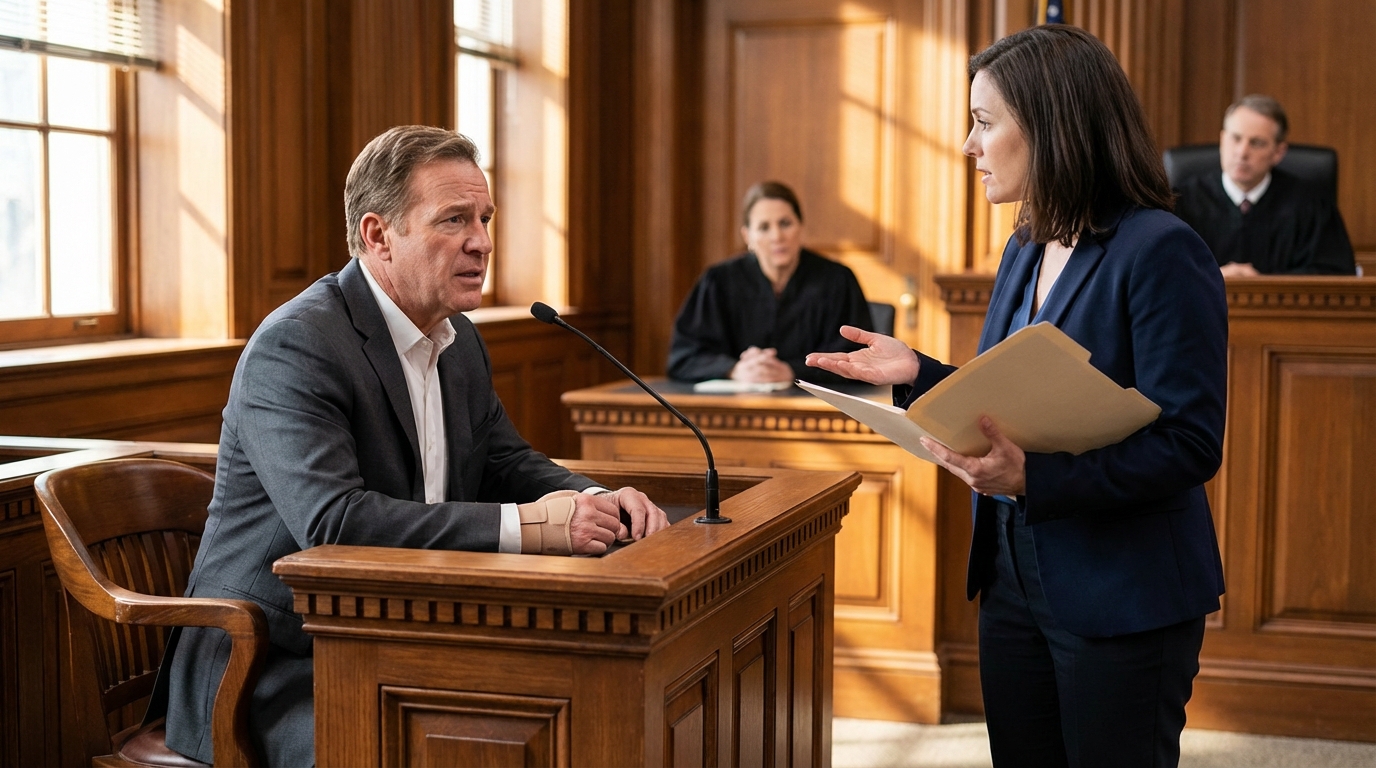
Taking the stand during a workers compensation hearing is often the most stressful part of the entire legal process. Once you are sworn in under oath, you will be required to answer highly specific questions about how your workplace injury occurred and the immediate aftermath. The judge expects clear and consistent details regarding the necessity of your medical treatments and the exact nature of your current physical limitations. Your direct testimony lays the foundation for your entire claim, making it absolutely crucial to articulate your daily struggles without exaggerating your symptoms. Every word you speak becomes part of the official record, which means careful preparation is essential to ensure your narrative remains accurate.
After you share your side of the story, the insurance company lawyer gets the opportunity to question you directly during cross examination. These opposing attorneys use rigorous and often aggressive tactics designed specifically to uncover inconsistencies in your timeline or medical history. They might twist your words, present confusing medical records, or ask leading questions to undermine your overall credibility. Facing a trained legal professional who is actively trying to dismantle your case is a highly stressful experience for anyone attempting to handle the system alone. A single flustered response or misinterpreted statement can accidentally damage a perfectly valid claim for benefits.
Realizing the intense scrutiny you will face on the witness stand often highlights the danger of walking into a contested hearing unprepared. Having an experienced legal advocate by your side levels the playing field against aggressive insurance attorneys. A dedicated lawyer will thoroughly prepare you for the types of tricky questions you will face and object to any unfair interrogation tactics during the hearing. Instead of feeling overwhelmed by the pressure of testifying, you can step into the courtroom with the confidence that your rights are fully protected. Securing professional representation ensures your voice is heard clearly and prevents the opposition from unfairly weaponizing your testimony against you.
Presenting Medical Evidence and Surveillance Defense
Winning a workers compensation dispute requires far more than simply telling the judge how much pain you are experiencing. The legal standard demands strict, certified medical evidence to substantiate every aspect of your claim. You must be prepared to present comprehensive documentation, including officially certified medical records, precise impairment ratings from approved physicians, and potentially testimony from a vocational expert. Opposing counsel will aggressively scrutinize these documents to find inconsistencies or procedural errors that could invalidate your case. Managing this complex web of legal requirements without an experienced attorney often leaves injured workers vulnerable to technical dismissals.
Beyond the heavy burden of medical proof, claimants must also anticipate aggressive defensive tactics from the insurance company. It is incredibly common for insurers to hire private investigators to secretly record your daily activities in hopes of contradicting your reported injuries. You might walk into the hearing feeling confident, only to be ambushed by hidden surveillance footage showing you carrying heavy groceries or doing yard work. Insurance lawyers use these carefully edited videos to attack your credibility and argue that you are exaggerating your physical limitations. A skilled legal representative knows how to counter these deceptive tactics, cross-examine investigators, and ensure the judge understands the full context of your daily struggles.
Managing Expectations for Your Workers Comp Hearing
Facing a workers compensation hearing can be an intimidating experience, especially when you realize the strict legal procedures involved. Many injured workers enter the courtroom expecting a swift resolution, but the reality is that administrative law judges rarely issue immediate rulings. Instead, they carefully review the presented evidence, witness testimonies, and medical records over several weeks before mailing a formal written decision. This delay can be incredibly stressful if you are relying on those benefits to cover mounting medical bills and lost wages. Furthermore, any procedural misstep or failure to present comprehensive evidence during the hearing can severely damage your chances of a favorable outcome.
Handling this complex litigation process alone puts you at a significant disadvantage against well-funded insurance companies and their seasoned legal teams. Insurance carriers treat these hearings as high-stakes battles, utilizing every available legal tactic to minimize or entirely deny your rightful claim. Securing an experienced workers compensation attorney is absolutely critical to leveling the playing field and ensuring your voice is heard. A dedicated legal professional will meticulously prepare your case, cross-examine opposing witnesses, and advocate fiercely to protect your right to medical care and wage replacement. You do not have to face the overwhelming pressure of a formal legal proceeding without a knowledgeable ally by your side.
Taking proactive steps right now is the best way to secure your financial future and physical recovery after a workplace injury. If you are feeling underprepared for what lies ahead, reaching out for professional legal representation can completely transform your approach to workers comp hearing expectations. Before you step into the courtroom, it is vital to understand the true value of your claim and what compensation you should rightfully receive. To learn more about how professional legal advocates can protect your rights, explore the detailed resource, Is Your Workers Compensation Settlement Offer Fair? (2025 Guide). Discover how skilled representation can help you manage the legal system and fight for the favorable outcome you truly deserve.
Frequently Asked Questions
1. What exactly is a workers compensation hearing?
A workers compensation hearing is a formal legal proceeding where you fight for disputed medical treatment, impairment ratings, or lost wages. It functions much like a bench trial where a judge reviews the evidence to make a final ruling on your claim. Knowing what to expect during this process is the best way to calm your nerves and protect your livelihood.
2. Will there be a jury at my workers comp hearing?
No, there is no jury present at a workers compensation hearing. Instead, the proceeding operates as a bench trial presided over by a single Administrative Law Judge. This judge alone will evaluate all the evidence and make the final decision regarding your benefits.
3. Who is the Administrative Law Judge?
The Administrative Law Judge, or ALJ, is the authoritative figure who controls the courtroom during your hearing. They will actively question witnesses, review all presented evidence, and ultimately determine the outcome of your claim. This judge ensures the hearing follows complex procedural rules in a highly professional atmosphere.
4. Who will be fighting against my claim at the hearing?
On the opposing side of the courtroom, you will face the workers compensation insurance carrier. They are typically represented by a team of experienced corporate defense attorneys who are hired to minimize or deny your payout. This is why walking into the structured environment prepared is critical to winning your case.
5. What actually happens during the hearing process?
The hearing follows a very structured and predictable path governed by specific procedural rules. The Administrative Law Judge will listen to opening statements from both sides and carefully review all submitted evidence. After that, you will be required to provide your sworn testimony about your workplace injury and recovery.
6. Why did my workers comp claim go to a hearing in the first place?
Your claim will typically go to a hearing if the insurance company has denied or disputed your workplace injury. This often happens when there is a disagreement over your required medical treatment, your impairment ratings, or the lost wages you deserve. The hearing gives you a formal opportunity to fight for these rightfully owed benefits.
7. Will I have to speak in front of the judge?
Yes, you will need to provide sworn testimony during your workers compensation hearing. The Administrative Law Judge will want to hear directly from you about how your injury occurred and how it impacts your daily life. Answering their questions honestly and clearly is a vital part of building a strong strategy for your case.