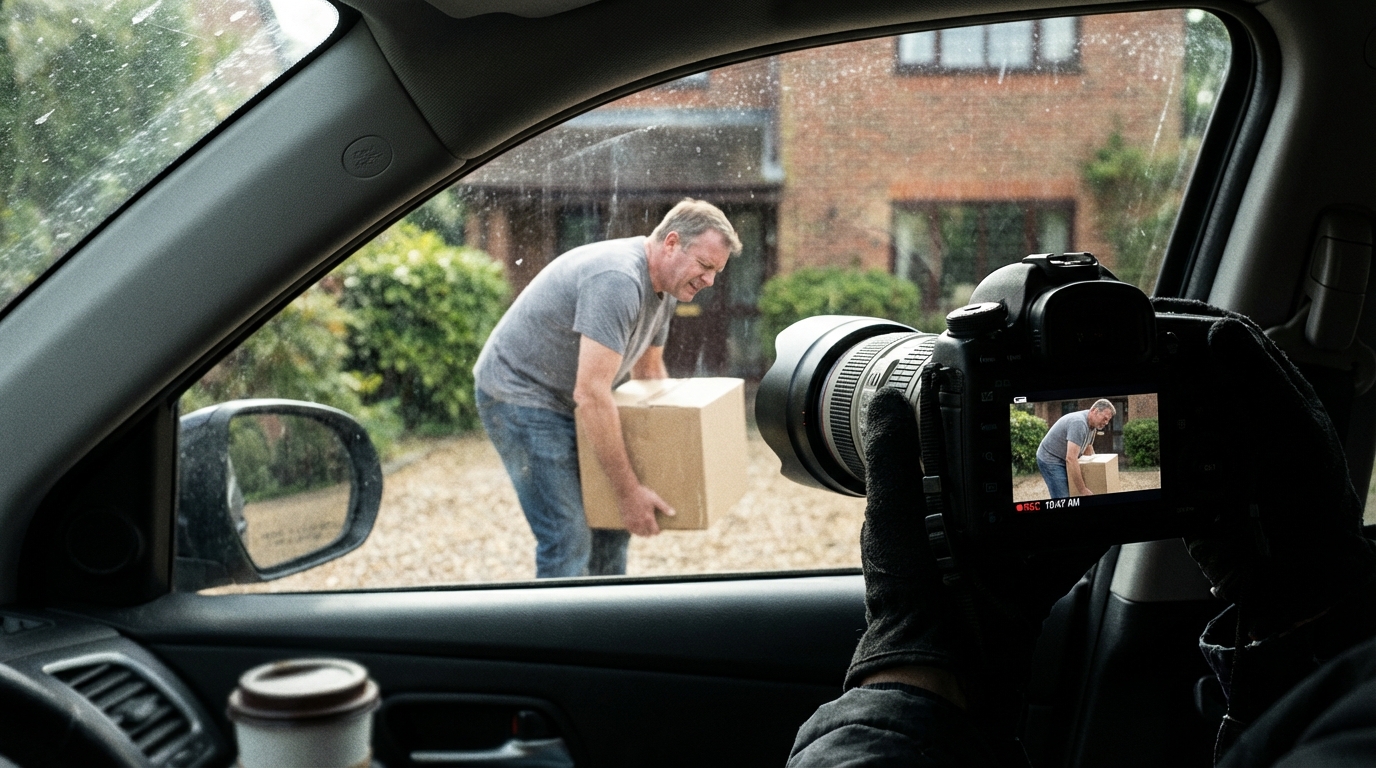
Workers compensation surveillance is a standard investigative tool used by insurance carriers to verify the authenticity of injury claims. Although the process may seem intrusive to an injured employee, it acts as a necessary measure to ensure that benefits are reserved for those who genuinely need them. Insurers typically initiate this process when specific red flags appear, such as inconsistent medical reports or significant delays in reporting an accident. By observing a claimant’s daily activities, adjusters can determine if physical capabilities align with the reported medical restrictions. This practice helps maintain the financial integrity of the insurance system while protecting honest workers from rising premiums.
To conduct these investigations effectively, insurance companies frequently hire licensed private investigators who specialize in discreet observation. These professionals utilize a mix of traditional methods, such as video recording in public spaces, alongside digital tactics like social media monitoring. The primary objective is to capture evidence that might contradict a claim, such as a worker performing strenuous physical tasks while reportedly disabled. The rising cost of insurance fraud drives the urgent need for such rigorous verification steps. This proactive approach allows insurers to identify fraudulent activity early and prevent significant financial losses for employers.
Key Takeaways
- Insurance carriers utilize surveillance and private investigators to verify the authenticity of injury claims and detect fraud when red flags arise.
- Investigators employ a mix of physical observation in public spaces and digital monitoring of social media to find evidence contradicting a claimant’s reported limitations.
- Surveillance must operate within legal boundaries, meaning investigators cannot trespass on private property or violate a claimant’s reasonable expectation of privacy inside their home.
- Evidence showing a worker performing tasks beyond their medical restrictions can lead to benefit denials or significantly reduced settlement offers.
Private Investigator Tactics and Digital Monitoring
Private investigators often rely on physical observation methods to gather evidence on a claimant’s daily routine. These professionals typically conduct stakeouts from unmarked vehicles parked near a subject’s home or follow them to public locations like grocery stores. The primary goal is to capture high-definition video footage of the individual performing physical tasks that contradict their reported medical limitations. For instance, an investigator might document a worker lifting heavy gardening supplies despite a claim of a debilitating back injury. While they must respect private property boundaries, any activity visible from a public vantage point is generally considered open for documentation.
Beyond physical tracking, digital monitoring has become a powerful tool for insurance carriers and defense attorneys. Investigators routinely review social media platforms like Facebook, Instagram, and TikTok to find public posts that undermine a claim. A single photo of a claimant enjoying a physically demanding vacation or checking in at a gym can serve as damaging evidence during a hearing. Advanced software allows these experts to scrape the web for digital footprints, including tagged photos from friends or comments on public forums. This strategy often reveals inconsistencies in a medical report without the investigator ever leaving their desk.
Comprehensive background checks frequently accompany these surveillance efforts to build a complete profile of the injured worker. Investigators search public records to identify previous workers’ compensation claims, criminal history, or undisclosed side businesses that generate income. Discovering a second job involving physical labor can immediately disqualify a worker from receiving certain benefits. By combining real-world video with digital research, insurers create a timeline that highlights any discrepancies in the injury narrative. These combined tactics aim to validate the severity of an injury and prevent fraudulent payouts.
Legal Boundaries and Investigator Trespassing Laws
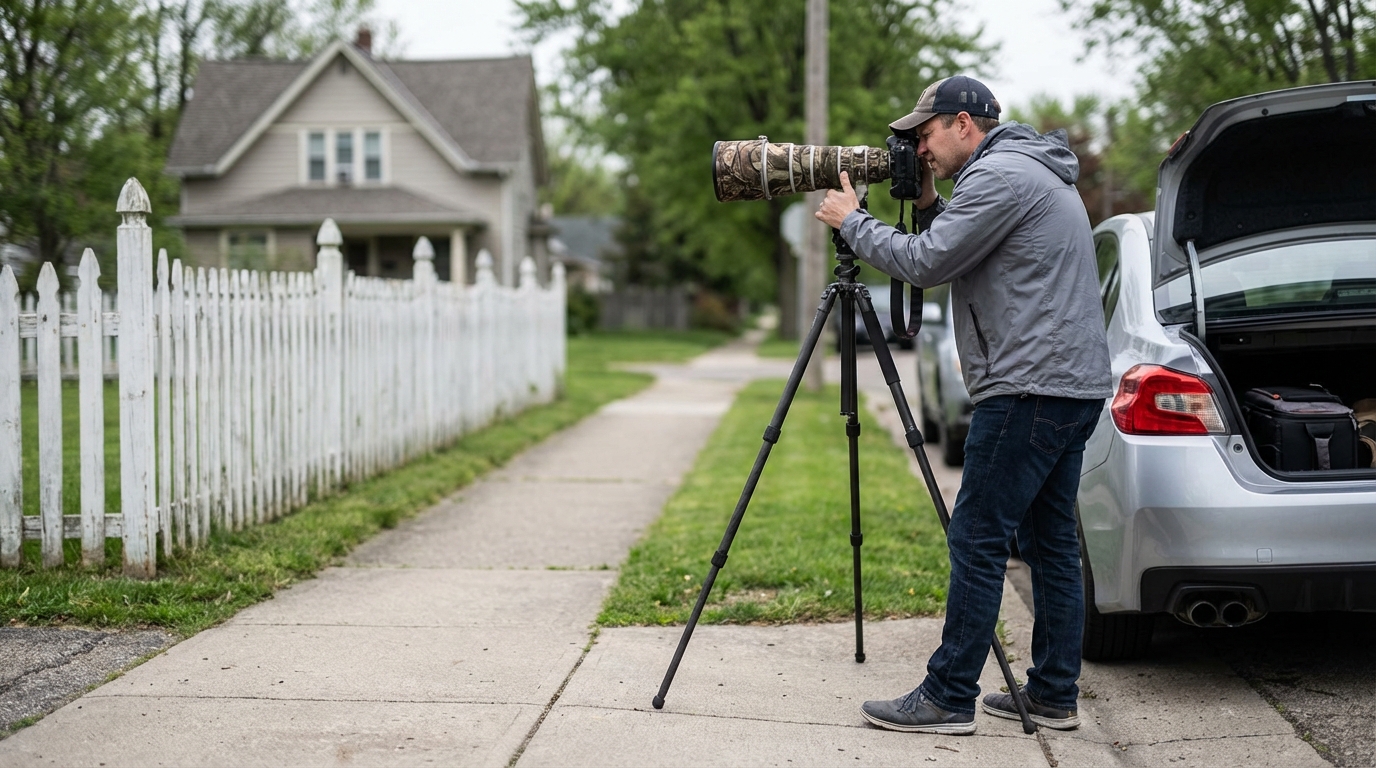
While insurance carriers have the right to investigate claims, they must operate within the strict confines of a claimant’s reasonable expectation of privacy. Surveillance is generally permissible in public locations where anyone could naturally observe the individual, such as a grocery store parking lot or a public sidewalk. However, this access stops at the threshold of the home. Filming through windows, peering over fences, or using high-tech gear to see inside a residence is legally considered an invasion of privacy. Courts protect the privacy of the home, meaning any evidence gathered by breaching this expectation is likely to be rejected.
Physical trespassing remains a clear violation that can jeopardize an entire investigation. Private investigators are prohibited from entering private property to secure footage, even if they suspect fraudulent activity is taking place just out of sight. This restriction includes driveways, private walkways, and gated communities where the general public is not allowed free access. If an investigator steps onto private land without permission, they expose themselves and the insurance company to potential civil liability. Legal teams for claimants often file motions to suppress evidence obtained through these illegal physical intrusions.
Audio recording introduces another layer of complexity due to varying state and federal wiretapping statutes. Unlike silent video, capturing conversations without consent is often illegal and carries severe penalties depending on the jurisdiction. Investigators cannot use sensitive microphones to eavesdrop on discussions happening on a private porch or inside a vehicle. Any audio evidence obtained in violation of these laws is inadmissible in workers compensation hearings and cannot be used to dispute a claim. Maintaining strict compliance with these audio restrictions is essential for ensuring the investigation holds up under legal scrutiny.
Impact of Surveillance Evidence on Benefit Denials
Insurance adjusters meticulously review surveillance footage to identify any discrepancies between a claimant’s reported limitations and their actual daily activities. If a worker states they cannot lift heavy objects but is recorded carrying large bags of groceries, this evidence serves as immediate grounds to dispute the severity of the injury. Such visual proof often provides the necessary leverage for insurers to suspend or completely terminate ongoing disability payments. Even minor inconsistencies can be interpreted as a sign of malingering, shifting the burden of proof back onto the injured employee to justify their medical status. Consequently, video evidence remains one of the most powerful tools for reducing claim costs and filtering out potentially fraudulent cases.
Beyond outright denials, gathered surveillance data frequently dictates the financial terms of final settlement negotiations. When defense attorneys present activity logs that suggest a higher level of physical capability than claimed, they can argue for a significantly reduced settlement amount. This strategy effectively pressures claimants to accept lower offers rather than risk losing everything in a hearing where the footage might be played. Adjusters use these perceived capabilities to update the estimated return-to-work date, thereby limiting the duration of future benefits. The threat of damaging video evidence compels many workers to settle quickly instead of fighting for the full compensation they might otherwise deserve.
While surveillance plays a necessary role in preventing insurance fraud, it must always be balanced against the legitimate privacy rights of injured workers. Investigators are legally permitted to observe public actions, yet they are prohibited from trespassing or using intrusive tactics that constitute harassment. For claimants, the most effective defense against these monitoring efforts is maintaining absolute honesty and consistency regarding their physical limitations. When medical reports align perfectly with observed behavior, surveillance footage often confirms the validity of the injury rather than disproving it. Handling this process requires transparency to ensure that genuine claims are respected while the system remains protected against abuse.
Navigating Modern Workers Compensation Surveillance Tactics
Understanding the complexities of workers compensation surveillance requires a clear grasp of both investigative goals and the rights of the injured employee. Insurance carriers and employers utilize these tactics primarily to verify the legitimacy of claims and ensure that benefits are reserved for those who genuinely need them. Current methods have evolved beyond simple video monitoring to include sophisticated social media scrutiny and digital footprint analysis. While these measures are essential for maintaining the integrity of the system, they must always be balanced against the claimant’s reasonable expectation of privacy. The goal is to uncover the truth about an injury rather than to intimidate or harass a recovering worker.
Although surveillance is a legally permissible strategy, it operates within strict boundaries designed to protect individuals from overreach. Private investigators are prohibited from trespassing on private property or using intrusive devices to capture audio or video inside a home. Claimants should remain aware that their actions in public spaces and their online posts are fair game for observation. Understanding these legal limits empowers workers to focus on their recovery without living in constant fear of being watched. If you suspect that surveillance tactics have crossed the line into harassment or illegal intrusion, consulting with a legal professional is a crucial step to protect your rights.
Frequently Asked Questions
1. Why is workers compensation surveillance necessary?
Surveillance serves as a standard investigative tool to verify the authenticity of injury claims. This measure ensures that benefits are reserved for those who genuinely need them while protecting honest workers from rising premiums. By maintaining system integrity, insurers can prevent financial losses caused by fraud.
2. What triggers an investigation into a claim?
Insurers typically start this process when specific red flags appear, such as inconsistent medical reports or delays in reporting an accident. These inconsistencies prompt adjusters to verify if your actual physical capabilities align with your reported restrictions. It is a proactive step to determine the validity of the claim.
3. Who conducts the surveillance?
Insurance companies hire licensed private investigators who specialize in discreet observation to handle these sensitive tasks. These professionals use their expertise to gather evidence effectively without alerting the subject. They are trained to document activities objectively to support or refute the ongoing claim.
4. How do private investigators gather evidence?
Investigators rely on a mix of traditional methods like video recording in public spaces and modern digital tactics. They often conduct stakeouts from unmarked vehicles or follow you to public locations to observe your daily routine. The goal is to capture high-definition footage that reveals your true physical abilities.
5. Is social media monitored during a workers comp claim?
Yes, digital monitoring is a key component of modern investigations. Investigators review social media platforms to find posts or photos that might contradict your reported disability. Sharing evidence of strenuous activities online can jeopardize your claim if it conflicts with your medical restrictions.
6. What are investigators looking for during surveillance?
The primary objective is to capture evidence that might contradict a claim, such as a worker performing strenuous physical tasks while reportedly disabled. Adjusters assess whether your daily activities align with the medical restrictions filed in your report. This verification helps identify fraudulent activity early in the process.