When a workplace injury occurs, the physical pain is often compounded by legal uncertainty and fear. Understanding workers’ compensation eligibility for undocumented employees is a critical challenge for thousands of workers who keep essential industries running but worry that their immigration status disqualifies them from protection. Despite federal hiring restrictions, the foundational principle of workers’ compensation in most states is that every person who performs labor deserves medical care and financial support if they are injured on the clock.
The legal environment is currently undergoing a significant shift as new state-level legislative proposals and increased federal enforcement actions emerge. This “Grand Bargain” of the American workplace, where employees waive the right to sue in exchange for guaranteed benefits, is being tested. Understanding your rights is no longer just about recovery; it is about ensuring that workplace safety standards apply to everyone, regardless of documentation status.
Key Takeaways
- Most state workers’ compensation laws define an employee by the performance of labor rather than immigration status, ensuring that undocumented workers are entitled to medical care and financial support for on-the-clock injuries.
- The ‘Grand Bargain’ of the American workplace requires all employees to waive the right to sue in exchange for guaranteed no-fault benefits, a compromise that must include undocumented workers to prevent employers from having a financial incentive to ignore safety standards.
- State-level medical protections generally supersede federal hiring restrictions when an injury occurs, as the legal focus remains on providing immediate care rather than enforcing immigration policy.
- Filing a workers’ compensation claim is a protected right that maintains labor standards for the entire community and prevents the financial burden of workplace injuries from shifting to public emergency services and taxpayers.
The Legal Definition Of Employee Status
The legal definition of an employee under state workers’ compensation statutes is generally broad enough to include any individual performing service for another under a contract of hire. Despite federal restrictions introduced by the Immigration Reform and Control Act (IRCA), most state jurisdictions recognize that the employment relationship exists regardless of the worker’s legal immigration status. This interpretation ensures that fundamental workplace protections apply to everyone on the job site, preventing a system where certain individuals are left without medical care after a serious injury. By defining undocumented workers as employees, states maintain the integrity of labor markets and ensure all workers have access to the essential benefits promised by law.
The Grand Bargain framework serves as the primary legal justification for extending these benefits to vulnerable populations. Under this historic compromise, workers relinquish their right to sue their employers in civil court in exchange for guaranteed no-fault medical and wage replacement benefits. If undocumented workers were excluded from this definition, they would technically regain the right to file personal injury lawsuits against their employers, which would undermine the stability of the entire insurance system. State legislatures and courts have largely concluded that denying benefits based on immigration status would create a financial incentive for unscrupulous employers to hire undocumented staff to avoid paying insurance premiums or safety costs.
Determining who should apply for benefits involves understanding that the right to a safe workplace is not dependent on citizenship. While federal law prohibits the hiring of undocumented individuals, it does not typically strip those individuals of their rights to compensation for injuries that have already occurred. Because the legal definition of an employee focuses on the performance of work rather than the documentation provided at the time of hire, injured workers are encouraged to seek the medical attention they need. This distinction is vital for those in high-risk industries where workplace accidents are common and the cost of recovery can be devastating without proper coverage.
State Level Protections Versus Federal Immigration Policy

The tension between federal immigration law and state workers’ compensation mandates creates a complex situation for many injured laborers. While the federal Immigration Reform and Control Act prohibits the hiring of undocumented individuals, state laws focus on the physical reality of the workplace rather than a person’s legal status. Most states recognize that excluding these workers would create a dangerous incentive for employers to hire undocumented staff to avoid the costs of insurance and safety compliance. By maintaining eligibility at the state level, authorities ensure the workplace remains safe for everyone, as employers are held accountability for injuries regardless of who is performing the task.
Navigating this intersection of laws requires understanding that state-level medical protections often supersede federal hiring restrictions when an injury occurs. In many jurisdictions, the definition of an employee includes any person in the service of an employer under any appointment or contract of hire, express or implied, oral or written. This broad interpretation is designed to uphold the fundamental trade-off of the workers’ compensation system, which provides medical care and wage replacement in exchange for the worker giving up the right to sue. If a worker is injured on the job, their immediate need for medical attention and financial stability is prioritized by state boards to prevent the burden of care from falling on public emergency services.
Despite these protections, the legal environment remains fluid as new legislative proposals and enforcement actions emerge. Some states have attempted to limit certain types of benefits, such as vocational rehabilitation or long-term disability payments, based on a worker’s inability to legally return to their previous position. It is essential for vulnerable workers to recognize that while they may fear federal repercussions, state-level workers’ compensation systems are generally designed to be separate from immigration enforcement. Understanding these distinctions is the first step in determining how long you have to file a claim and ensuring workplace rights are respected during the recovery process.
Barriers To Filing Compensation Claims Successfully
The workers’ compensation system is often daunting for undocumented workers due to the persistent threat of employer intimidation. Many individuals fear that reporting a workplace injury will lead to retaliatory actions, such as being reported to authorities or facing immediate termination. This vulnerability is frequently exploited by unscrupulous employers who use a worker’s legal status as a tool to avoid paying for medical expenses or lost wages. Despite these pressures, workers’ compensation is a no-fault system designed to protect everyone in the workforce regardless of documentation. Seeking medical benefits is a protected right in most jurisdictions, and the law generally prohibits employers from using immigration status as a shield against safety obligations.
The complexity of state-level regulations adds another layer of difficulty for those trying to determine if they should apply for benefits. While federal laws focus on employment eligibility, state courts have largely maintained that the Grand Bargain applies to all laborers to prevent employers from benefiting from unsafe working conditions. If undocumented workers were excluded from these protections, businesses might be incentivized to hire them specifically to bypass costly insurance requirements and safety standards. This creates a situation where a workers comp claim denied is not just about individual recovery, but also about maintaining labor standards for the entire community. Understanding these nuances helps vulnerable workers move past the fear of deportation and focus on obtaining necessary care.
Successfully filing a claim requires a clear understanding of the specific protections available in your local area, as some states have recently introduced legislative changes that could affect wage replacement eligibility. Even in shifting legal environments, the right to emergency medical treatment and basic care for work-related trauma remains a cornerstone of the system. Workers should document every detail of their accident and seek professional guidance to ensure their status is not used against them during the proceedings. By focusing on the fact that the injury occurred during the scope of employment, workers can often bypass the barriers set up by intimidating supervisors. Knowledge of these rights serves as a strong defense against the risks of silence and the physical toll of untreated workplace injuries.
Public Policy Arguments For Inclusive Benefit Eligibility
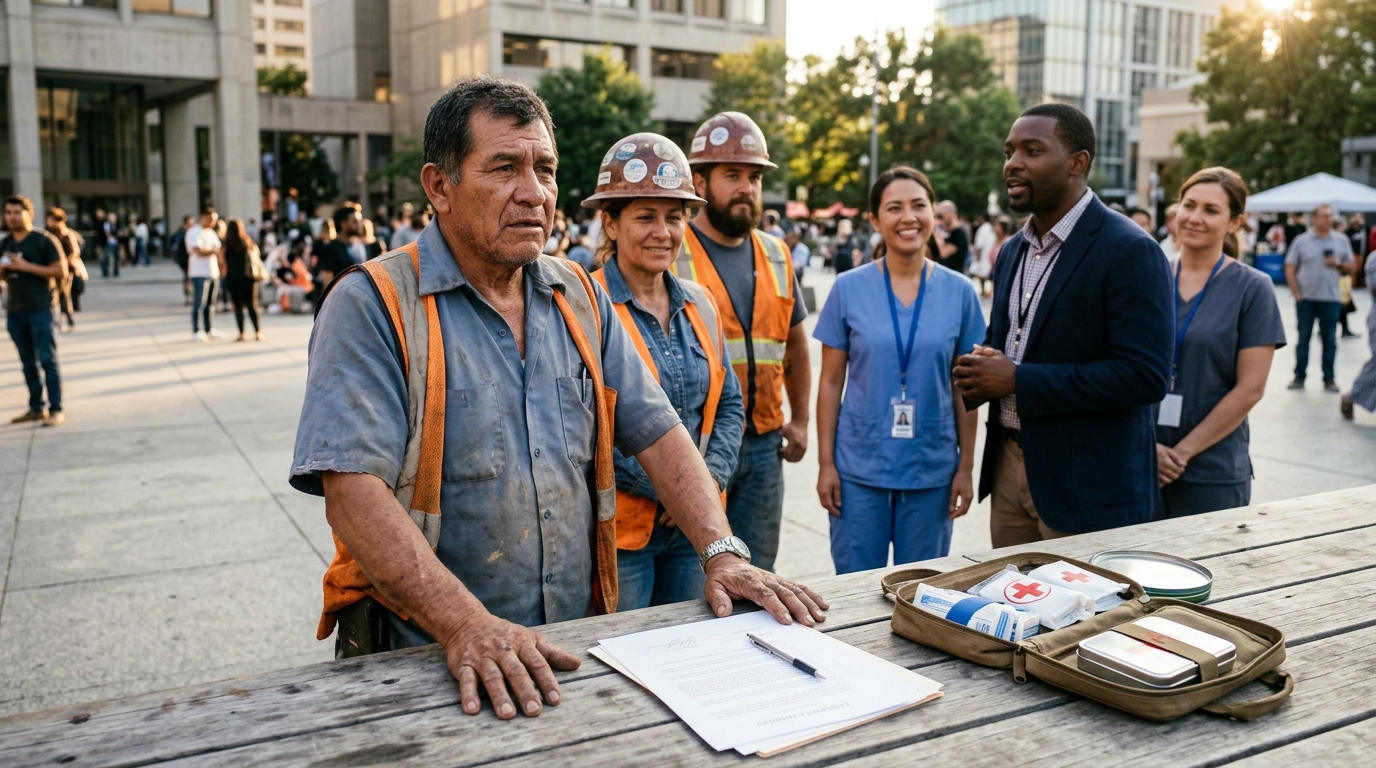
Ensuring that undocumented workers remain eligible for workers’ compensation is a vital safeguard against the creation of a tiered labor market where safety is optional. If employers were able to avoid paying benefits to injured undocumented staff, it would create a perverse financial incentive to hire vulnerable populations specifically to save on insurance premiums. This dynamic would encourage unscrupulous businesses to bypass standard safety protocols, knowing that an injury would not result in a financial claim or a hike in their experience rating. By mandating coverage for all employees regardless of status, public policy levels the playing field for law-abiding businesses that prioritize worker safety.
Maintaining inclusive eligibility acts as a powerful deterrent against the exploitation of workers who may be hesitant to report dangerous conditions. When benefits are guaranteed, it removes the cost-saving benefit of negligence, forcing employers to maintain the same rigorous safety standards for every person on the job site. This universal application of the law ensures that no demographic becomes a target for high-risk assignments simply because they are perceived as being outside the legal system. Ultimately, protecting the most vulnerable workers preserves the integrity of the entire workforce by preventing a race to the bottom in workplace safety standards.
Furthermore, denying benefits to injured workers does not erase the costs of their care, but instead shifts that burden onto the public healthcare system and local taxpayers. When an uninsured worker is injured and cannot access workers’ compensation, they often rely on emergency rooms and public clinics for life-saving treatment. Inclusive policies ensure that the industry responsible for the injury remains financially accountable for medical costs and rehabilitation. This approach reinforces the fundamental principle that the cost of doing business should include the protection of human life, regardless of documentation. In cases where a company fails to carry insurance, workers should follow uninsured employer claim steps to seek the compensation they are legally owed.
Understanding Your Workers’ Compensation Rights Regardless of Status
Navigating the complexities of workers’ compensation as an undocumented worker requires a clear understanding of your rights. Despite shifting legislative environments, the fundamental principle of the Grand Bargain remains a cornerstone of workplace justice in most states. This means that regardless of immigration status, you are generally entitled to medical care and financial support if you are injured while performing your job duties. Recognizing that you are protected by these laws is the first step toward ensuring you are not exploited or left without necessary care after a workplace accident.
Vulnerable workers often face intimidation or misinformation regarding eligibility, making it vital to stay informed about current legal protections. Employers are legally responsible for maintaining a safe environment for everyone on their payroll, and your status does not grant them a free pass to ignore safety standards or benefit obligations. Understanding the nuances of specific state laws can help you decide when it is appropriate to come forward and file a claim. Taking proactive steps to learn about the process ensures that you receive the maximum benefits allowed by law while protecting your health and financial future. Understanding retaliation laws explained in various jurisdictions can also provide peace of mind for those who fear losing their livelihood for exercising their legal rights.
As you move forward with your claim, it is essential to evaluate whether the compensation being offered truly reflects the extent of your injuries and long-term needs. Ensuring you receive a just amount is critical for your recovery and stability. To ensure you are receiving the full benefits you deserve, we encourage you to read our resource, Is Your Workers Compensation Settlement Offer Fair? (2025 Guide). This guide provides the necessary tools to help you advocate for yourself and secure the workplace justice you are entitled to under the law.
Frequently Asked Questions
1. Am I eligible for workers’ compensation if I do not have legal immigration status?
Yes, you are generally eligible for benefits because most state laws define an employee as anyone performing labor under a contract of hire. Your right to medical care and financial support after an injury is based on your work performance rather than your documentation status.
2. Does the Immigration Reform and Control Act (IRCA) prevent me from getting benefits?
While the IRCA sets federal hiring restrictions, it does not override state workers’ compensation protections. Most jurisdictions recognize that the employment relationship exists regardless of your legal status, ensuring you are not left without care after a workplace accident.
3. What is the Grand Bargain and how does it apply to me?
The Grand Bargain is a legal framework where you waive your right to sue your employer in exchange for guaranteed medical and financial benefits. This system is designed to protect all workers, ensuring that workplace safety standards are upheld for everyone on the job site.
4. Will seeking workers’ compensation benefits alert immigration authorities?
The workers’ compensation system is designed to provide medical relief and wage replacement, not to enforce immigration law. Its primary goal is to maintain labor market integrity by ensuring every injured worker receives the essential benefits promised by law.
5. Can my employer deny my claim because I am undocumented?
Employers cannot legally deny a claim based solely on your immigration status because the law broadly defines employee status to include all individuals performing service. If you are hurt on the clock, you have a right to the same foundational protections as any other employee.
6. Why do states include undocumented workers in their compensation statutes?
States include all workers to prevent a two-tiered system where some individuals are left without medical care. By covering everyone, the law ensures that all employers remain responsible for workplace safety and that no one is excluded from the essential protections of the labor market.