When a medical device designed to heal causes more pain than the original injury, the path to recovery often moves from the operating room to the courtroom. For thousands of patients facing complications from hernia mesh or orthopedic implants, understanding the potential surgical hardware settlement value is the first step toward financial and physical restoration. As of 2026, legal frameworks have shifted toward global structures where compensation is tied to the specific severity of complications.
The most significant factor in these cases is often the necessity of revision surgery, a secondary and often painful procedure to remove or replace defective hardware. Recent developments in mass tort litigation have established tiered systems that prioritize victims based on the long-term impact on their quality of life. Whether dealing with device migration, chronic infection, or total implant failure, knowing how these injury tiers are structured is essential for understanding the current settlement environment.
Key Takeaways
- Permanent surgical hardware provides objective, visual evidence of injury severity that justifies higher multipliers for pain and suffering compared to soft tissue claims.
- The necessity of a revision surgery is the primary driver for increased settlement value, often moving a claim into the highest compensation tiers due to escalated medical risk and trauma.
- Modern mass tort frameworks for 2026 utilize tiered systems that prioritize payouts based on specific complications like device migration, chronic infection, and long-term functional impairment.
- Economic damage calculations for internal fixation must account for a lifetime of costs, including future diagnostic imaging, potential hardware failure, and loss of earning capacity.
Impact Of Permanent Internal Fixation Hardware On General Damages
The presence of permanent metal hardware serves as undeniable, objective evidence of a significant injury that insurance adjusters and juries cannot ignore. While soft tissue injuries are often debated, the existence of titanium plates, screws, or rods on an X-ray provides a concrete visual of the trauma sustained by the claimant. In the eyes of the law, these implants represent a permanent alteration of the body, which typically justifies a higher multiplier for pain and suffering. This permanent internal fixation suggests that the injury was severe enough to require mechanical stability, often leading to a substantial increase in the general damages portion of a settlement.
Beyond the initial trauma, the long term implications of living with internal hardware contribute significantly to the overall valuation of a claim. Claimants with permanent implants often face unique challenges, such as increased sensitivity to cold weather, discomfort during physical activity, or the psychological impact of knowing a foreign object is in their body. These factors are categorized under loss of enjoyment of life and permanent impairment, which are key components of a high value settlement. Because these metal components can sometimes lead to future complications or the need for revision surgery, legal professionals use their presence to argue for maximum compensation.
Insurance companies often attempt to minimize payouts, but the hardware factor creates a powerful narrative of a life forever changed by an accident. When a claimant undergoes an open reduction internal fixation (ORIF) procedure, it signals to the defense that the recovery process was intensive and that the physical impact is lasting. This objective proof of injury severity helps to bridge the gap between medical expenses and the intangible human cost of the injury. Ultimately, the permanence of the hardware ensures that the claim is viewed through the lens of a long term disability rather than a temporary setback.
Correlating Revision Surgery Necessity With Increased Settlement Tiers
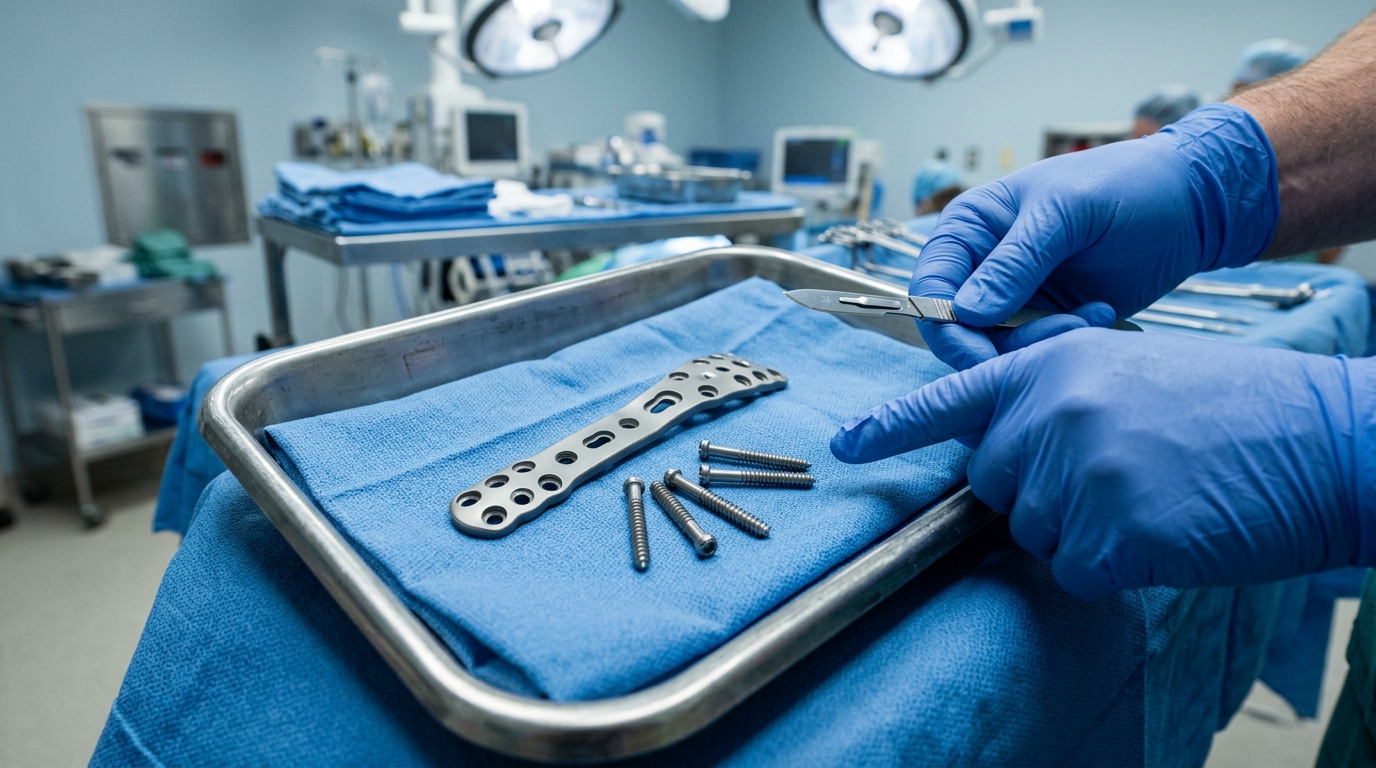
The inclusion of surgical hardware like plates, screws, and rods often marks the transition of a personal injury claim from a standard injury to a high value legal matter. When internal fixation devices fail or cause complications, the necessity for a revision surgery serves as a powerful catalyst for increased settlement tiers. Insurance adjusters and legal professionals view the need to re-enter the body to remove or replace defective metal as a significant escalation of physical trauma and medical risk. This secondary procedure inherently proves that the initial treatment was insufficient or that the hardware itself was faulty, which justifies a much higher demand for non-economic damages.
The financial impact of a revision surgery extends far beyond the immediate cost of the operating room and the surgeon fees. These procedures often involve more complex recovery periods, a higher risk of permanent nerve damage, and an increased likelihood of long term physical limitations. Because the claimant must endure a second round of anesthesia and rehabilitation, the pain and suffering component of the settlement calculation typically doubles or triples in value. In the context of mass torts involving orthopedic implants or mesh, those who require hardware removal are placed in the highest compensation brackets because their injuries are documented as permanent and life altering.
Settlement values are ultimately anchored by the objective evidence of hardware failure and the subsequent medical intervention required to fix it. A claimant with permanent metal implants already commands a premium, but one who faces a secondary surgery to address migration, breakage, or infection represents a specific high value niche in litigation. These cases move into the top tiers of payout charts because they demonstrate a clear trajectory of ongoing disability and future medical necessity. By documenting the failure of the original hardware and the trauma of a corrective procedure, victims can move their claims into the highest possible recovery categories.
Calculating Economic Damages For Long Term Hardware Complications
When calculating the settlement value for an Open Reduction Internal Fixation (ORIF) procedure, the inclusion of permanent hardware significantly elevates the economic damages profile. Unlike soft tissue injuries, the presence of metal plates, screws, or rods introduces a lifetime of potential medical expenses that must be accounted for in a final demand. These costs extend far beyond the initial surgery to include routine diagnostic imaging, specialist consultations, and long term monitoring to ensure the hardware remains stable. If the implants are positioned near joints or high stress areas, the likelihood of future complications increases, making it vital to quantify these projected costs using expert medical testimony. A comprehensive settlement must capture the reality that permanent hardware often requires a lifetime of professional oversight.
The risk of hardware failure or late onset infection represents a substantial portion of the claim’s value, as these complications often necessitate costly revision surgeries. Revision procedures are frequently more complex and invasive than the original ORIF, involving higher risks of bone loss, nerve damage, and extended rehabilitation periods. When hardware migrates or triggers an inflammatory response, the victim faces a new round of hospital bills, anesthesia fees, and lost wages that can dwarf the initial injury costs. Legal teams focus on these secondary surgical needs because they transform a one time medical event into a recurring financial burden. Ensuring that a settlement covers the potential for a total hardware removal or replacement is essential for maximizing your settlement for failed surgery and protecting the claimant’s long term financial health.
Beyond the direct medical invoices, the economic damage impact of surgical hardware includes the permanent alteration of the victim’s physical capabilities and future earning potential. Long term complications like hardware irritability or chronic pain can limit a person’s ability to perform manual labor or remain in high activity professions. These limitations are factored into economic damages as a loss of earning capacity, which calculates the difference between what the victim could have earned and what they can earn with permanent implants. When hardware causes persistent discomfort or restricts range of motion, it creates a documented trail of physical therapy and pain management needs. By meticulously documenting these future requirements, claimants can seek a settlement that reflects the true, high value nature of living with orthopedic hardware, similar to spinal fusion settlement values that account for permanent structural changes.
Legal Valuation Of Hardware Failure In Mass Tort Litigations
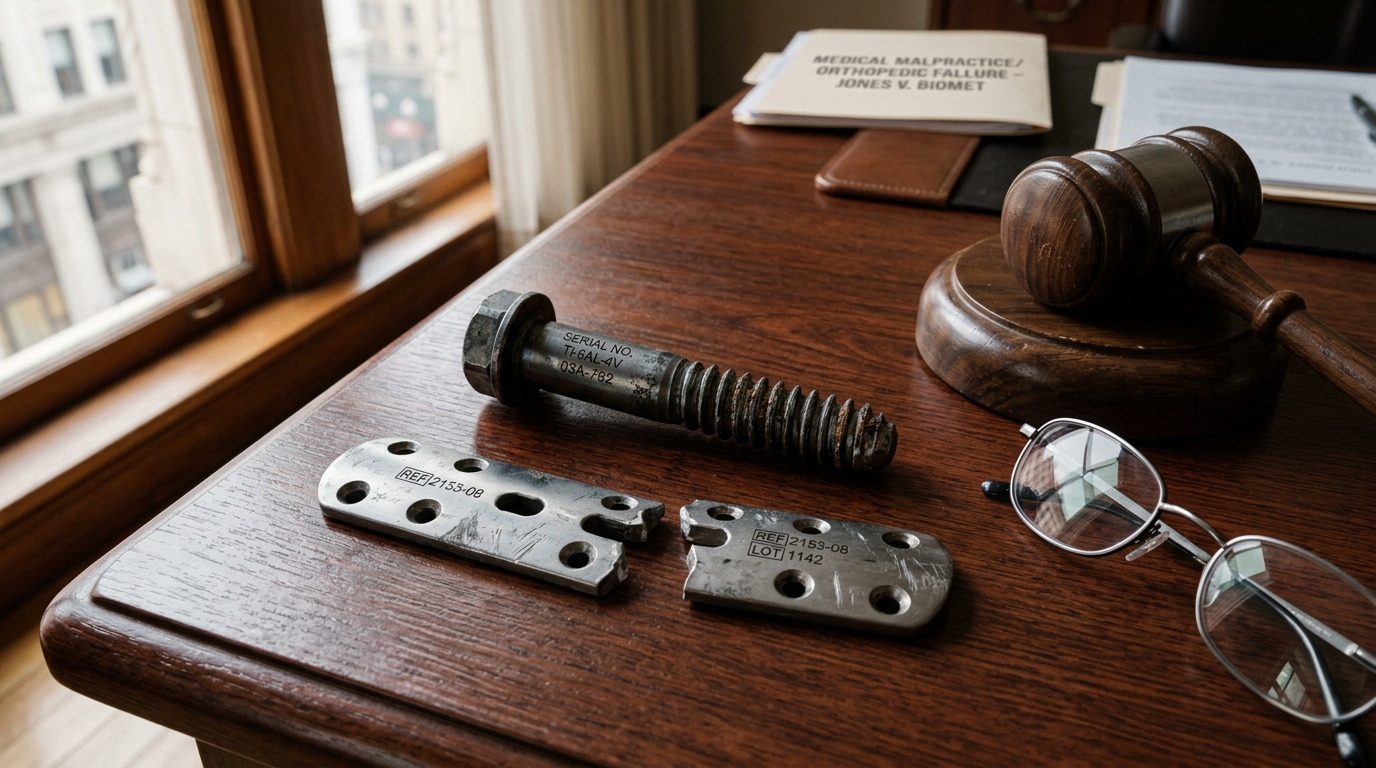
The legal valuation of surgical hardware in mass tort litigation hinges heavily on the classification of the implant and the permanence of the resulting physical impairment. In cases involving Open Reduction Internal Fixation (ORIF), the presence of permanent metal plates, screws, or rods often serves as a primary driver for higher settlement tiers. These components are designed to stabilize bone fractures, but when they fail or cause chronic pain, they create a long-term liability that courts and settlement masters weigh heavily. Payout frameworks typically categorize claimants based on the specific type of hardware used and whether that hardware necessitated a complex revision surgery. These secondary procedures are viewed as significant medical milestones that justify increased compensation due to the added surgical risks and extended recovery periods.
Determining the final payout for an ORIF claimant requires a deep dive into the long-term functional limitations caused by the metal implants. Unlike temporary medical devices, permanent hardware that causes nerve damage or localized toxicity can lead to lifelong disability and persistent inflammation. Settlement matrices in 2026 often use a point-based system that awards higher values to patients who can prove the hardware has migrated or caused structural damage to surrounding tissue. This approach ensures that individuals with catastrophic hardware failure receive a settlement that reflects the severity of their physical toll. Legal teams focus on documenting the specific metal alloys used and any subsequent adverse reactions to maximize the valuation of the claim. To verify the extent of these injuries, claimants may be required to undergo an independent medical examination to provide an unbiased assessment of their physical condition.
Recent developments in orthopedic and hernia mesh litigations have established a clear correlation between the necessity of hardware removal and the final settlement amount. Claimants who must undergo a revision surgery to replace defective hardware are frequently placed in the highest injury tiers, as these procedures are often more invasive than the initial implantation. The legal system recognizes that the removal of internalized metal involves significant scar tissue management and a higher risk of infection. Depending on the location of the implant, patients may need to consult a neurosurgeon vs orthopedic surgeon to address complex nerve or structural issues. Consequently, the valuation process accounts for both the past medical expenses and the projected future costs of living with a compromised skeletal or abdominal structure. By focusing on these specific hardware-related complications, legal frameworks aim to provide a standardized yet fair distribution of settlement funds across thousands of affected individuals.
How Surgical Hardware Increases Settlement Value
The presence of surgical hardware like plates, screws, and rods serves as a powerful indicator of injury severity that directly influences the final valuation of a legal claim. Insurance adjusters and defense counsel view these permanent metal implants as objective evidence of a life altering event, often leading to significantly higher settlement brackets compared to soft tissue injuries. Because hardware represents a permanent change to anatomy, it carries a weight in negotiations that reflects both the initial trauma of open reduction internal fixation surgery and the long term physical impact. Properly documenting the necessity of these devices is the first step in ensuring that a settlement reflects the true scope of the medical journey.
Maximizing recovery requires a diligent focus on any hardware related complications, especially the potential need for future revision surgeries. Whether dealing with a defective implant or standard ORIF hardware, the costs associated with secondary procedures and chronic pain management must be factored into a demand. A successful outcome depends on the ability to present a comprehensive view of medical needs and the vocational impact of physical limitations. To ensure an offer is sufficient, claimants should review resources regarding settlement factors and calculations to learn more about how surgical hardware settlement value affects a specific case.
Frequently Asked Questions
1. How does the presence of permanent hardware affect my settlement value?
Permanent hardware like titanium plates or screws serves as objective evidence of a severe injury that requires mechanical stability. Because these implants represent a permanent alteration of your body, they typically justify a higher multiplier for pain and suffering and general damages.
2. What is the most significant factor in determining a surgical hardware claim value?
The necessity of revision surgery is often the most critical factor in these cases. Under the 2026 legal landscape, secondary procedures to remove or replace defective hardware signal a higher level of injury severity and move you into a more substantial compensation tier.
3. How are mass tort settlements structured for hernia mesh or orthopedic implants?
Modern settlements use tiered systems that prioritize victims based on the specific severity of their complications. Your placement in these tiers depends on factors such as device migration, chronic infection, total implant failure, and the long term impact on your quality of life.
4. Why do insurance adjusters view hardware differently than soft tissue injuries?
Unlike soft tissue injuries which can be subjective or debated, internal fixation hardware is visible on X-rays and provides undeniable proof of trauma. This concrete visual evidence makes it much harder for adjusters to downplay the extent of your physical suffering and permanent impairment.
5. Does needing a second surgery increase my potential compensation?
Yes, revision surgeries are viewed as significant medical milestones that prove the initial treatment was unsuccessful or the device was defective. These additional procedures involve increased pain, recovery time, and medical expenses, which directly elevate the overall valuation of your claim.
6. What long term implications of internal hardware are considered in a settlement?
Valuations account for the fact that living with internal hardware often leads to lifelong challenges or physical limitations. Courts and insurance companies consider the permanent nature of the fixation and how it contributes to your ongoing pain, restricted mobility, and future medical risks.