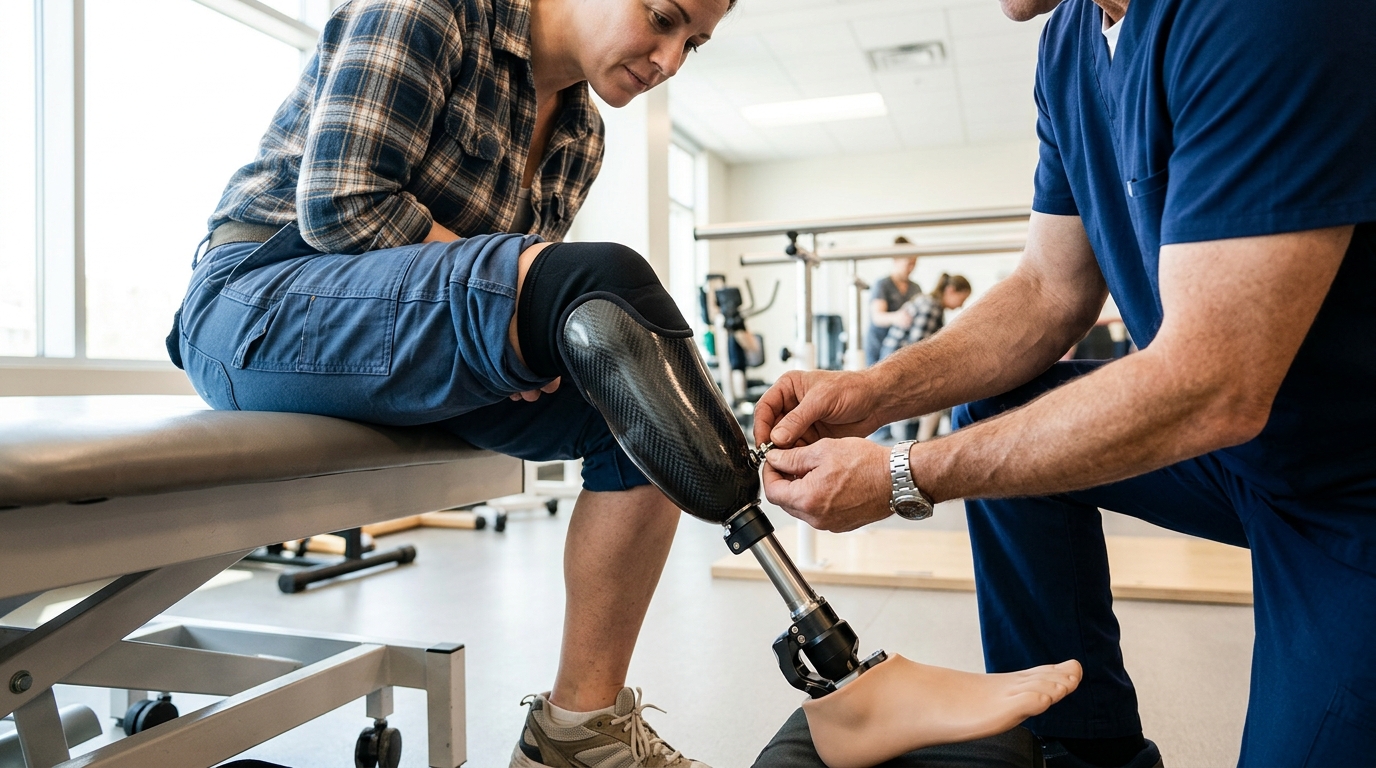
Workers’ compensation prosthetic costs can vary significantly, with no single national price covering every injury or device. Amputation level, prosthesis type, clinical complexity, rehabilitation, and ongoing expenses such as repairs, liners, sockets, and batteries all affect what workers’ compensation may pay. State fee schedules, negotiated rates, and claim administration can also influence the final amount.
For serious work-related amputations, the prosthesis is only one part of the financial picture. Industry data shows that amputation claims averaged $125,058 in total lost-time claim costs for accidents occurring in 2022 and 2023, making them the costliest injury category in that dataset. Understanding both the initial fitting and long-term expenses is essential when evaluating benefits and planning for recovery.
Key Takeaways
- Workers’ compensation prosthetic costs have no single national price; amputation level, device technology, clinical complexity, rehabilitation, state fee schedules, and negotiated rates all affect payment.
- The prosthesis is only part of the total claim. Costs may also include surgery, rehabilitation, wage replacement, repairs, liners, sockets, batteries, and future replacement devices; amputation claims averaged $125,058 in total lost-time costs for 2022–2023 accidents in the referenced dataset.
- Evaluate benefits based on projected lifetime prosthetic and medical needs—not just the initial device invoice—including expected maintenance, replacements, adjustments, and changing functional requirements.
- Support authorization or appeals with detailed medical records, prosthetist recommendations, itemized estimates, functional assessments, and documented future-care projections.
Introduction To Workers Comp Prosthetic Cost
Workers’ compensation prosthetic costs are a significant medical-benefits issue for employees who lose a limb because of a workplace injury. There is no single national price because the amount depends on the amputation level, device type, clinical complexity, activity level, and applicable state fee schedule or negotiated rate. A basic cosmetic or mechanical device may have very different pricing from a myoelectric or microprocessor-controlled prosthesis. The claim may also involve surgery, hospital care, physician visits, and other treatment related to the amputation. Understanding these factors can help an injured worker evaluate whether the authorized benefits are sufficient for current and expected medical needs.
The prosthesis itself is only one part of a potential workers’ compensation claim. Benefits may also need to address physical rehabilitation, vocational support, wage replacement, maintenance, repairs, liners, sockets, batteries, and future replacement devices as the prosthesis wears out or the worker’s needs change. Coverage can depend on whether the claim is insured or self-insured, how care is managed, and the rules governing medical treatment in the worker’s state. Industry data reports an average total lost-time claim cost of $125,058 for amputation accidents occurring in 2022 and 2023, illustrating the broader financial impact of these injuries. Reviewing the full scope of present and future benefits is essential when assessing a workers’ compensation amputation claim.
Prosthetic Cost By Amputation Level
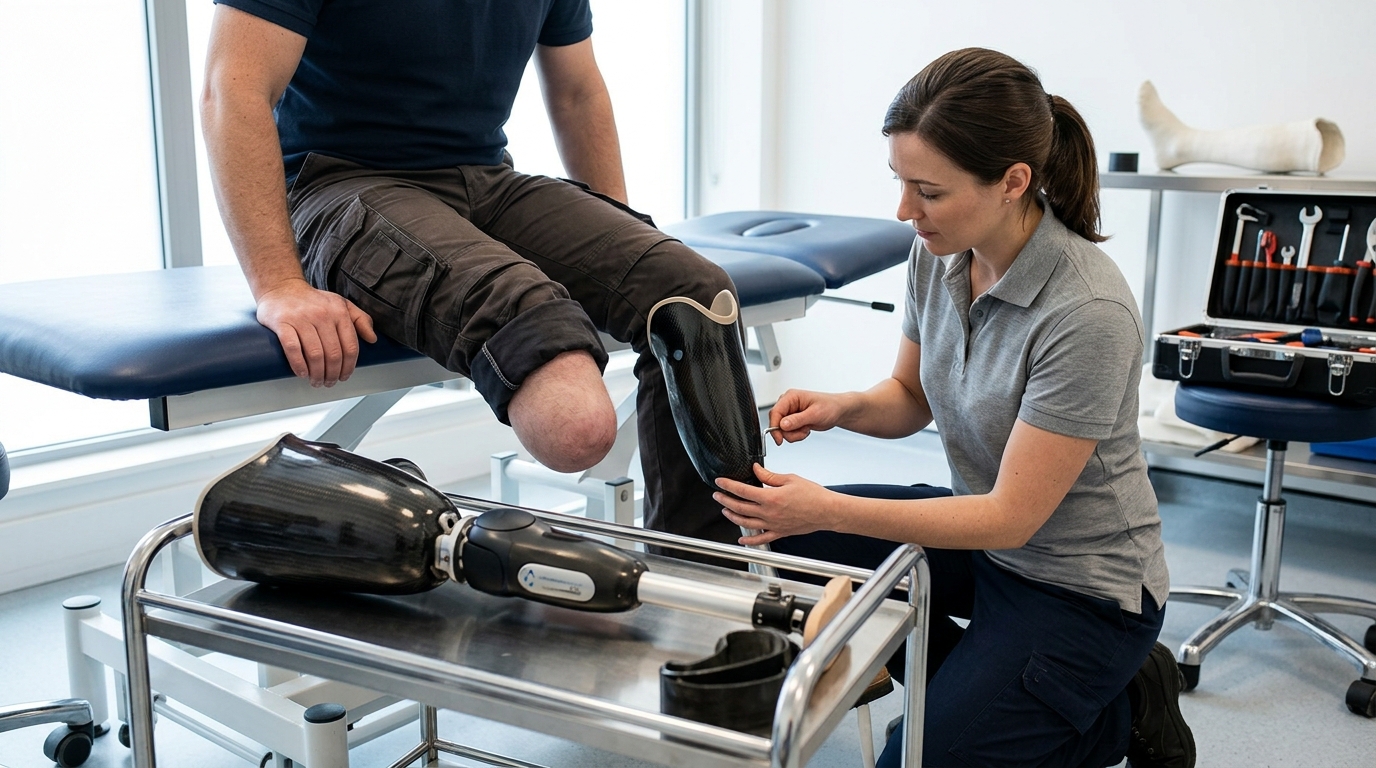
Workers’ compensation prosthetic costs often increase with the amputation level because larger and more complex devices require additional materials, specialized fitting, and rehabilitation. Finger and partial-hand prostheses may cost less than limb-length replacements, particularly when a cosmetic or basic mechanical device meets the worker’s functional needs. Body-powered systems can provide practical movement at a moderate cost, while advanced designs may increase both initial and long-term expenses. Below-knee prostheses commonly involve a socket, liner, foot, and suspension system, with pricing affected by whether the foot is basic, hydraulic, or microprocessor-controlled. A workers’ compensation evaluation should consider the worker’s job demands, mobility goals, and expected replacement needs rather than focusing only on the first device invoice.
Above-knee prostheses generally cost more than below-knee devices because they must replace the knee as well as the lower limb. Hydraulic knees may offer smoother movement, while microprocessor-controlled knees can adjust to changing terrain and activity, often increasing acquisition and maintenance costs. Forearm and full-arm prostheses also vary widely depending on whether they are cosmetic, body-powered, mechanical, or myoelectric systems. Myoelectric devices use muscle signals to control movement and may require additional evaluation, training, batteries, and specialized components. A more advanced prosthesis is not automatically appropriate for every worker, but the selected category should reasonably reflect functional limitations and job requirements.
Total workers’ compensation prosthetic costs can include much more than the limb itself, including surgical care, initial fitting, therapy, socket and liner replacements, repairs, batteries, and future upgrades. Payment may be shaped by the state fee schedule, negotiated rates, the insurer or self-insured employer, and any managed-care procedures involved in the claim. Industry data reports an average total lost-time claim cost of $125,058 for amputation accidents occurring in 2022 and 2023, although individual claims can differ substantially. Because coverage disputes may involve medical necessity, device category, replacement timing, and related rehabilitation, records from the treating team and prosthetist can be important. Reviewing projected lifetime prosthetic needs may provide a more accurate picture of benefits than comparing initial purchase prices alone.
Workers Comp Prosthetic Coverage Factors
Workers’ compensation prosthetic costs depend on the amputation level, device type, clinical needs, and expected activity level. A basic cosmetic or body-powered device may be priced differently from a hydraulic, myoelectric, or microprocessor-controlled prosthesis. The claim may also account for related services and supplies, including:
- Prosthetic evaluation and treatment planning
- Socket fabrication, fitting, and alignment
- Physical therapy and rehabilitation
- Liners, batteries, repairs, and adjustments
- Replacement components and future prosthetic devices
Coverage is not always based on the provider’s full billed charge. State workers’ compensation fee schedules may set maximum reimbursement amounts, while negotiated provider rates can determine what an insurer or managed-care organization actually pays. Self-insured employers may review and approve expenses through their own claims departments, subject to applicable state rules. Authorization requirements, medical-necessity reviews, and network restrictions can also affect whether a recommended component or service is covered and how quickly it is provided.
The overall value of a claim may extend well beyond the initial prosthesis because maintenance, replacements, therapy, and related medical care can continue for years. Industry data reports an average total lost-time claim cost of $125,058 for amputation accidents occurring in 2022 and 2023, although individual claims vary significantly. When evaluating workers’ compensation prosthetic costs, consider the expected service life of each component, the worker’s job demands, and the likelihood of future adjustments or replacements. Reviewing the fee schedule, authorization records, medical recommendations, and payment explanations can help determine whether the benefits reflect the claim’s long-term needs.
Evaluating Total Amputation Claim Costs
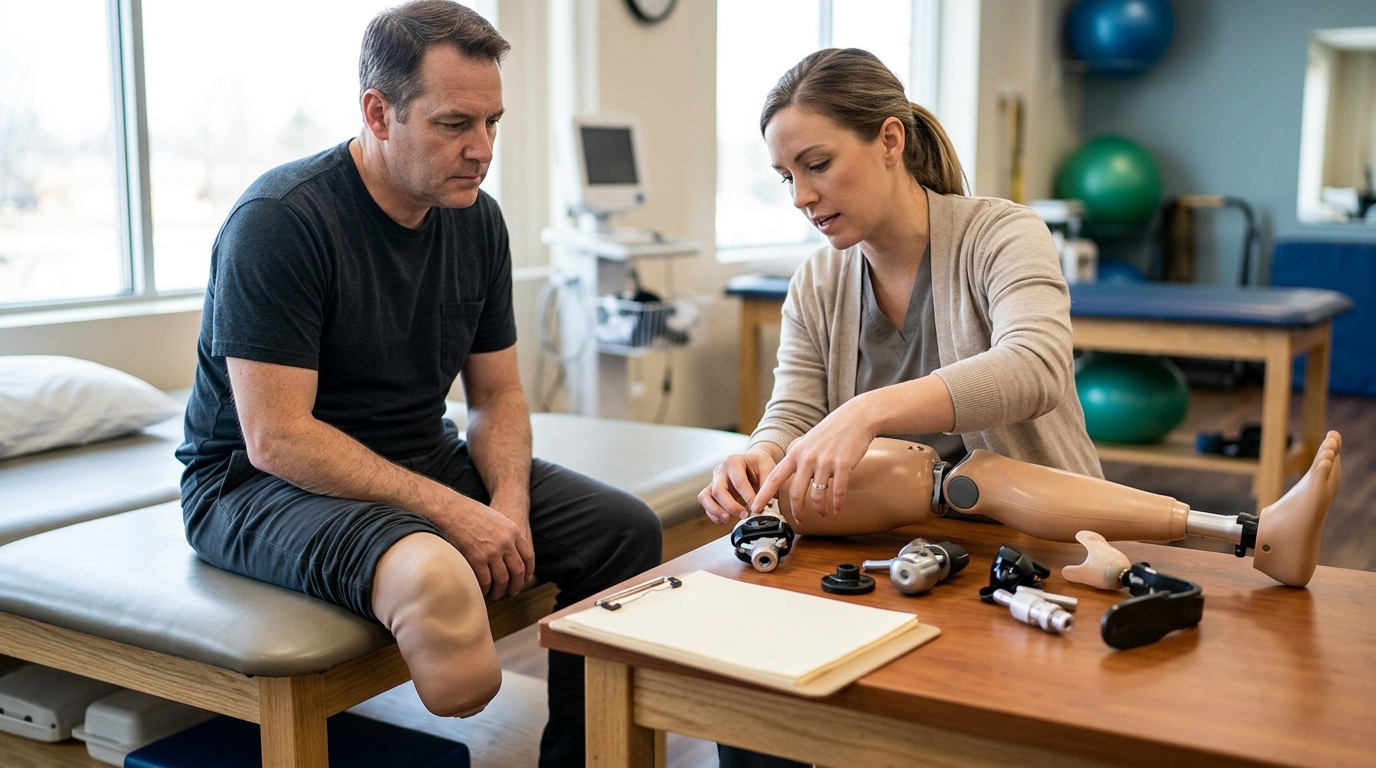
Workers’ compensation prosthetic costs are only one part of the financial picture after a work-related amputation. The device price may include the prosthesis, socket, fitting, alignment, and related components, while the full claim can also include surgeries, hospitalization, physician care, medication, physical rehabilitation, and future maintenance. Indemnity benefits may add wage replacement for time away from work, permanent disability benefits, or other payments required under state law. These costs can continue through repairs, replacement devices, liners, batteries, and changes in the worker’s medical or functional needs.
Industry data reports an average total lost-time claim cost of $125,058 for amputation claims arising from accidents occurring in 2022 and 2023. That figure represents the overall workers’ compensation claim value in the referenced dataset, not the cost of the prosthetic device alone. Actual expenses vary based on the amputation level, device type, treatment complexity, rehabilitation needs, state fee schedules, and negotiated or managed-care rates. Evaluating a claim requires reviewing projected medical and indemnity benefits together rather than relying on a prosthesis price quote by itself.
Documenting Prosthetic Benefits And Estimates
A complete record is essential when evaluating workers’ compensation prosthetic costs and determining whether a device is medically necessary. The file should include medical reports, amputation-level documentation, surgical history, prosthetist recommendations, functional assessments, and rehabilitation plans. These records help connect the requested prosthesis to the workplace injury and show how it supports mobility, independence, or a safe return to work. They should also explain the proposed device type, expected function, clinical rationale, and any special components required for the claimant’s activity level.
An itemized estimate should separate the initial evaluation, casting or scanning, fabrication, fitting, training, and follow-up care from the cost of the prosthesis itself. It may also identify liners, sockets, batteries, maintenance, repairs, and replacement components, which can significantly affect long-term benefits. Because there is no single national workers’ compensation price, estimates may be influenced by the amputation level, device technology, state fee schedules, negotiated rates, and claims administration arrangements. A replacement schedule and lifetime-care projection can help show why a lower initial estimate may not reflect the claimant’s full future medical needs.
Before accepting a limited authorization or responding to a denial, claimants may benefit from reviewing the decision, clinical records, coverage terms, and authorization limits with a qualified professional. That review can identify whether the insurer addressed the recommended device, rehabilitation needs, repairs, and expected replacements, or whether important evidence was overlooked. State-specific workers’ compensation rules may also govern medical necessity, provider disputes, utilization review, and responsibility for future prosthetic care. Understanding these issues early can support a more complete benefits evaluation and place the immediate workers’ compensation prosthetic cost within the broader lifetime cost of amputation care.
Conclusion On Workers Comp Prosthetic Cost
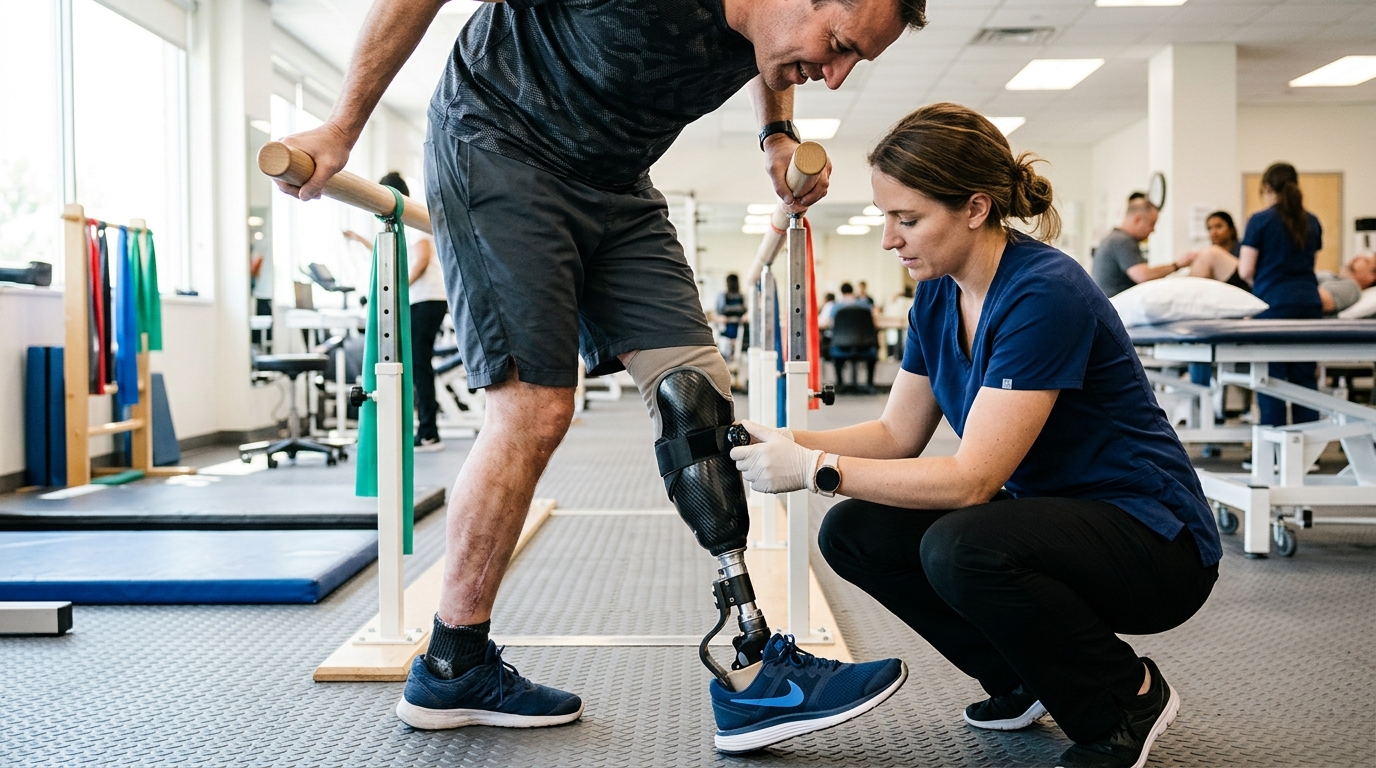
Workers’ compensation prosthetic costs have no single national price because payment depends on the injury and the treatment required. An amputation at the finger, hand, below-knee, above-knee, forearm, or upper-arm level can require very different equipment and rehabilitation. Device technology also affects cost, with cosmetic, body-powered, hydraulic, microprocessor-controlled, and myoelectric options carrying different pricing and maintenance needs. State fee schedules, negotiated rates, insurance arrangements, and managed-care rules may further influence what workers’ compensation pays.
A complete benefits evaluation should address more than the initial prosthesis and fitting. It should also consider rehabilitation, specialist care, replacement sockets and liners, batteries, repairs, future upgrades, and the likelihood of additional prostheses as the device or the worker’s needs change. The evaluation should account for lasting medical limitations, reduced earning capacity, retraining, and other vocational consequences of the work-related amputation. Understanding these factors helps ensure that a workers’ compensation claim reflects the injury’s long-term financial and practical impact, not simply the first equipment invoice.
Understanding Workers’ Comp Prosthetic Costs
Workers’ compensation prosthetic costs do not follow one national price because payment depends on the amputation level, device type, clinical complexity, and state fee schedule or negotiated rate. A cosmetic or body-powered device may have different pricing and coverage requirements than a myoelectric or microprocessor-controlled prosthesis. The claim may also include evaluation, initial fitting, rehabilitation, replacement sockets, liners, batteries, repairs, and future adjustments. These related expenses can make the long-term value of medical benefits more important than the price of the first device alone. Industry data indicates that amputation claims averaged $125,058 in total lost-time claim costs for accidents occurring in 2022 and 2023, although individual results vary significantly.
Because coverage decisions and settlement calculations can affect access to necessary prosthetic care, review the claim carefully before accepting an offer or agreeing to close medical benefits. Confirm that the medical records describe your current needs, expected replacements, rehabilitation, and likely future complications, and check whether the insurer has applied the correct state rules and payment limits. If a denial, low valuation, or missing expense raises concerns, a qualified claim reviewer or workers’ compensation professional can help identify documentation gaps and potential errors in the claim file. This review can help determine whether your workers’ compensation benefits adequately address prosthetic costs and related needs.
Frequently Asked Questions
1. What is the typical workers comp prosthetic cost?
There is no single national price for a workers’ compensation prosthesis. Cost depends on the amputation level, prosthesis type, clinical complexity, activity level, rehabilitation needs, and the state fee schedule or negotiated provider rate.
2. What factors affect the cost of a workers’ compensation prosthesis?
The main factors include whether the prosthesis is cosmetic, mechanical, myoelectric, or microprocessor-controlled, along with the materials and technology used. Surgery, hospital care, physician visits, fitting, physical therapy, and other amputation-related treatment can also increase the total claim cost.
3. Does workers’ compensation cover prosthetic devices after a work-related amputation?
Workers’ compensation may cover a medically necessary prosthesis and related treatment when the amputation is connected to a compensable workplace injury. Coverage and authorization requirements vary by state, so review the applicable workers’ compensation rules, medical guidelines, and claim decisions.
4. Does workers’ compensation pay for prosthetic repairs and replacement parts?
Benefits may include necessary repairs, replacement sockets, liners, batteries, components, and adjustments when they are medically necessary and related to the work injury. Keep records of wear, changes in your condition, repair needs, and provider recommendations to support requests for ongoing care.
5. Are rehabilitation and vocational services included in the total prosthetic claim?
They can be, because recovery often requires physical rehabilitation, prosthetic training, follow-up care, and sometimes vocational support. These services are separate from the device itself but may be essential for safe mobility, returning to work, or adapting to new job duties.
6. How much can a serious amputation workers’ compensation claim cost overall?
The total claim can be substantially higher than the prosthesis price because it may include lost wages, medical treatment, rehabilitation, and future care. Industry data reports an average of $125,058 in total lost-time claim costs for amputation accidents occurring in 2022 and 2023, although individual claims vary widely.
7. What should you do if the insurer denies or limits prosthetic treatment?
Request the denial or limitation in writing and ask your treating physician or prosthetist to document why the recommended device, repair, or service is medically necessary. You should also review the appeal deadlines and consider consulting a workers’ compensation professional familiar with your state’s procedures.
8. How can you plan for future workers’ compensation prosthetic expenses?
Ask your medical team to identify expected replacement intervals, maintenance needs, component changes, and future rehabilitation requirements. Include these anticipated expenses in treatment planning because prostheses wear out, body changes can affect fit, and your functional needs may change over time.

