
CPT 97750 describes a physical performance test or measurement, such as musculoskeletal or functional capacity testing, that includes a written report and is billed in 15-minute units. The Centers for Medicare & Medicaid Services lists the descriptor as “Physical performance test or measurement (eg, musculoskeletal, functional capacity), with written report, each 15 minutes.” The code reports a service that was performed, not a diagnosis, so it can appear on a report that measures how well an injured worker performs specific physical activities. The test is separate from any treatment that follows it.
Key Takeaways
- A 97750 charge needs at least 8 minutes beyond full 15-minute units before a final extra unit can be billed.
- Routine range-of-motion checks alone cannot support a 97750 charge without a specific performance test behind them.
- Medicare generally bars billing 97750 on the same day as a physical or occupational therapy evaluation by one practitioner or the same specialty.
- Texas requires modifier FC on a functional capacity evaluation billed with 97750 under 28 Texas Administrative Code §134.225.
What Does CPT 97750 Measure?
Physical performance testing under CPT 97750 measures how well a person carries out a specific physical activity or group of activities. The descriptor covers musculoskeletal and functional capacity testing, and the service ends with a written report. It is billed in 15-minute units.
The code applies to several kinds of tests. Isokinetic testing uses a machine to measure muscle strength while a limb moves at a controlled speed. A functional capacity evaluation looks at work-related tasks, such as lifting a load from the floor, carrying it, or reaching overhead. The Tinetti test checks balance and walking, which can matter when an injury affects how someone moves through daily life.
In plain terms, the test answers a practical question: can this person perform the activity, and how well? A report might show how much weight a worker can lift from waist height or how steadily someone stands on one leg. These findings describe performance at the time of testing. They do not name a diagnosis, and any therapy that follows is billed as a separate service.
How Is 97750 Different From a Diagnosis or Treatment Code?

A diagnosis code names the medical condition, while 97750 reports a test that measured how well a person performs a physical activity. One answers what is wrong. The other records what the person can do at the time of testing.
Therapy evaluation codes cover a broader review. A physical or occupational therapy evaluation or re-evaluation includes clinical findings, a therapy diagnosis, a prognosis, and a treatment plan. Physical performance testing is narrower. It focuses on the patient’s performance of a specific activity or group of activities, such as lifting a box from the floor or walking a set course with balance checks.
Treatment that follows the test is a separate service. Therapy sessions, exercise programs, and other care are billed under their own treatment codes, with their own documentation. A single claim can therefore include a diagnosis code for the injury, a 97750 line for the test, and treatment codes for care delivered afterward. Each line reports a different event, so they are not duplicates of one another.
What Documentation Supports a 97750 Charge and What Does Not Count
A report that supports a 97750 charge should contain three elements:
- the problem that required the test,
- the specific test performed, such as an isokinetic test or a functional capacity evaluation,
- a separate measurement report with the test results.
The first element links the test to a reason. Without it, a reader cannot tell why an injured worker was measured in the first place. The second element makes the activity under review clear, so a lifting test and a balance test do not blur together.
The measurement report can include interpreted graphic output. A torque curve from an isokinetic machine, for example, shows how force changed through a movement, and the written interpretation explains what that curve means for the worker’s ability to perform the activity. A graph with no explanation gives a reader much less to work with.
Some routine checks do not qualify. Range-of-motion measurements and manual muscle testing taken at the start of care, or repeated as a patient moves through treatment, are not meant to be billed as 97750. A report that contains only those measurements, with no specific performance test behind them, does not match the code’s description.
Can 97750 Be Billed on the Same Day as an Evaluation?
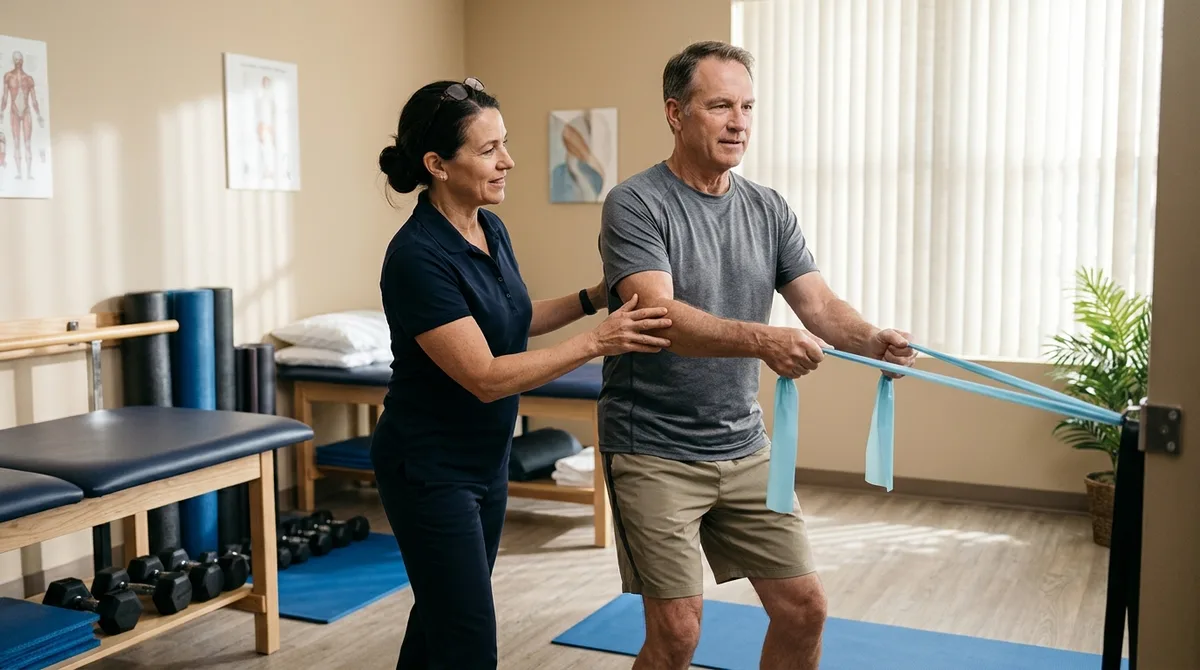
Generally not, if the same date includes a physical or occupational therapy evaluation or re-evaluation performed by one practitioner or by practitioners of the same specialty. Medicare’s National Correct Coding Initiative Policy Manual treats 97750 as a service that is not separately reportable alongside those evaluation codes in that situation.
Manual therapy is handled differently. Medicare’s April 2026 guidance on modifiers says 97750 and manual therapy code 97140 may be reported separately with modifier 59, which tells the payer the two services are distinct from each other. That option applies only when each service was performed in a distinctly different time block. If both procedures occurred within the same time block, modifier 59 does not allow them to be billed separately.
Other codes billed on the same date can also raise overlap questions under payer rules, so a report that lists several codes together deserves a closer look at the dates and times recorded for each one.
Payer policies can differ from Medicare rules. A workers’ compensation carrier or a state’s fee rules may treat a same-day combination differently than Medicare does. The policy of the payer named on a given claim governs how those lines are paid, so the Medicare manual is a useful reference point rather than the final word.
How Many Units of 97750 Can Be Billed?
Each unit of 97750 covers 15 minutes of testing, and the number of units billed depends on how long the test actually ran. The CMS outpatient therapy documentation guidance says a single 15-minute timed service generally needs at least 8 minutes to bill one unit.
For longer services, the final unit may be billed when at least 8 additional minutes are provided beyond the full 15-minute units. Consider a functional capacity evaluation that runs 37 minutes. Two full units cover the first 30 minutes, and the remaining 7 minutes falls short of the 8-minute threshold, so two units would be the count. If the same evaluation ran 38 minutes, the remaining 8 minutes would support a third unit.
The start and stop times recorded in the report support the unit count. A note that says the test took “about an hour” gives a reviewer nothing to check the units against. A record showing when the test began, when it ended, and which activities filled that time lets a reviewer match the billed units to the minutes actually spent.
Do Workers’ Compensation Rules for 97750 Vary by State?
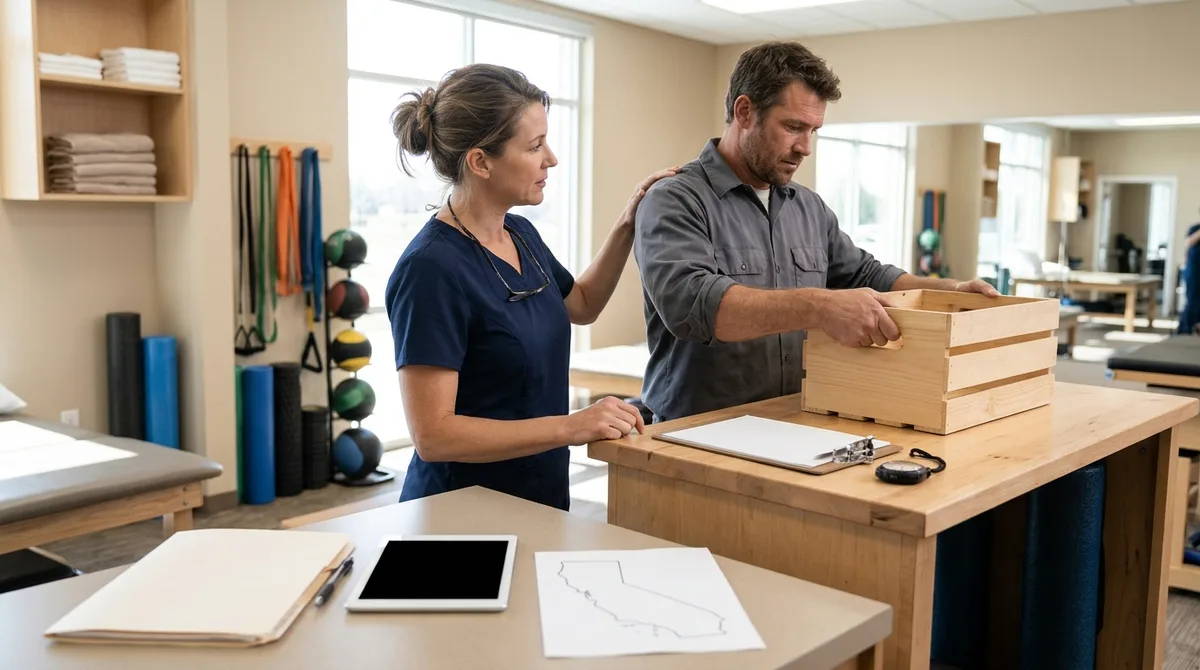
Yes. Each state sets its own workers’ compensation rules, so the same 97750 line can be limited, modified, or paid differently depending on where the claim is handled.
Texas is a clear example. Under 28 Texas Administrative Code §134.225, a functional capacity evaluation billed with 97750 must carry modifier FC. The same rule limits reimbursement to three FCEs per compensable injury, but FCEs ordered by the Division are excluded from that limit. Time caps also apply: 4 hours for an initial or Division-ordered test, 2 hours for an interim test, and 3 hours for a discharge test unless it is the initial test.
Fee amounts follow a separate calculation. In a Texas fee dispute over a January 6, 2026 service in Dallas, the Division calculated a maximum allowable reimbursement of $73.19 for the first 97750 unit and $426.71 for eight subsequent units, or $499.90 in total. The figures were built from 2025 Medicare participating amounts and the 2026 Texas conversion factor, so a state fee schedule can rely on federal values while applying its own conversion factor.
Minnesota takes a different approach to scope. Minnesota Administrative Rules §5221.4050 identifies isokinetic strength testing, comprehensive muscle-strength or joint-range-of-motion testing, and functional capacity evaluations as examples associated with 97750. The word “comprehensive” matters here, since it points to full testing rather than the routine checks that CMS guidance excludes.
Payer policies also change over time, so the version in effect on the date of service matters. A rule that governed a 2025 visit may have been replaced by the time a report is reviewed, and the same test billed on different dates can fall under different limits.
What to Do If a 97750 Test Appears in Your Claim
When a 97750 line appears on a report, start with the test report itself. Confirm that it names the specific test, such as a functional capacity evaluation, and states the problem that required it. Check the start and stop times too, since they determine how many units were billed.
Then ask the treating provider or the claims contact how the test fits into the treatment plan. A clear answer should explain whether the results will guide therapy, a work restriction, or a later evaluation.
Keep the following together in one dated file:
- every test report and any written measurement results
- every bill and explanation of benefits that lists 97750
- notes of who you spoke with and when
Questions about a specific claim or a coverage decision belong with a licensed attorney in your area.
Next Steps If a 97750 Test Appears in Your Claim
Start by building a simple comparison sheet with three columns: the date of service, the number of 97750 units billed, and the minutes recorded in the test report. If the report lists start and stop times, calculate the total minutes and check whether the unit count matches. Also look for a physical or occupational therapy evaluation on the same date, since that same-day combination is the one the Medicare rules discussed above address.
If the numbers do not line up, send a written request to the treating provider asking for the complete test record and an explanation of how the units were counted. A written request creates a dated record that a phone call does not, so keep a copy in your file.
Then ask the claims adjuster which fee schedule and which state rules the carrier applied to the 97750 line, and request that answer in writing as well. Compare the reply with the explanation of benefits for the same date of service. Note any gap, along with the date you raised it, so you can follow up at your next claim contact.
Frequently Asked Questions
1. Is CPT 97750 a physical therapy or occupational therapy code?
CPT 97750 is not restricted to one therapy discipline, and both physical therapists and occupational therapists may report it when they perform a physical performance test. The code describes the type of service, a measured test of how a person performs physical activities, rather than the profession that performs it. Which discipline can bill it depends on the payer’s rules and the credentials of the clinician who performed the test.
2. Can an injured worker ask for a copy of a functional capacity evaluation report?
Injured workers can generally request a copy of a functional capacity evaluation report from the treating provider or the claims contact. Putting the request in writing is a practical way to keep a record of when it was made. Whether the report must be released on request, and within what timeframe, depends on the state’s workers’ compensation rules, so questions about a specific claim should go to a licensed attorney in your area.
3. Who decides whether a functional capacity evaluation is needed in a workers’ compensation claim?
In most claims, the treating provider recommends a functional capacity evaluation based on the injury and the work demands involved. The workers’ compensation carrier then decides whether to authorize and pay for the test, following the rules of the state where the claim is handled. Because approval processes differ by state and by payer, the steps for a given claim are best confirmed with the claims adjuster and a licensed attorney in your area.