An unexpected accident is stressful, but suffering an out of state injury adds a daunting layer of legal and logistical complexity. Far from home, you are suddenly forced to manage unfamiliar roads, different insurance regulations, and a foreign healthcare system. Rising medical costs and the nuances of local statutes mean that a single mistake in the days following your accident can jeopardize your entire recovery.
Understanding the jurisdictional rules of the state where the incident occurred is critical to protecting your rights. Each state operates under its own timeline, with statutes of limitations that can vary from one year to several, regardless of the laws in your home state. By mastering the intersection of local laws and modern digital evidence, you can effectively manage your claim and ensure that crossing state lines does not prevent you from receiving fair compensation.
Key Takeaways
- The state where an accident occurs typically governs the statute of limitations, which can be as short as one year, making immediate filing in the correct jurisdiction critical to preserving your rights.
- Injured workers often have the option to choose between the jurisdiction of their home state or the state where the accident occurred, allowing for a strategic selection of the most favorable benefits and disability ratings.
- Insurance broadening clauses serve as a vital financial safety net by automatically increasing policy limits to meet the higher mandatory minimums of the state where the accident took place.
- Negligence standards vary significantly by state, meaning a claim that is barred in a contributory negligence jurisdiction may still have substantial financial value in a comparative negligence state.
Determining Jurisdiction For Out Of State Injury Claims
Determining the correct jurisdiction for an out of state injury claim requires a meticulous analysis of where the employment relationship was legally established. In many instances, the state where you signed your initial contract of hire maintains jurisdiction over your claim, even if the actual accident occurred hundreds of miles away. This is a critical distinction because the benefits, medical coverage limits, and permanent disability ratings can vary drastically from one state to another. A specialist must evaluate whether your home state laws offer more robust protections than the laws of the state where the injury took place. Failing to identify the most favorable filing location early in the process can lead to significantly lower compensation or the loss of specific vocational rehabilitation rights.
The complexity increases when the state where the accident occurred also claims authority over the case based on the location of the incident. This creates a dual jurisdiction scenario where an injured worker might have the option to choose between two different sets of legal frameworks. Factors such as current statutes of limitations and the specific insurance regulations of each state must be weighed against the technological evidence available, such as dash cam footage or electronic logging devices. Because some states have filing windows as short as one year while others allow up to three years, the timing of your filing is just as important as the location. Selecting the right venue ensures that you are not barred from seeking damages due to a technicality while maximizing the potential for a full recovery.
Comparing Negligence Standards And Benefit Maximums Across Borders
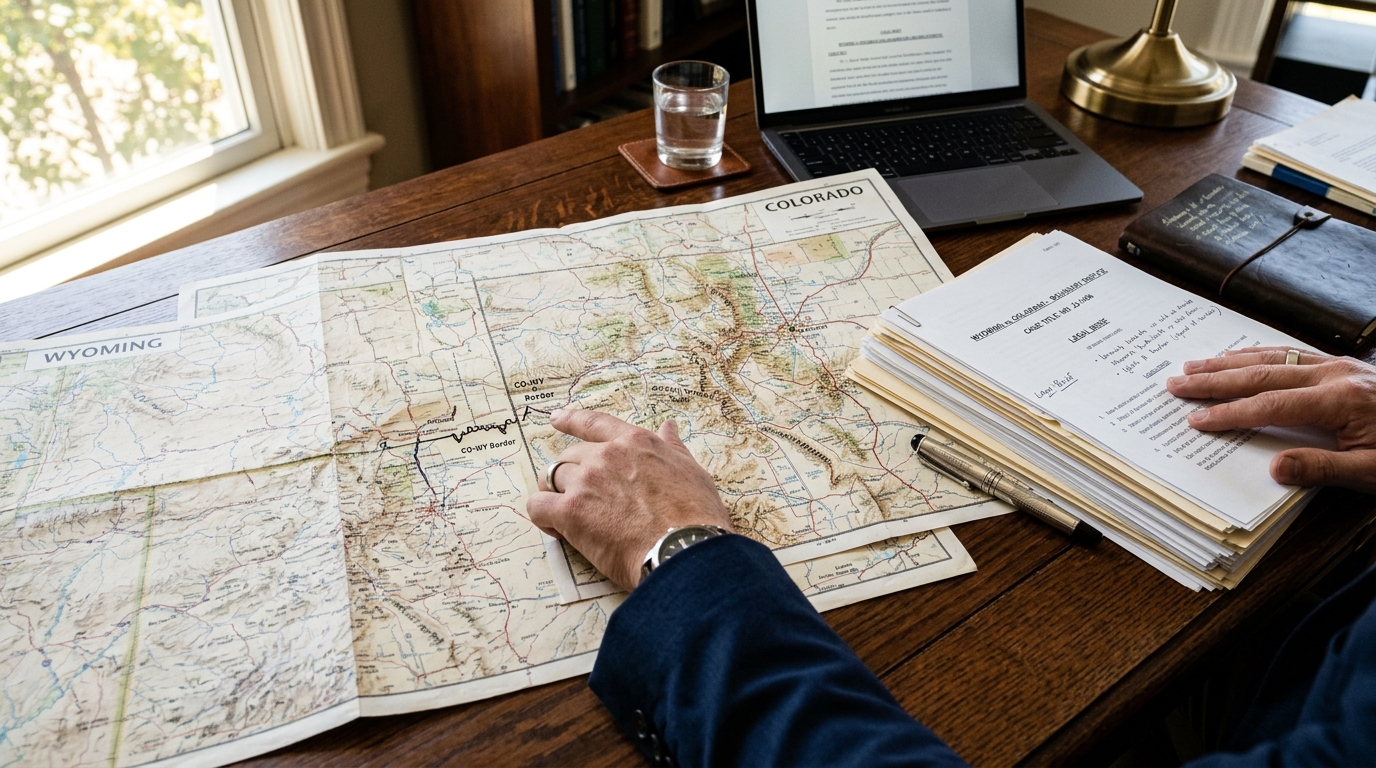
Managing the legal aftermath of an injury that occurs across state lines requires a strategic analysis of how different negligence standards define fault. In a contributory negligence state, even a minor degree of personal responsibility can completely bar an injured worker from recovering any compensation at all. This stands in stark contrast to comparative negligence states, where a settlement is simply reduced by the individual’s percentage of fault. For employees traveling for work, choosing the correct forum for a claim is not just a procedural step, but a decision that can determine whether a case has any financial value.
The potential recovery for an out of state injury is also heavily influenced by the specific benefit maximums and damage caps established by each state legislature. Some states impose strict limits on non-economic damages, such as pain and suffering, while others allow for uncapped recovery based on the severity of the harm. Furthermore, workers compensation rates and medical reimbursement schedules vary significantly from one border to the next. Identifying the state with the most favorable laws regarding these maximums is essential for ensuring that an injured professional receives the full scope of support they are entitled to.
Jurisdictional complexity increases when considering which state has the authority to hear a case and which laws will ultimately apply to the settlement negotiations. While the laws of the state where the accident occurred typically govern the standard of care, the contract of employment might allow for filing in a home state with better benefits. This intersection of personal jurisdiction and choice of law rules creates a high stakes environment for anyone injured while working away from home. Securing professional legal services that understand these cross border nuances is the most effective way to maximize a settlement and avoid the pitfalls of restrictive local statutes.
Impact Of Insurance Broadening Clauses On Interstate Accidents
When an employee is injured while working across state lines, determining which insurance limits apply can be a source of significant confusion. Many commercial insurance policies include what is known as a broadening clause, which is a critical provision designed to protect both the employer and the employee in unfamiliar jurisdictions. This clause typically ensures that if an accident occurs in a state with higher mandatory liability or workers’ compensation minimums than the home state, the policy automatically scales up to meet those legal requirements. Understanding this mechanism is vital for injured workers because it prevents a gap in coverage that could otherwise leave medical bills or lost wages unpaid.
The jurisdictional complexities of interstate accidents mean that the location of the injury often dictates the financial recovery available. Because statutes of limitations and negligence laws vary so drastically between states, the broadening clause serves as a financial safety net that bridges these legal disparities. For example, if your home state requires lower coverage but the state where you were injured mandates a more robust policy, the broadening clause forces the insurer to honor the higher standard. This shift can significantly impact the total value of a claim, making it essential to investigate the specific policy language immediately after an out of state incident occurs.
Handling these claims requires a strategic look at how different state laws interact with your employer’s specific insurance contract. Since technological evidence like dash cams and electronic logging devices is now standard, insurers often use this data to quickly determine which state’s regulations take precedence. For those in the transportation industry, reviewing a workers’ comp for truck drivers guide can provide additional clarity on how these interstate policies function in practice. An injured worker must be proactive in identifying which jurisdiction offers the most favorable filing conditions while ensuring the broadening clause is correctly triggered. Failing to account for these automatic policy adjustments could result in settling for far less than the law of the accident state actually requires.
Managing Statutes Of Limitations In Different Legal Jurisdictions

The legal timeline for an out of state injury requires an immediate understanding of the specific statutes of limitations in the jurisdiction where the accident occurred. While your home state might offer a generous three year window to file a claim, the state where the incident took place could have a much stricter one year deadline. Missing this critical filing date effectively terminates your right to seek compensation, regardless of the severity of your injuries or the clarity of the defendants liability. For employees traveling across state lines, this complexity doubles as you must determine how long you have to file a claim under workers compensation rules or traditional personal injury litigation. Professionals must act quickly to secure evidence and establish the correct legal venue before these rigid clocks expire.
Determining the most advantageous jurisdiction is a strategic necessity for anyone injured while working or traveling away from home. Different states utilize varying negligence standards, such as comparative or contributory negligence, which can drastically alter the final settlement amount you receive. Courts are increasingly relying on digital evidence and state specific insurance regulations that may favor the plaintiff in one region while posing hurdles in another. By identifying which state holds personal jurisdiction over the defendant, you can better position your case to maximize available benefits and medical coverage. A proactive approach to jurisdictional assessment ensures that you are not just filing on time, but filing in the location that offers the strongest legal protections for your specific situation.
Choosing the Optimal Jurisdiction for Your Claim
An out of state injury requires a sophisticated understanding of how different jurisdictions interact, especially when you are caught between the laws of your home state and the state where the incident occurred. Determining which state offers the most favorable filing location is a critical decision that can significantly impact the total value of your claim and your access to specific benefits. Because statutes of limitations and liability rules vary wildly across state lines, acting quickly to secure a jurisdictional analysis is essential for any employee injured while traveling. Modern factors like rising medical costs and the use of digital evidence further complicate these cases, making professional guidance indispensable for those working across state borders.
The complexity of these claims often hinges on whether you should file in the state of your employment contract or the state where the injury actually took place. This choice involves balancing different medical fee schedules, permanent disability ratings, and the specific rules governing how insurance carriers interact with injured workers. Failing to identify the correct jurisdiction can lead to missed deadlines or lower settlement offers that do not reflect the true cost of your recovery. Understanding these nuances ensures that you do not leave money on the table or lose your right to pursue a claim entirely due to a technicality regarding state boundaries.
Securing your financial future after a cross-border accident starts with understanding the true value of your claim within the appropriate legal framework. Many workers feel pressured to accept the first offer they receive, but you must ensure that every aspect of your long term care is fully covered. To gain a better perspective on your current situation, we encourage you to learn more about how to evaluate your claim by reading our resource, Is Your Workers Compensation Settlement Offer Fair? (2025 Guide). This information is designed to help you achieve your goals and ensure you receive the maximum support allowed by the governing state laws.
Frequently Asked Questions
1. Which state’s laws apply if I am injured while traveling?
The laws of the state where the accident occurred generally govern the rules of the road and the statute of limitations for your claim. However, if your injury is work related, the state where you signed your employment contract may also have jurisdiction over your benefits.
2. How long do I have to file a claim for an out of state injury?
You must adhere to the statute of limitations in the state where the incident took place, which can range from one to several years. Missing this specific local deadline will permanently bar you from seeking compensation, regardless of the laws in your home state.
3. Can I file my claim in my home state instead of where the accident happened?
You can only file in your home state if there is a legal basis for jurisdiction, such as a pre-existing employment contract or a company’s significant business presence there. A specialist must evaluate which state offers more robust medical coverage and disability ratings before you commit to a filing location.
4. What should I do immediately after an accident in a different state?
You should prioritize seeking local medical attention and documenting the scene with digital evidence like photos and witness contact information. Because you are in an unfamiliar area, securing this evidence immediately is vital since you cannot easily return to the location later.
5. Will my insurance cover medical treatments received out of state?
Most insurance policies provide coverage for emergency out of state care, but long term rehabilitation may be subject to different regulations and provider networks. You must understand the intersection of local statutes and your specific policy to ensure your rising medical costs are fully managed.
6. Why is it important to identify the correct jurisdiction early?
Identifying the most favorable jurisdiction early prevents you from being stuck with lower compensation or losing vocational rehabilitation rights. Different states have vastly different limits on medical benefits and permanent disability ratings, making the initial choice critical to your recovery.