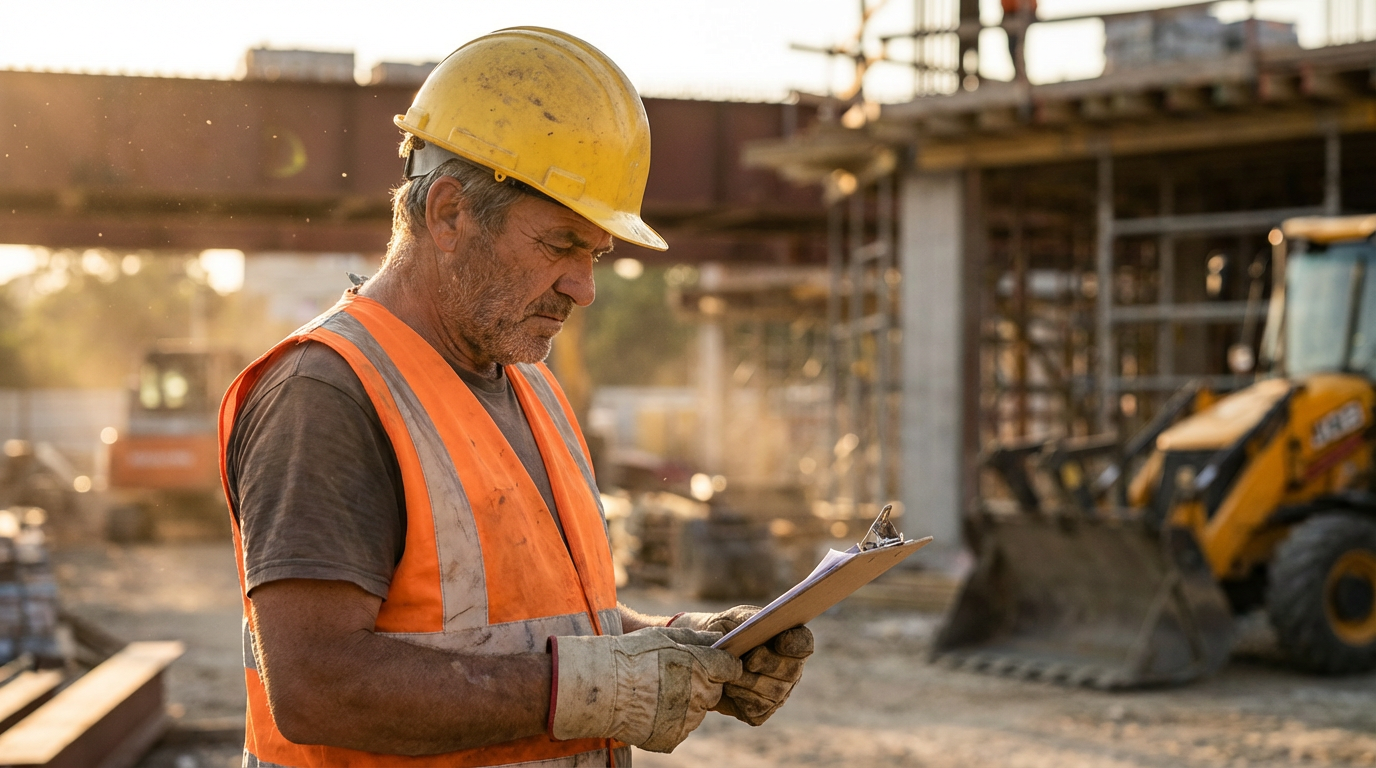
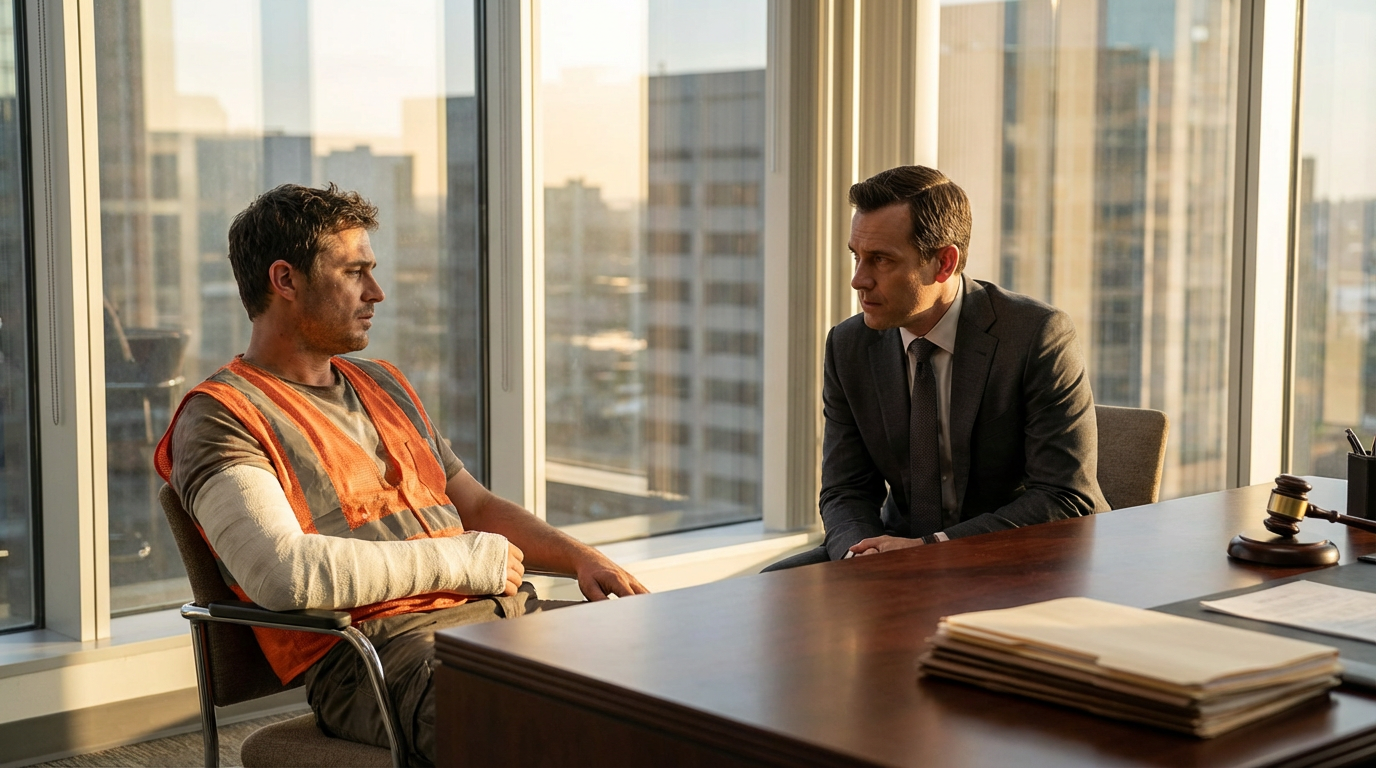
A single moment of negligence in a warehouse or on a construction site can result in a lifetime of physical and financial hardship. With nearly 11% of all operational forklifts involved in accidents annually, the risk to workers remains high through 2025. If you or a loved one has suffered a crush injury or fracture due to a tip-over or mechanical failure, securing a dedicated forklift accident injury lawyer is a critical step toward protecting your future. You deserve professional legal services from an advocate who understands the complexities of workplace safety regulations and the true cost of recovery.
The path to compensation has become increasingly complex as regulatory standards for documentation and safety protocols tighten. Serious injuries often require weeks of recuperation and can lead to permanent disability, leaving families to grapple with mounting medical bills and lost wages. Navigating these legal hurdles requires a strategic approach that prioritizes high-value settlements for victims of employer or manufacturer negligence. Taking swift action ensures that your rights are preserved and that those responsible for unsafe conditions are held fully accountable.
Key Takeaways
- Standard workers’ compensation rarely covers the full scope of catastrophic forklift injuries, making it essential to pursue third-party claims against manufacturers or subcontractors for non-economic damages like pain and suffering.
- Identifying liability requires a forensic analysis of OSHA violations, maintenance logs, and operator certifications to prove that a site manager or manufacturer prioritized productivity over safety protocols.
- Calculating the true value of a claim must account for long-term impacts, including permanent disability, future loss of earning capacity, and the lifetime costs of medical rehabilitation.
- Immediate legal intervention is critical to preserve rapidly changing evidence, such as black box data and maintenance records, before they are altered or lost by negligent parties.
Navigating Complex Industrial Liability And OSHA Violations
Identifying liability in a forklift accident requires a specialized understanding of both heavy machinery mechanics and the stringent regulatory framework governing industrial environments. A dedicated forklift accident injury lawyer meticulously examines warehouse safety protocols and equipment maintenance logs to pinpoint where a company failed in its duty of care. These cases often involve high stakes because the weight and power of industrial lifts lead to catastrophic, life-altering injuries. By investigating whether the machinery was properly serviced and if operator certifications were current, legal counsel can build a robust case for negligence. This level of forensic analysis is essential for securing the high-value compensation that victims of industrial accidents deserve.
Navigating the complexities of OSHA forklift operation standards is a cornerstone of successful heavy machinery litigation. When a tip-over or pedestrian strike occurs, a lawyer looks for specific violations such as inadequate floor markings, lack of spotters, or failure to enforce load capacity limits. These regulatory breaches serve as powerful evidence that a site manager prioritized productivity over worker safety. Stricter documentation requirements mean that missing inspection records can be a deciding factor in a claim. Specialized legal representation ensures that every technical detail, from hydraulic failure to improper driver training, is leveraged to hold negligent parties accountable.
Pursuing Third-Party Claims Beyond Workers Compensation
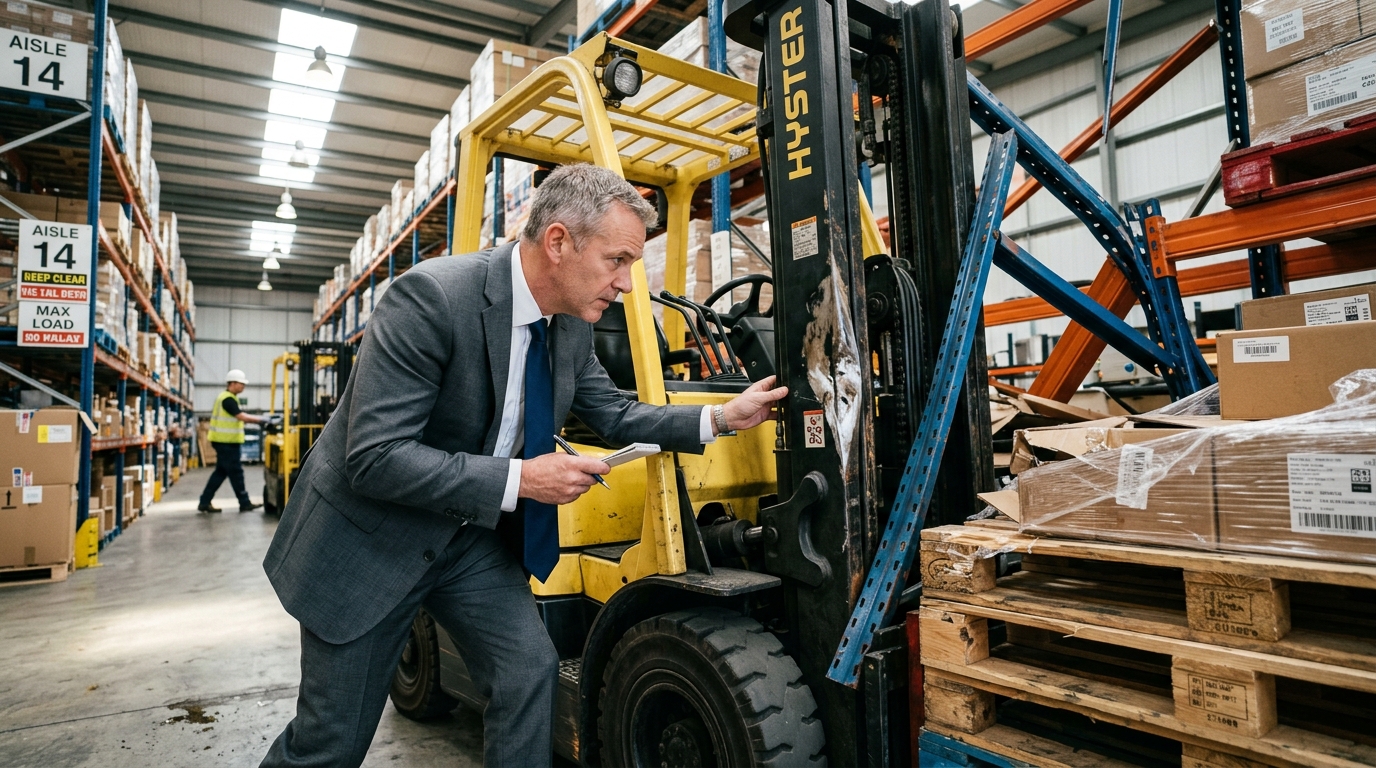
While workers compensation provides a basic safety net for medical bills and lost wages, it rarely covers the full scope of a catastrophic forklift injury. A skilled forklift accident injury lawyer looks beyond these standard benefits to identify third-party liability that can significantly increase the value of a claim. These high-value cases often focus on heavy machinery litigation, where parties other than the employer are held accountable for their role in the incident. By targeting external entities, victims can pursue non-economic damages like pain and suffering, which are typically unavailable through traditional workplace insurance.
Mechanical defects and design flaws are frequent catalysts for devastating warehouse accidents, particularly involving equipment tip-overs or brake failures. When a forklift is manufactured with a faulty component or lacks necessary safety features, the manufacturer can be held strictly liable for the resulting harm. Legal experts analyze maintenance logs and engineering reports to prove that a product was inherently dangerous before it reached the job site. This specialized approach ensures that corporations are held responsible for putting profit over operator safety.
Subcontractors and site managers also bear responsibility for maintaining a safe environment, especially on complex industrial projects. If a separate logistics firm or maintenance contractor failed to secure the area or improperly serviced the machinery, they may be liable for any injuries that occur. A thorough investigation can reveal negligence by these third parties, such as failing to clear pedestrian walkways or ignoring critical repair requests. Pursuing these specific avenues of litigation allows injured workers to secure the comprehensive financial recovery needed for long-term rehabilitation and permanent disability.
Quantifying Long-Term Damages For Crush Injuries
Calculating the true cost of recovery requires a sophisticated understanding of both medical prognosis and industrial litigation standards. When a heavy forklift causes a catastrophic injury, the immediate hospital bills represent only a small fraction of the total financial impact. A specialized lawyer works with medical experts to project the costs of lifelong physical therapy, prosthetic maintenance, and potential home modifications. These experts also account for the psychological toll of permanent disability, ensuring that non-economic damages like pain and suffering are accurately reflected in the claim. By analyzing the specific mechanics of the machinery involved, legal teams can build a comprehensive valuation that covers every facet of the victim’s new reality.
The loss of future earning capacity is often the most significant component of a high-value industrial accident claim. If a worker can no longer operate heavy machinery or return to the warehouse floor, the financial trajectory of their entire life is permanently altered. Legal professionals utilize vocational experts and economists to calculate the total wages, benefits, and retirement contributions lost over the remainder of the victim’s expected career. This process involves adjusting for inflation and career advancement opportunities that would have been available if the accident had never occurred. Securing this compensation is essential for providing long-term financial stability for families facing the sudden end of a primary income stream.
Navigating the complexities of heavy machinery litigation requires an aggressive approach to documenting the severity of crush injuries. Because forklift accidents often result in permanent nerve damage or limb loss, the legal strategy must focus on the permanence of the harm rather than just the initial recovery period. Experienced attorneys gather evidence from current safety standards to demonstrate how a company’s negligence led to life-altering consequences. This detailed documentation allows for the pursuit of maximum compensation through settlements or jury awards. Ultimately, quantifying these damages ensures that the responsible parties are held accountable for the full scope of the victim’s physical and financial losses.
Why You Need a Specialized Forklift Injury Attorney
Securing expert legal representation is the most critical step an industrial worker can take following a devastating heavy machinery accident. Many victims wonder is an industrial accident lawyer worth the cost when facing mounting bills, but professional representation often leads to significantly higher settlements. A specialized forklift accident injury lawyer understands that these cases often involve complex litigation against equipment manufacturers and negligent third parties rather than simple insurance claims. Given that tip-overs and pedestrian strikes account for the majority of fatalities and serious crush injuries, an attorney with deep niche expertise is essential for identifying specific safety violations. These professionals work to ensure that victims receive the high-value compensation required to cover long-term medical care and permanent disability.
Acting quickly to preserve evidence is vital because industrial work sites change rapidly and critical digital data can be lost. An experienced legal team will immediately secure maintenance logs, operator training records, and black box data before they are altered or erased by an employer. Physical evidence from the scene and witness testimonies are most accurate when gathered in the immediate aftermath of the incident. This proactive approach prevents defense teams from shifting blame onto the injured worker and protects your right to a full recovery.
Navigating the aftermath of a workplace injury requires a clear understanding of your financial future and the legal path ahead. Determining whether an insurance company is offering a settlement offer fair enough to reflect your lifetime of lost wages and medical needs is often the biggest challenge for victims. To ensure you are not being undervalued by insurance adjusters, finding the best workers comp lawyers can help you gain the clarity needed to move forward with confidence while your legal team builds a robust case for maximum compensation. Taking this step will help you protect your financial interests and ensure your long-term needs are met.
Frequently Asked Questions
1. How common are forklift accidents in industrial workplaces?
Recent data indicates that nearly 11 percent of all operational forklifts are involved in an accident each year. These statistics highlight a high risk for warehouse and construction workers through 2025.
2. What are the most common causes of serious forklift injuries?
Most catastrophic injuries result from vehicle tip-overs, mechanical failures, or crushing incidents caused by negligence. These events often stem from a lack of equipment maintenance or a failure to follow strict safety protocols.
3. Who can be held liable for my forklift accident injuries?
Liability may fall on an employer for failing to maintain a safe environment or on a manufacturer if the machinery suffered a mechanical defect. A specialized lawyer will examine maintenance logs and operator certifications to pinpoint exactly where the duty of care was breached.
4. How do OSHA violations impact my personal injury case?
Proving a violation of OSHA safety standards serves as powerful evidence of employer negligence in your legal claim. Forensic analysis of safety protocols and warehouse documentation helps build a robust case for high-value settlements.
5. What types of compensation can I recover after an industrial lift accident?
You are entitled to seek compensation for mounting medical bills, lost wages from weeks of recuperation, and long-term disability. Legal action ensures that the parties responsible for unsafe conditions are held fully accountable for your financial and physical recovery.
6. Why is it important to hire a lawyer immediately after a workplace injury?
The path to compensation is increasingly complex due to tightening regulatory standards and documentation requirements. Taking swift action preserves your rights and allows your legal advocate to secure critical evidence before it is lost or altered.
7. What should I do if my injury leads to a permanent disability?
If your injury results in life-altering changes, you must secure a legal advocate who understands the true, long-term cost of recovery. A strategic approach is necessary to ensure your settlement covers a lifetime of physical and financial hardship.