A serious welding accident can derail your career and financial stability in an instant, leaving you with mounting medical bills and an uncertain future. Determining exactly what a welding injury claim is worth depends on several critical factors, including the severity of your physical trauma and the specific legal path you take, such as workers’ compensation or a personal injury lawsuit. As of 2024 through 2026, settlement values fluctuate significantly, often ranging from $20,000 for minor incidents to well over $1,000,000 for life-altering accidents.
The true value of your case is ultimately tied to the long-term impact the injury has on your ability to work and your quality of life. Minor burns or temporary vision issues may fall on the lower end of the spectrum, while catastrophic injuries requiring lifelong care command much higher figures. Understanding the nuances of state laws and the extent of your medical needs is essential for securing the maximum compensation you deserve.
Key Takeaways
- Welding injury settlements are categorized into tiers based on severity, ranging from $5,000 for minor burns to over $1,000,000 for catastrophic, life-altering accidents like permanent vision loss or chronic respiratory illness.
- Pursuing a third-party personal injury lawsuit against negligent equipment manufacturers or subcontractors often yields significantly higher compensation than a standard workers’ compensation claim, which is typically capped and excludes pain and suffering.
- The total value of a claim is heavily dictated by the long-term impact on vocational capacity, specifically the worker’s ability to return to specialized, high-paying trades after an injury.
- Securing maximum compensation requires a comprehensive calculation of both economic damages, such as lost future earnings and medical bills, and non-economic damages like physical scarring and emotional distress.
Settlement Tiers For Common Welding Injuries
Settlement values for welding injuries are largely determined by the long-term impact on your ability to return to the shop and perform your trade. Minor cases involving temporary welder’s flash or superficial burns often fall into the lower tier, typically ranging from $5,000 to $30,000, as these injuries generally heal without permanent impairment. When an injury requires surgery or extensive physical therapy, such as severe tendonitis or moderate nerve damage from repetitive motion, the claim value often climbs into the $25,000 to $200,000 range. These figures reflect the increased costs of medical intervention and the potential for significant time away from the welding bench during recovery.
Vocational hazards that result in chronic or permanent damage represent the highest tier of compensation due to their life-altering nature. Respiratory illnesses caused by the inhalation of toxic manganese fumes or hexavalent chromium can lead to settlements exceeding $500,000, especially if the worker can no longer labor in industrial environments. Similarly, catastrophic injuries like permanent vision loss from high-intensity UV exposure or third-degree burns requiring skin grafts often command multi-million dollar valuations. These high-value claims account for lifelong medical monitoring, total loss of future earnings, and the profound physical trauma inherent in such severe workplace accidents.
Workers Compensation Versus Third Party Lawsuits
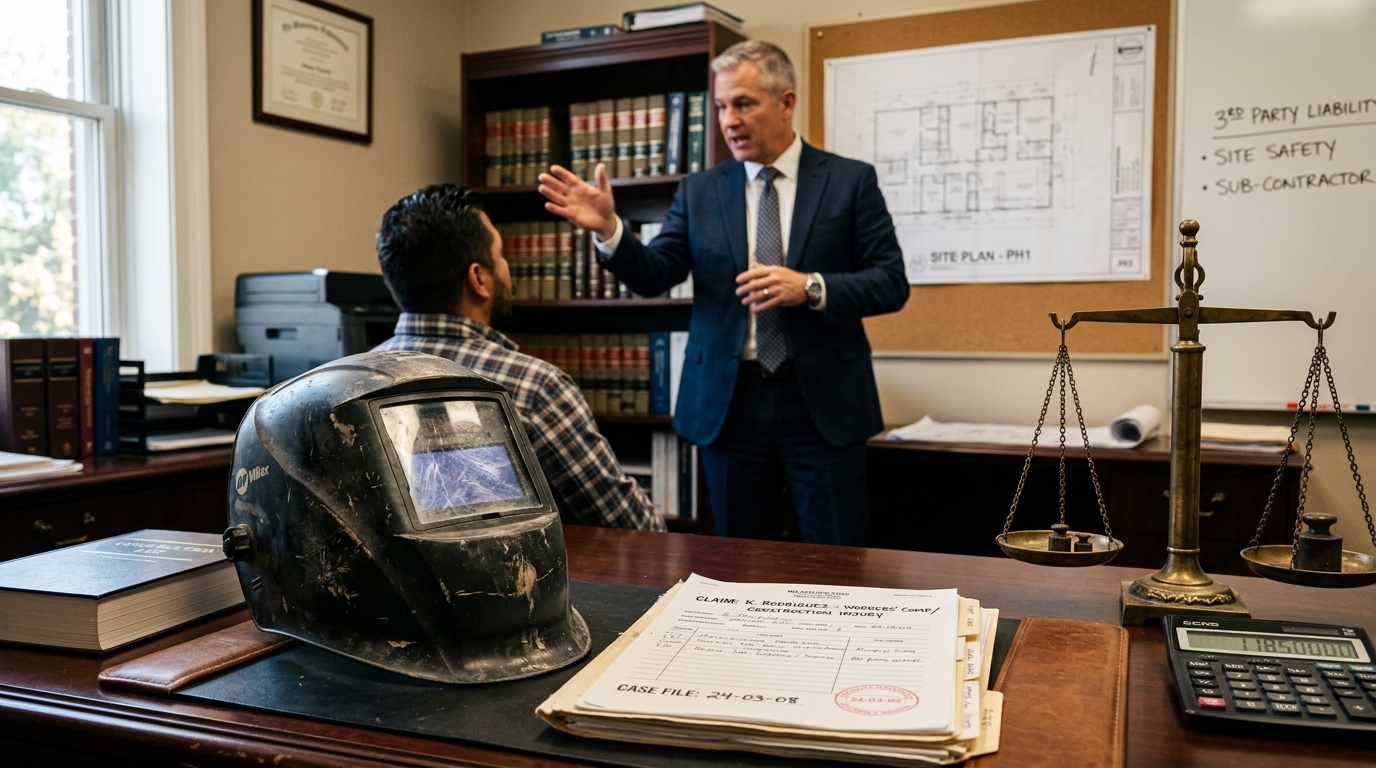
When a welder is injured on the job, the most immediate path to financial recovery is usually through a workers’ compensation claim. This no-fault system provides coverage for medical bills and a portion of lost wages without the need to prove employer negligence. However, these payouts are often strictly capped by state laws and do not account for non-economic damages like pain and suffering. For a welder dealing with chronic respiratory illness or moderate nerve damage, workers’ compensation may cover the doctor visits but often fails to address the long-term impact on their quality of life or future earning potential.
In cases where a third party is responsible for the injury, the potential settlement value can increase exponentially compared to a standard workplace claim. If a welding injury was caused by a defective respirator, a malfunctioning arc welder, or the negligence of a separate contractor on a job site, you may be eligible to file a personal injury lawsuit. These third party liability examples allow for the recovery of full lost wages, vocational rehabilitation, and significant compensation for emotional distress. While a minor burn might only fetch a small sum through workers’ compensation, a successful third-party suit for catastrophic vision loss can result in settlements exceeding one million dollars.
Navigating the choice between these two legal avenues is essential for maximizing the total value of your recovery. While workers’ compensation provides a necessary safety net for immediate needs, it rarely covers the true cost of a career-ending injury. By identifying a negligent equipment manufacturer or a reckless subcontractor, an injured worker can move beyond the limited schedules of state insurance. This comprehensive approach ensures that the specialized risks of the trade, from flash burns to toxic fume exposure, are compensated at a rate that reflects the actual damage done to the worker’s livelihood.
Economic And Non-Economic Damage Calculations
Calculating the true value of a welding injury claim requires a meticulous breakdown of economic damages, which are the quantifiable financial losses tied to the accident. For tradespeople in this high-risk field, the most significant factor is often the loss of earning capacity, especially if specialized skills like underwater welding or high-pressure pipe fitting are no longer an option. Beyond immediate hospital bills, these figures must account for ongoing medical rehabilitation, specialized equipment for vision impairment, and long-term respiratory treatments for fume exposure. Because welding requires precise physical coordination, even a moderate injury can lead to a substantial claim if it prevents a professional from returning to their specific trade.
Non-economic damages address the intangible but life-altering consequences of a workplace accident, such as permanent physical scarring or the loss of eyesight from a flash burn. These variables are more subjective, yet they often drive the highest settlement tiers because they represent a fundamental change in the victim’s quality of life. In legal terms, the psychological toll of chronic pain or the inability to participate in hobbies can be quantified through specific multipliers applied to the economic totals. A claim involving catastrophic vision loss or severe nerve damage will naturally command a higher value because the long-term impact on the worker’s daily existence is so profound.
The final valuation of a claim also hinges on the distinction between workers’ compensation benefits and personal injury litigation. While workers’ compensation typically covers medical costs and a portion of lost wages, a third-party personal injury lawsuit may allow for the recovery of full pain and suffering damages. This distinction is critical for welders who have suffered disfiguring burns or debilitating respiratory issues due to faulty equipment or negligence by a site owner. By examining both the immediate financial drain and the permanent physical changes, legal professionals can help injured workers pursue a settlement that reflects the true cost of their vocational hazards.
Calculating the Value of Your Welding Injury Claim
Ultimately, the value of a welding injury claim is defined by the intersection of medical necessity and vocational impact. Whether you are dealing with the agony of a flash burn or the long-term complications of respiratory distress from toxic fumes, the settlement must account for both your current bills and your future earning capacity. Minor injuries may settle for lower five-figure amounts, but cases involving life-altering accidents like permanent vision loss or severe nerve damage often reach seven-figure territory. Factors such as state-specific labor laws and the distinction between a standard workers’ compensation claim and a third-party personal injury lawsuit will also play a pivotal role in your final recovery amount.
Securing a fair settlement requires a proactive approach to documenting your medical treatment and understanding the legal nuances of the claims process. It is essential to track every expense, from specialized rehabilitation to the cost of adaptive equipment, to ensure no detail is overlooked during negotiations. Because insurance companies often attempt to minimize payouts for trade-specific hazards, many workers wonder is an industrial accident lawyer worth the cost when fighting for their rights. To ensure you are not leaving money on the table, you should determine if your settlement offer is fair and explore comprehensive resources like a settlement chart to gain the upper hand in your claim.
Frequently Asked Questions
1. What is the average settlement value for a welding injury claim?
Settlement values fluctuate significantly based on the severity of your trauma, typically ranging from $20,000 for minor incidents to over $1,000,000 for life-altering accidents. Your specific recovery amount depends on whether you pursue a workers’ compensation claim or a personal injury lawsuit.
2. How much can I expect for minor burns or welder’s flash?
Minor cases involving superficial burns or temporary vision issues often fall into the lower tier, ranging from $5,000 to $30,000. These figures reflect injuries that generally heal without permanent impairment or long-term loss of income.
3. What factors increase the value of a welding accident claim?
The total value of your case is tied to the long-term impact on your quality of life and your ability to return to the trade. Claims climb into the $25,000 to $200,000 range when your injury requires surgery, extensive physical therapy, or significant time away from the welding bench.
4. Are respiratory illnesses from toxic fumes eligible for high compensation?
Yes, chronic or permanent damage from inhaling toxic manganese or hexavalent chromium fumes represents the highest tier of compensation. These life-altering vocational hazards command much higher figures because they often require lifelong medical care and prevent you from working.
5. Does my choice of legal path affect my final settlement?
The specific legal path you take is a critical factor in determining what your claim is worth. Understanding the nuances of your state laws and the differences between workers’ compensation and personal injury litigation is essential for securing the maximum compensation you deserve.
6. Can I receive compensation for repetitive motion injuries like tendonitis?
Repetitive motion injuries that result in moderate nerve damage or require surgical intervention often see claim values between $25,000 and $200,000. These settlements account for both the cost of medical intervention and the impact on your future career stability.