The aftermath of a crane collapse or machinery failure is often a blur of medical bills and lost wages, leaving victims to wonder how they can afford high-quality legal representation. Many people hesitate to seek justice because they fear the upfront costs, but understanding crane accident lawyer fees can provide much-needed peace of mind. In 2026, the industry standard remains a contingency fee model, ensuring that legal help is accessible regardless of your current financial situation. This structure means your attorney only gets paid if they successfully secure a settlement or jury award on your behalf.
By removing the burden of hourly rates, this “no-win, no-fee” approach aligns your lawyer’s interests directly with your own. Most cases follow a sliding scale where the percentage shifts based on whether the claim is settled early or requires a complex trial involving expert witnesses and litigation. For high-value claims reaching into the millions, these fee structures are often designed to be flexible, ensuring the majority of the recovery stays in your pocket. Knowing these standard rates allows you to focus on your physical recovery while your legal team pursues the maximum compensation possible.
Key Takeaways
- Crane accident litigation operates on a contingency fee model, ensuring victims pay no upfront costs and attorneys are only compensated if they successfully secure a settlement or jury award.
- Legal fees typically follow a tiered structure, starting at 33.3 percent for pre-litigation settlements and increasing to 40 percent if a formal lawsuit is filed to cover the costs of trial preparation and expert testimony.
- Law firms front the substantial costs for mechanical engineers and safety inspectors, treating these as advanced litigation expenses that are only reimbursed from the final recovery amount.
- For multi-million dollar catastrophic claims, a sliding scale often reduces the attorney’s percentage for recovery amounts exceeding specific thresholds, ensuring the injured party retains the majority of a substantial award.
Contingency Fee Percentages For Crane Litigation
The financial commitment required to pursue a crane accident claim is structured to protect the injured operator, ensuring that high-quality legal representation is accessible without upfront costs. Most specialized attorneys operate on a contingency fee model, meaning they only receive payment if they successfully secure a settlement or court award. Typically, if a case is resolved during the pre-litigation phase before a formal lawsuit is filed, the industry standard fee is 33.3 percent of the total recovery. This arrangement allows heavy machinery operators to focus on their physical recovery while a legal team investigates complex OSHA violations and equipment failure logs.
As a case moves deeper into the legal system and a formal lawsuit is initiated, the contingency fee often increases to 40 percent to reflect the heightened intensity of the work. This transition covers the extensive costs associated with taking depositions, coordinating with mechanical engineers, and preparing for a potential jury trial. Crane litigation is uniquely demanding because it involves navigating multiple layers of liability, from site contractors to equipment manufacturers. The higher percentage ensures that the firm can dedicate the necessary resources to challenge large insurance corporations that often fight high-value construction claims.
For catastrophic incidents involving multi-million dollar damages, some legal fee structures may include a sliding scale that benefits the client. In these specialized instances, a firm might reduce its percentage to 25 percent for any recovery amounts that exceed a specific threshold, such as five million dollars. This approach ensures that the injured party retains the vast majority of a substantial award while still compensating the legal team for their specialized expertise in heavy machinery litigation. Understanding these tiers helps operators and their families make informed decisions when pursuing the compensation needed for long term care and lost wages.
Advanced Costs For Crane Engineering Experts
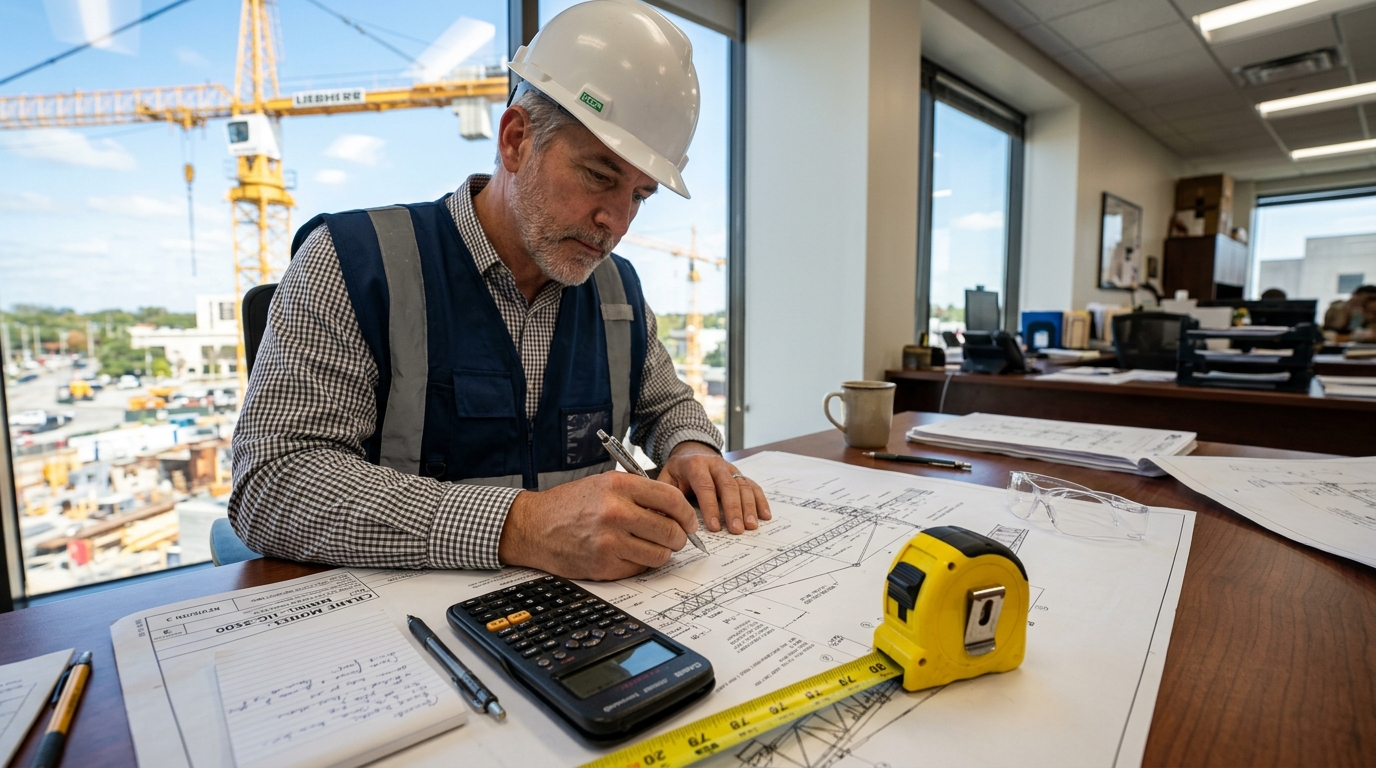
Securing a successful outcome in a crane accident case requires a deep analysis of complex mechanical failures and regulatory violations. Specialized law firms understand that heavy machinery operators and construction workers need immediate access to high level technical analysis to prove liability. To facilitate this, attorneys front the substantial costs required to hire veteran mechanical engineers and safety inspectors. These professionals analyze load charts, maintenance logs, and site conditions to pinpoint exactly where safety protocols broke down. By absorbing these upfront expenses, firms allow injured operators to pursue justice without the burden of paying thousands of dollars in professional consulting fees out of pocket.
These investigative costs are treated as advanced litigation expenses, which are separate from the standard contingency fee percentage. When a settlement or verdict is reached, the law firm is reimbursed for these specific disbursements from the final recovery amount. This arrangement ensures that the most qualified crane experts are on the case from day one, providing the technical weight needed to challenge large construction corporations. Detailed inspections of hydraulic systems or structural integrity can be prohibitively expensive for an individual, but a well capitalized firm manages these costs to build a robust evidence file. Using this financial model, legal teams can match the resources of insurance companies while protecting the client’s personal finances.
The strategic use of safety inspectors and engineering experts often serves as the turning point during high value settlement negotiations. Because crane accidents typically involve multi million dollar stakes, the precision of an expert’s testimony can significantly increase the total compensation for medical bills and lost wages. Many victims find that hiring an industrial accident lawyer is essential for navigating the intricate federal and state safety standards governing the heavy lifting industry. Ultimately, this approach allows specialized operators to focus on their physical recovery while their legal team builds a fact based foundation for their financial future.
Impact Of Multi Million Dollar Settlement Caps
When heavy machinery failures result in catastrophic injuries or fatalities, the legal recovery often reaches into the multi million dollar range. In these high stakes scenarios, the standard contingency fee structure frequently shifts to a sliding scale to ensure the victim retains a larger portion of the award. For instance, while a lawyer might charge forty percent for the first few million dollars, that percentage often drops to twenty five percent for any recovery exceeding a specific threshold. This tiered approach recognizes that the legal work required to secure a massive settlement does not always grow linearly with the final dollar amount. It provides a more equitable distribution of funds for specialized operators who face permanent disability or long term care needs after a crane collapse.
State laws and statutory limits also play a critical role in how legal fees are calculated for massive construction site settlements. Some jurisdictions have established strict caps on the percentage an attorney can collect in cases involving significant damages or medical malpractice claims related to the accident. These regulations are designed to protect plaintiffs from excessive fees when the settlement reaches an amount that would otherwise result in a windfall for the law firm. Specialized crane accident attorneys must navigate these complex legal frameworks while calculating the disputed claim settlement value in active litigation. Understanding these statutory nuances is essential for heavy machinery operators who are finding the best workers comp lawyers to evaluate the potential net recovery of their legal claim.
No-Win, No-Fee Crane Accident Representation
Securing high-quality legal representation after a major crane collapse or job site incident does not require any upfront financial risk for specialized heavy machinery operators. By utilizing a contingency fee structure, you ensure that your attorney is fully invested in the outcome of your case because they only receive payment if they successfully recover a settlement or verdict. This no-win, no-fee guarantee allows injured workers to access elite legal resources, including expert witnesses and engineering recreations, without paying out of pocket. For most crane accident claims, the standard fee ranges from 33.3 percent for pre-litigation settlements to 40 percent if the case proceeds to a formal lawsuit.
Maximizing your net compensation requires a clear understanding of how these legal costs interact with your overall recovery strategy and existing benefit offers. While the percentage might increase as a case moves toward trial, the potential for a significantly higher award often justifies the litigation phase for complex industrial accidents. Experienced attorneys work to ensure that every medical bill, lost wage, and future rehabilitation cost is accounted for before any fees are deducted from the final total. To ensure you are receiving the full value of your claim, it is essential to evaluate every component of your recovery package carefully. You can begin this process today by using our guide to determine Is Your Workers Compensation Settlement Offer Fair? (2025 Guide) to discover how we can help you protect your financial future.
Frequently Asked Questions
1. How do I pay for a crane accident lawyer if I cannot afford upfront costs?
You do not need to pay any upfront costs because we operate on a contingency fee model. This means you only pay legal fees if we successfully secure a settlement or jury award for your case.
2. What is the standard percentage for a crane accident settlement?
The industry standard is typically 33.3 percent if your case is resolved during the pre-litigation phase before a formal lawsuit is filed. This percentage allows you to access high quality legal help while focusing entirely on your physical recovery.
3. Does the fee change if my case goes to trial?
Yes, legal fees often follow a sliding scale that increases if the claim requires a formal lawsuit or a complex trial. This adjustment covers the additional resources, expert witnesses, and litigation efforts necessary to pursue maximum compensation in court.
4. Will I still owe money if we do not win the case?
Under the no win, no fee structure, you are protected from paying attorney fees if your legal team does not secure a recovery. This arrangement ensures that your lawyer’s interests are directly aligned with yours in seeking a successful outcome.
5. How are fees handled for high value claims reaching into the millions?
For high value crane litigation, fee structures are often designed to be flexible to ensure the majority of the recovery stays in your pocket. We prioritize a fair distribution that accounts for the complexity of the machinery failure while maximizing your final take home amount.
6. What costs are covered by the legal team during the investigation?
Your legal team manages the financial burden of investigating complex OSHA violations and equipment failure logs during the process. These costs are typically reimbursed from the final settlement, allowing you to pursue justice without draining your personal savings.