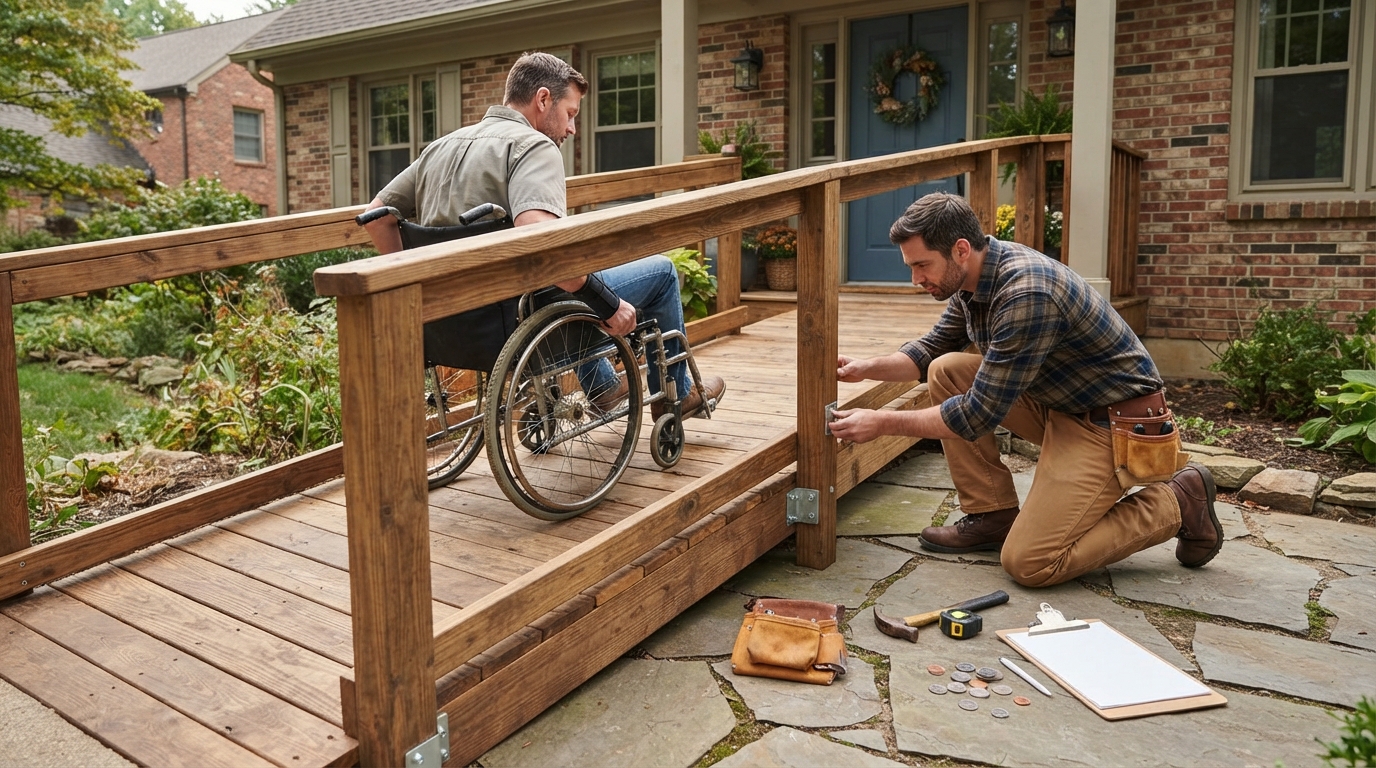
An injury can turn ordinary tasks, such as entering your home, bathing, or moving between rooms, into costly obstacles. Home modifications related to a workers’ compensation claim may cost a few hundred dollars for a small adaptation or tens of thousands for major structural changes.
There is no single national price or guaranteed payout. Coverage depends on your state, the accepted work-related condition, medical necessity, and prior approval. Use 2026 estimates as a starting point, then seek approval for an itemized proposal before work begins.
Key Takeaways
- For 2026 planning, small home adaptations may cost $100–$1,500, ramps $1,500–$8,000, accessible showers $5,000–$15,000, and major structural work $20,000–$75,000 or more. These are homeowner-market estimates, not guaranteed workers’ compensation reimbursement rates.
- Workers’ compensation coverage depends on state rules, whether the modification relates to the accepted work-related condition, documented medical necessity, and the claim’s terms; no standard payout is guaranteed.
- Before hiring a contractor or paying a deposit, get an itemized proposal and supporting medical recommendations, then seek written approval for the specific scope and cost. Starting work without prior authorization may put reimbursement at risk.
- Costs vary with location, accessibility needs, site conditions, layout, materials, and required structural or plumbing work.
Workers’ Compensation Cost Ranges
Home modification cost estimates for workers’ compensation claims depend on the type and scale of work. For 2026 planning, small adaptations such as grab bars, handrails, or threshold changes may cost about $100 to $1,500, while a ramp can cost roughly $1,500 to $8,000. An accessible shower may range from about $5,000 to $15,000, depending on the layout, materials, and plumbing changes. Extensive structural modifications, such as widening multiple doorways or reconfiguring living areas, can cost $20,000 to $75,000 or more.
These are 2026 U.S. homeowner-market estimates, not guaranteed workers’ compensation reimbursement rates. Actual costs vary by location, accessibility needs, site conditions, and project details. Workers’ compensation coverage and payment amounts depend on state rules, the accepted work-related condition, medical necessity, and prior approval. Before work begins, seek approval for an itemized proposal explaining how each modification supports the injured worker’s needs.
What Workers’ Comp May Cover
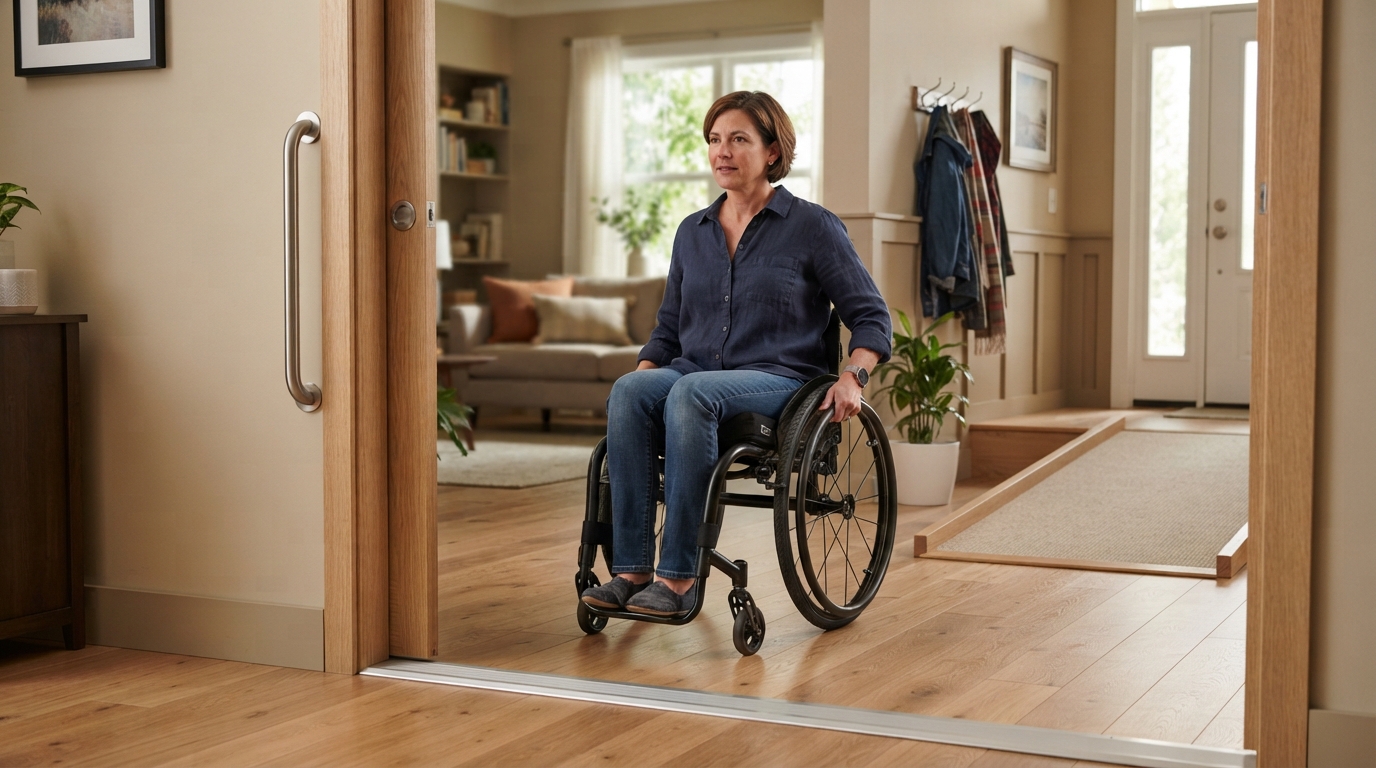
Workers’ compensation coverage for home modifications varies by state, so there is no standard payout or guarantee that an insurer will pay for a particular project. Coverage generally depends on whether the requested changes relate to the accepted work-related condition and are supported by documented medical necessity. For example, a medically recommended ramp or accessible shower may be considered if the injury makes the existing home difficult or unsafe to use. The claims administrator may also require prior approval, so confirm the process before hiring a contractor or paying a deposit.
Homeowner-market estimates can range from a few hundred dollars for a small adaptation to several thousand for a ramp or accessible shower. Extensive structural changes may cost tens of thousands of dollars or more. These figures are not workers’ compensation reimbursement rates, and the approved amount may differ from the project’s total price. Ask what documentation is needed, whether an assessment or itemized proposal is required, and which costs may be covered. Getting written authorization before construction can help reduce the risk of paying for work that is later denied.
Approval and Itemized Estimates
An itemized contractor proposal helps clarify home modification costs before you request authorization through a workers’ compensation claim. It should identify each recommended change, the materials and labor involved, any permit or inspection fees, and the estimated timeline. This detail lets the claims administrator evaluate specific expenses rather than a broad project total. Treat contractor prices as planning estimates, not guaranteed reimbursement rates, because coverage and payment depend on the claim and applicable state rules.
Pair the estimate with medical recommendations explaining how the work addresses the worker’s mobility limits and safety risks at home. For example, link a proposed ramp or accessible shower to documented difficulty entering the home or bathing safely, rather than presenting it as a general convenience. Comparing each line item with those needs can help reviewers assess whether the scope is medically necessary and reasonably priced. Obtain approval before work begins, since authorization requirements vary and unapproved changes may not be covered.
Estimate Home Modification Costs and Coverage
Workers’ compensation home modifications can cost a few hundred dollars for a simple adaptation or several thousand for a ramp or accessible shower. Extensive structural work may cost tens of thousands of dollars or more. These are planning estimates, not guaranteed reimbursement amounts. There is no single national payout, and coverage depends on factors such as state rules, the accepted work-related condition, medical necessity, and the claim’s terms.
Before hiring a contractor or paying a deposit, ask the claims administrator which modifications may be covered and what documentation, estimates, and prior approvals are required. Request written approval for the specific scope and cost, since starting work without it may put reimbursement at risk. If you need help reviewing claim records or supporting documentation, consider consulting a qualified workers’ compensation professional.
Frequently Asked Questions
1. How much do workers’ compensation home modifications cost?
For 2026 planning, small adaptations such as grab bars, handrails, or threshold changes may cost about $100 to $1,500. Ramps may cost $1,500 to $8,000, accessible showers about $5,000 to $15,000, and extensive structural changes $20,000 to $75,000 or more.
2. Will workers’ compensation pay the full cost of a home modification?
There is no standard payout or guarantee that workers’ compensation will cover a particular project. Payment depends on your state’s rules, whether the modification relates to your accepted work-related condition, documented medical necessity, and prior approval.
3. What home modifications might workers’ compensation cover?
Coverage may be considered for changes that address limitations caused by your accepted work-related condition, such as improving access to your home or making bathing and movement between rooms safer. The insurer will assess whether each requested change is medically necessary and supported by your documentation.
4. Do you need approval before starting home modification work?
Yes, seek approval before work begins. Submit an itemized proposal showing the cost of each modification and explaining how it supports your needs, since starting work without prior approval may put reimbursement at risk.
5. What should an itemized home modification proposal include?
List each proposed change separately, with its estimated cost and a clear explanation of how it relates to your work-related condition. Include supporting medical documentation when available so the insurer can evaluate the need and scope of the project.
6. Why can home modification estimates differ so much?
Costs vary by location, accessibility needs, site conditions, layout, materials, and the amount of structural or plumbing work required. The 2026 figures are U.S. homeowner-market estimates, not guaranteed workers’ compensation reimbursement rates.
7. What can you do if the insurer does not approve a requested modification?
Ask the insurer which part of the request was not approved and what documentation or changes may be needed for review. Because coverage rules vary by state, check your state’s workers’ compensation procedures and consider getting help from a qualified workers’ compensation professional.

