When persistent numbness or tingling interferes with daily life, clinical clarity is a valuable asset. Nerve conduction study accuracy is the cornerstone of modern peripheral nerve diagnostics, providing the objective, physiological data needed to confirm a diagnosis. While these tests are widely considered the gold standard, their precision is a variable influenced by the specific condition and methodology used.
Understanding the nuances of these metrics is essential for any patient or clinician. For instance, in cases like Carpal Tunnel Syndrome, while specificity often exceeds 90%, sensitivity can fluctuate significantly depending on the benchmarks applied. This variability underscores the importance of interpreting results within a broader clinical context to ensure the most effective treatment path.
Key Takeaways
- Nerve conduction studies primarily measure large, myelinated nerve fibers, meaning they often fail to detect damage to small fibers responsible for pain and burning sensations.
- A normal test result does not rule out nerve damage, as the sensitivity of these studies can be as low as 56%, leading to a high rate of false negatives.
- Environmental and technical factors, such as skin temperature, precise electrode placement, and anatomical variations, can significantly skew results and lead to inaccurate diagnoses.
- Clinical symptoms and physical examinations must carry as much weight as electrical data to ensure a comprehensive and accurate diagnostic process.
Sensitivity And Specificity Of Nerve Conduction Results
Nerve conduction studies are widely considered the gold standard for diagnosing peripheral nerve damage, yet their sensitivity and specificity often falls within a range of 56% to 85%. This means that a significant number of patients suffering from genuine symptoms, such as the pain and numbness of Carpal Tunnel Syndrome, may receive a normal test result. This discrepancy occurs because these studies primarily measure large, myelinated nerve fibers rather than the small fibers that often transmit pain signals. Consequently, a negative result does not always mean a condition is non-existent. If symptoms persist despite a normal report, the test may simply have reached its physiological limits.
While the sensitivity of these tests can be variable, their specificity is remarkably high, frequently exceeding 90%. High specificity means that if the test returns an abnormal finding, there is a very high probability that a physical nerve impairment is actually present. However, for a skeptical claimant or patient, high specificity does little to explain ongoing discomfort when the initial results are clear. In these instances, the rate of false negatives suggests that the diagnostic process should not end with a single study. Clinical symptoms and physical examinations are just as vital as electrical data when determining the true severity of a nerve injury.
Understanding these benchmarks empowers patients to advocate for their health when diagnostic data seems at odds with physical reality. If you experience classic symptoms of nerve entrapment but a nerve conduction study is negative, it may be time to request a second opinion or explore advanced imaging like neuromuscular ultrasound. Specialists often use these supplemental tools to identify structural issues that electrical tests might miss in the early stages of a condition. Trusting your body and seeking further validation is a crucial step when objective tests fail to capture the full scope of pain. This knowledge helps bridge the gap between clinical data and lived experience.
Technical And Biological Factors Impacting Test Reliability
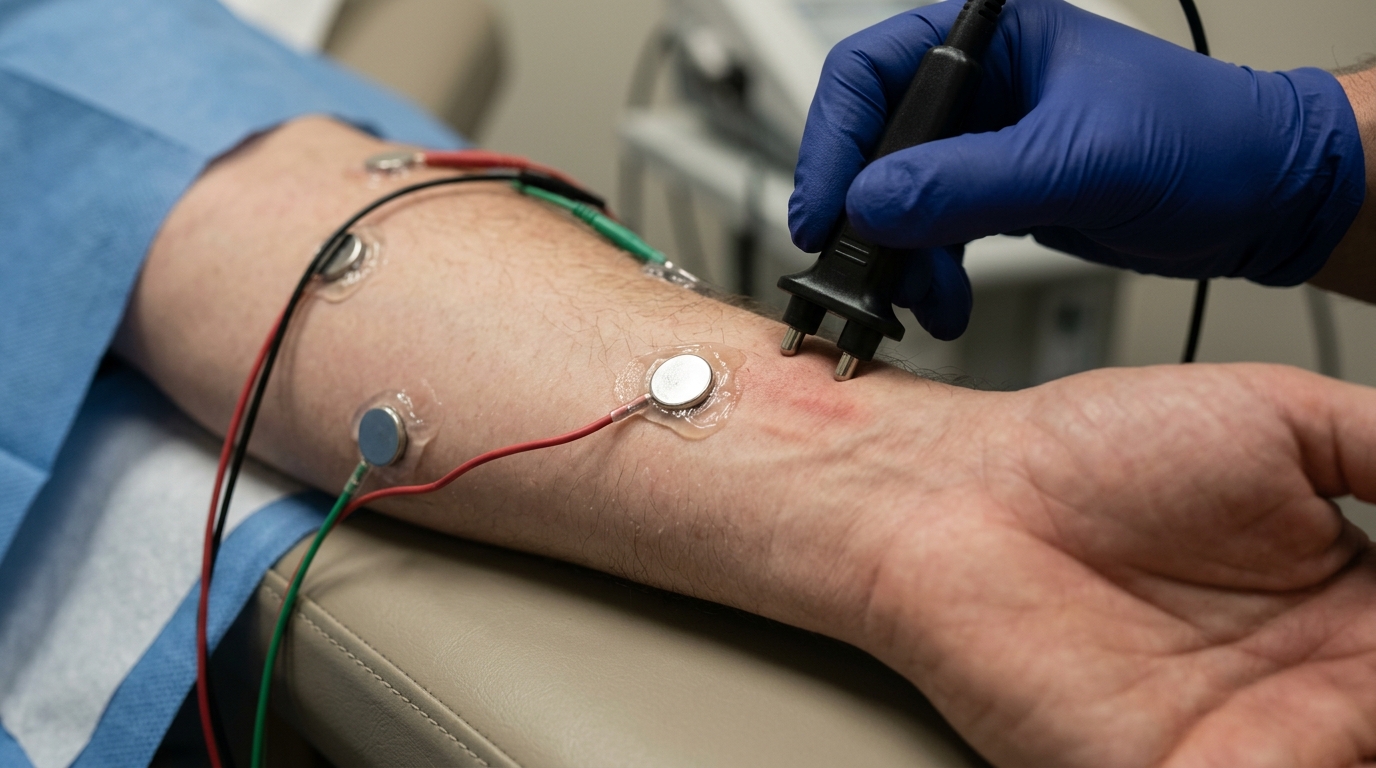
The reliability of a nerve conduction study depends heavily on the ability to control for environmental variables, particularly skin temperature. If a limb is too cold, the movement of ions across the nerve membrane slows down, which can artificially prolong distal motor latency and lead to a false positive result. Conversely, excessive warmth can speed up conduction velocity, potentially masking a real underlying issue. Experienced practitioners must ensure the limb is warmed to a standardized temperature before beginning the procedure to ensure the data reflects physiological reality rather than environmental interference. Even a few degrees of difference can be the deciding factor between a diagnosis of neuropathy and a clean bill of health.
Precision in physical measurement is another critical factor that can skew results. Because the equipment calculates velocity based on the distance between the stimulator and the recording electrode, even a minor measurement error of a few millimeters can significantly alter the final reading. This is particularly problematic in areas with complex anatomy or where the nerve path is not a straight line. When measurements are imprecise, the resulting data may suggest a nerve is functioning normally when it is actually impaired. Patients who continue to experience significant pain despite a normal test result should consider whether these technical measurements were handled with the necessary level of scrutiny.
Anatomical variations among individuals also play a major role in how accurately a nerve conduction study reflects a person’s true physical condition. Some people possess accessory nerves or unconventional pathways, such as the Martin-Gruber anastomosis, which can cause misleading electrical signals during testing. If a technician is not specifically looking for these biological anomalies, they may misinterpret the data as being within the normal range. This highlights why a normal test result is not always the final word on neurological health. Understanding these biological and technical nuances empowers patients to seek a second opinion or request more specialized testing when clinical symptoms do not align with the initial data.
Interpreting Normal Findings In Patients With Chronic Pain
Receiving a normal result from a nerve conduction study can be frustrating when living with debilitating chronic pain. A normal test result does not mean pain is imaginary or that there is no physical cause for symptoms. These studies are specifically designed to measure the performance of large, myelinated nerve fibers, which are responsible for muscle control and touch. If an underlying condition primarily affects the smaller nerve fibers, the test may return a clean bill of health despite the presence of significant nerve damage. This gap between physical experience and diagnostic data is a common occurrence in complex neurological cases.
Small fiber neuropathy is a frequent culprit for persistent pain that fails to show up on a standard nerve conduction study. Because these tiny nerves lack the thick protective coating found on larger fibers, they do not conduct the electrical signals that the equipment is calibrated to detect. Patients with this condition often describe burning sensations, tingling, or sharp stabs of pain, yet their large fiber function remains perfectly intact during clinical testing. Relying solely on a single test can lead to a premature dismissal of symptoms, making it essential to look beyond the basic metrics. When a standard study is inconclusive, it serves as a signal to investigate further rather than an end to the diagnostic journey.
Advocating for health means recognizing the inherent limitations of diagnostic technology and seeking a second medical opinion when results do not align with reality. If symptoms persist despite a normal report, discuss more specialized diagnostic paths, such as skin biopsies for nerve fiber density or quantitative sensory testing. These alternative methods are often necessary to capture the full picture of peripheral nerve health that a traditional study might miss. Understanding that a normal result is not always a definitive answer empowers patients to push for a more comprehensive evaluation. Clinical symptoms are just as important as the data on a page, and finding the true source of pain requires a holistic approach to testing.
Improving Diagnostic Accuracy Through Expanded Testing Criteria
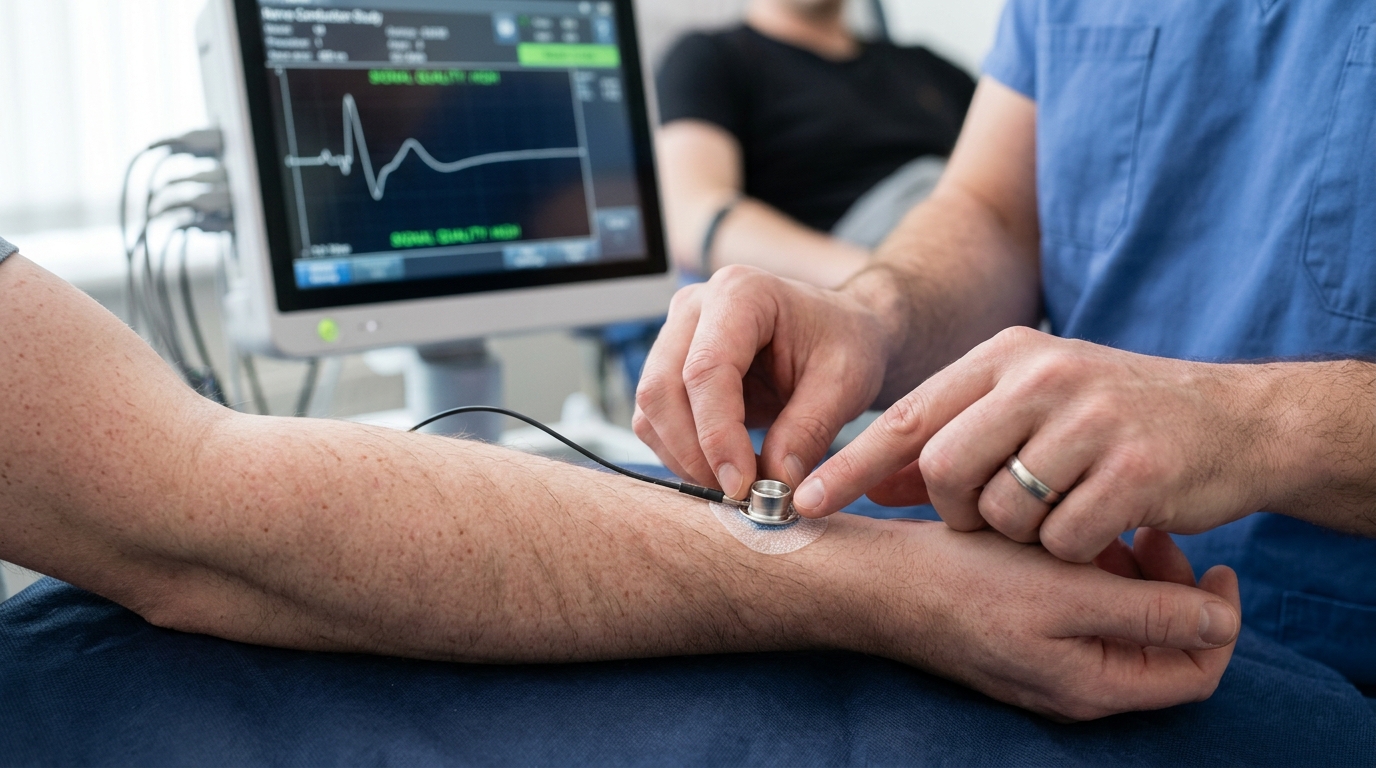
Standard nerve conduction studies are often celebrated as the gold standard for diagnostic testing, yet many patients find themselves frustrated when results return as normal despite persistent symptoms. This discrepancy frequently occurs because traditional testing focuses narrowly on clear conduction blocks, which may not capture the full scope of nerve dysfunction. By expanding the diagnostic criteria to include subtle abnormalities in nerve conduction velocity and distal latencies, clinicians can achieve a much more sensitive view of the peripheral nervous system. This broader approach is essential for identifying early stage damage that standard metrics might overlook. A normal result under limited criteria does not always rule out a physiological issue.
Broadening the scope of testing is particularly vital when diagnosing complex or rare conditions such as Multifocal Motor Neuropathy. In these cases, relying solely on obvious blocks can lead to false negatives, leaving patients without the necessary treatment for progressive weakness. When specialists look closer at prolonged latencies and slowed velocities across multiple nerve segments, the diagnostic accuracy for these difficult conditions improves significantly. Understanding these nuances empowers claimants and patients to advocate for a more comprehensive evaluation or a second opinion when initial findings seem incomplete. A truly accurate diagnosis requires a methodology that accounts for the diverse ways nerve fibers can exhibit distress under different pathological conditions.
Understanding Nerve Conduction Study Accuracy Limits
Ultimately, a nerve conduction study is a powerful diagnostic tool, but it is not infallible. While high specificity makes these tests excellent for confirming a condition, a sensitivity rate that can dip as low as 56 percent means that a normal result does not always equate to a clean bill of health. If you are experiencing persistent pain, numbness, or weakness despite a negative test result, it is essential to prioritize clinical correlation. This means physical symptoms and medical history should carry as much weight as the data on the page.
When diagnostic results contradict physical reality, seeking a second opinion or supplemental imaging like an MRI or neuromuscular ultrasound is a proactive step toward recovery. Patients should not feel discouraged by a test that fails to capture internal discomfort, as methodology and timing can significantly impact the final report. Ensuring symptoms are documented accurately is vital for both medical treatment and the integrity of a workers comp claim. To ensure you are making the best decisions for your future, learn more about repetitive stress injury eligibility and the warning signs of provider mistakes: Choosing the Right Path for Your Workers Compensation Claim.
Frequently Asked Questions
1. How accurate are nerve conduction studies in diagnosing nerve damage?
Nerve conduction studies are considered the gold standard of diagnostics because they provide objective, physiological data on nerve function. While precision can vary based on the specific condition, they are the most reliable tool available for confirming peripheral nerve impairments.
2. Can a nerve conduction study miss an existing condition?
Yes, it is possible to receive a normal test result even if you are experiencing genuine symptoms. Sensitivity for these tests typically ranges from 56% to 85% because they primarily measure large, myelinated nerve fibers and may not detect issues in smaller fibers that transmit pain.
3. What does a high specificity rate mean for my results?
A specificity rate exceeding 90% means that if a test returns an abnormal finding, there is a very high probability that a physical nerve impairment actually exists. These results are highly reliable for confirming a diagnosis and ruling out false positives.
4. Why would my test be normal if I still feel numbness and pain?
A normal report does not mean a condition is psychological or non-existent. Because the test has physiological limits, it may not capture damage to small nerve fibers, requiring a clinician to interpret the results within the broader context of physical symptoms.
5. How reliable is a nerve conduction study for Carpal Tunnel Syndrome?
For Carpal Tunnel Syndrome, these studies offer high specificity but fluctuating sensitivity depending on the benchmarks used. The test is a cornerstone of diagnosis that must be paired with clinical observation to ensure an effective treatment path.
6. What factors influence the precision of my test results?
The accuracy of a study is not a fixed number but a variable influenced by the methodology used and the specific nerve fibers being tested. Clinical clarity depends on using these objective metrics as one part of a comprehensive diagnostic process.